Lessons from a Scorpion Encounter

Sometimes life’s smallest moments can carry the biggest lessons. On a routine evening walk a few years ago, a simple run-in with a scorpion taught me about restraint, mercy, and the power of choosing kindness over retaliation.

This poem reflects on that moment, and the ripple effect that can follow when we hold back our sharpest stings.

Dear Scorpion

Evening is the best time to walk, 
the sun retires from scorching;
my shirt feels a little less sticky.
My dog scuffs along, sniffing,
his own form of social media.
I scuff along in my well-worn chappals,
not the wisest choice,
scrolling through my phone. 

The evening in question
melted over the sky, hardening
into oranges, purples, and blues.
Scuff, scuff.
Sniff sniff, scroll. 
When something cold and hard rolled over
the soft, sensitive flesh of my foot. 

My brain tried to place the feeling:
A beetle? A plastic toy? A bottle?
I looked down.
My heart melted,
warm liquid
draining to my toes. 

A scorpion 
stood with its stinger raised.
Ready to 
duel if it met my foot again,
in the dead leaves covering our path. 
Do I run or stand my ground?
Both felt wrong. 

So we stood for hours,
seconds, really. 
The harder I stared, 
the more it looked offended 
than armed. 

I chose 
to back away, my eyes on
the insulted creature,
shrinking as I retreated
until it vanished.

It had every right to
strike me with its poison. 
I felt that path  
was my own.

But it chose not to sting me.
The opportunity was easy. 
Maybe it was luck,
or maybe it sensed my fear like its own.
Or maybe it wasn’t in the mood.

Dear scorpion,
I learned something
on that evening walk.
I can choose
not to sting another.  
Swallow the bitterness that would 
rush through blue capillaries, red arteries, 
straight to another’s heart.                                  

I can fade into the twilight,
but still stand guard.
Maybe their venom will return
to where it began,
softening the next hardened heart,
one restrained sting at a time.

Dear scorpion,
if mercy flows this way,
through veins and capillaries,
into oranges, purples, and blues,
maybe this world
needn’t sting so deep.

A Note:
I hope this poem encourages you to pause and choose mercy in your own daily encounters, softening hardened hearts one restrained sting at a time.

Top post on Blogchatter

Between Two Worlds: A Switch

Somewhere between arrival and departure, I’ve learned to speak in two voices and carry two selves. This is about what happens when neither feels entirely mine.

A Switch | സ്വിച്ച്

This plane window is a signaller.
Ready to help me
choose myself
before we fall to the earth.
I am sinking and floating at once, but
I look out the window anyway
to see
which personality to wear after landing.

Grey bypasses, skyscrapers, concrete
squares:
all holding their breath.
The switch flips to
America.

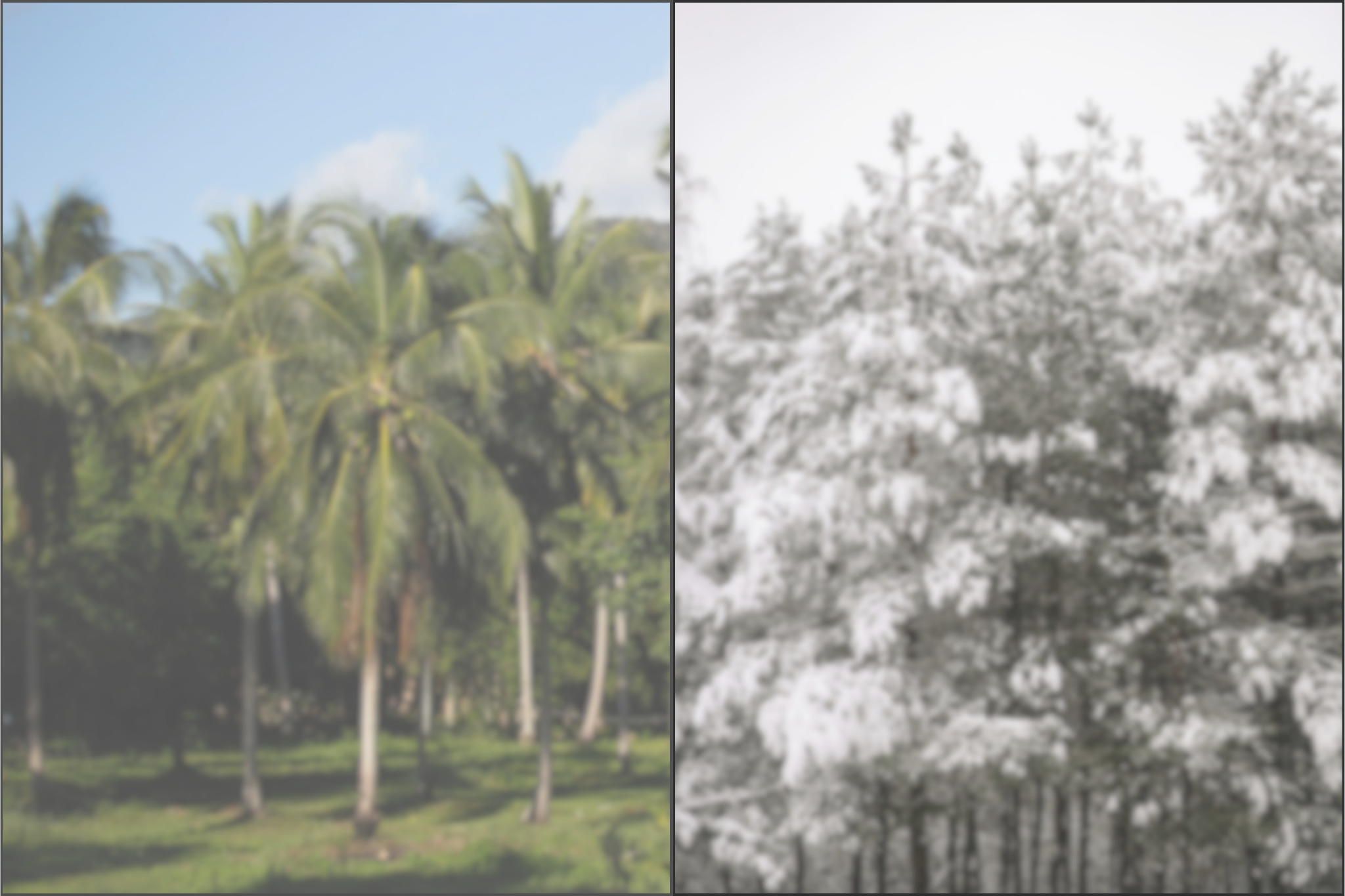
A quilt of coconut palms,
low white buildings,
the switch flips to
India.
My head wobbles before the plane
touches down.

Later, I learned there’s a word for this.
I protested: I don’t do this.
Not me.
And the man I spoke to replied,
“Oh, but I think you do.”

In India,
I’m more reserved,
yet I speak more.
Slowly. Enunciating.
I use words like:
lift – boot – lorry – brinjal – petrol.
I say Ruh-vi, not Raaah-vi.
I roll my Rs and
move na – nja – nna
through my tongue and lips.
I clench my fists in frustration
when the word is right there,
drifting, italicized, in my mind,
tucked under my tongue
when I try to speak.

And then in America,
when I’m with people
who knew me once,
but not quite.
When nostalgia rolls in
as thick as the fleece blanket
that keeps me warm in
stark Pennsylvania winds,
I’m more open,
but speak less.
I speak quickly, slurring my words:
“Didja eat yet?”
I smile hellos and how are yous to
perfect strangers, but
never pushing beneath:
“Friend, how is your heart?” or
“Is your father doing okay?”

“You kinda have an accent now,”
so I flatten my As again.
My voice shifts north
into my nose
and the words roll out:
elevator – trunk – truck – eggplant – gas.

I don’t have to worry
about chechis and chettans.
Americans like first names,
giving us a pretend closeness,
like a handshake without eye contact.

Here’s the thing:
neither one feels quite right.
In India,
I wear a mask.
I smile when I don’t want to;
swallow questions and
bite back criticisms
because my face marks me a visitor
even though I’ve rooted my hands
deep in the soil.
In America,
I wear a wool sweater
two sizes too small.
I tug at the sleeves,
sweating, itchy, chafed
but never take it off.

So, who am I?
Am I the words spoken to others,
what they see:
a woman in love,
a fool,
a brave soul?
Or am I
something deeper?
Or am I none of these?

Am I just a middle-aged woman
afraid she will always be brushing the edges,
never quite let inside?
Am I just afraid
that someday I’ll be a stranger
in a strange land
where I borrowed books
from the library
and licked ice cream
as I walked to the park?

Now, the only home
is my daughter’s voice
when she tells me 
the song she and her friends made up;
when my husband and I walk 
into the hovering emerald canopies.

If my skin were peeled away
and my chest cracked open:
The hush of the monsoon rain
washing through the ghats,
the whisper of the snow
covering the evergreens—

Would you recognize
  the language of my pulse,

 the accent
   of my blood,

forever stuttering
switching tracks
until I break the lever.