When I first moved to Kerala, the one question people asked most was, “Do you like the food?” I didn’t know the importance of food for Malayalees at the time, so I felt confused why people asked that so often. I guess they thought the taste would be super alien to me since I grew up in the States. White rice is too spicy for us, know what I mean?
Of course I loved the food. The aromatic spices, the heat, the tang – it was heaven for my tastebuds. But I was always the odd duck in my immediate family. I liked seafood; no one else did. I liked jalapeños and black olives; no one else did. So it didn’t surprise me that I started enjoying Kerala food right away.
Kerala cuisine is, in general, based around three staples – rice, fish, and coconut. All meals will use at least one of these, if not all. It makes sense these would be staples because Kerala is a tropical, coastal state with paddy fields as far as the eye can see.
But one thing I’ve noticed is that every time I Google “best Kerala foods,” “best South Indian foods,” or any variation of the sort, the lists contain the following: idli, dosa, payasam, appam and stew, parotta and beef, karimeen pollichathu, and pazham pori (banana fritters). And I am always irritated because I know there are superior dishes out there. I’ve eaten them! I’ve cooked them!
Good food is endless here. So I decided to make my own list, including some unsung heroes of Kerala cuisine.
My Top 10 Fave Kerala Foods
1. Uttapam
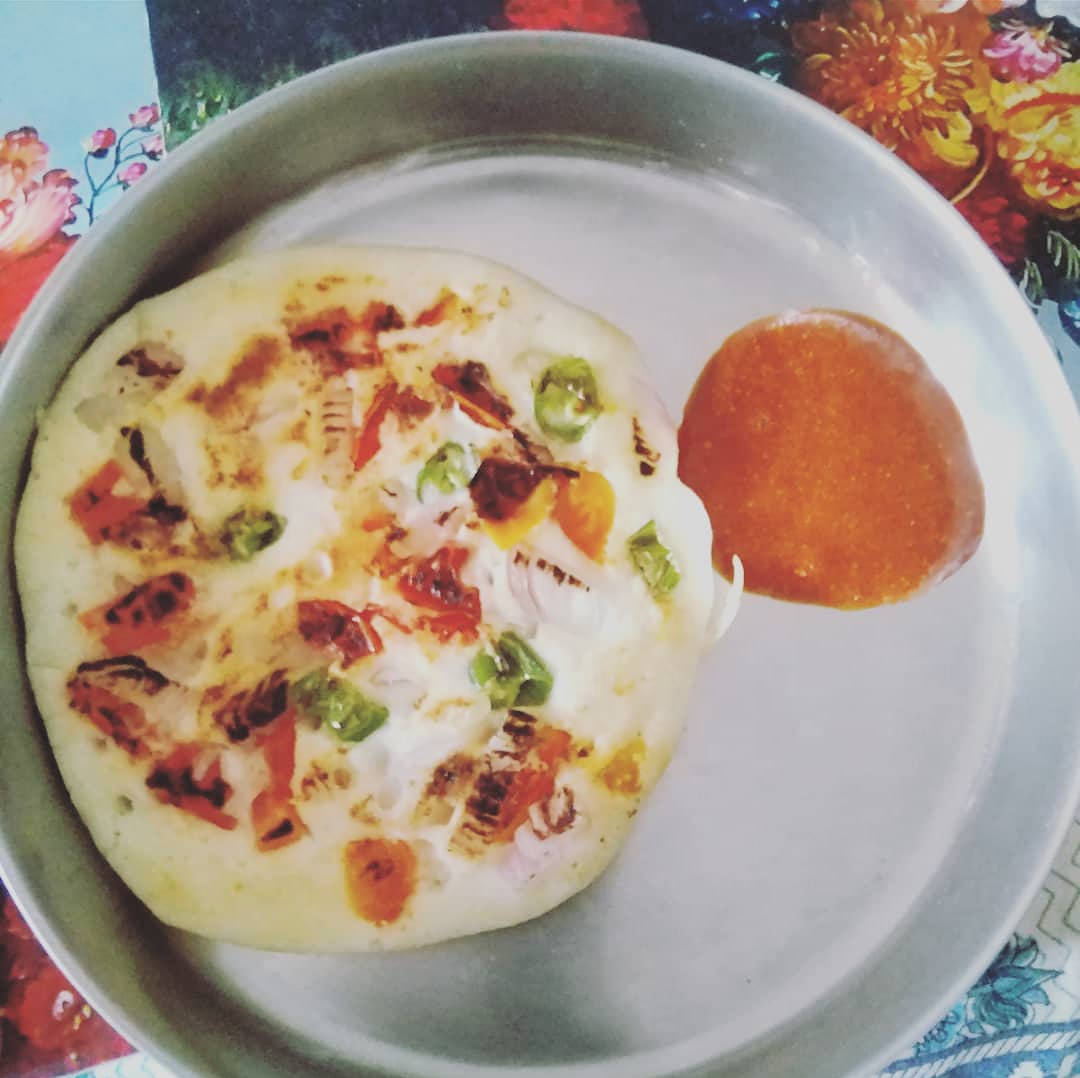
Known in Kerala as oothappam, uttapam is a close relative of the famous dosa. If you ask me (and since this is my list), I think uttapam is the superior rice-based breakfast food. Since I am the only person in this house that likes uttapam, I don’t get to eat it often.
I’ve jokingly referred to uttapam as Kerala-style pizza. It is basically a thick, soft, savory pancake topped with vegetables (mainly onion, tomato, and green chili). You can eat it with sambar and chutney, but I prefer to eat it plain. It’s delicious enough on its own.
2. Anchovy and Sardine Fry
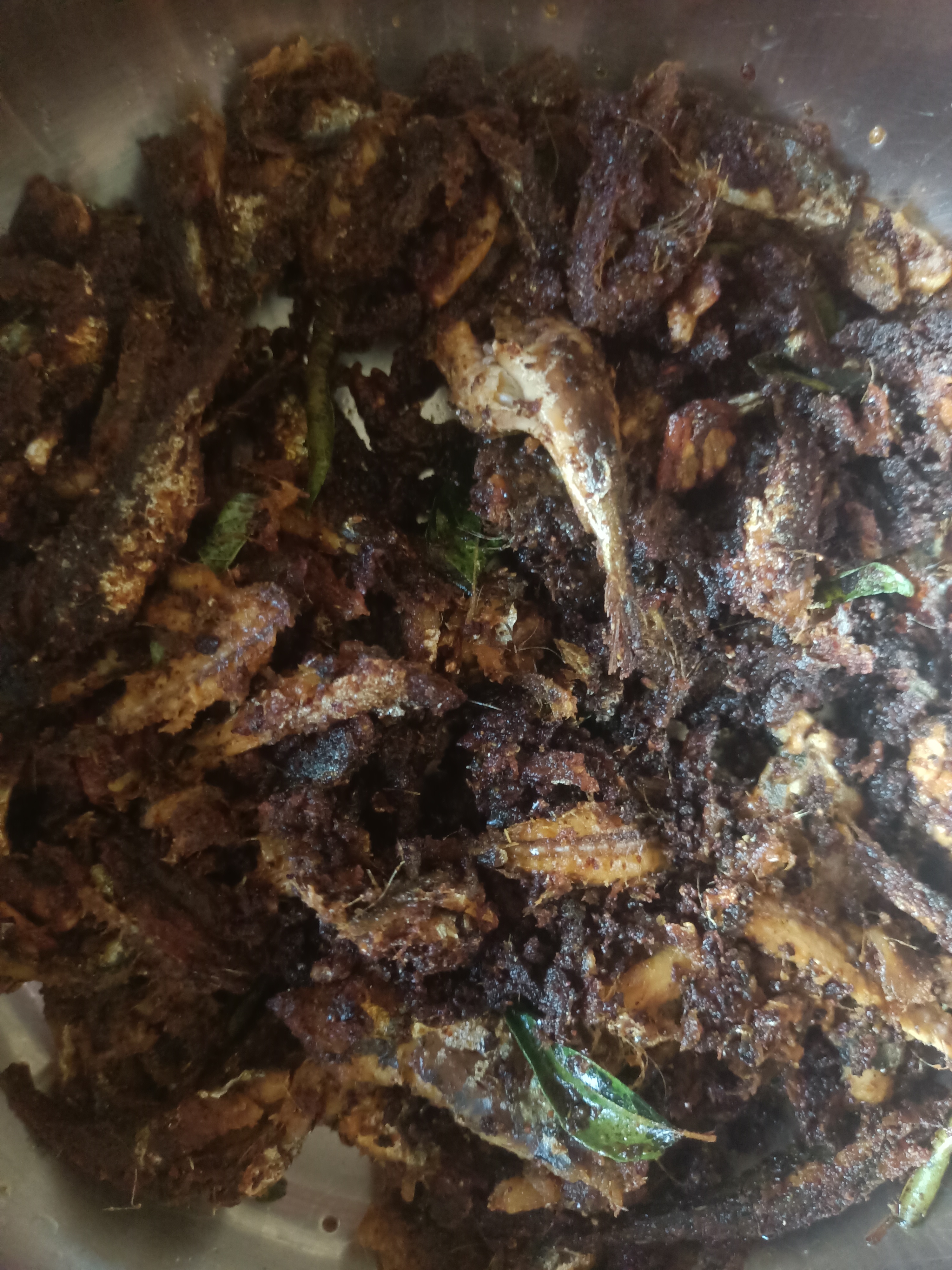
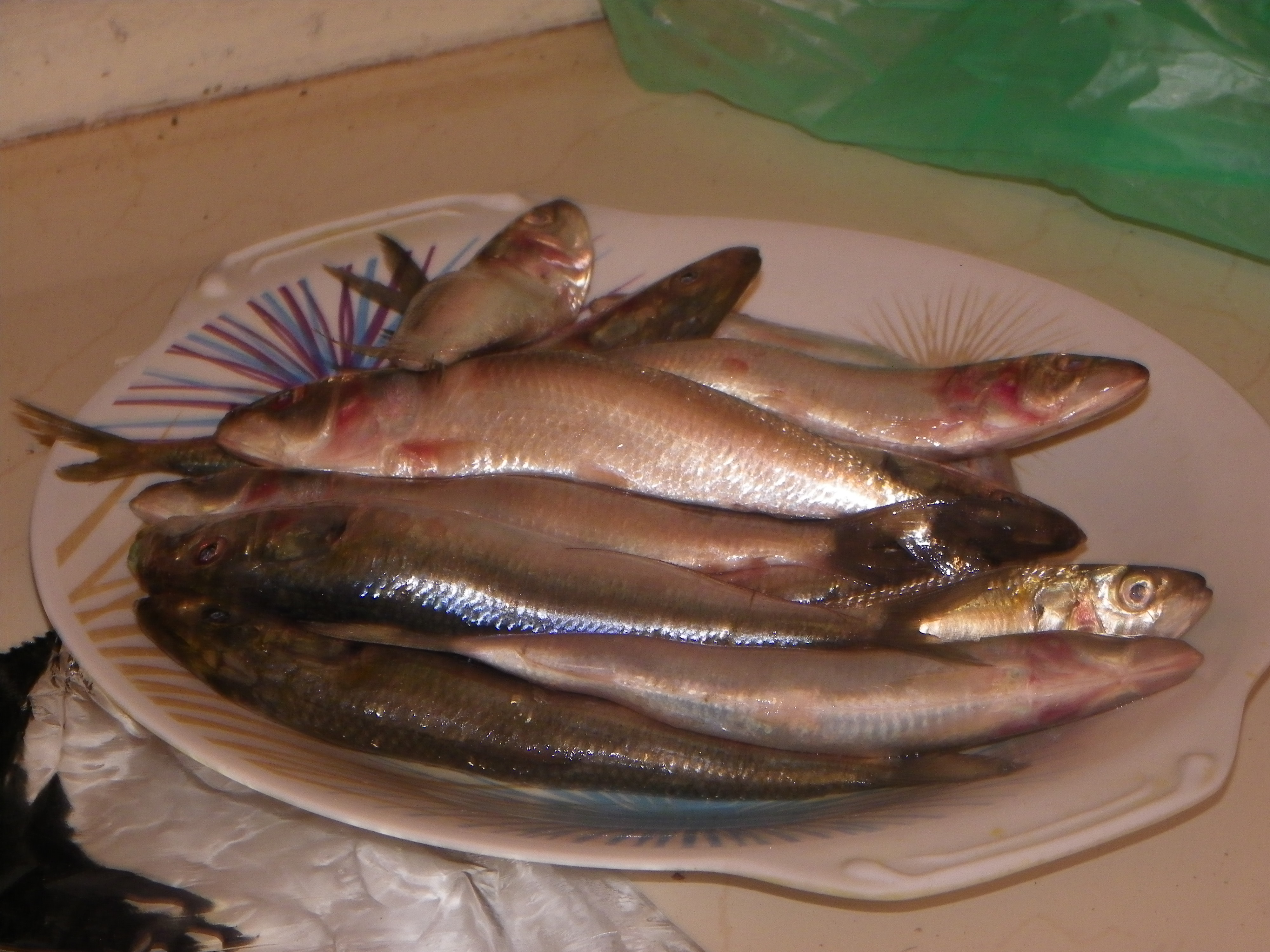
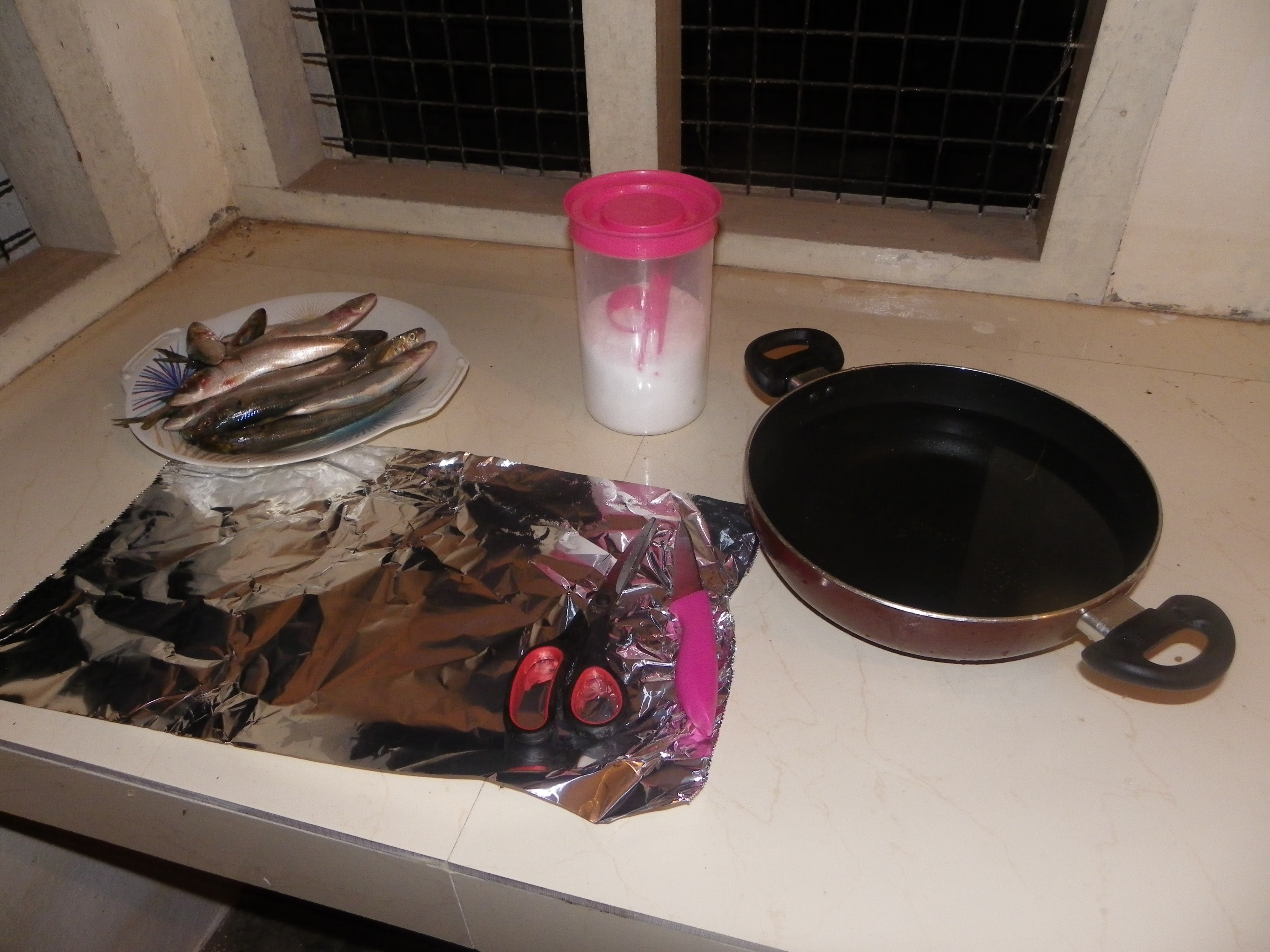
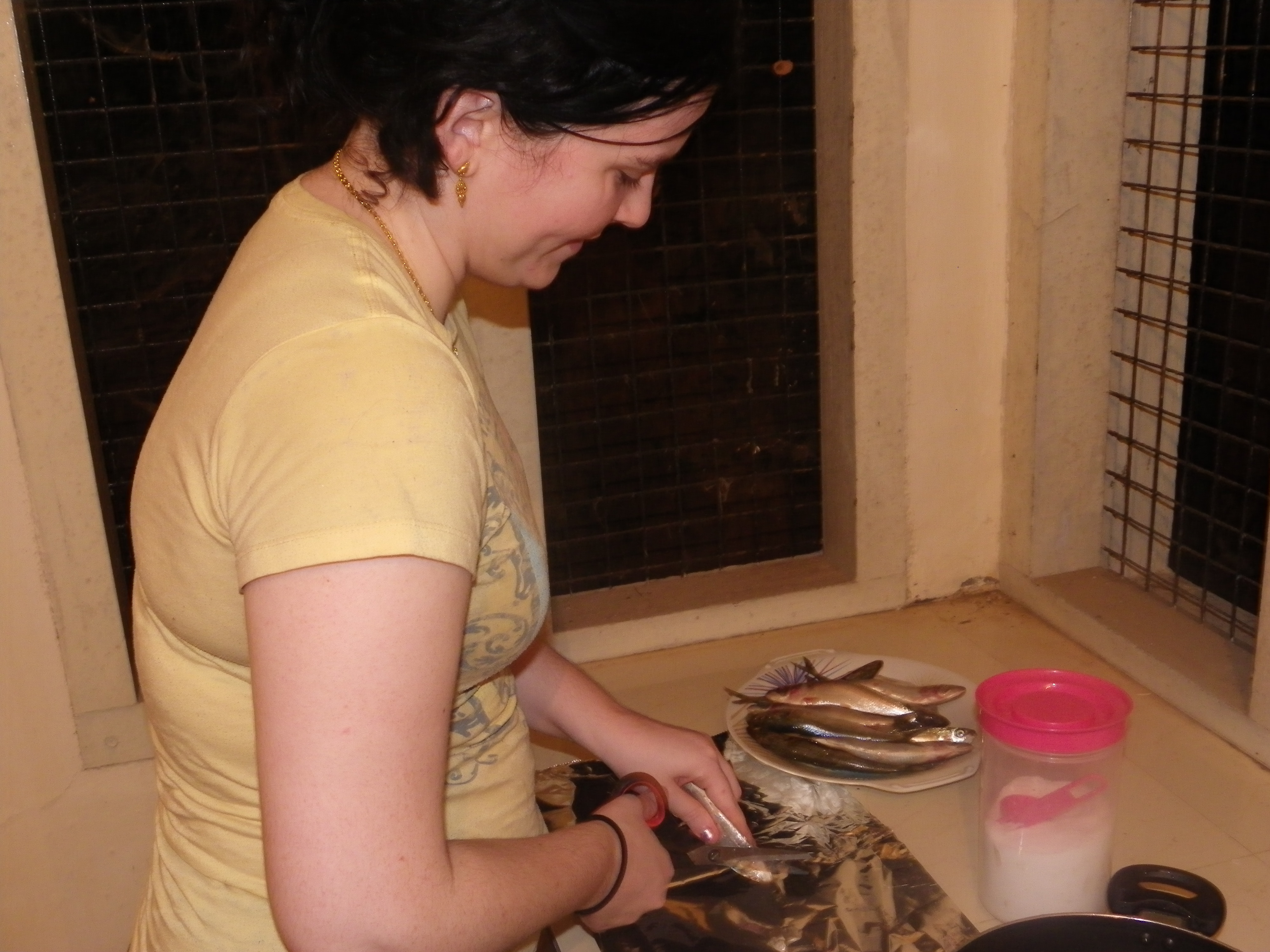
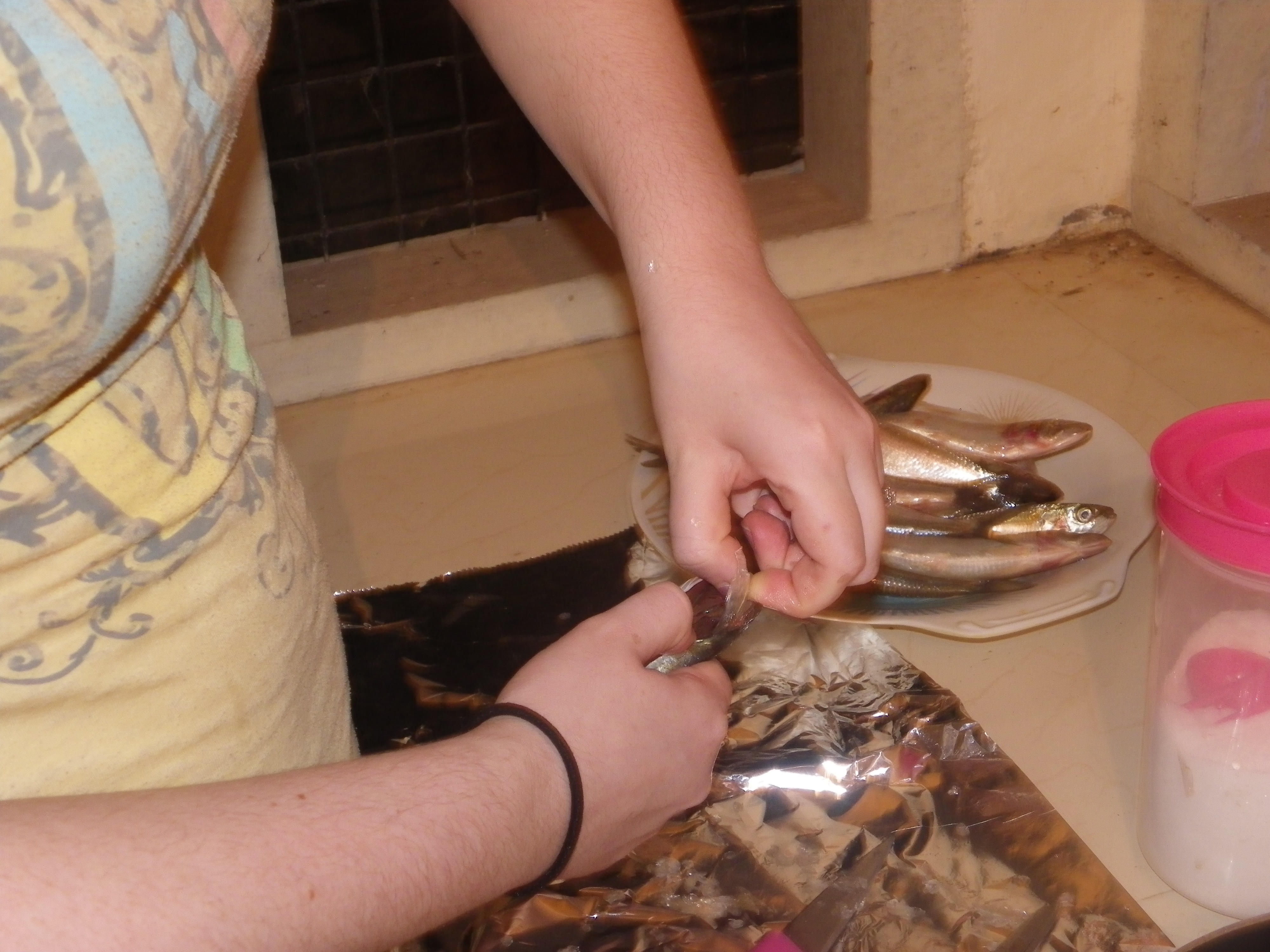
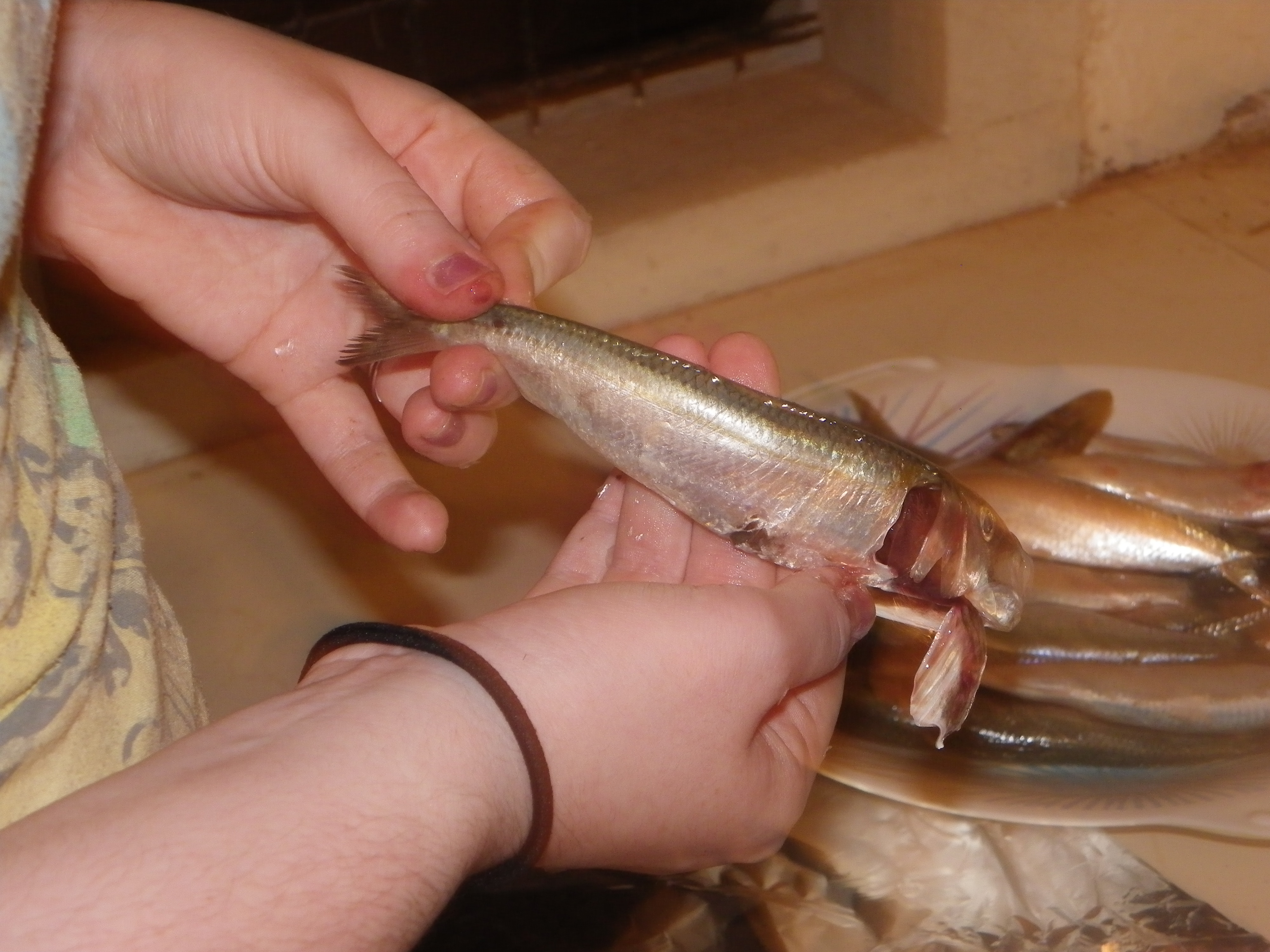
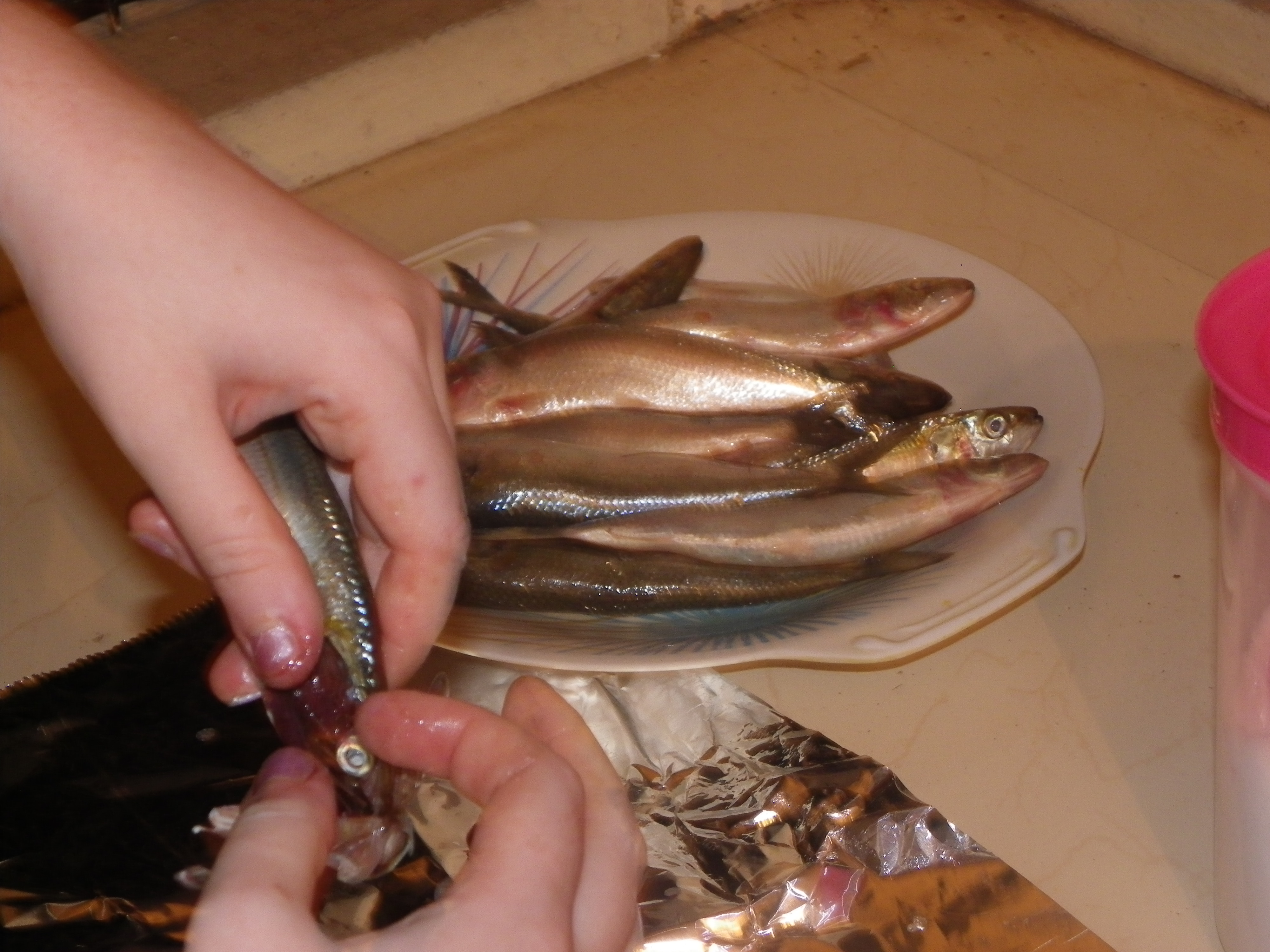
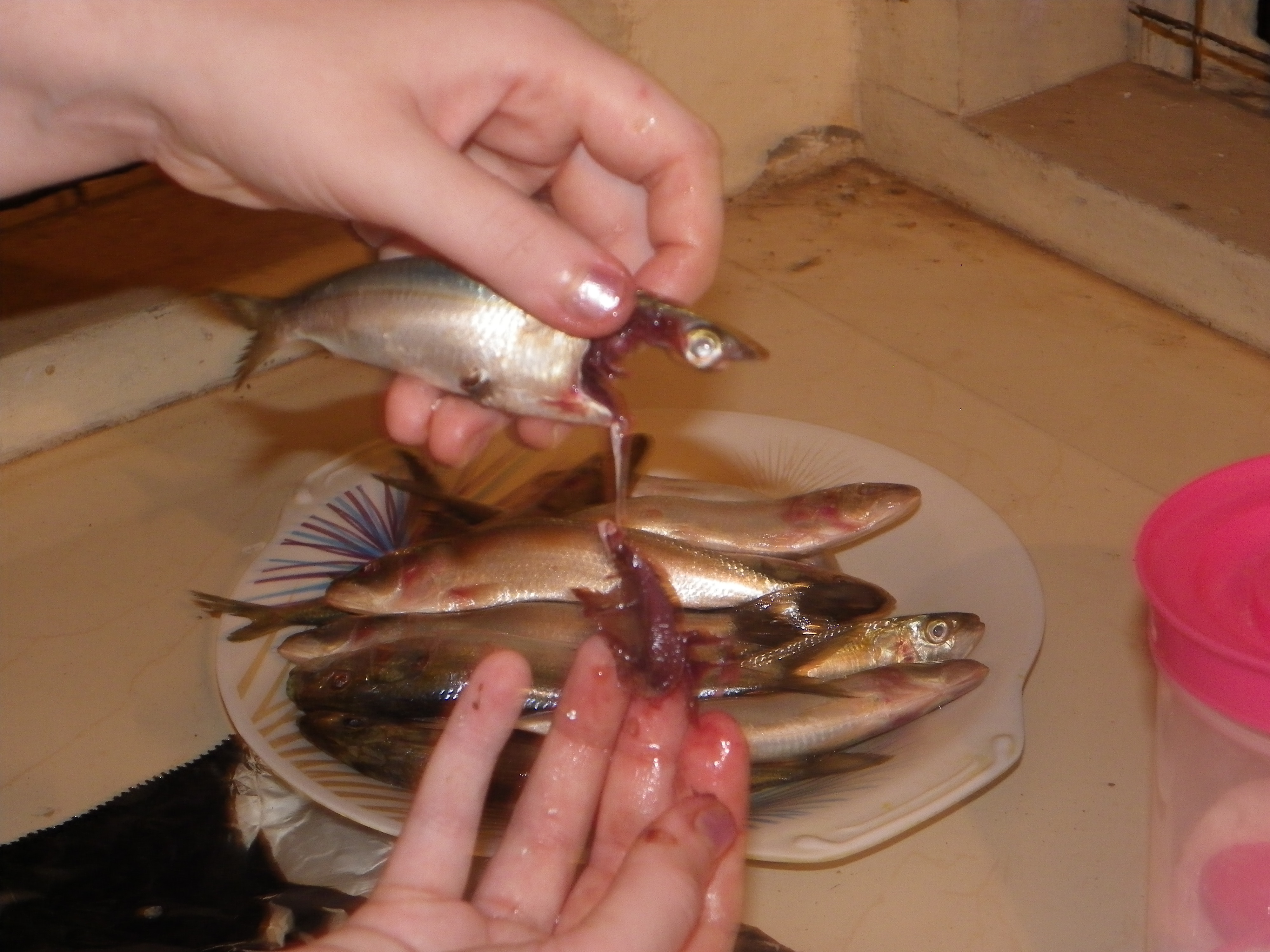
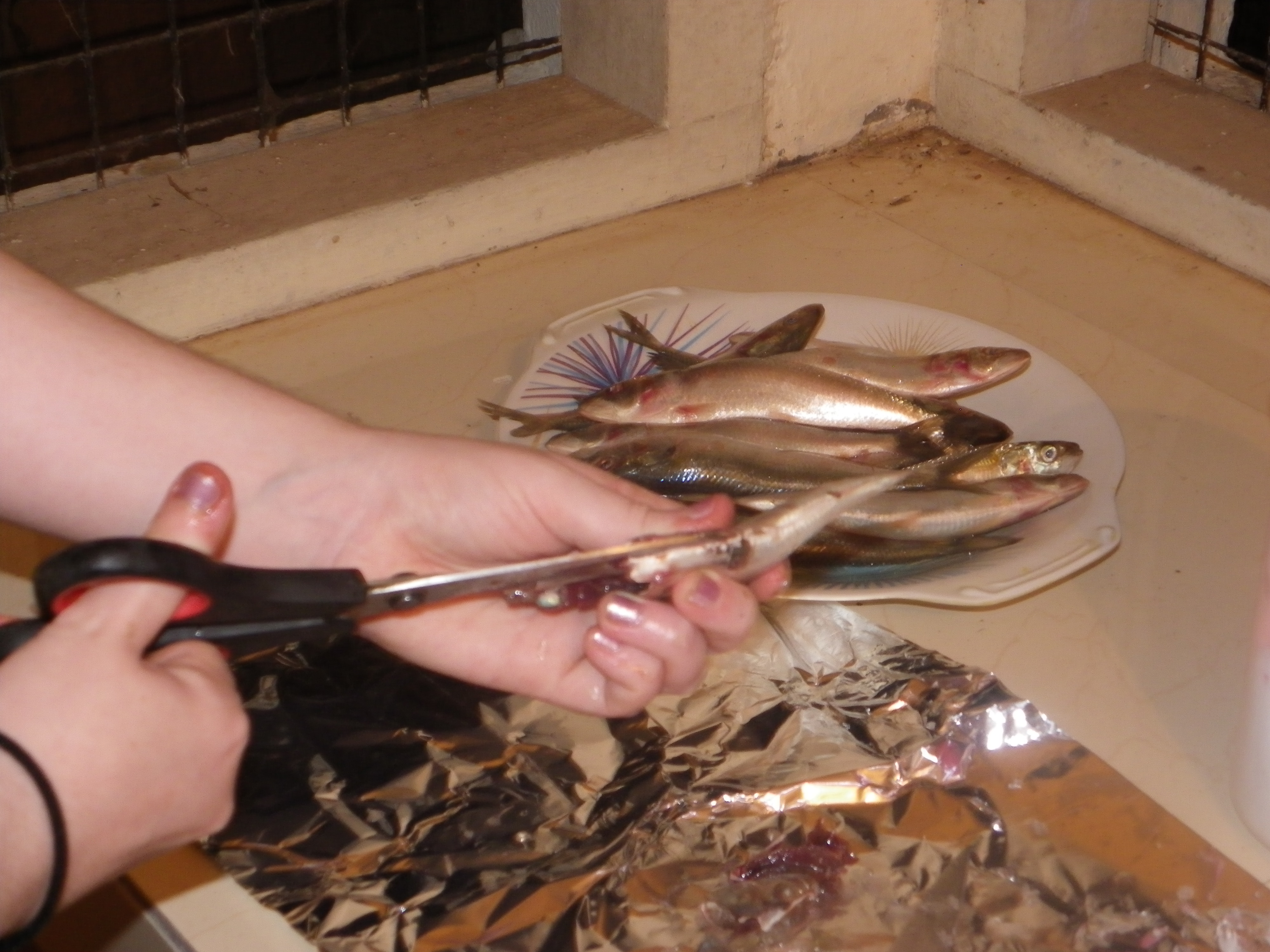
While uttapam is a rare treat for me, nettholi (anchovy) and mathi (sardine) fry are eaten at least twice per week. The fish are cleaned and marinated in a paste made from turmeric, black pepper, red chili, and salt. Then, they are fried until crisp, or if you’re me, until they are almost burnt.
I am not sure what makes these so delicious. But man oh man, couple fish fry with some Kerala red rice, pulissery, and mango pickle, and it is *chef’s kiss.* Man, I’m hungry already, and it’s not even lunchtime!
3. Thoran
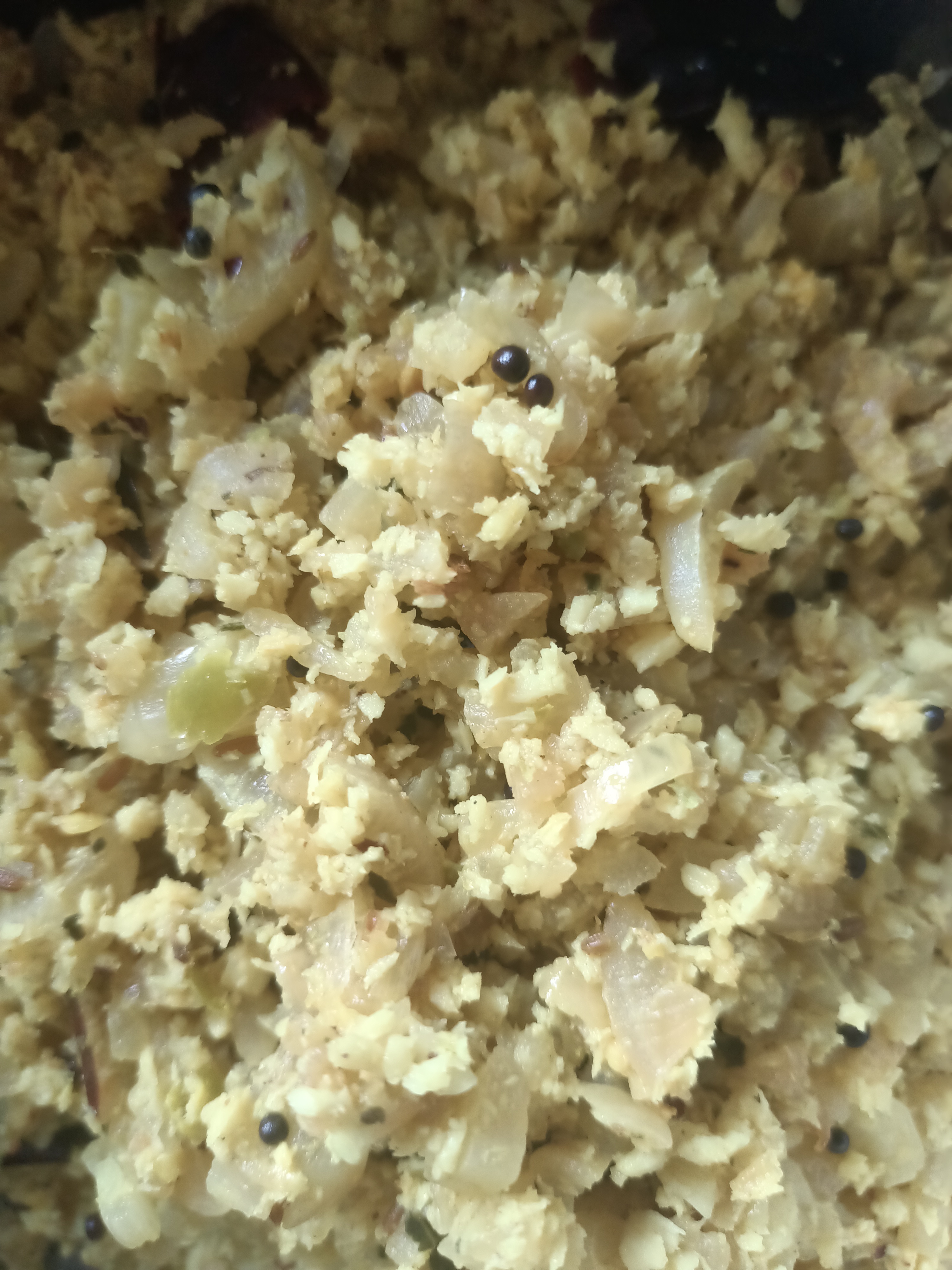
Thoran is a savory dish made from any vegetable you can think of and coconut. The vegetable is diced up, the coconut is grated, and they are both stir-fried to perfection with turmeric, cumin seed, and salt.
I have several types of thoran that I love – cheera (red spinach), beetroot, green beans, banana flower, and chakkakuru (jackfruit seed). Thoran is a dish you will find during meal time at least every other day in many households.
As ubiquitous as this dish is, I had a hard time finding it on any “best Kerala foods” lists!
4. Ghee Rice/Neychoru
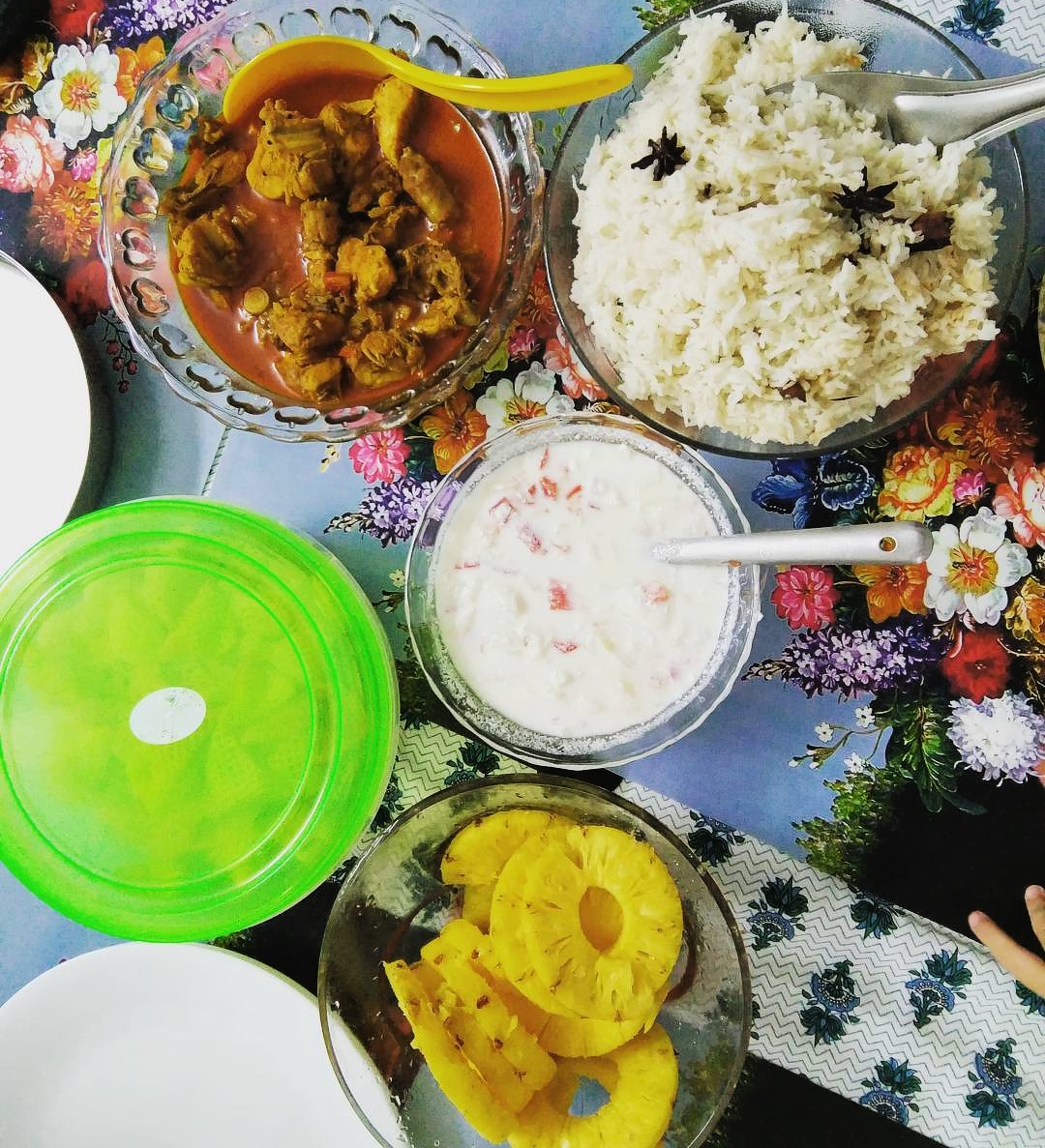
Ghee rice is self-explanatory. It’s made using a short-grained rice and ghee. However, whole spices like cinnamon, cardamom, cloves, and star anise are added for flavor, and the rice is topped with fried cashews, raisins, and onions. For me, the best part of this dish is the fried onions. Just hand me a plate of those please!
Let me pat myself on the back – I’ve perfected this dish. I received praise for my neychoru every time I make it. I serve it with chicken or mutton curry, raita, pickle, and papadum.
5. Bitter Gourd/Pavakkai Fry
Way back when I was in my first trimester and sick as a dog, I didn’t want to eat anything within a hundred-kilometer radius of our Calicut home. Nothing sounded good, and everything smelled terrible. One day I worked up a small appetite and asked Zac to bring me a veg meal from a nearby restaurant. By some small miracle, they served pavakkai fry in my meal that day, and I ate every last bite.
Pavakka, or bitter gourd, is a contentious vegetable. People either love it or hate it. It does have a bitter taste even after it’s cooked. I can eat pavakka in any type of recipe, but this one is my favorite. Similar to the fish fry, it’s marinated in a masala paste after slicing. Then it’s fried until it’s crispy. It’s normally eaten along with rice.

6. Pulissery
Pulissery, also known as moru curry, is a curd-based curry. It can be made with only curd or with things like ash gourd, pineapple, cucumber or taro root. It’s usually tempered with mustard and fenugreek seeds, dry red chilis, shallots, curry leaves, and turmeric.
This is one of my favorite accompaniments for rice. But I could drink pulissery on its own. It’s that good.
7. Brinjal Fry, South Indian Style
I’m not entirely convinced this is a pure Kerala dish, but I’m including it. Brinjal, or eggplant, is much smaller here than in the US. I find it tastes better, but I’m unsure if it’s the vegetable itself that’s better or if it’s the preparations.
Anyway, this dish is made by slicing the brinjal, and then marinating it in a masala paste (see a theme yet?). It’s then fried until the edges are crisp, and the centers are soft. This is one dish I don’t make often because I eat them until they’re gone. Even if it’s in one meal. I have no shame.
8. Kappa and Meen Curry
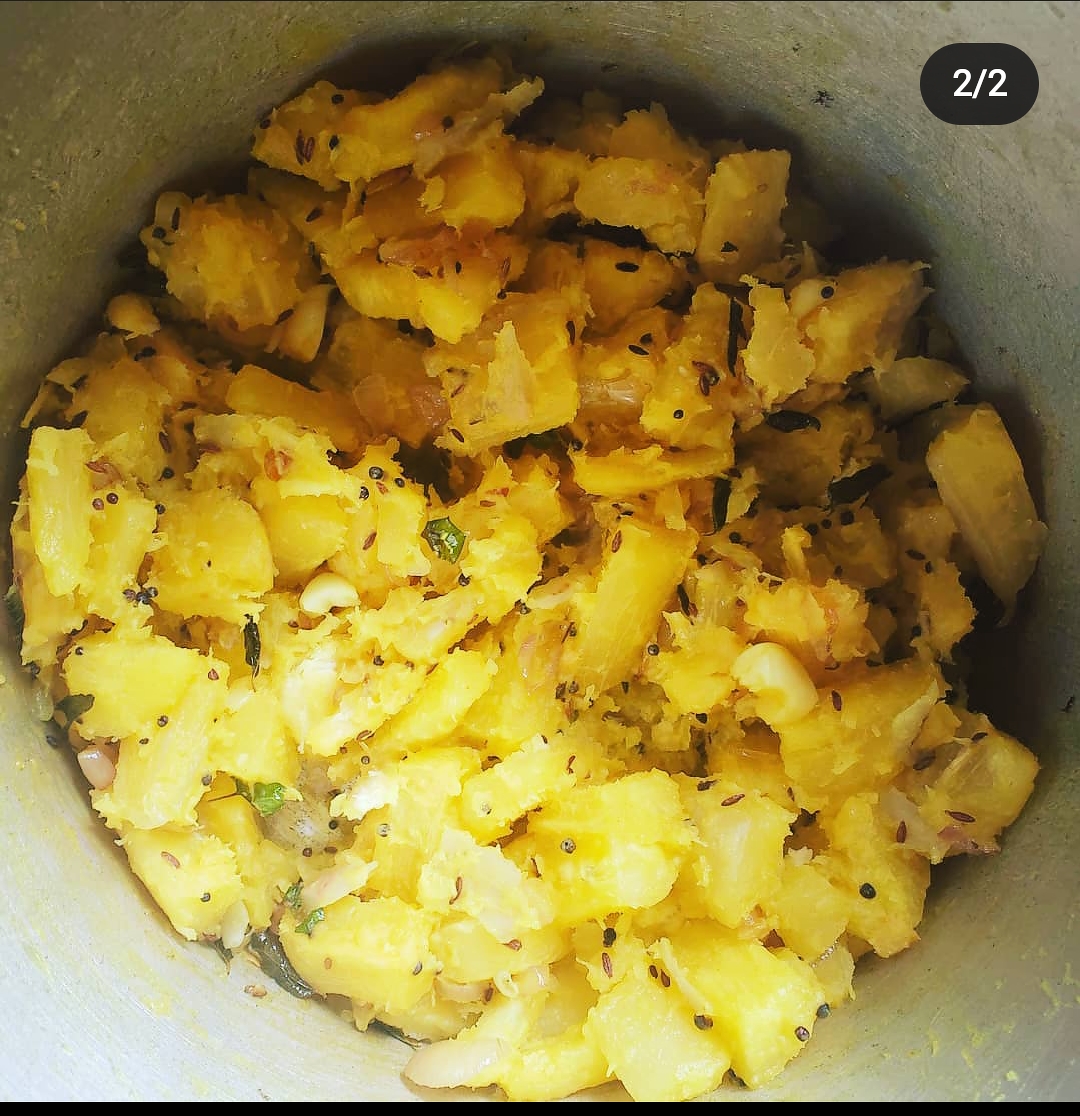
Okay, THIS is a popular dish, and one you will see on the “popular Kerala foods” lists. Many years ago, kappa, also called cassava, was considered a poor man’s food, but you’ll now find it in almost every five-star buffet! The cassava is boiled, mashed, and cooked along with coconut, mustard seeds, dry red chilies, and curry leaves.
Kappa is served with all kinds of curries, but I think the best combo is with red fish curry. It’s another one of those tangy, sour, and spicy curries that I adore, and I go back for seconds, thirds, or fourths of this delicacy!

9. Rasam
For sure, this dish didn’t originate in Kerala, but it’s consumed so widely in the state that I consider it part of local cuisine. I remember drinking rasam for the first time in a dingy Calicut canteen. I watched the locals throw their heads back and down the liquid, so I thought, “Hey, why not?” I lifted my steel cup and chugged the rasam, and my body went into brief shock. How could a soup pack so much flavor?
Like many recipes here, there are a few variations of rasam, but it almost always includes tamarind, black pepper, cumin seed, garlic, and coriander leaves.
Even though it’s more of a winter dish, I’ll down glasses of rasam on a hot summer day. I power through the sweating that comes post-drinking. I can’t get enough of the spicy, sour curries!
10. Thalassery Biryani
I love all kinds of biryani, so I had to put this on the list. Thalassery biryani is a special type of rice dish from Thalassery town in north Kerala.
Unlike most biryanis, which are made using basmati rice or another fragrant long-grained rice, Thalassery biryani is made with a short-grained rice called Jeerakasala.
Similar to neychoru, this biryani is cooked with lots of ghee, but then the rice is layered with cooked meat (chicken, fish, mutton, beef, etc.) and masala, and sealed so the flavors of the rice, meat, and masala blend together. It’s then topped with my faves – fried onions, cashews, and raisins.
One of the best biryanis I’ve ever had was from a little Thalassery biryani shack in Trivandrum. I tried a fish biryani that time. Everything aligned for that meal – the spices were just right, the amount of ghee was perfect, and the rice was neither too dry nor greasy.
One Dish That I Hate:
1. Puttu
I never felt more validated than when I read a story in March 2022 about a boy who wrote an essay on how much he hates puttu. Same, buddy, same. While the boy says it “breaks relationships” (I can only imagine!), I won’t go quite that far.
Puttu is always found on those “must try Kerala foods” lists, and I don’t get it. I have tried it in every possible way, and it’s not for me. It’s dry. The texture is gritty. And it tastes like paper. Sorry, Malayalees, please don’t kick me out (I also hate jackfruit)!
What are your favorite foods, whether they are from Kerala or elsewhere? What foods do you hate so much you want to toss them out the window when you see them? Let me know!


 An American in Kerala