The sambar deer belted out its alarm call, staring into the treeline across the dried-up river bed. Safely perched atop the cliff in our gypsy, we watched the tensed animal as it decided how to avoid a terrible fate.
“There’s a tiger in there,” both our driver and guide agreed. But it wasn’t coming out.
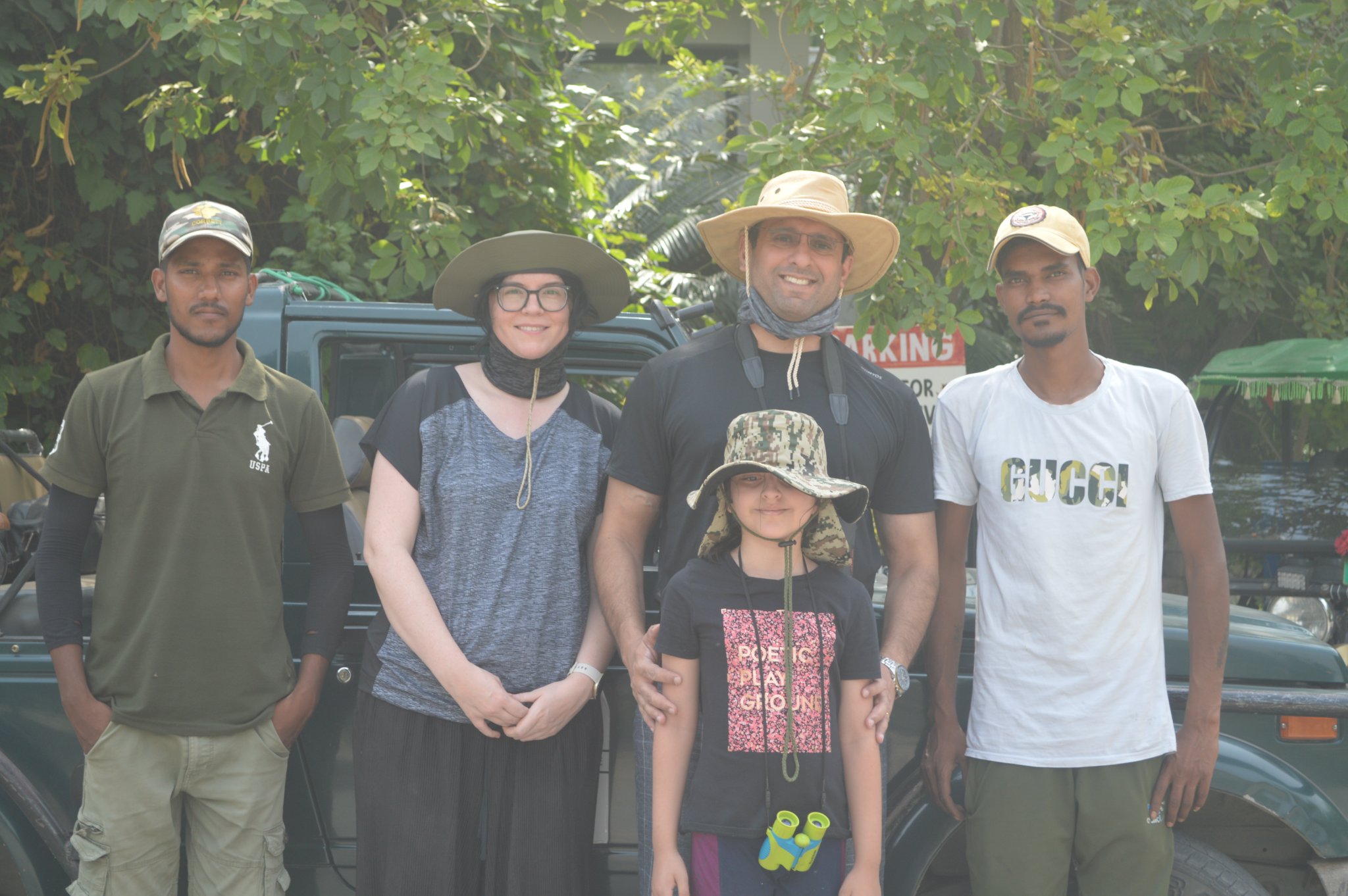
Five trips into the Dhela and Jhirna zones at Jim Corbett National Park, we had seen so many other amazing animals, but the tiger remained elusive. Our gypsy driver, Ravi Kashyap, and park guide, Chandan Singh Negi, told us that our best option was to wait on the cliff and see what happened. They were certain a tiger was resting just beyond our line of sight. Whether it would decide to come out was another thing.
Our fifth safari seemed to be on the hottest afternoon. As we waited in sweltering heat, my clothing soaked through with sweat, and my scalped itched under my broad-rimmed hat. Even though I had layered on sunscreen, I could feel the sun burning the skin on my arms.
I looked at my watch. Hardly fifteen minutes had passed. “Shouldn’t be much longer,” I thought. “That tiger must be thirsty in this heat.”
An hour later, the deer still milled about in its corner of the river bed, not moving beyond a perceived imaginary line. No further signs of the tiger. I was losing hope. The safari timing would be over soon.
A rhesus macaque in a nearby tree suddenly screeched in alarm. We watched as it stared in the same area as the deer had looked, and it hissed, screeched, and shook the branches. Other macaques soon followed. But after a few minutes, the excitement died down and things went back to normal.
I watched the treeline. Still no tiger. I started watching the birds in the trees surrounding our vehicle. How long would we sit here? At what point do you give up? Is it worth-
“Tiger, tiger!!!” our guide hissed, pointing at the riverbed. I stood up, turned on my camera, and started snapping photos before I even saw her. And there she was.

The tiger strode out of the treeline with what I can only describe as pure confidence and majesty. I know I’m personifying, but cut me a break. She glanced at the deer that cowered a short distance from her, but she didn’t want a meal at the moment. She needed a cool-down.
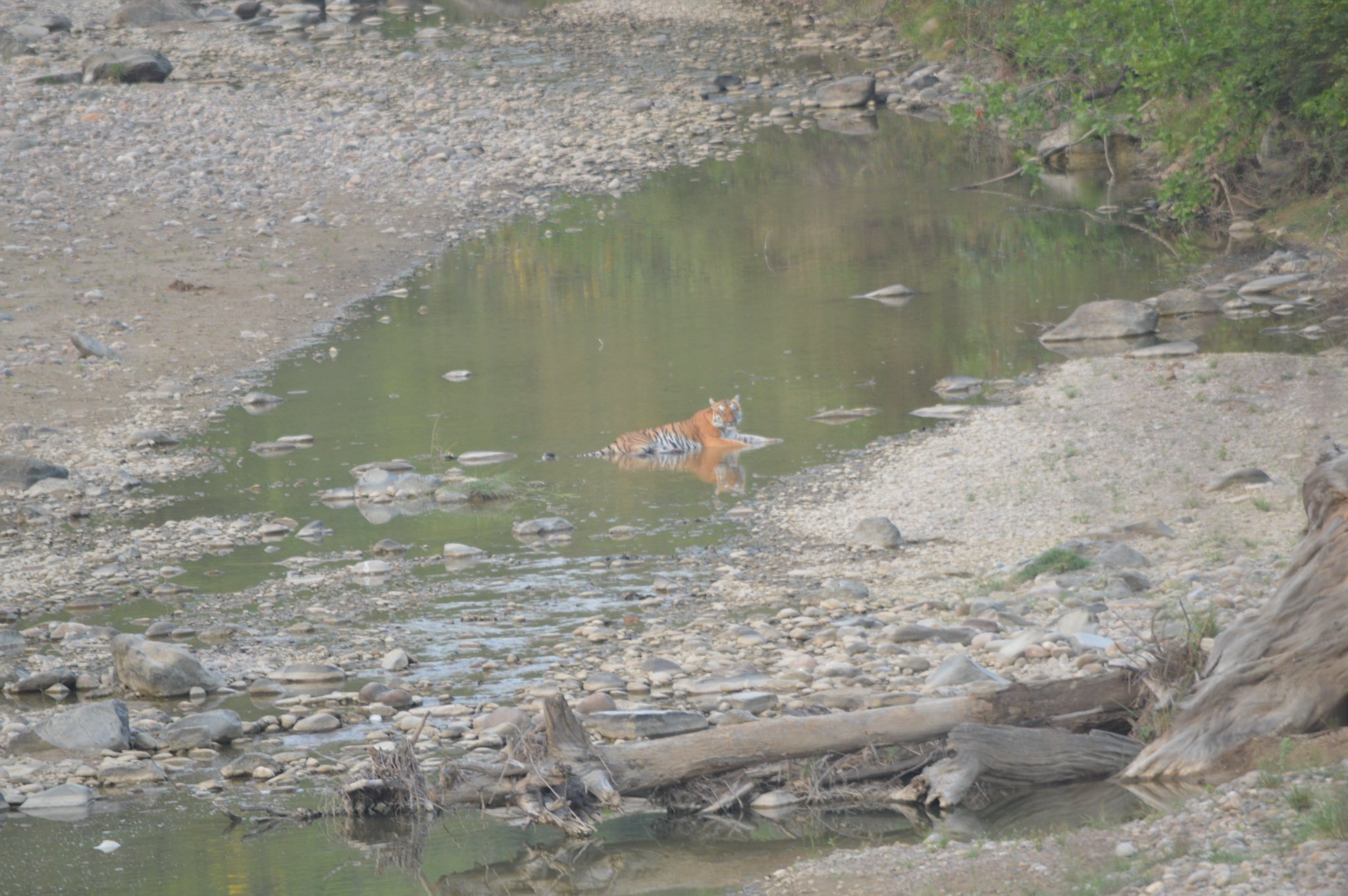
Since moving to India, I’ve had a handful of experiences that have felt surreal. I feel like I’m watching myself go through the moment. I get gooseflesh, and a warmth blooms in my chest. Like, who am I to see these things? Who am I to stand in front of the Taj Mahal? Or to touch the bullet-ridden walls at Jallianwala Bagh? Or to watch a Bengal tigress enjoy the cool water on a hot afternoon?
You know what? I’ll share a few more photos before I keep writing. She’s so magnificent and terrifying.

“What’s that noise?” 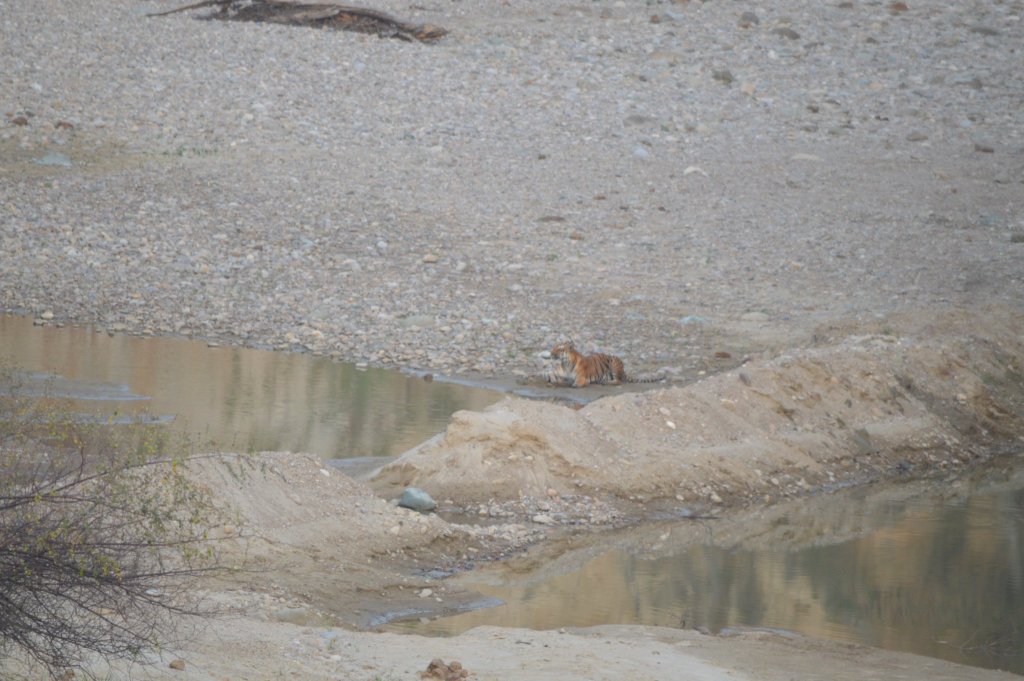

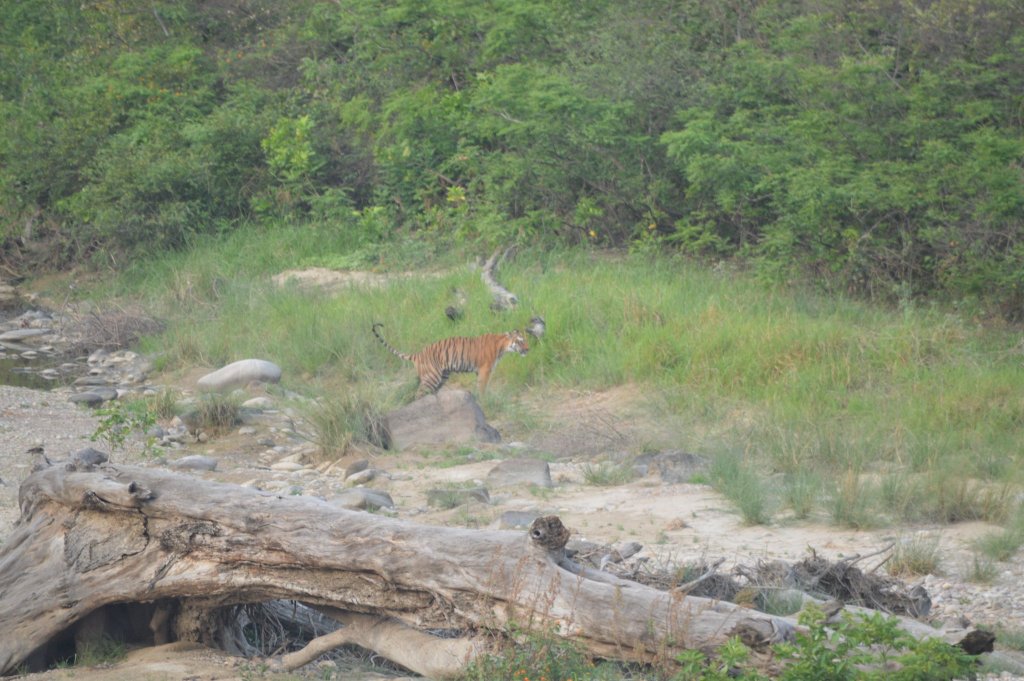
While I took video of the tiger, a great hornbill soared overhead, and by pure luck, I got them both in the same video. We didn’t see another tiger full-on during our remaining safari, but we were as excited to see “the tiger of the skies” twice. The great hornbill looks like it’s straight out of prehistoric times.
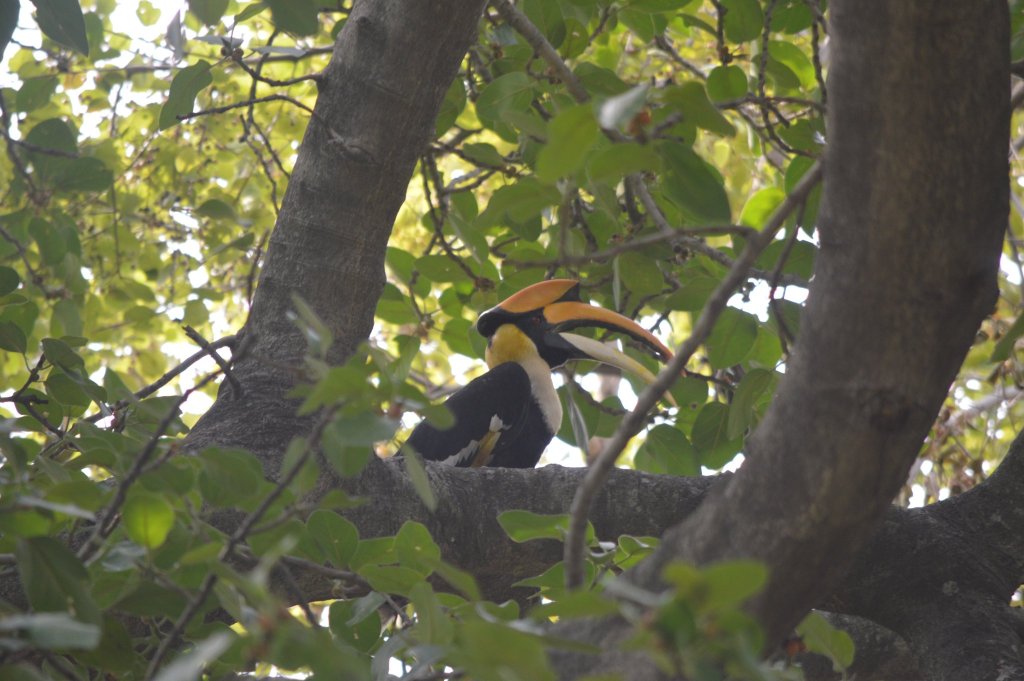
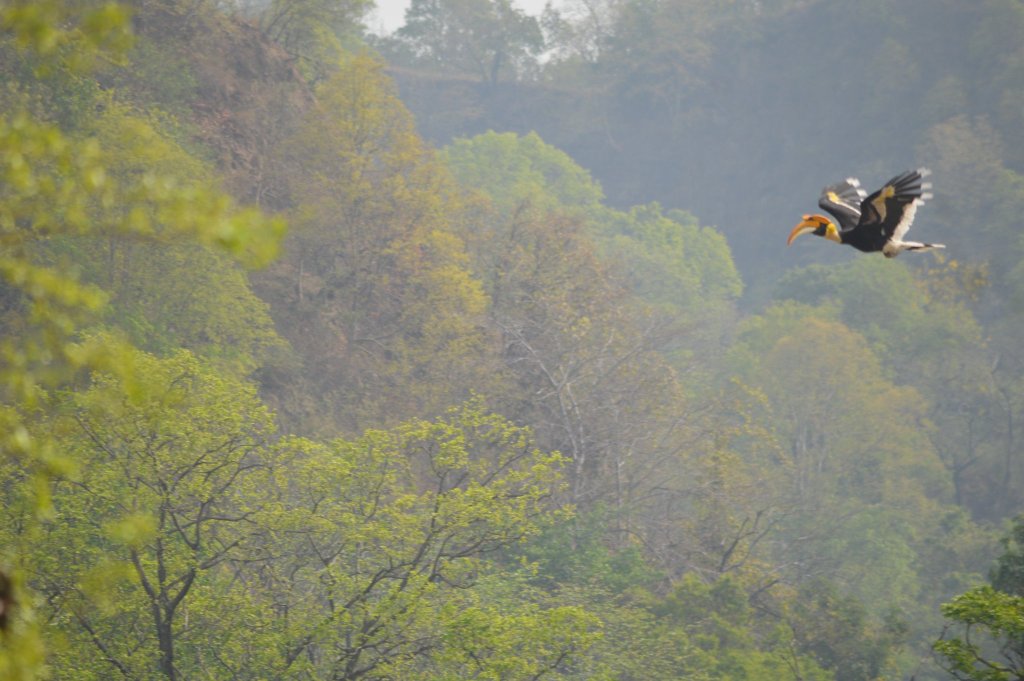
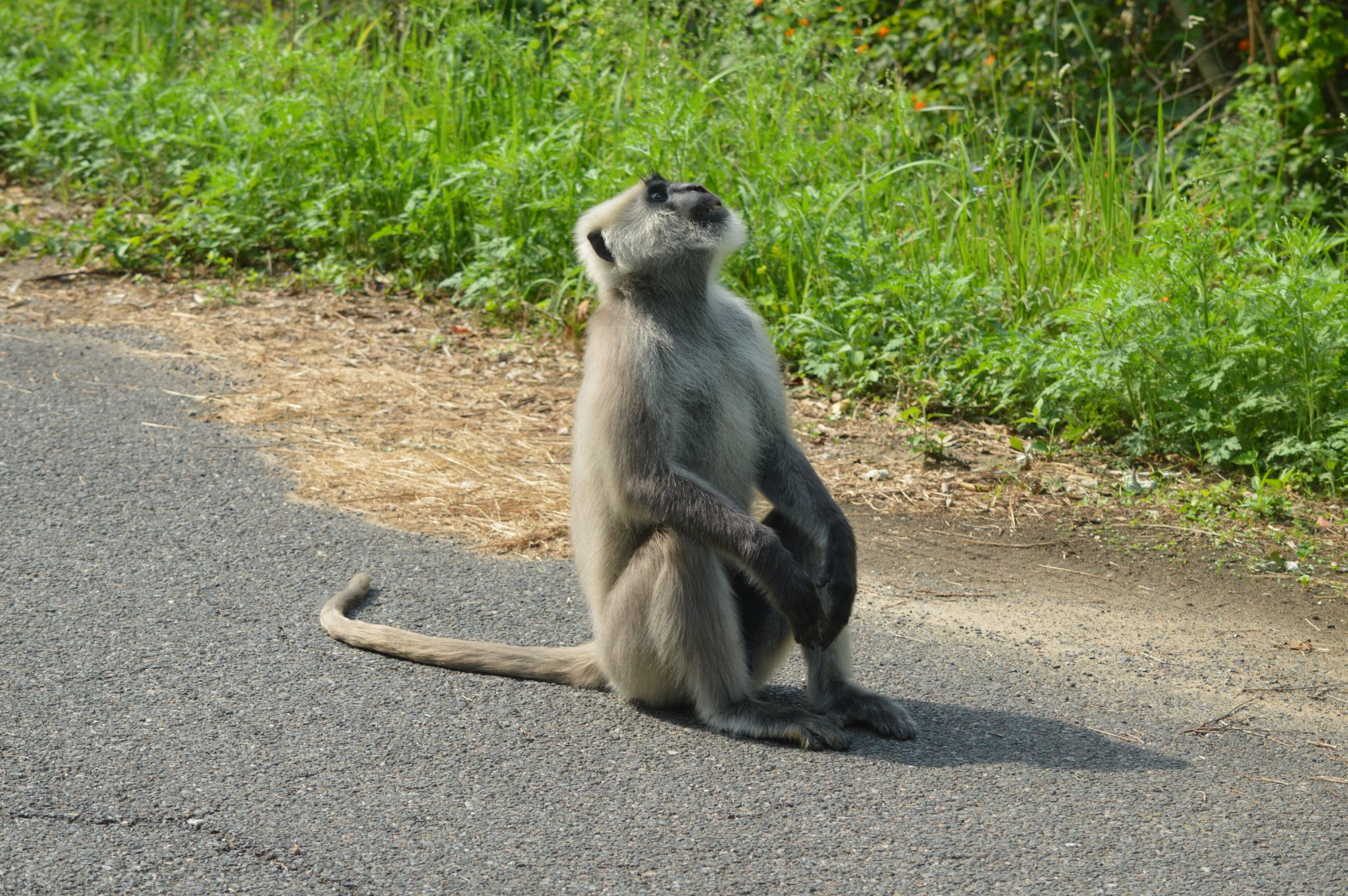
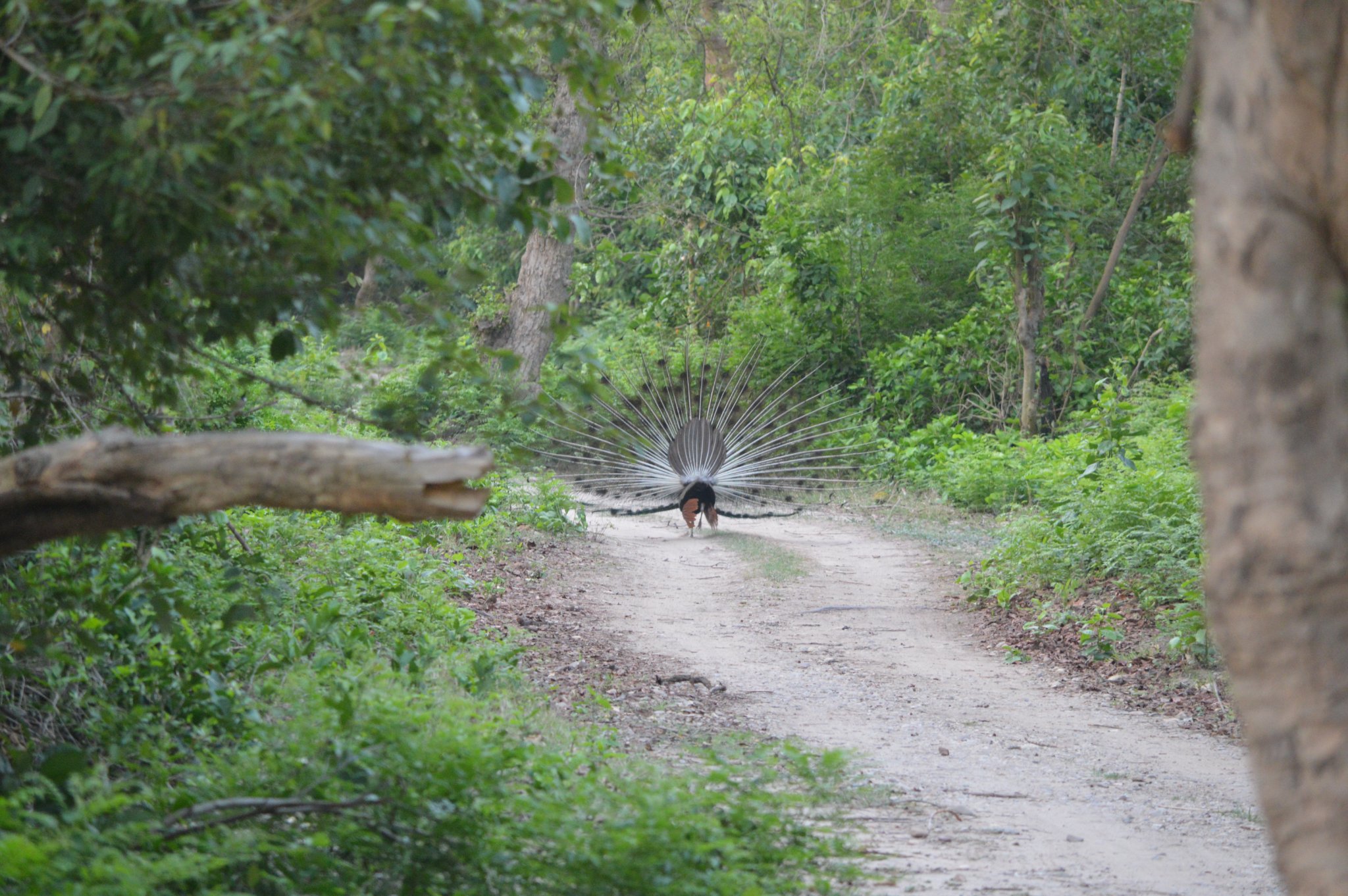
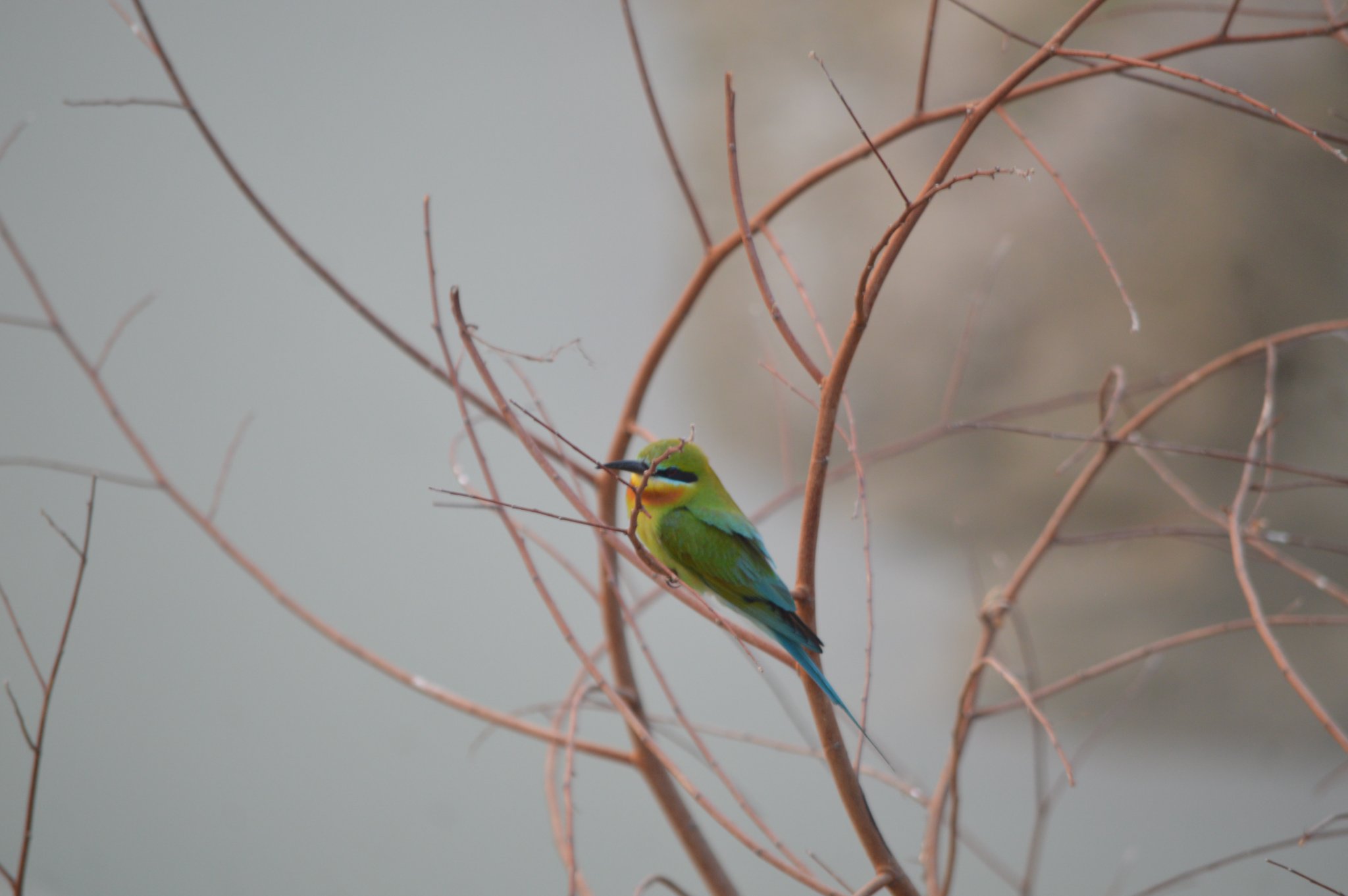
Each animal we saw at Jim Corbett National Park was given equal importance. From tigers and elephants to the smallest birds, our driver and guide showcased them all. In fact, our driver, Ravi, had eagle-eyes and spotted most animals and birds well before we could.


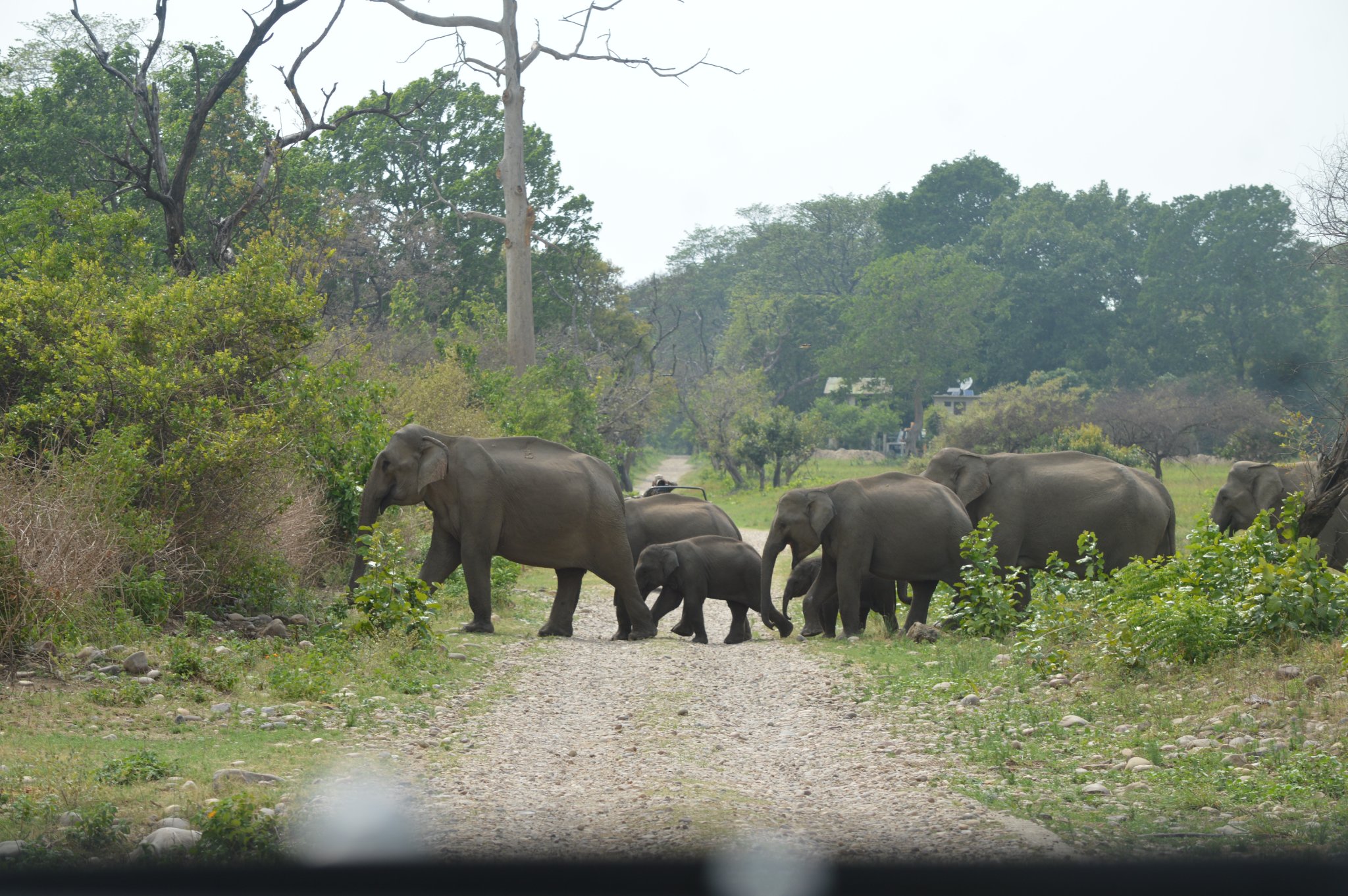
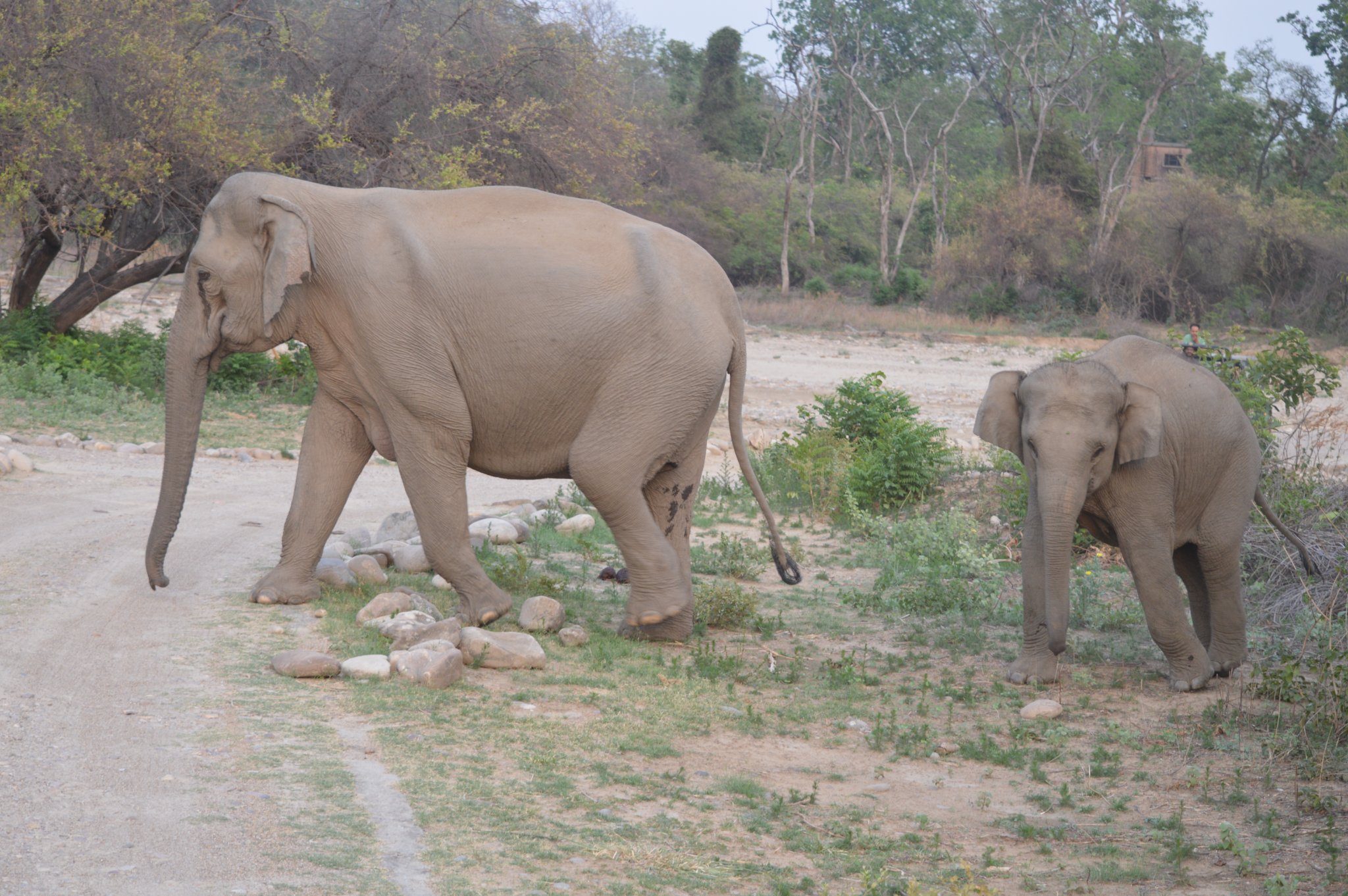

During our stay, I stumbled on a negative comment on social media about Jim Corbett National Park. The person complained the visit was a waste of time for her and her young son. They didn’t see any animals. Zoos are so much better. I told Zac when I read the comment to him that I wanted to share it here and use it as a teachable moment.
First, what the comment said is patently untrue. There are animals everywhere in Jim Corbett National Park. The forest teems with life. You can see it, hear it, and even smell it.
The reserve forest is thriving. We saw huge termite mounds up and down the dirt roads we traveled on. We heard sloth bears, barking deer, and birds in surround sound. And more than once, we smelled the putrid scent of death – nature returning an animal back to the earth.
Second, the above being said, if you go on only one safari, your chances of seeing the big guys (elephants, tigers, sloth bear) are small. Heck, we went on six and didn’t see a tiger until the fifth!
Jim Corbett National Park is a thick, deciduous reserve, and it is difficult to spot animals. The more often you go, the more likely an animal will cross your path. Remember, these are wild animals. They don’t exist for our entertainment. You need to be willing to put in the work and patience to appreciate these animals in their habitats.
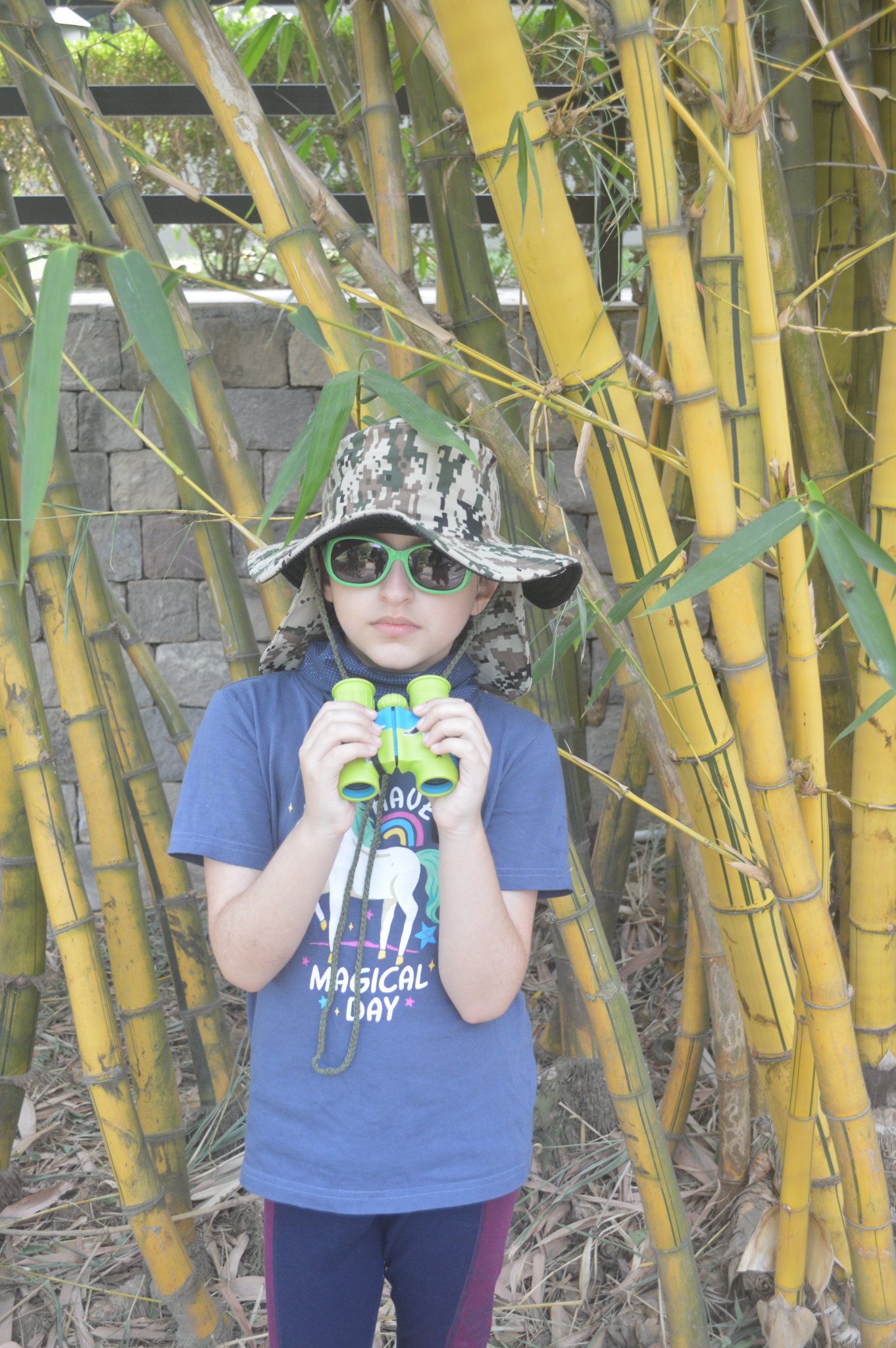
And third, don’t take small children on these long safaris. I saw people with infants and toddlers in the hot sun, driving around on bumpy, forest roads. Please, don’t do it. Wait until they’re older, and they can appreciate what they’re experiencing.
The morning rides were my favorite, even though it was too early for coffee. With the fresh cold air whipping through my hair, watching the open fields and expanse of trees, I forgot I was in India.
Instead, I was seven years old, riding with my dad in his pick-up truck through the dirt roads of Sullivan County, Pennsylvania, searching for white-tailed deer and black bear.
I’m not sure if it was even a real memory. But for a few seconds, my two homes, different in so many ways, were tied together in my heart. And that’s something precious I will always remember.
So, if you love and appreciate wildlife, visiting the oldest tiger reserve in India is worth every rupee. But you need to put in the work. Book a few safaris. Absorb everything you see. Breathe it in. Listen to your surroundings. Life is everywhere.
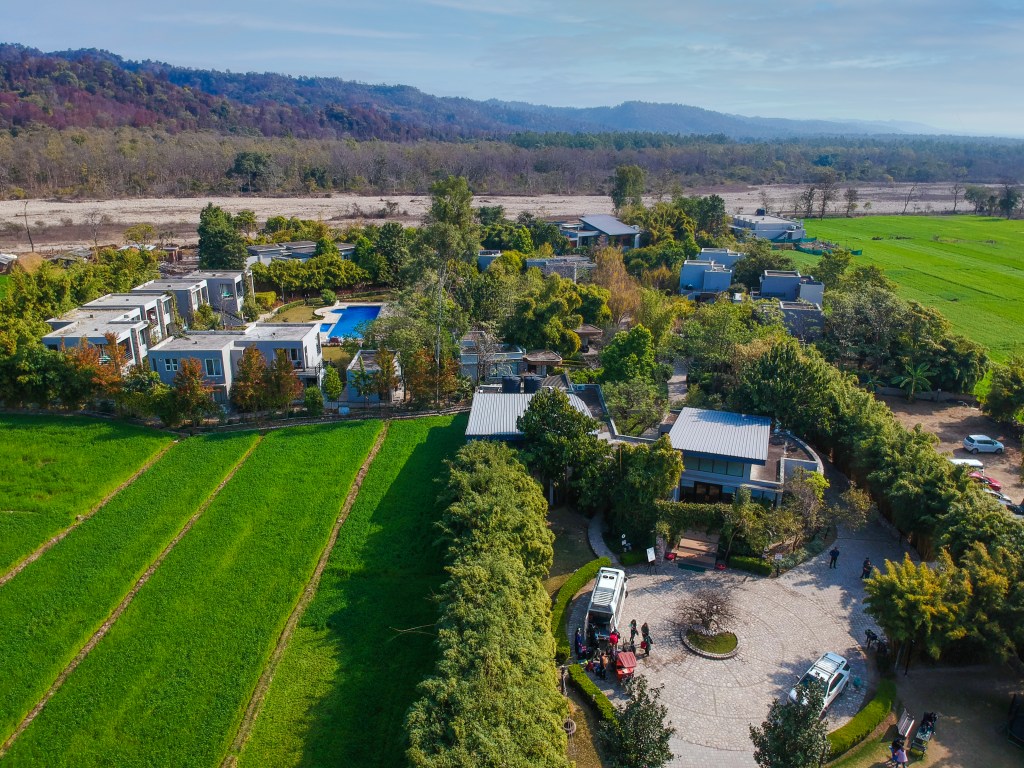
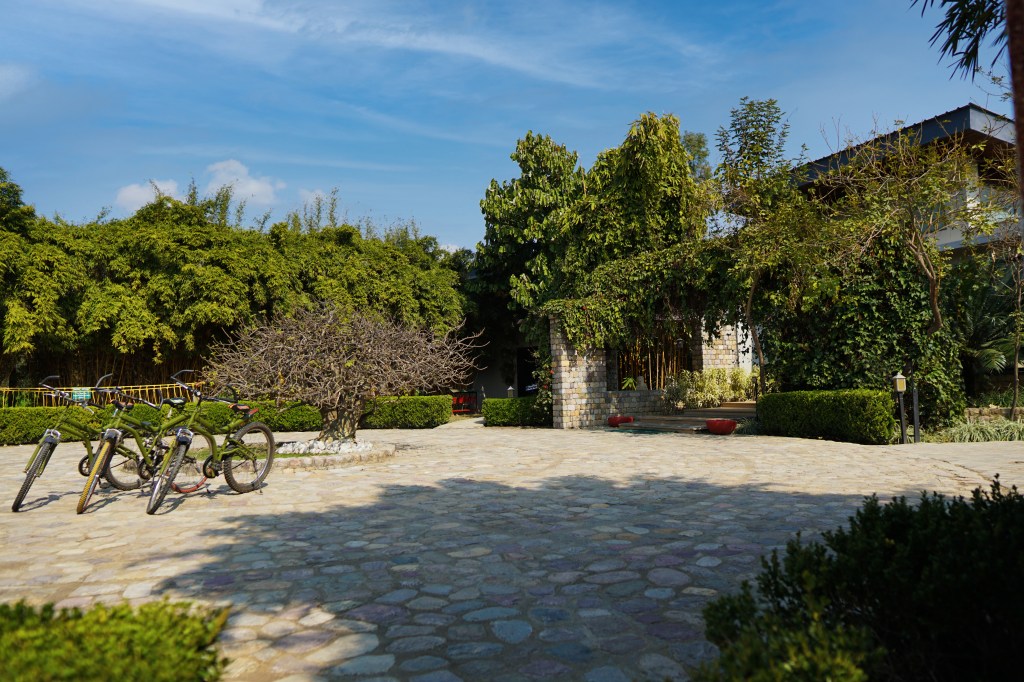
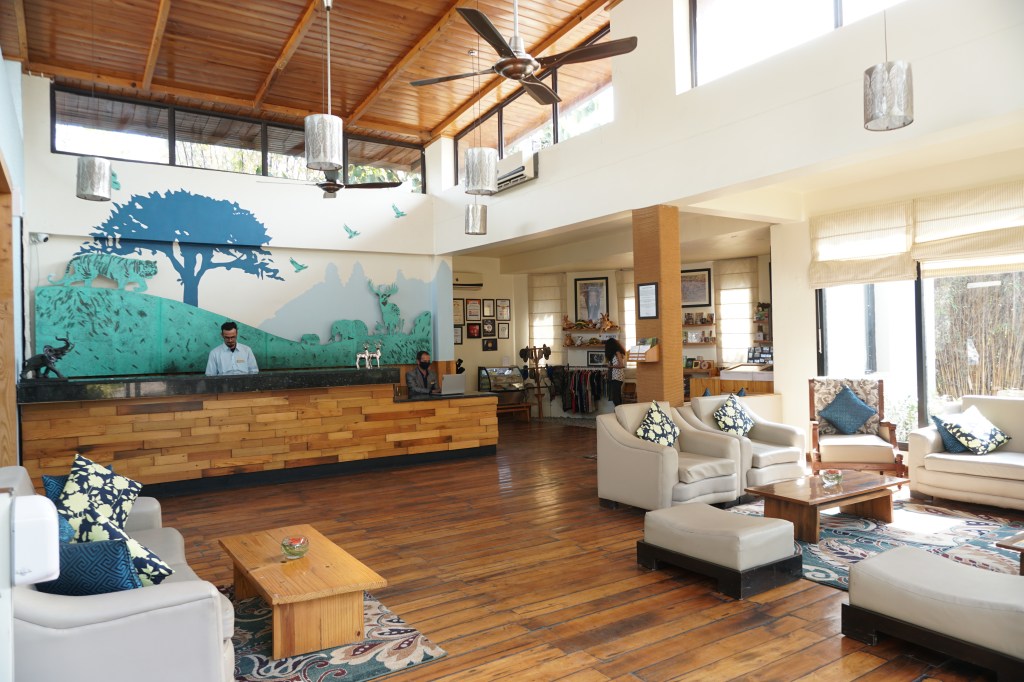
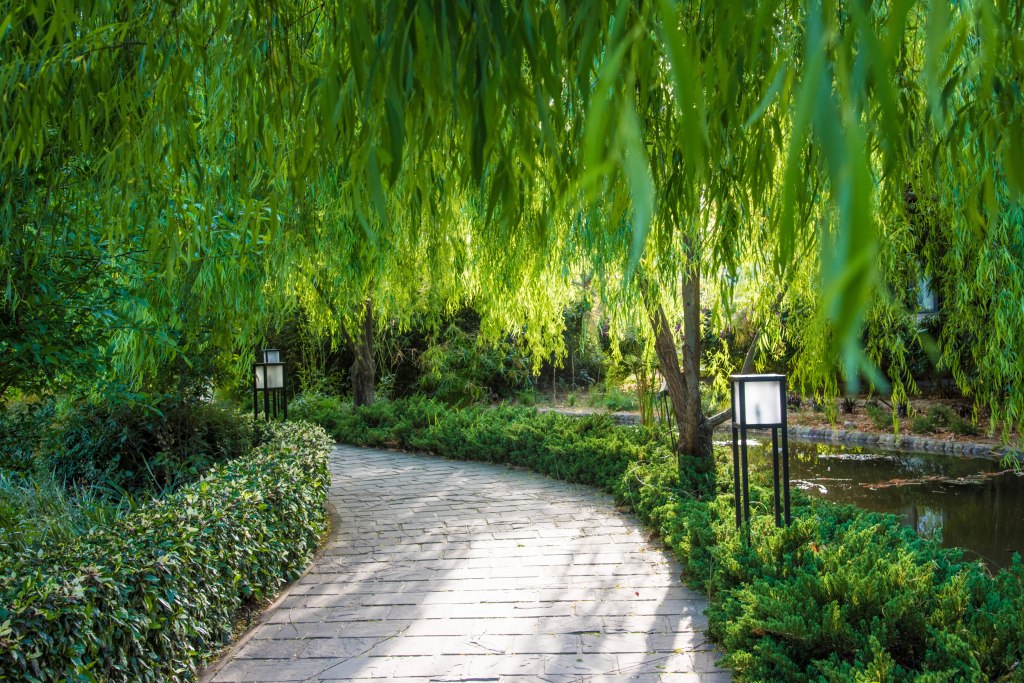
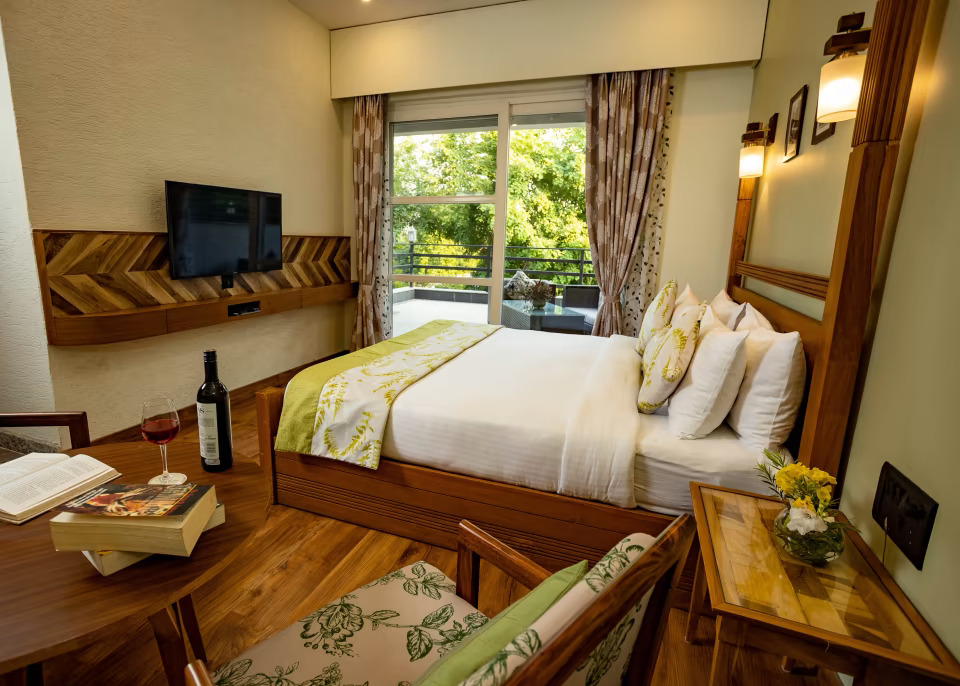
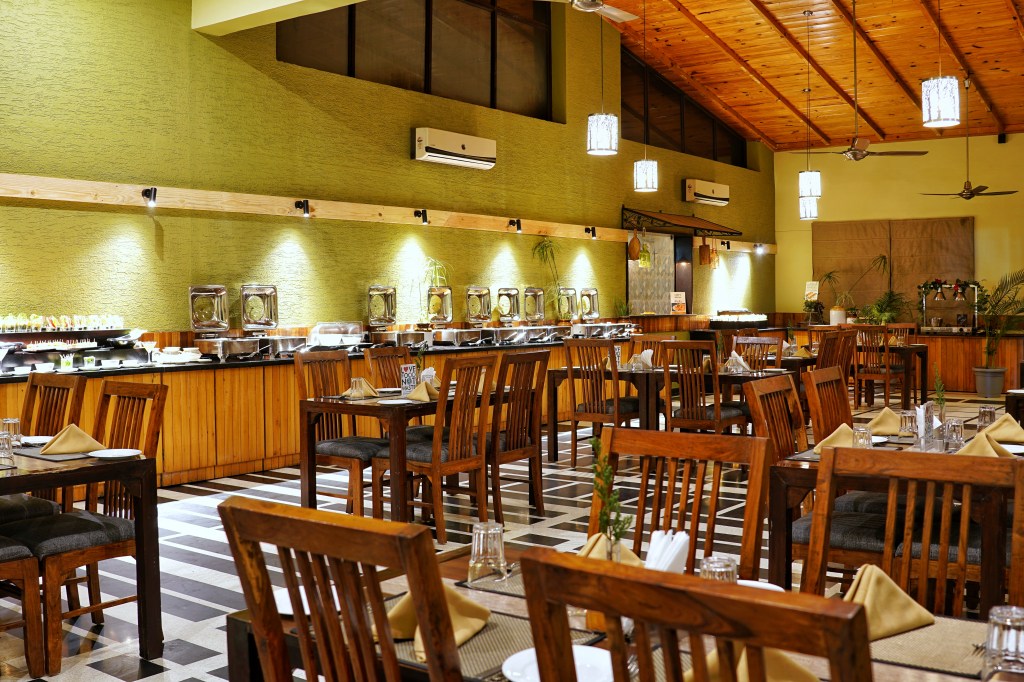
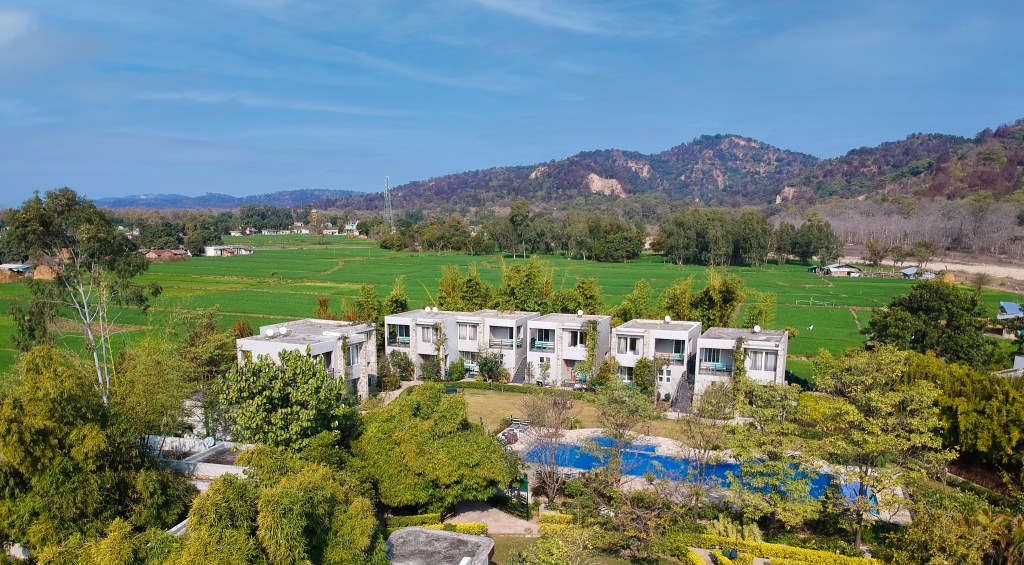
If you’re interested in visiting Jim Corbett National Park and staying for a few days, check out my review of The Golden Tusk, the resort where we stayed.






 An American in Kerala