I am such a slacker when it comes to writing about these major things that I’ve seen in India. I’m still trying to piece together an entry on the Taj Mahal, and that was almost a year ago. So, it’s fitting that on my “On This Day” memories on Facebook, I was inundated with photos of our day spent exploring Amritsar. This is really a trip down memory lane for me.
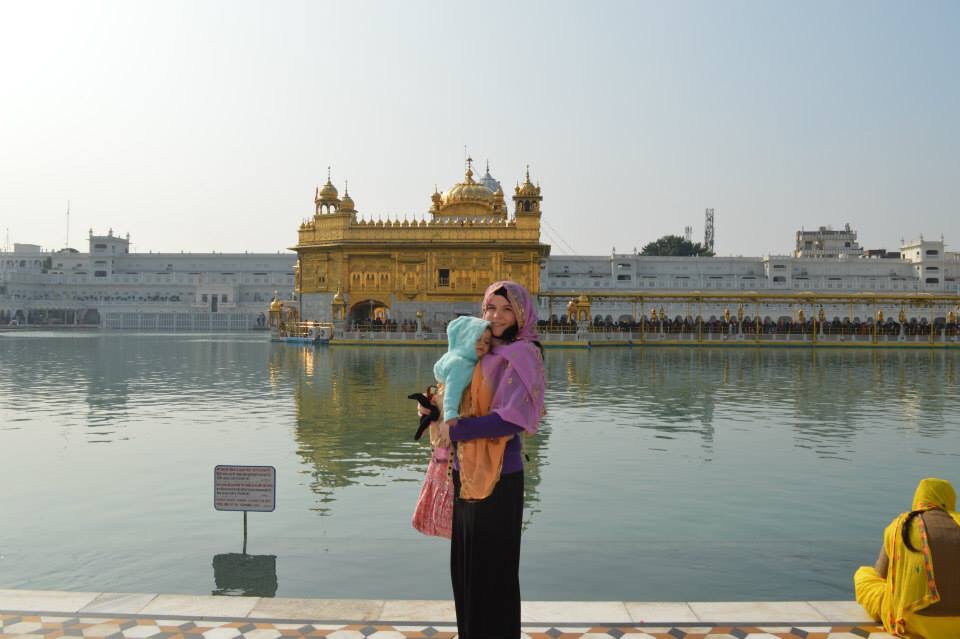
The Golden Temple’s official name is “Sri Harmandir Sahib,” and it’s the holiest gurdwara for Sikhs. The temple itself is surrounded by a lake, which is also considered to be holy. To enter the temple’s complex, a person must remove her shoes and wash her feet and cover her hair (this goes for both men, women, and children alike). I could blather on and on about the temple and its surroundings and recite its history, but I really just want to share photos of our day there, so I recommend checking out this and this. Here are my two favorite facts about the temple:
“The construction of Harmandir Sahib was intended to build a place of worship for men and women from all walks of life and all religions to come and worship God equally. Accordingly, as a gesture of this non-sectarian universalness of Sikhism, Guru Arjan had specially invited Muslim Sufi saint, Hazrat Mian Mir to lay the foundation stone of the Harmandir Sahib. The four entrances (representing the four directions) to get into the Harmandir Sahib also symbolise the openness of the Sikhs towards all people and religions. Over 100,000 people visit the holy shrine daily for worship, and also partake jointly in the free community kitchen and meal (Langar) regardless of any distinctions, a tradition that is a hallmark of all Sikh Gurdwaras.”
And:
“Harmandir Sahib is [the home] of the world’s largest soup kitchen. According to “Croatian Times” [it] can serve free food for up to 100,000 – 300,000 people every day. At the Langar (Kitchen), food is served to all visitors regardless of faith, religion, or background. Vegetarian food is often served to ensure that all people, even those with dietary restrictions, can eat together as equals.”
Pretty amazing, huh? Now time for pics!
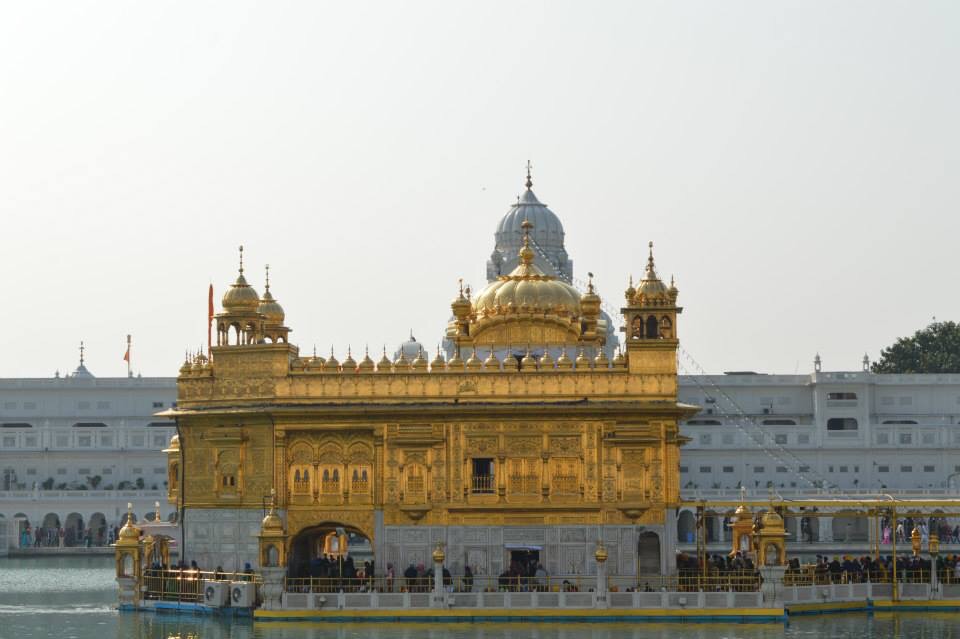
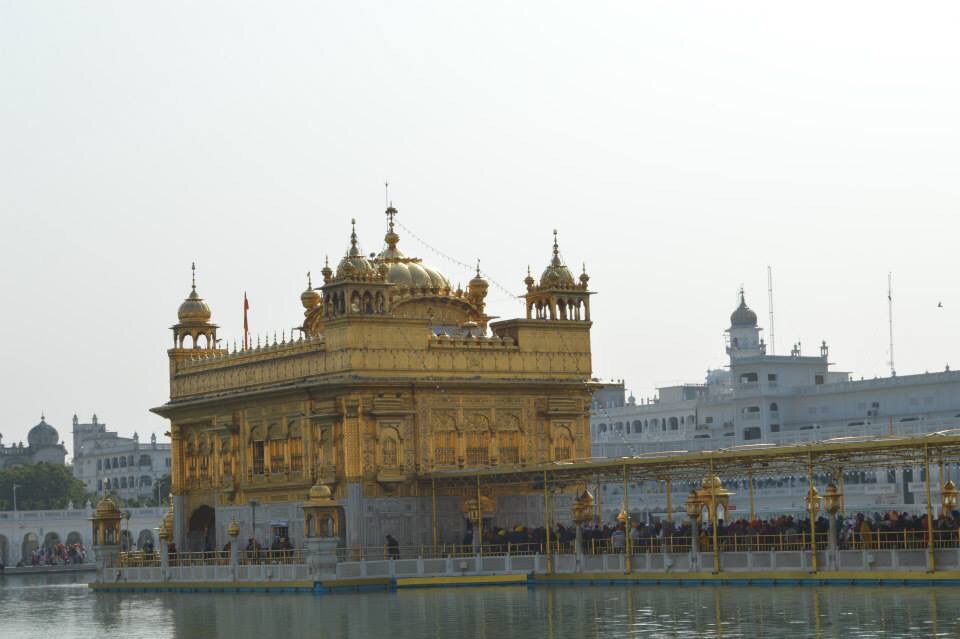
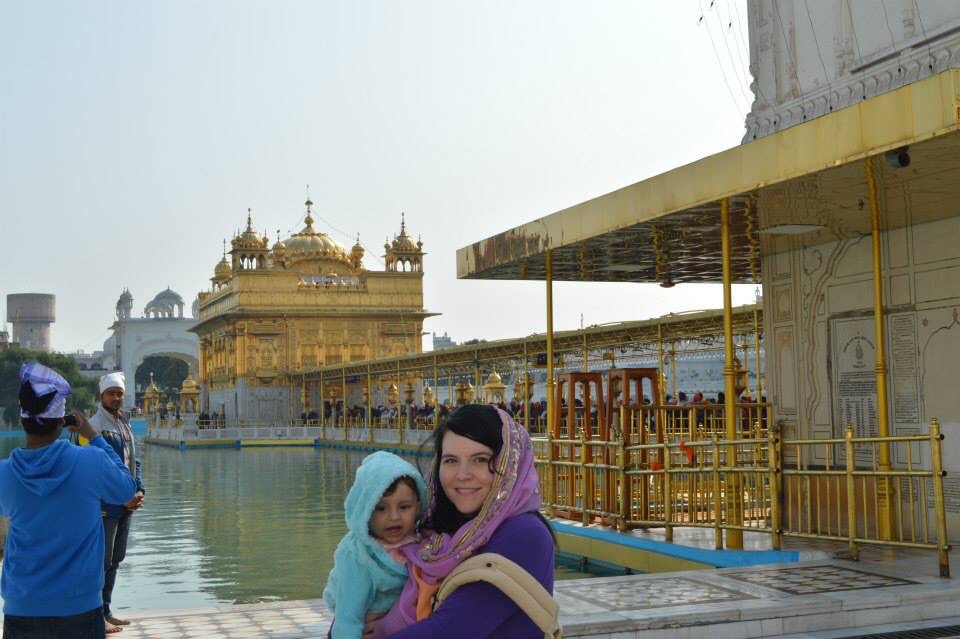
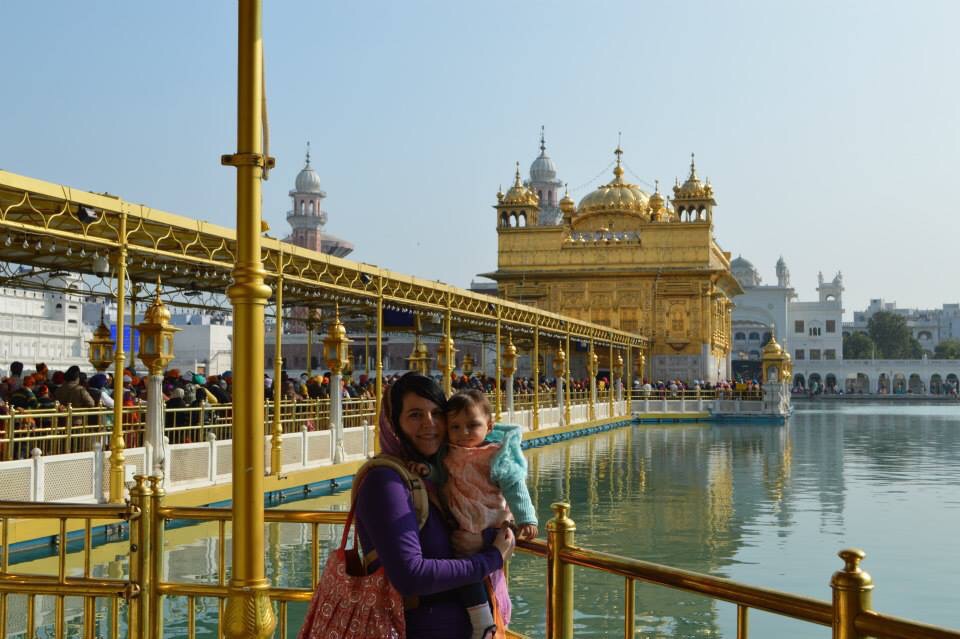
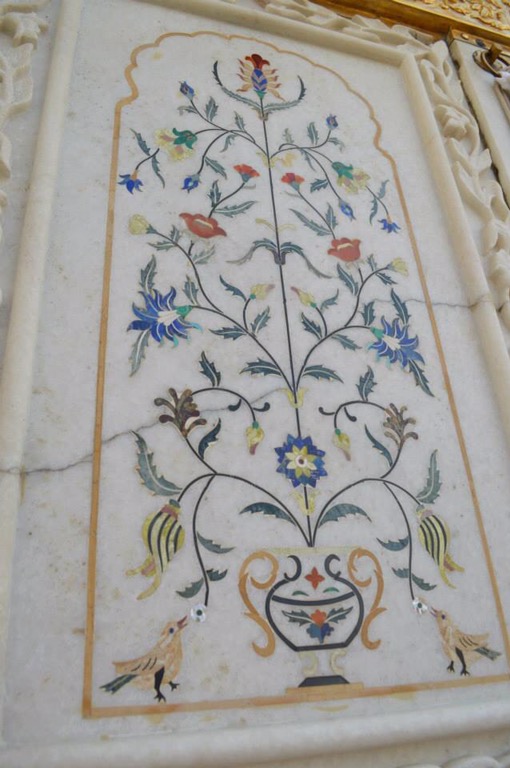
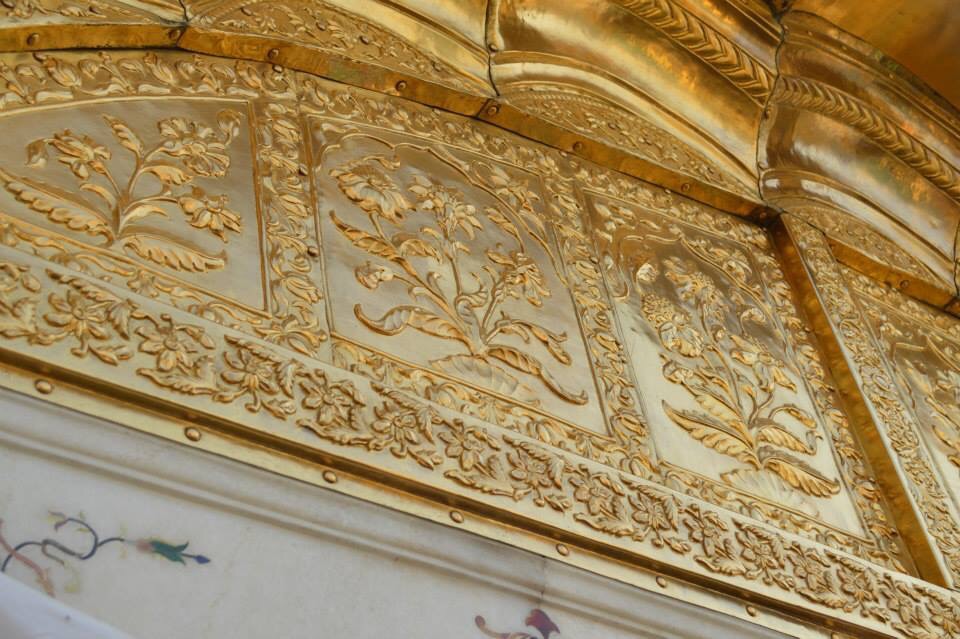
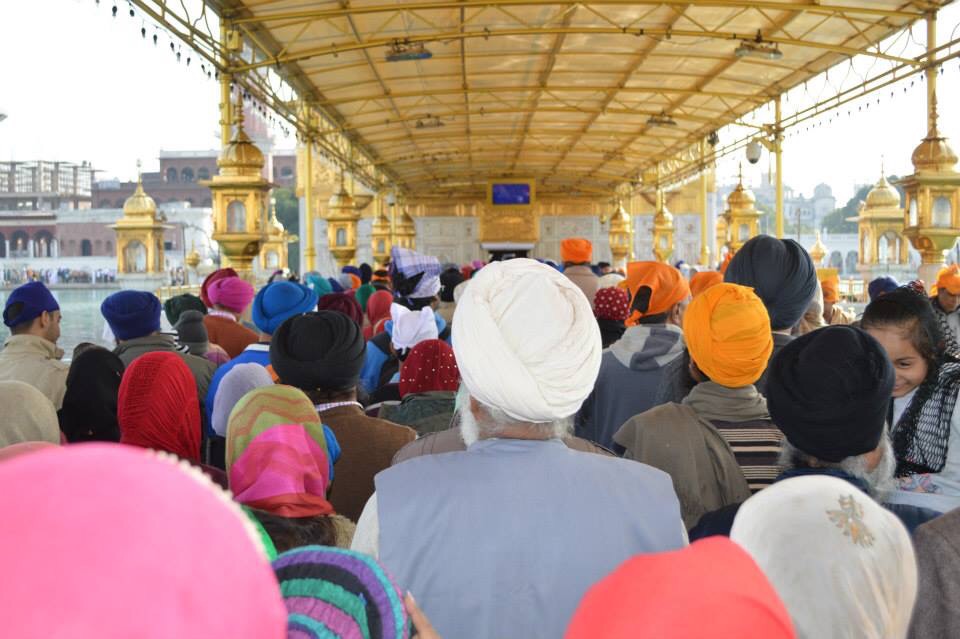
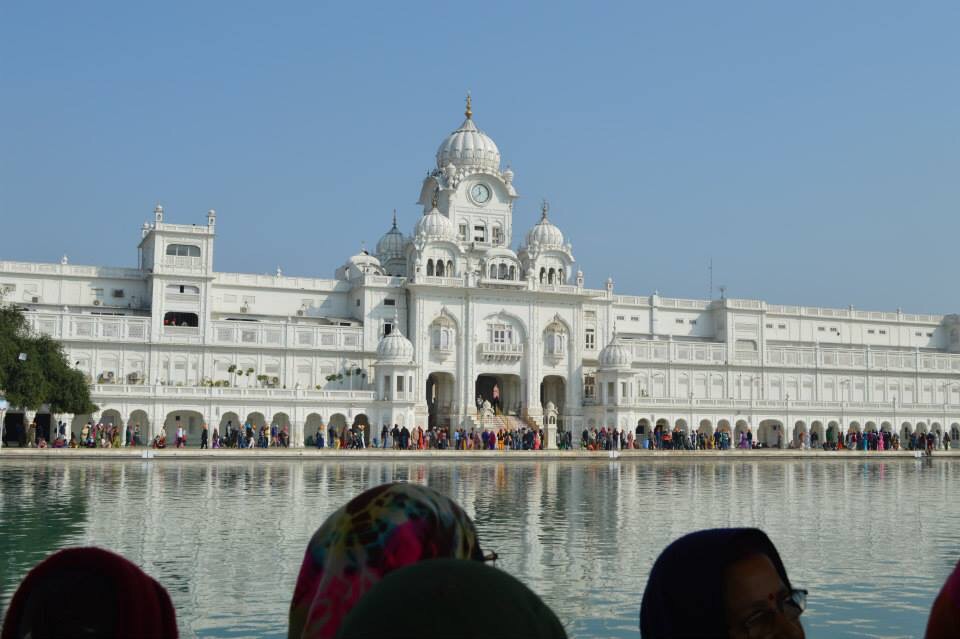

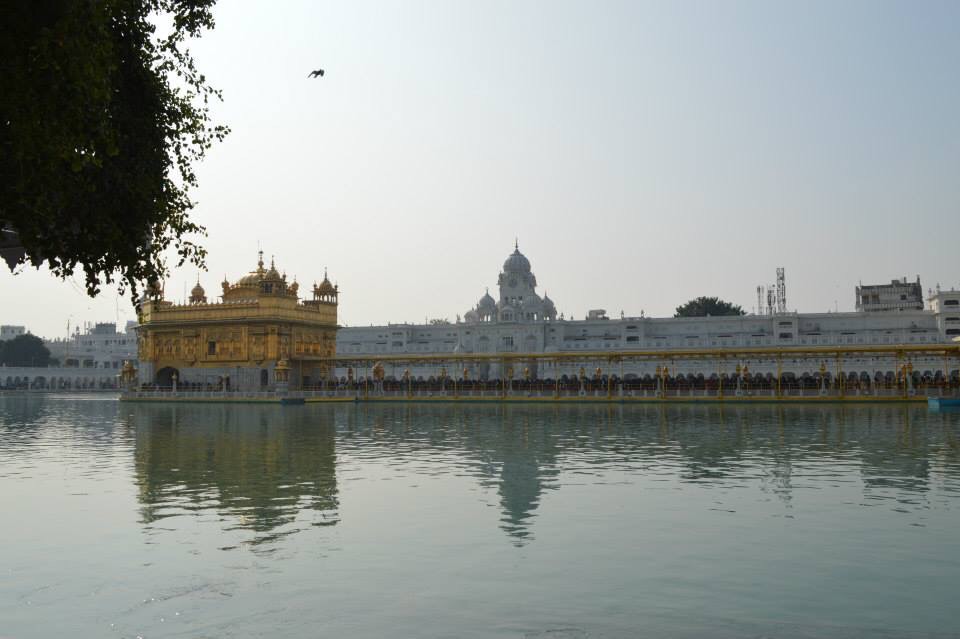
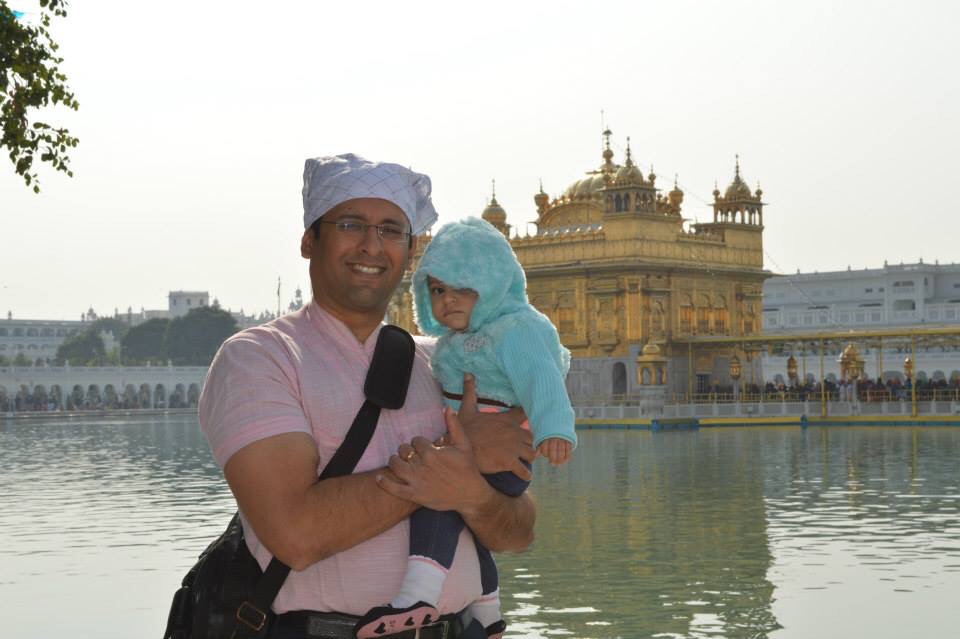
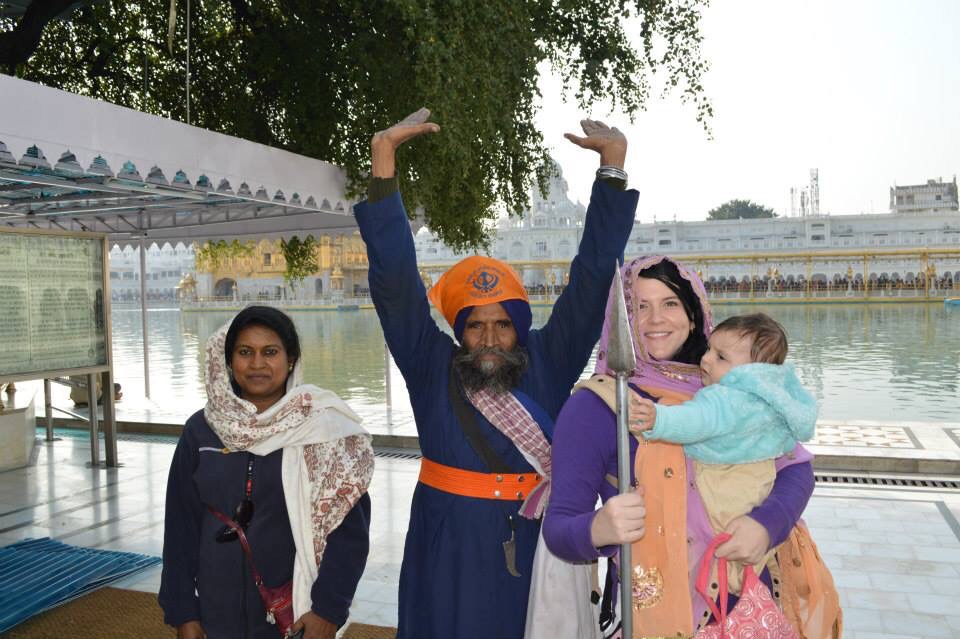
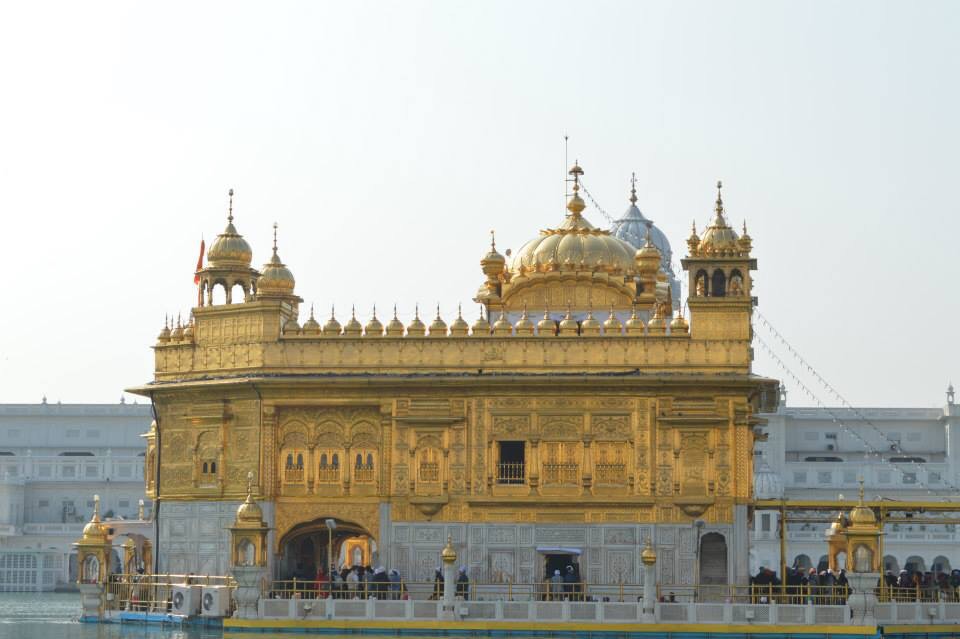
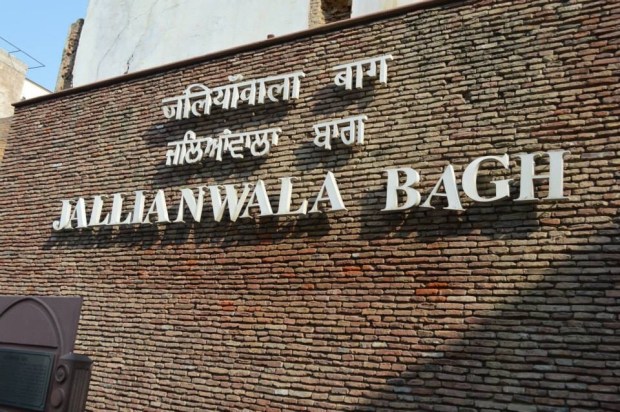
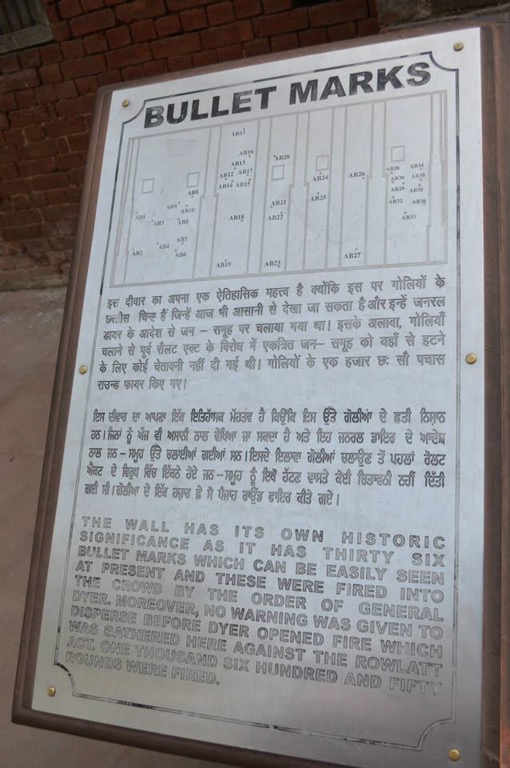
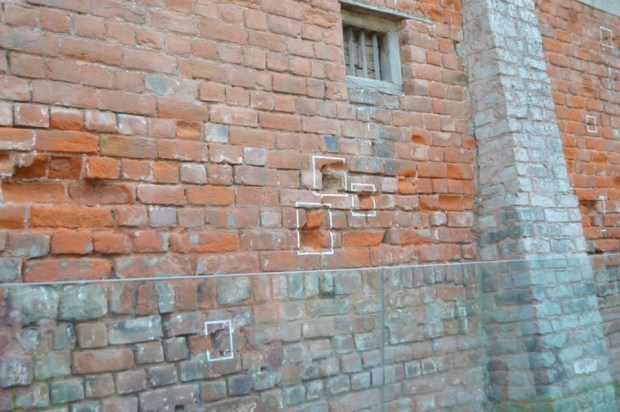
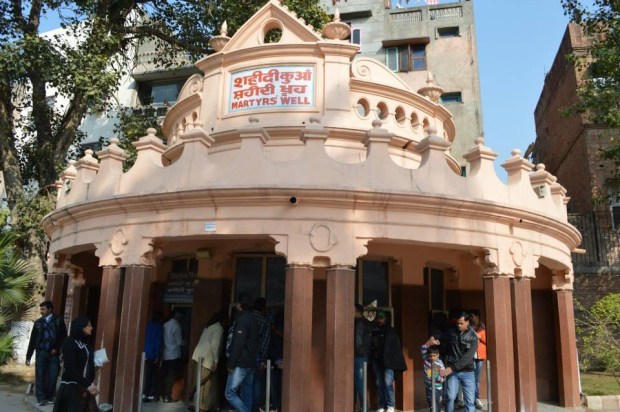
After our visit to the Golden Temple, we stopped by Jallianwala Bagh, and if you’ve ever seen the film “Gandhi,” then you know of its significance. I would say if you know anything about history, you should know about it too, but I didn’t. My history classes glanced right over British colonialism in India and never delved into studying the Amritsar massacre. The whole event is horrifying. On Sunday, April 13, 1919, some sorry-excuse-for-a-human-being named Colonel Reginald Dyer, who had imposed a curfew and a ban on protests in the city of Amritsar, decided that all the people who were disobeying his hardly known order deserved to be shot at. He ordered troops to follow him to the park, where exits were blocked without warning, and shots were fired for ten minutes straight into the crowd of about 20,000 people. A cease-fire was called only after running out of ammo. People were not only killed by the bullets, but they also stampeded each other trying to escape, and over 100 people (women and children included) jumped into the well that was in the center of the park. It was terribly sobering to touch the bullet holes still preserved in the walls and to look down into the endless blackness of the well. Words cannot do it justice.


 An American in Kerala
