Haunted Tales: Folklore from India to America

We have built civilizations between us, but we have never been able to build a wall high enough to keep out the dark.


A Darkness You Can Feel

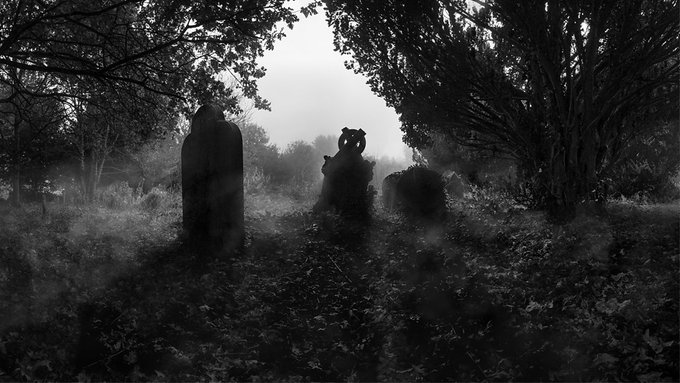
A few weeks ago, we went for a night drive along the shadowy roads near our campus. When I say it’s dark, I mean a darkness so complete it’s difficult for most Americans to imagine. The thick canopy of trees swallows every fragment of ambient light.

In that thickness, I noticed something, something that appeared enormous. A pair of glowing eyes and the outline of a huge antler rack floated among the tree trunks.

Surprisingly, my first thought wasn’t “sambar deer,” though that’s what the creature turned out to be. They roam the roads at dusk and into the night; I’ve seen them plenty of times before. But this time, a chill twisted in my gut, and the word “Wendigo” surfaced in my mind instead.

And this got me thinking. What legends, spirits, and spooks reside in these mountains and forests? Are they too different from the ones I have read about and heard among the Appalachian forests and beyond?

So, this Halloween, let’s wander a little, through the misty mountains and red clay roads of the world, to meet these tales who speak in different languages, but murmur the same human fears.

Let’s meet these tales, one by one…

The Woman Who Walks at Night

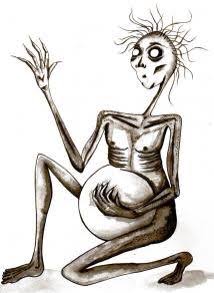
In northern India, there is the Churel, a woman wronged in life who returns after death, often seeking vengeance. Her appearance is hideous: backward-facing feet, a black tongue, rough lips, and long, lank hair. But don’t be fooled: she can shapeshift into a beautiful young woman, luring men from lonely roads, then draining them of blood or life. By dawn, her victims are found aged and gray.

Sketch of a Churel

Their eternal sorrow becomes a weapon, a force of nature that refuses to be ignored.

If that sounds familiar, it should. Across the world, Mexican and Southwestern communities tell of La Llorona, the “Weeping Woman” who searches for her drowned children by the riverside, calling out to travelers who stray too close. Just hearing La Llorona’s cries means misfortune or death for the unlucky person.

Statue in Mexico of La Llorona

These stories echo the pain of women betrayed and silenced by those who failed them. Their eternal sorrow becomes a weapon, a force of nature that refuses to be ignored.

But the night isn’t the only thing to fear. There are also the hungry…

The Hungry Dead

In Buddhist and Hindu belief, there are the Pretas, which are hungry ghosts, cursed with throats too narrow and stomachs too large to ever be filled. They wander unseen among the living, forever searching and eternally unfulfilled.
Depiction of a Preta

…when insatiable greed consumes a person, they are transformed into the very monster they once feared.

Half a world away, among Algonquian peoples of North America, there’s the Wendigo, a spirit consumed by hunger, forever craving human flesh. It roams through the deep winter and forests, possessing unsuspecting humans, including the gluttonous and the starving, and turning them into cannibals.

The Wendigo

The lesson is the same across seas and continents: when insatiable greed consumes a person, they are transformed into the very monster they once feared. It is a cautionary tale written in the pangs of an empty stomach.

And then there are the monsters born not from hunger, but from desire…

The Lover’s Curse

The Yakshi from Kerala folklore

In Kerala, the coastal state at India’s southern tip, they tell of the Yakshi, a beautiful woman with jasmine-scented hair and a smile that hides her true nature. She appears at night under palm trees, asking lonely men for company, then drinks their blood.

…these are women who have been made monstrous through the fears and transgressions of men.

Let’s travel to the American South where they have their own deadly spirits. There’s the Boo Hag of Gullah folklore, who slips into sleeping bodies to ride them through the night, draining the person’s life force and causing them to feel exhausted. And then, we’ll find the Deer Woman, told across many Native American nations (and later found in Appalachian lore), who has dual roles as both protector of women and children and terrorizer of men, luring them to their deaths.

Each is a story where beauty and danger wrap around each other; a lesson (or warning) that desire can be as perilous as fear.

But beneath this surface lies a more ancient, predictable truth: these are women who have been made monstrous through the fears and transgressions of men. They are the reflections of patriarchal anxieties, where female power and sexuality become deadly.

But we don’t always have to travel so far into the past to find things that terrify us…

The Ghost Who Knocks
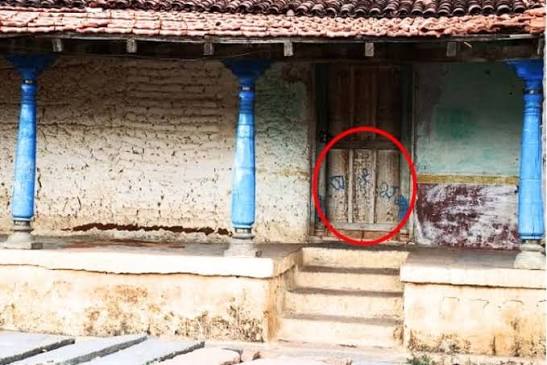
A door with “Nale Ba” scrawled across it

In the 1990s, a strange panic gripped Bangalore, India. People began to say a witch roamed the streets, knocking on doors at night. She could sound like your mother, your friend, anyone you trusted. If an unlucky soul answered the door, they would be found deceased soon after. The only way to keep her out was to write Nale Ba (“Come Tomorrow”) on your door.

The ancient fears that haunted our ancestors in the forest have learned to knock on our urban doors.

It’s eerily close to the more modern American legends like Bloody Mary, whispered at sleepovers, or the Mothman who appeared before disasters. Every age invents its own ghost, and the city’s concrete replaces the forest, but the uneasiness stays the same.

The Mothman

The Nale Ba legend is a terrifying reminder that our modern world is a thin facade. The ancient fears that haunted our ancestors in the forest have learned to knock on our urban doors.

But it’s not only spooks and spirits that can scare us. There are beings that can shapeshift into or imitate humans…

The Shapeshifter’s Secret

From the tomes of Hindu mythology is the Ichchhadhari Nagin. It is a serpent that can become a woman, taking human form mostly to seek revenge if her lover is harmed. She is ancient, divine, and deadly.

Depiction of a Nagin

…this illuminates the fear of crossing lines between human and animal, good and evil.

To the west, in Navajo tradition, tales of Skinwalkers describe witches who take animal form through forbidden ritual. Misrepresented often in pop culture, they remain one of the most secretive and feared figures in Native belief. They are said to also mimic the voice of loved ones and are even able to possess a human.

Depiction of a Skinwalker

Both of these spirits terrify through transformation, and this illuminates the fear of crossing lines between human and animal, good and evil. But they’re also stories about identity and justice: who gets to decide what form is “pure,” and what happens when that line is crossed.

The Universal Language of Fear

Ghost stories are rarely just about ghosts. They’re about the things a culture struggles to name: grief, injustice, hunger, desire, guilt.

That’s why Indian and American folklore can look so alike.

When we tell these stories respectfully, we’re recognizing that all people haunt and are haunted. Every culture gives its dead a voice, and every voice has something to teach the living.

So this Halloween, maybe the scariest thing isn’t what goes bump in the night. Maybe it’s realizing how alike we all are when the lights go out.

We have built civilizations between us, but we have never been able to build a wall high enough to keep out the dark. And in that primordial dark, we all tell the same stories to make sense of what we cannot see.


Inherited Scripts: Real Lessons from India, Part 3 of 3

This essay concludes a series on India Syndrome, Orientalism, and spirituality seeking in India. You can find Part 1 here and Part 2 here.

Bigger Than Ourselves

I moved to India with zero expectations, no desires for spiritual awakenings or anything of that sort. And thirteen years later, I’m still here because this is where my child was born, where my neighbors know my name and my sense of humor, where the routines have become mine. I am not wandering from ashram to ashram or following any grand calling other than life itself. But I have changed nonetheless.

My transformation arrived in delivery rooms, crowded markets, long queues, and building a life far from the culture I grew up in. The miracle of India, I’ve learned, lives less in Himalayan peaks and more in the ordinary, in showing up day after day for the slog, but most of all, for people.

Still, from a distance, I can recognize the hunger that brings so many travelers to India. The ones who arrive with notebooks, Instagram reels, and expectations of sudden insight. In the U.S., where I grew up, so many of the places that once held people together have frayed. Church pews are emptying. Neighborhoods exist where people barely know each other. Even restaurants and parks feel quieter. Life often takes place inside private boxes: house, car, office, gym. Even leisure feels like something that is purchased. In that emptiness, it makes sense that people book yoga retreats or chase India as an idea. They want something communal and bigger than themselves. That longing isn’t wrong. It’s very much human.

Outward Journeys, Inward Work

And yet, longing can be deceiving. A retreat or a trek can feel like transformation…until you’re home again, facing the same routines you left behind. The truth is, you can’t import change. A trip might shake you awake, but the work of growth is slower and more ordinary.

For me, it came in small doses: learning patience when I didn’t understand what was happening, finding empathy in a language I couldn’t quite follow, and building a safety net out of friends, neighbors, and aunties. The lessons didn’t arrive in a clap of thunder; rather, they blended into the middle of things I didn’t choose, usually dragging me along, kicking and screaming because I didn’t want to change. I didn’t want to become more self-aware. I didn’t want to learn how selfish I had always been. 

I began to notice something else as well: spirituality here is rarely spectacular. It’s not in ten-day vipassana retreats or sunrise yoga sessions on the Ganges. It’s in the way neighbors check on each other during hard times, in the ritual of quick poojas and prayers in the mornings and evenings, in hobbling together a community meal for a festival, in the patience demanded by long queues and traffic. It’s in the laughter of children playing outside, in the unspoken resilience of people tending to the small tasks of life, extraordinary for Westerners and the privileged, ordinary for many, many others. Living here, you begin to see that the sacred is woven into the everyday routines.

Connection Over Consumption

I’ve come to think the difference is this:

Consumption says, I’ll travel, I’ll pay, I’ll collect my transformation like a souvenir.

Connection says, I’ll keep showing up for people, traditions, and rituals, even when it’s ordinary, even when it’s inconvenient.

The first is exhilarating, but it rarely lasts. The second is much slower and harder to market, but it endures. It’s the work of presence, the steady accumulation of small acts and observations that shape who you become. Meaning is built, piece by piece, in showing up, paying attention, and participating in life as it unfolds.

What I’ve Come to See

So I don’t see myself in the seekers that arrive with plans to awaken some deep wisdom inside of themselves. I see them as people chasing a tale they were handed. 

When I began writing about “India Syndrome,” I thought it was a story about travelers who lose themselves and the privilege of foreigners who come here seeking inner peace. But what I’ve come to see is that it isn’t really about India at all. It’s about the longings and aches we carry, the ones that tell us where to look for change. Transformation and finding meaning in life is not escaping into a myth, but staying long enough for your own story to deepen.

Closing Reflection

Edward Said warned in his 2003 preface to Orientalism that the world was hurtling toward a dangerous homogeneity, of differences being flattened by the media and the ways we represent each other. Two decades later, I see a different kind of flattening here, too, in the daily life shaped by global markets and lifestyles. The India that once seemed like a sanctuary for spirituality is not untouched by these. I walk into the mall where we do our shopping, and I am blasted with Starbucks, Burger King, KFC—the list goes on. The contrasts that once felt so stark, between “East” and “West,” between here and there, are becoming more and more blurred as the years go by.

Maybe that’s why I no longer notice as many differences between India and the U.S. Or maybe it’s because I’ve learned to adapt in both places. Either way, the search for “pure” spirituality was always chasing a mirage. The world is blending, converging. And it’s becoming harder to see where one culture ends and another begins.

So maybe what we’re losing isn’t India, or the West, or any particular culture at all. Maybe what’s slipping is our willingness to remain human together—to know our neighbors, to show patience in traffic, to practice rituals that take more than a swipe or a tap. The internet promises us infinite connection, but it mostly sells us distraction, performance, and more consumption. In that sense, India Syndrome isn’t about coming here at all; it’s about the ache we carry when we mistake capitalism for communion. And if there’s any cure, it won’t come from a plane ticket or a retreat. It will come from staying, from choosing presence, from resisting the long drift into sameness by living the small acts that make us human again.

If you do come to India, come to see it for what it is. You might take home some insights, but they most likely won’t last. For “finding yourself,” start at home with what’s in front of you and underneath your feet. Dig your soul deep into the soil. Water it. Tend to it. Let it grow into something truly meaningful. That’s where the real transformation lives.

This essay concludes a series on India Syndrome, Orientalism, and spirituality seeking in India. You can find Part 1 here and Part 2 here.

Images from Pexels and LinkedIn.

Tadka: Learning to Name the World

Opening Note:
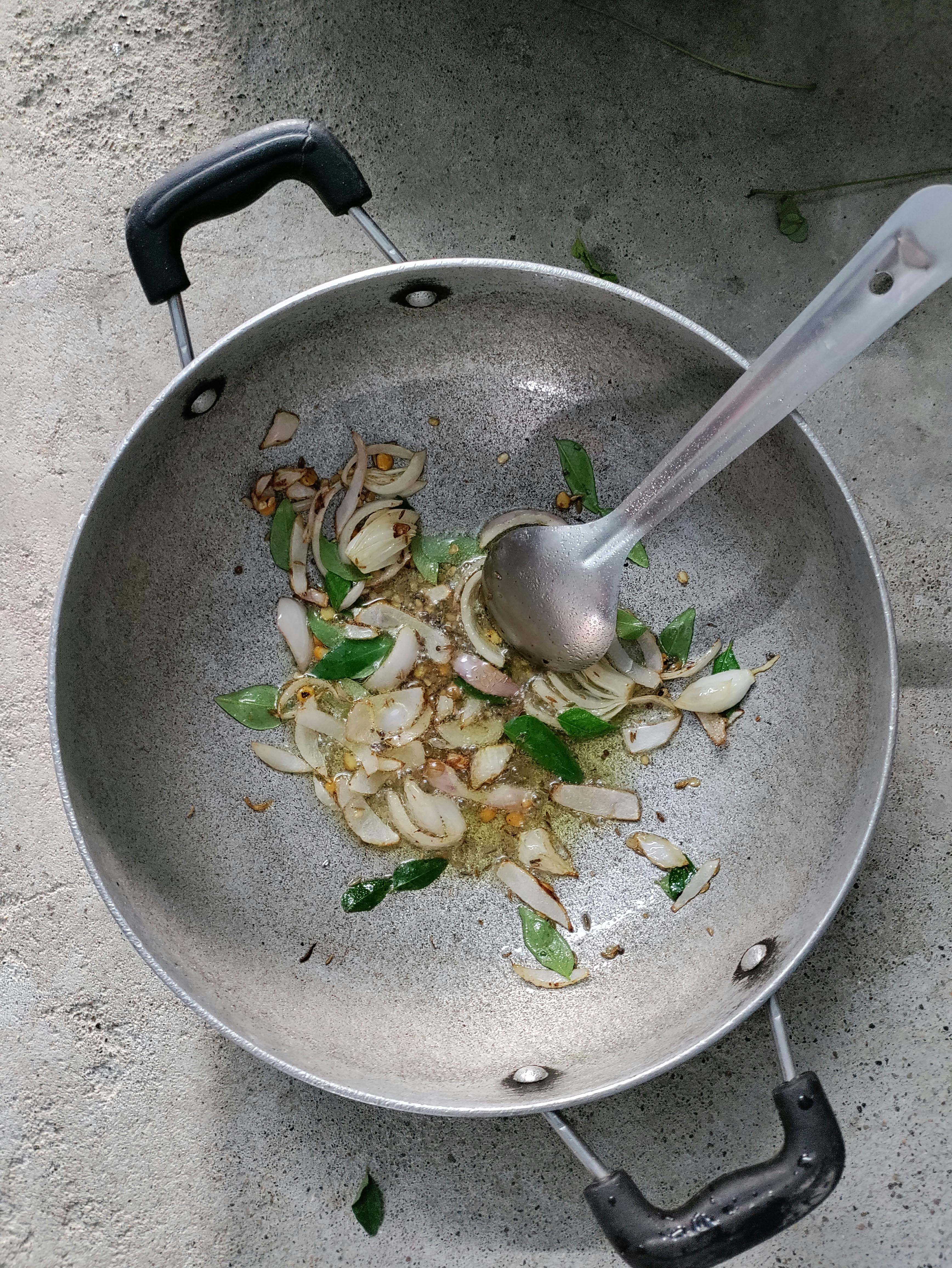
One of the first things I learned in Kerala was that food speaks to you. When mustard seeds splutter in hot oil, it’s a signal: add the curry leaves, the shallots, the chillies. Over time, I realized language works the same way. It teaches me when to pause, when to listen, and how to name the world with new words.

Tadka (To My Younger Self)

When the mustard seeds splutter,
that’s when you add the curry leaves, shallots, and chillies.
Call them by their names: kaduk, kariveppila, ulli, mulak.
Repeat them, ketto?
They will be your anchors later.

You will learn the names of vegetables, fruits, grains first,
by accident.
Your ears will be covered in scales until they aren’t,
and rice, fish, turmeric will become chor, meen, manjalpodi.

Hold on to the astonishment of learning them,
tracing the seas they’ve crossed,
the shores they’ve touched.
Remember, Babel wasn’t a punishment.
It was a gift:
a doubling, trebling of names
for tomato, onion, wheat.

You will want to tell someone about this wonder,
but you will feel alone.
In India, they will shrug,
we know these things only.
At home, eyes will glaze over.
You’re allowed to marvel anyway,
maanasilaayo?

You will still want to shrink into a corner,
fear and self-doubt strangling you.
But you’ll press forward anyway,
shoulders tight, breath shallow, heart pounding.

It’s the same acceptance of terror that gets you
through airports, onto planes
to your mother, father, and brother,
not to relive the old days, but to
build new ones–
good times, now,
with their granddaughter.
You learn to do what must be done. 

On these visits, you will pass your grandparents’ house.
You’ll see black trash bags slumped on the porch,
weeds swallowing the yard.
Look away if you must.

When you walk inside for the last time,
you’ll search for their scent in the damp,
unheated walls of late winter.
It won’t be there.
You will realize:
loss doesn’t wait for your return. 

And still, the seeds will pop
when oil meets flame.
The crackle is now, never then.
It will not pause for a house
that now belongs to someone else.

Fragrance will rise, sharp, insistent.
The present will announce itself
in smoke and spice.

So listen, mol:
you don’t need to live inside what is gone.
Stir the heat into what is here.
Add the zest.
Name things as they are.
Find beauty in words for what’s to come.
Eat while it’s hot.

Memory will cool soon enough
on your tongue.

Closing Note:
The crackle of mustard seeds hasn’t stopped surprising me. It’s a small sound, but it reminds me that life is always beginning again, in kitchens, in words, in the ways we honor our pasts.

Image from Pexels.

Inherited Scripts: Orientalism and Mystical India, Part 2 of 3

Always Searching

When Justin Shetler disappeared into the Parvati Valley with a sadhu, he was stepping into a story that had been written long before he was born.

The mythical “India” many Western seekers carry in their heads didn’t just appear out of thin air. It’s the result of centuries of writing, painting, sermonizing, and photographing by colonizers, missionaries, and scholars. People who arrived with their own agendas and left with narratives that served them more than the people they described.

From the late 18th century onward, British Orientalists studied Sanskrit texts, Hindu philosophy, and Indian epics, not only to understand them but also to frame them for Western consumption.

When Sir William Jones founded the Asiatic Society in Calcutta in 1784, he fell in love with Sanskrit texts like Shakuntala. But he translated them the only way he knew how—through the lens of Greek classics and the Bible. A few decades later, James Mill wrote his History of British India without ever setting foot there, describing Indian culture as backward and despotic.

Colonial ethnographers romanticized some aspects of Indian spirituality while dismissing others as superstition. William Carey, arriving in Bengal in 1793, translated the Bible even as he condemned Hindu practices, overlooking that Christianity had already existed in India for centuries.

In the mid-19th century, British photographer Samuel Bourne lugged his huge camera into the Himalayas and produced dreamy pictures of temples, sadhus, and misty peaks. Back in London, these images confirmed for readers that India was timeless and mystical, while the realities of famine and politics were conveniently cropped out.

Two stereotypes emerged from all this: India as timeless wisdom, and India as backward chaos. Both were useful to the British Empire and beyond: one justified the “civilizing missions,” the other sold India as a curiosity cabinet.

Spirituality as a Colonial Export

Ironically, many Indian spiritual traditions gained fame in the West through the very structures of colonialism. Texts were translated, performances staged, and lectures given in London or Paris. The most marketable elements—yoga, Vedanta, certain forms of meditation—were cut from their original contexts and pasted as universal philosophies.

By 1893, Swami Vivekananda was in Chicago, dazzling audiences at the Parliament of Religions with his vision of Vedanta as a universal philosophy. A generation later, Paramahansa Yogananda’s Autobiography of a Yogi became a counterculture bible in California. Both men stressed the universality of their philosophies, but their Western audiences consumed them as spiritual “others.”

Meanwhile, at home, the British Raj often undermined or repressed living religious practices, such as closing temples, regulating pilgrimages, and policing gatherings, while happily exporting a purified, aestheticized version of Indian spirituality to the West.

Postcolonial but Not Post-Orientalist

Even after independence in 1947, the West’s appetite for the “mystical East” didn’t fade. It changed branding. The 1960s and 70s brought the Beatles to Rishikesh, hippies to Goa, and the counterculture’s embrace of gurus, ashrams, and psychedelic enlightenment.

The Beatles’ 1968 stay at Maharishi Mahesh Yogi’s ashram in Rishikesh turned meditation into a global craze, while hippies built whole enclaves in Goa. The empire was gone, but the Orientalist script survived, dressed in tie-dye instead of khaki.

Modern yoga studios, mindfulness apps, and wellness retreats are part of the same lineage. In 2014, the UN declared International Yoga Day, celebrating yoga as a gift from India to the world. But by then, yoga studios from Los Angeles to Berlin had already stripped away much of its religious and philosophical roots, selling it as a universal wellness fix. Another neat package, easy to consume.

The industry thrives on a spiritual shorthand: chakras, incense, sunrise chants. These aren’t inventions, but they’re often curated fragments of India, detached from the culture and society that gave them meaning.

It’s not that Western seekers shouldn’t learn from Indian traditions, but the relationship is rarely equal. When spiritual India is treated as a service economy, something to be visited, consumed, and left behind, it becomes harder to see its people as more than extras in someone else’s awakening story.

Why the Script Still Works

The old Orientalist fantasy persists because it answers a Western longing. For centuries, “the East” has been imagined as a place where modern life’s alienation can be cured, where there’s still authentic meaning to be found. India, with its visible spirituality and religions, complicated history, and contrast to Western cultures, fits the role perfectly.

That fantasy colors travel writing and Instagram posts, and it shapes the paths people take. It tells them what to look for, how to frame their experiences, and sometimes, tragically, how far they’re willing to go to live out the script.

On social media, this fantasy can swing both ways. Just as some travelers come chasing enlightenment, others build whole reels around India’s poverty, traffic, or chaos. The effect is the same: India is flattened into a caricature.

Imagine if someone filmed only Skid Row in Los Angeles and claimed it represented all of America. Every country has its shadows, yet India often gets held up as if those shadows are the whole picture. That, too, is a modern form of Orientalism: selecting what confirms a stereotype and ignoring the rest.

And that’s what makes “India Syndrome” such a slippery term. It goes beyond breakdowns in the Himalayas; it’s how the story of India, as inherited from colonialism, can seduce someone into abandoning their own reality.

Some, like Justin Shetler, vanish into that story entirely. Others return home with a few thousand photos and some harrowing stories to tell. Others collect what they believe are epiphanies, which slip into the ether after they slide back into their home’s routine. But even more don’t come at all, choosing instead to nibble on pieces of a 5,000-year-old culture that they feel will patch the void inside them. No matter how it’s done, the same script is still being performed.

The India so many Western travelers arrive seeking is rarely the India they actually encounter. Guidebooks, films, and memoirs have long trafficked in images of a timeless, mystical land—a place to be “discovered” rather than lived in. This is the shadow of Orientalism, the old habit of painting India as exotic, irrational, or spiritual in contrast to a supposedly practical, rational West.

And yet, the story isn’t that simple. Over time, many Indians themselves have adopted, adapted, and even marketed these same images. Yoga teacher training centers, curated “heritage villages,” or pricey retreats by the Ganges all cater to the longing of visitors who want to taste a certain kind of India. For some, these motifs have become a source of pride or income, often pragmatically so. For others, they remain frustrating distortions that compress the diversity and contradictions of the country.

The problem isn’t that seekers come; people have always traveled to India for learning, trade, or inspiration. The problem lies in the hunger for a single story: that India is here to provide spiritual rescue, that transformation is something to be consumed. That desire often blinds travelers to the ordinary ways people here live, worship, and endure.

Even my own experience here has been a constant negotiation with this script—resisting and repeating it, always aware it is much older than me.

Up Next: Part 3 – My time in India, and why so many white travelers chase meaning far away from home.

And if you haven’t read part 1, you can check it out here.

Note: All images from Pexels.

Lessons from a Scorpion Encounter

Sometimes life’s smallest moments can carry the biggest lessons. On a routine evening walk a few years ago, a simple run-in with a scorpion taught me about restraint, mercy, and the power of choosing kindness over retaliation.

This poem reflects on that moment, and the ripple effect that can follow when we hold back our sharpest stings.

Dear Scorpion

Evening is the best time to walk, 
the sun retires from scorching;
my shirt feels a little less sticky.
My dog scuffs along, sniffing,
his own form of social media.
I scuff along in my well-worn chappals,
not the wisest choice,
scrolling through my phone. 

The evening in question
melted over the sky, hardening
into oranges, purples, and blues.
Scuff, scuff.
Sniff sniff, scroll. 
When something cold and hard rolled over
the soft, sensitive flesh of my foot. 

My brain tried to place the feeling:
A beetle? A plastic toy? A bottle?
I looked down.
My heart melted,
warm liquid
draining to my toes. 

A scorpion 
stood with its stinger raised.
Ready to 
duel if it met my foot again,
in the dead leaves covering our path. 
Do I run or stand my ground?
Both felt wrong. 

So we stood for hours,
seconds, really. 
The harder I stared, 
the more it looked offended 
than armed. 

I chose 
to back away, my eyes on
the insulted creature,
shrinking as I retreated
until it vanished.

It had every right to
strike me with its poison. 
I felt that path  
was my own.

But it chose not to sting me.
The opportunity was easy. 
Maybe it was luck,
or maybe it sensed my fear like its own.
Or maybe it wasn’t in the mood.

Dear scorpion,
I learned something
on that evening walk.
I can choose
not to sting another.  
Swallow the bitterness that would 
rush through blue capillaries, red arteries, 
straight to another’s heart.                                  

I can fade into the twilight,
but still stand guard.
Maybe their venom will return
to where it began,
softening the next hardened heart,
one restrained sting at a time.

Dear scorpion,
if mercy flows this way,
through veins and capillaries,
into oranges, purples, and blues,
maybe this world
needn’t sting so deep.

A Note:
I hope this poem encourages you to pause and choose mercy in your own daily encounters, softening hardened hearts one restrained sting at a time.

Top post on Blogchatter

Inherited Scripts: the Search for “India Syndrome,” Part 1 of 3

What Is India Syndrome?

Why do some Western travelers come to India seeking spiritual transformation, only to vanish, sometimes without a trace?

Some say these disappearances are the result of “India Syndrome.”

Don’t be mistaken. “India Syndrome” isn’t a medical diagnosis. The phrase was coined by French psychiatrist Régis Airault, who worked with embassy staff treating foreigners in India suffering sudden psychological breakdowns. Symptoms are said to include disorientation, delusion, spiritual obsession, and the urge to detach from society, often triggered, Airault suggested, by travel in the subcontinent.

The phrase raises all kinds of red flags for me. It feels too vague, even too condescending. Is it a genuine phenomenon, or just an Orientalist label slapped onto culture shock and untreated mental illness in an unfamiliar culture?

The Disappearance of Justin Shetler

I had read about India Syndrome in a Guardian article titled ‘Travelers who were lost forever’: why tourists experience ‘India syndrome,’ but most of those written about made it out of their psychological breaks just fine. I didn’t realize how serious these experiences could be until I read about Justin Alexander Shetler.

He was an American adventurer, young and smart, who had traveled widely and documented his spiritual journey with real thoughtfulness. In 2016, he vanished in the Parvati Valley after setting off on a pilgrimage with a sadhu. His final Instagram post read:

If I don’t come back, don’t look for me.

He had come to India seeking something: transcendence, transformation, detachment from the self. And then he disappeared, leaving behind a swirl of grief and speculation. Was it a tragic accident? A spiritual quest gone too far? Or was he consumed by the story of India he was already writing?

Stories like his collide with a country already carrying centuries of other people’s projections. To talk about India Syndrome without talking about that projection, about Orientalism, is to miss the bigger picture.

The Shadow Of Orientalism

India Syndrome isn’t new. It’s the latest chapter in a story Edward Said called Orientalism: the West’s longstanding habit of casting “the East” as its mystical opposite. India, in this fantasy, is no longer a country; it’s a metaphor. A place to lose yourself, find yourself, or (in Shetler’s case) vanish trying.

And so the idea of India that travelers bring is often already mythic. It’s been passed down through yoga studios, self‑help books, and colonial literature: India as a spiritual testing ground, a mirror, a maze. But when reality refuses to match the fantasy, the fallout can be intense.

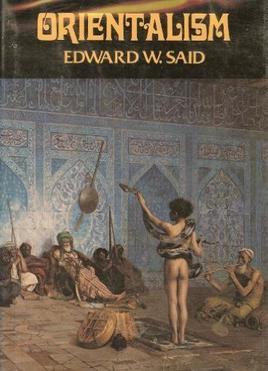
Book Cover of the First Edition of Orientalism by Edward Said. https://en.wikipedia.org/w/index.php?curid=49638266

A Certain Privilege

Who, exactly, gets to “lose themselves” in India?

More often than not, it’s white, educated Westerners with the freedom and the resources to wander. The ones who can afford to drop out for a few months, go on retreat, or disappear into the mountains. Choosing India as the backdrop for personal transformation is, in many ways, a consumer decision.

Of course, not every traveler arrives clutching a copy of Eat, Pray, Love, but it’s rare to meet a foreigner completely free of those expectations. The “spiritual East” is so deeply embedded in Western imagination that even those who reject the clichés still bring crumbs of it with them.

There’s a certain privilege in being able to fall apart and then be found. When travelers go missing, embassies get involved. Families launch global searches. Articles are written.

It’s clear to see: When a Western traveler vanishes, it’s a mystery. When an Indian pilgrim goes missing, it’s a statistic. The heartbreak is equal, but the news coverage is not.

Meanwhile, most local voices, such as guides, sadhus, neighbors, police, and even Indian spiritual seekers, rarely appear in the narrative except as background figures. India becomes a stage, not a speaking role.

That raises uncomfortable questions: Where’s the line between spiritual curiosity and exoticism? Between seeking meaning and expecting a place to hand it to you? And what does it mean that so many of these stories treat Indian traditions as if they exist solely for foreigners?

I don’t have neat answers. But I have crossed paths with travelers who seemed to be drifting far from reality.

Not a Mirror, Not a Maze, Just a Country

One early morning, at the front gate of the Dhikala zone in Jim Corbett National Park, Uttarakhand, I noticed a white man leaning against a tree.

At first, I thought he might be a tourist from a nearby resort. But the closer I looked, the less sense that made. His cycle was old and battered. A plastic jug of murky liquid hung from one handlebar. A grimy plastic bag swung from the other. He wasn’t wearing a shirt or shoes.

He spoke to the guards for several minutes, then got his cycle and rode off toward town.
“What’s that about?” I asked my husband.
“That guy wants to ride his cycle through the park,” he said. “He’s riding it all the way to Rishikesh.”

The guards laughed. Not cruelly, but with the familiarity of people who had seen something like this before. I don’t know if he was a regular, a wanderer, or simply someone too deep in his own creation of India. The kind of figure whose story would be recounted as a quest, while a local doing the same might be dismissed as desperate or unwell.

But that’s the thing about India Syndrome: it’s never about the person who’s actually unwell. It’s about the stories we tell to explain them. A local man cycling barefoot through tiger territory would be called mad or poor. A white man doing the same becomes a seeker, a mystic, or a cautionary tale.

India itself doesn’t cause these breakdowns. But something else does: ages of Western fantasies that have whispered to generations of seekers: 

Welcome to India: the cure for whatever you think is missing in your soul.

Up Next: Part 2 – Who wrote that mythical script, and why do we keep performing it?

Between Two Worlds: A Switch

Somewhere between arrival and departure, I’ve learned to speak in two voices and carry two selves. This is about what happens when neither feels entirely mine.

A Switch | സ്വിച്ച്

This plane window is a signaller.
Ready to help me
choose myself
before we fall to the earth.
I am sinking and floating at once, but
I look out the window anyway
to see
which personality to wear after landing.

Grey bypasses, skyscrapers, concrete
squares:
all holding their breath.
The switch flips to
America.

A quilt of coconut palms,
low white buildings,
the switch flips to
India.
My head wobbles before the plane
touches down.

Later, I learned there’s a word for this.
I protested: I don’t do this.
Not me.
And the man I spoke to replied,
“Oh, but I think you do.”

In India,
I’m more reserved,
yet I speak more.
Slowly. Enunciating.
I use words like:
lift – boot – lorry – brinjal – petrol.
I say Ruh-vi, not Raaah-vi.
I roll my Rs and
move na – nja – nna
through my tongue and lips.
I clench my fists in frustration
when the word is right there,
drifting, italicized, in my mind,
tucked under my tongue
when I try to speak.

And then in America,
when I’m with people
who knew me once,
but not quite.
When nostalgia rolls in
as thick as the fleece blanket
that keeps me warm in
stark Pennsylvania winds,
I’m more open,
but speak less.
I speak quickly, slurring my words:
“Didja eat yet?”
I smile hellos and how are yous to
perfect strangers, but
never pushing beneath:
“Friend, how is your heart?” or
“Is your father doing okay?”

“You kinda have an accent now,”
so I flatten my As again.
My voice shifts north
into my nose
and the words roll out:
elevator – trunk – truck – eggplant – gas.

I don’t have to worry
about chechis and chettans.
Americans like first names,
giving us a pretend closeness,
like a handshake without eye contact.

Here’s the thing:
neither one feels quite right.
In India,
I wear a mask.
I smile when I don’t want to;
swallow questions and
bite back criticisms
because my face marks me a visitor
even though I’ve rooted my hands
deep in the soil.
In America,
I wear a wool sweater
two sizes too small.
I tug at the sleeves,
sweating, itchy, chafed
but never take it off.

So, who am I?
Am I the words spoken to others,
what they see:
a woman in love,
a fool,
a brave soul?
Or am I
something deeper?
Or am I none of these?

Am I just a middle-aged woman
afraid she will always be brushing the edges,
never quite let inside?
Am I just afraid
that someday I’ll be a stranger
in a strange land
where I borrowed books
from the library
and licked ice cream
as I walked to the park?

Now, the only home
is my daughter’s voice
when she tells me 
the song she and her friends made up;
when my husband and I walk 
into the hovering emerald canopies.

If my skin were peeled away
and my chest cracked open:
The hush of the monsoon rain
washing through the ghats,
the whisper of the snow
covering the evergreens—

Would you recognize
  the language of my pulse,

 the accent
   of my blood,

forever stuttering
switching tracks
until I break the lever.

My 10 Favorite Kerala Foods (Plus One That I Hate)

When I first moved to Kerala, the one question people asked most was, “Do you like the food?” I didn’t know the importance of food for Malayalees at the time, so I felt confused why people asked that so often. I guess they thought the taste would be super alien to me since I grew up in the States. White rice is too spicy for us, know what I mean?

Of course I loved the food. The aromatic spices, the heat, the tang – it was heaven for my tastebuds. But I was always the odd duck in my immediate family. I liked seafood; no one else did. I liked jalapeños and black olives; no one else did. So it didn’t surprise me that I started enjoying Kerala food right away.

Kerala cuisine is, in general, based around three staples – rice, fish, and coconut. All meals will use at least one of these, if not all. It makes sense these would be staples because Kerala is a tropical, coastal state with paddy fields as far as the eye can see.

But one thing I’ve noticed is that every time I Google “best Kerala foods,” “best South Indian foods,” or any variation of the sort, the lists contain the following: idli, dosa, payasam, appam and stew, parotta and beef, karimeen pollichathu, and pazham pori (banana fritters). And I am always irritated because I know there are superior dishes out there. I’ve eaten them! I’ve cooked them!

Good food is endless here. So I decided to make my own list, including some unsung heroes of Kerala cuisine.

My Top 10 Fave Kerala Foods

1. Uttapam

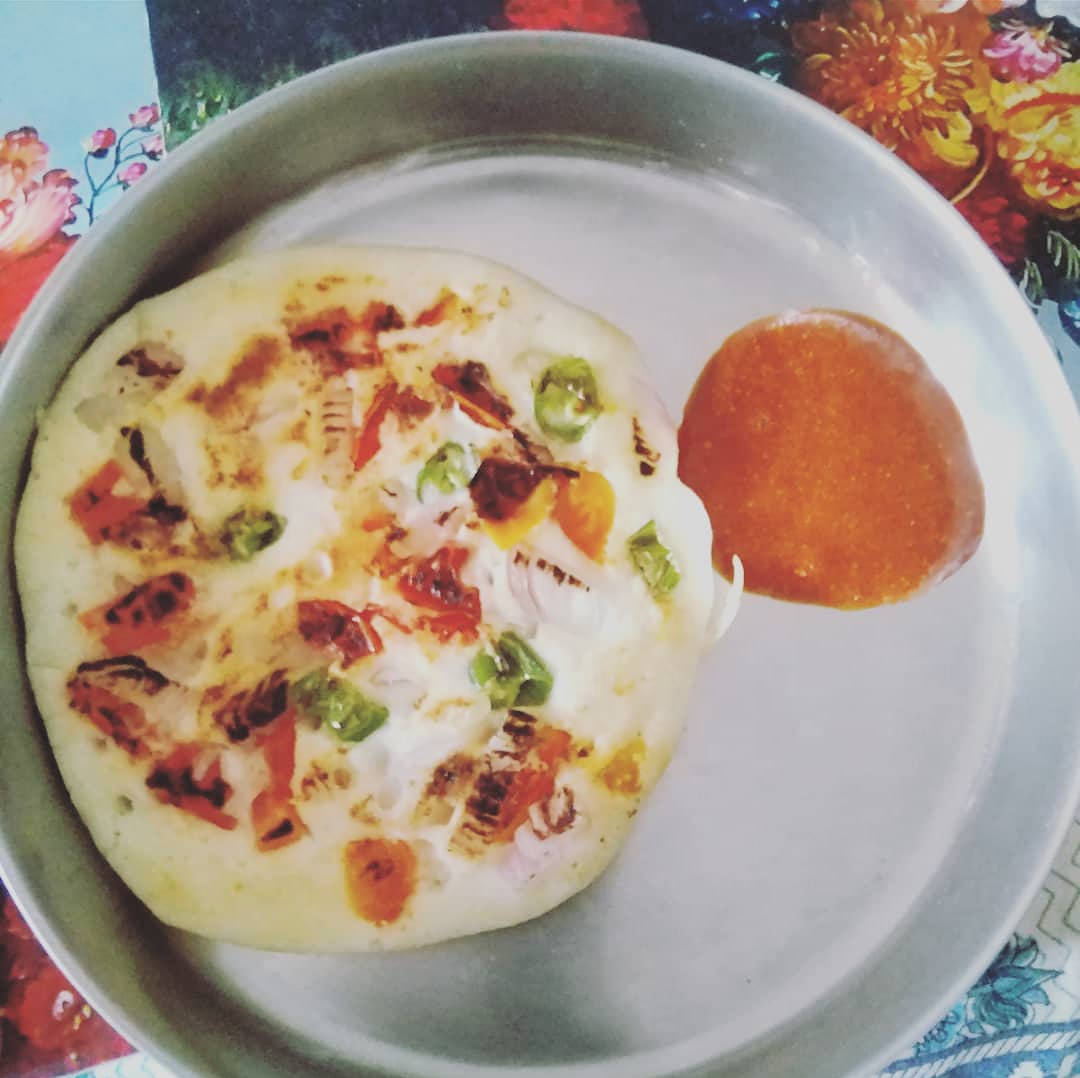
Known in Kerala as oothappam, uttapam is a close relative of the famous dosa. If you ask me (and since this is my list), I think uttapam is the superior rice-based breakfast food. Since I am the only person in this house that likes uttapam, I don’t get to eat it often.

I’ve jokingly referred to uttapam as Kerala-style pizza. It is basically a thick, soft, savory pancake topped with vegetables (mainly onion, tomato, and green chili). You can eat it with sambar and chutney, but I prefer to eat it plain. It’s delicious enough on its own.

Photo showing South Indian dish called uttapam.
This was my first try making it for myself.

2. Anchovy and Sardine Fry

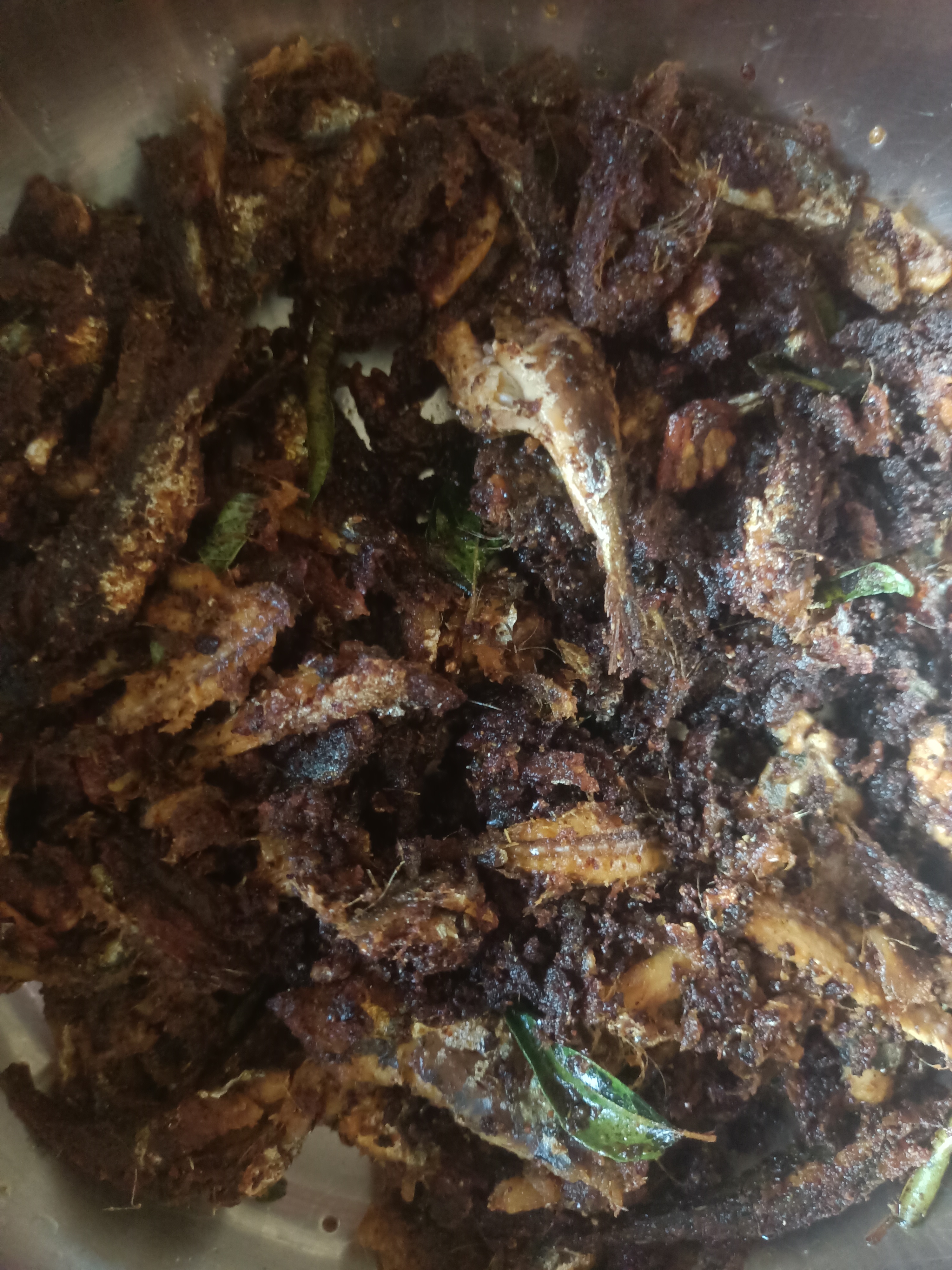
While uttapam is a rare treat for me, nettholi (anchovy) and mathi (sardine) fry are eaten at least twice per week. The fish are cleaned and marinated in a paste made from turmeric, black pepper, red chili, and salt. Then, they are fried until crisp, or if you’re me, until they are almost burnt.

I am not sure what makes these so delicious. But man oh man, couple fish fry with some Kerala red rice, pulissery, and mango pickle, and it is *chef’s kiss.* Man, I’m hungry already, and it’s not even lunchtime!

Photo showing fried sardines and anchovies
Nettholi/Anchovy fry

3. Thoran

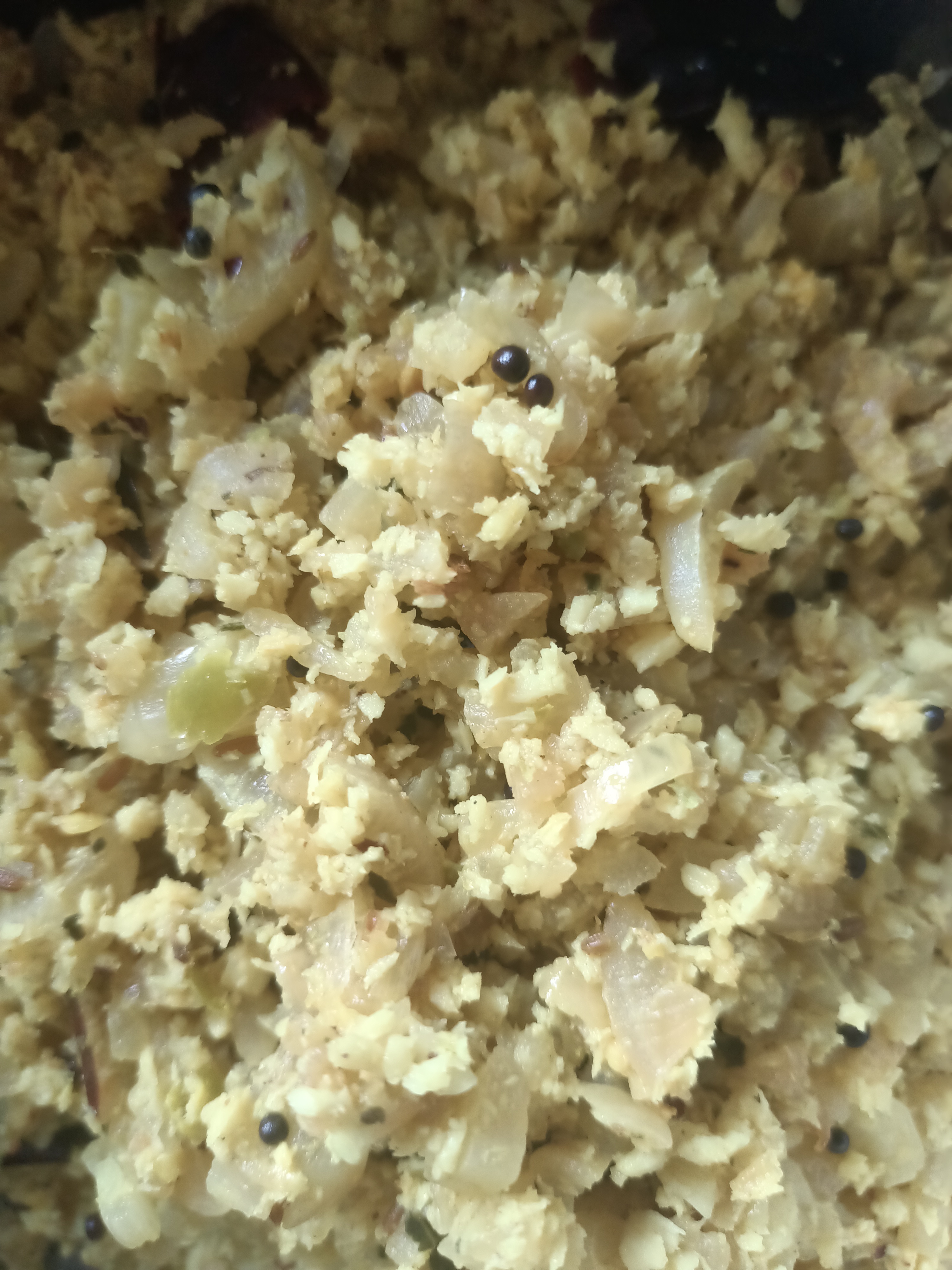
Thoran is a savory dish made from any vegetable you can think of and coconut. The vegetable is diced up, the coconut is grated, and they are both stir-fried to perfection with turmeric, cumin seed, and salt.

I have several types of thoran that I love – cheera (red spinach), beetroot, green beans, banana flower, and chakkakuru (jackfruit seed). Thoran is a dish you will find during meal time at least every other day in many households.

As ubiquitous as this dish is, I had a hard time finding it on any “best Kerala foods” lists!

Photo showing a type of thoran, a Kerala dish.
This is none of my favorites. It’s radish thoran. Still delicious.

4. Ghee Rice/Neychoru

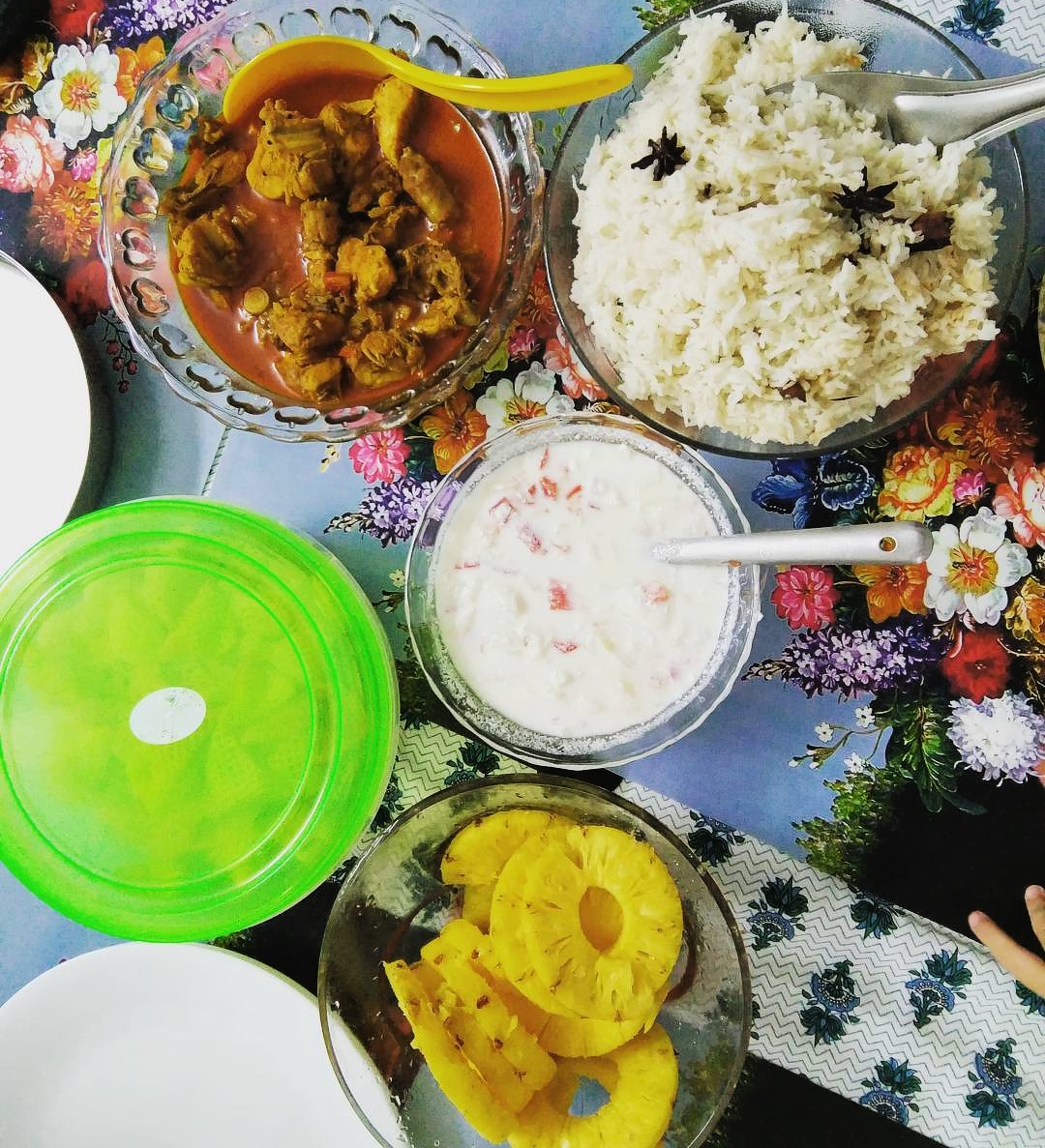
Ghee rice is self-explanatory. It’s made using a short-grained rice and ghee. However, whole spices like cinnamon, cardamom, cloves, and star anise are added for flavor, and the rice is topped with fried cashews, raisins, and onions. For me, the best part of this dish is the fried onions. Just hand me a plate of those please!

Let me pat myself on the back – I’ve perfected this dish. I received praise for my neychoru every time I make it. I serve it with chicken or mutton curry, raita, pickle, and papadum.

Photo showing a meal of ghee rice, chicken curry, raita, and pineapple.
My famous ghee rice is in the top right corner.

5. Bitter Gourd/Pavakkai Fry

Way back when I was in my first trimester and sick as a dog, I didn’t want to eat anything within a hundred-kilometer radius of our Calicut home. Nothing sounded good, and everything smelled terrible. One day I worked up a small appetite and asked Zac to bring me a veg meal from a nearby restaurant. By some small miracle, they served pavakkai fry in my meal that day, and I ate every last bite.

Pavakka, or bitter gourd, is a contentious vegetable. People either love it or hate it. It does have a bitter taste even after it’s cooked. I can eat pavakka in any type of recipe, but this one is my favorite. Similar to the fish fry, it’s marinated in a masala paste after slicing. Then it’s fried until it’s crispy. It’s normally eaten along with rice.

Photo showing karela/bitter gourd/pavakka fry.
My daughter, who hates most vegetables, loves this recipe.

6. Pulissery

Pulissery, also known as moru curry, is a curd-based curry. It can be made with only curd or with things like ash gourd, pineapple, cucumber or taro root. It’s usually tempered with mustard and fenugreek seeds, dry red chilis, shallots, curry leaves, and turmeric.

This is one of my favorite accompaniments for rice. But I could drink pulissery on its own. It’s that good.

7. Brinjal Fry, South Indian Style

I’m not entirely convinced this is a pure Kerala dish, but I’m including it. Brinjal, or eggplant, is much smaller here than in the US. I find it tastes better, but I’m unsure if it’s the vegetable itself that’s better or if it’s the preparations.

Anyway, this dish is made by slicing the brinjal, and then marinating it in a masala paste (see a theme yet?). It’s then fried until the edges are crisp, and the centers are soft. This is one dish I don’t make often because I eat them until they’re gone. Even if it’s in one meal. I have no shame.

8. Kappa and Meen Curry

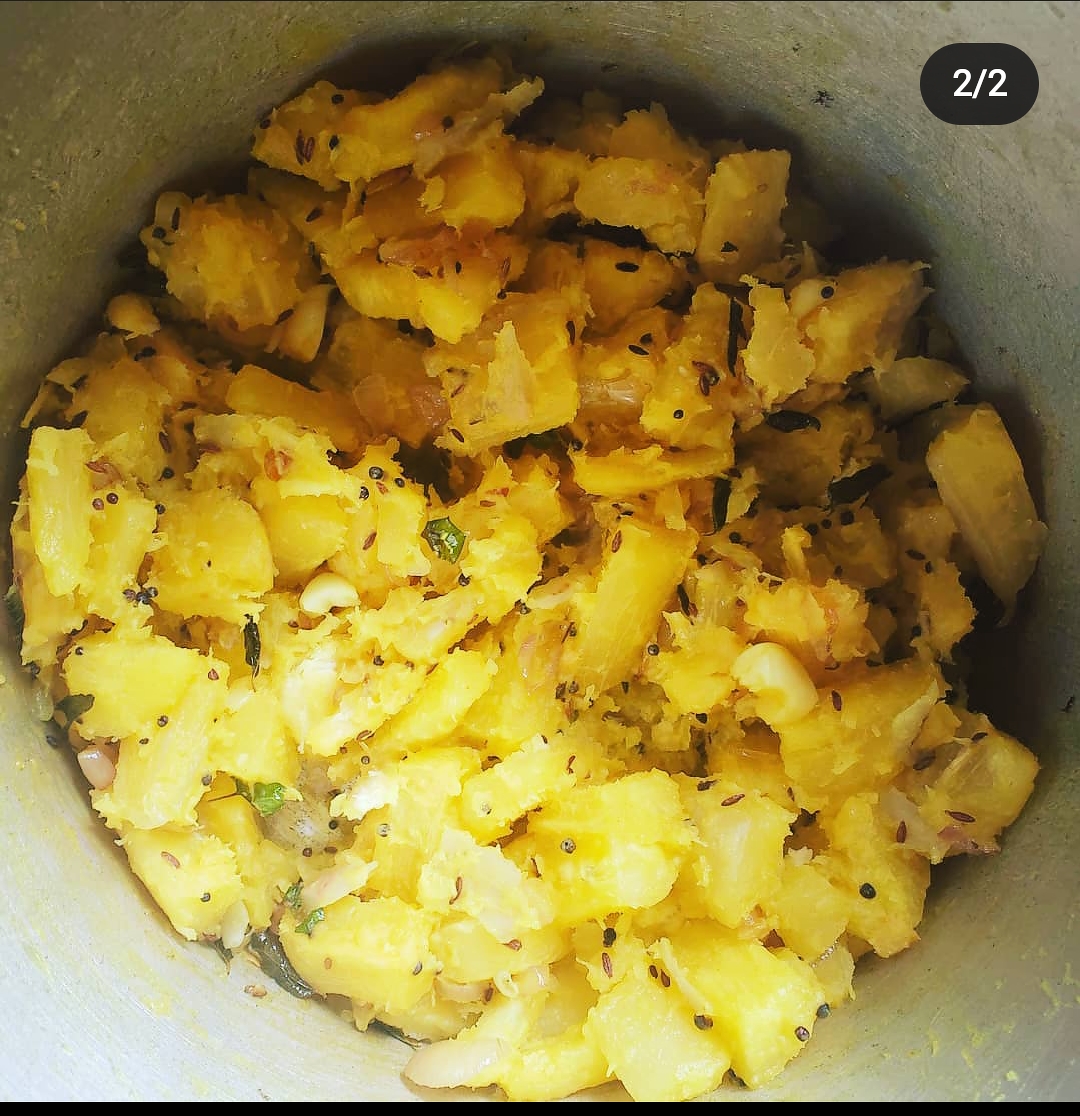
Okay, THIS is a popular dish, and one you will see on the “popular Kerala foods” lists. Many years ago, kappa, also called cassava, was considered a poor man’s food, but you’ll now find it in almost every five-star buffet! The cassava is boiled, mashed, and cooked along with coconut, mustard seeds, dry red chilies, and curry leaves.

Kappa is served with all kinds of curries, but I think the best combo is with red fish curry. It’s another one of those tangy, sour, and spicy curries that I adore, and I go back for seconds, thirds, or fourths of this delicacy!

9. Rasam

For sure, this dish didn’t originate in Kerala, but it’s consumed so widely in the state that I consider it part of local cuisine. I remember drinking rasam for the first time in a dingy Calicut canteen. I watched the locals throw their heads back and down the liquid, so I thought, “Hey, why not?” I lifted my steel cup and chugged the rasam, and my body went into brief shock. How could a soup pack so much flavor?

Like many recipes here, there are a few variations of rasam, but it almost always includes tamarind, black pepper, cumin seed, garlic, and coriander leaves.

Even though it’s more of a winter dish, I’ll down glasses of rasam on a hot summer day. I power through the sweating that comes post-drinking. I can’t get enough of the spicy, sour curries!

10. Thalassery Biryani

I love all kinds of biryani, so I had to put this on the list. Thalassery biryani is a special type of rice dish from Thalassery town in north Kerala.

Unlike most biryanis, which are made using basmati rice or another fragrant long-grained rice, Thalassery biryani is made with a short-grained rice called Jeerakasala.

Similar to neychoru, this biryani is cooked with lots of ghee, but then the rice is layered with cooked meat (chicken, fish, mutton, beef, etc.) and masala, and sealed so the flavors of the rice, meat, and masala blend together. It’s then topped with my faves – fried onions, cashews, and raisins.

One of the best biryanis I’ve ever had was from a little Thalassery biryani shack in Trivandrum. I tried a fish biryani that time. Everything aligned for that meal – the spices were just right, the amount of ghee was perfect, and the rice was neither too dry nor greasy.

One Dish That I Hate:

1. Puttu

I never felt more validated than when I read a story in March 2022 about a boy who wrote an essay on how much he hates puttu. Same, buddy, same. While the boy says it “breaks relationships” (I can only imagine!), I won’t go quite that far.

Puttu is always found on those “must try Kerala foods” lists, and I don’t get it. I have tried it in every possible way, and it’s not for me. It’s dry. The texture is gritty. And it tastes like paper. Sorry, Malayalees, please don’t kick me out (I also hate jackfruit)!

What are your favorite foods, whether they are from Kerala or elsewhere? What foods do you hate so much you want to toss them out the window when you see them? Let me know!


The Call of the Wild: Jim Corbett National Park

The sambar deer belted out its alarm call, staring into the treeline across the dried-up river bed. Safely perched atop the cliff in our gypsy, we watched the tensed animal as it decided how to avoid a terrible fate.

“There’s a tiger in there,” both our driver and guide agreed. But it wasn’t coming out.

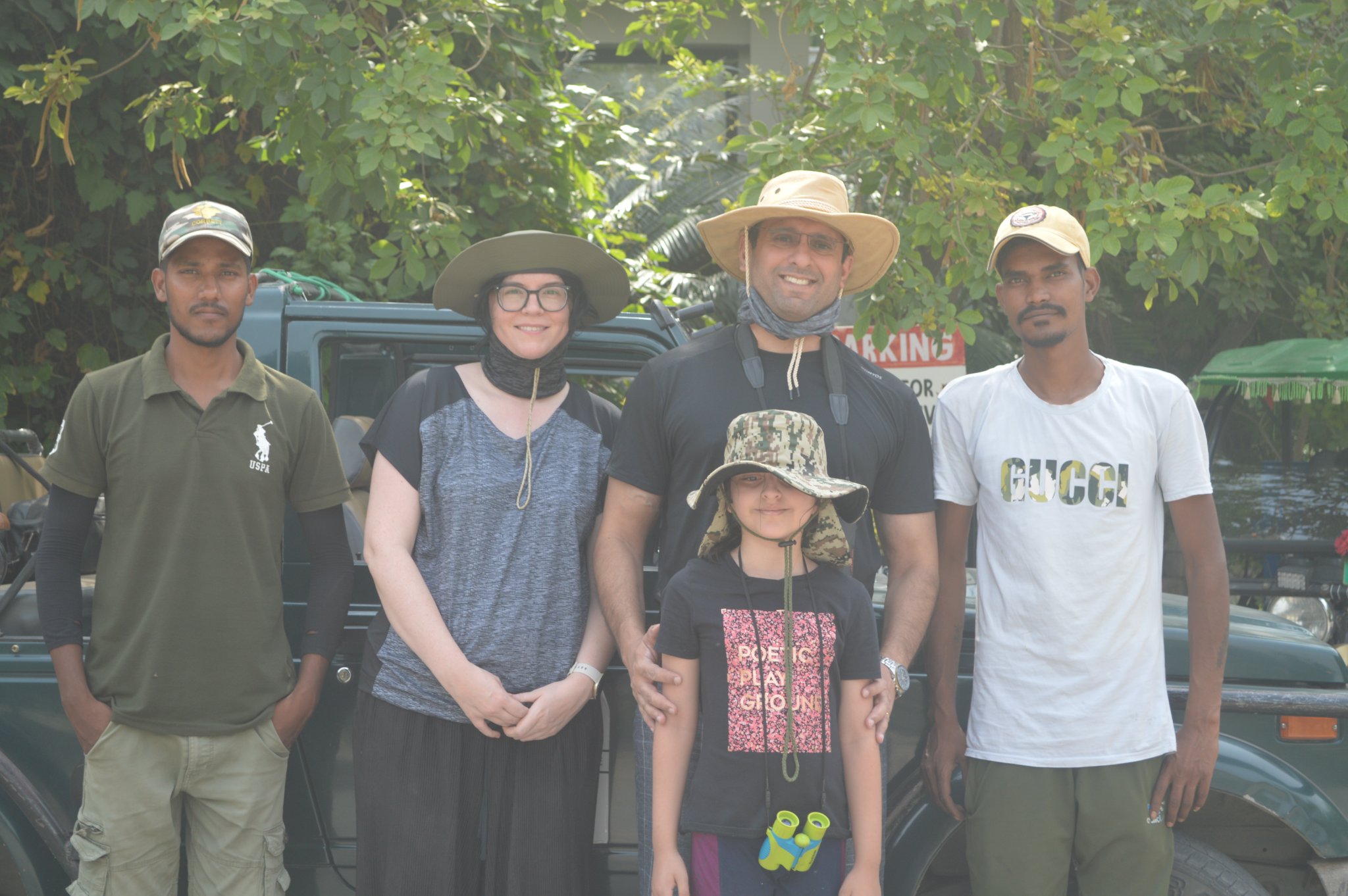
Five trips into the Dhela and Jhirna zones at Jim Corbett National Park, we had seen so many other amazing animals, but the tiger remained elusive. Our gypsy driver, Ravi Kashyap, and park guide, Chandan Singh Negi, told us that our best option was to wait on the cliff and see what happened. They were certain a tiger was resting just beyond our line of sight. Whether it would decide to come out was another thing.

Our fifth safari seemed to be on the hottest afternoon. As we waited in sweltering heat, my clothing soaked through with sweat, and my scalped itched under my broad-rimmed hat. Even though I had layered on sunscreen, I could feel the sun burning the skin on my arms.

I looked at my watch. Hardly fifteen minutes had passed. “Shouldn’t be much longer,” I thought. “That tiger must be thirsty in this heat.”

An hour later, the deer still milled about in its corner of the river bed, not moving beyond a perceived imaginary line. No further signs of the tiger. I was losing hope. The safari timing would be over soon.

A rhesus macaque in a nearby tree suddenly screeched in alarm. We watched as it stared in the same area as the deer had looked, and it hissed, screeched, and shook the branches. Other macaques soon followed. But after a few minutes, the excitement died down and things went back to normal.

I watched the treeline. Still no tiger. I started watching the birds in the trees surrounding our vehicle. How long would we sit here? At what point do you give up? Is it worth-

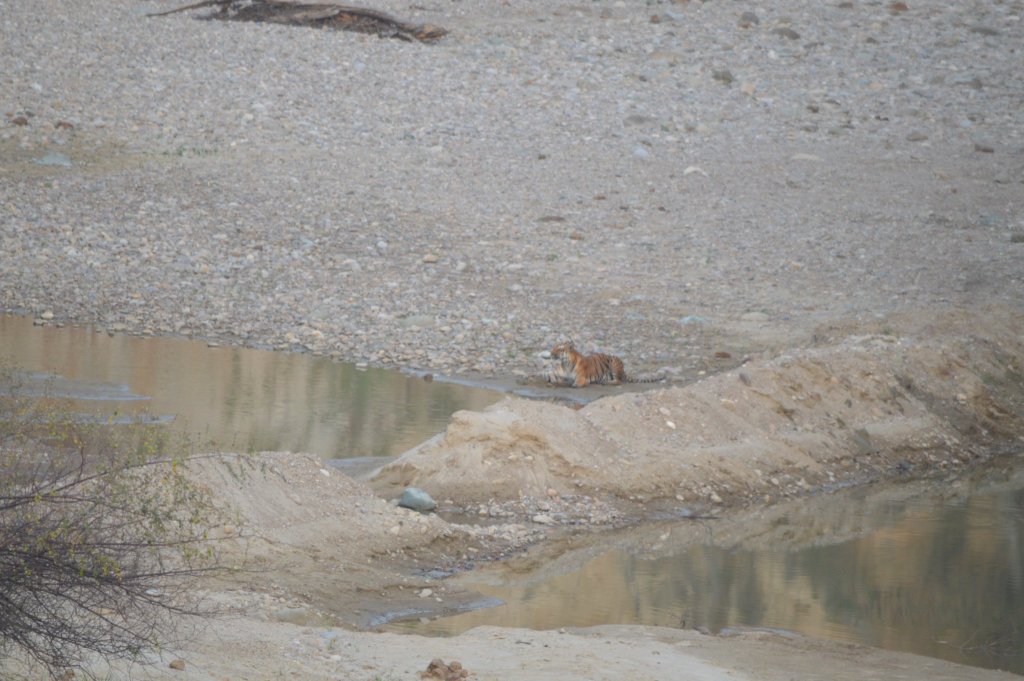
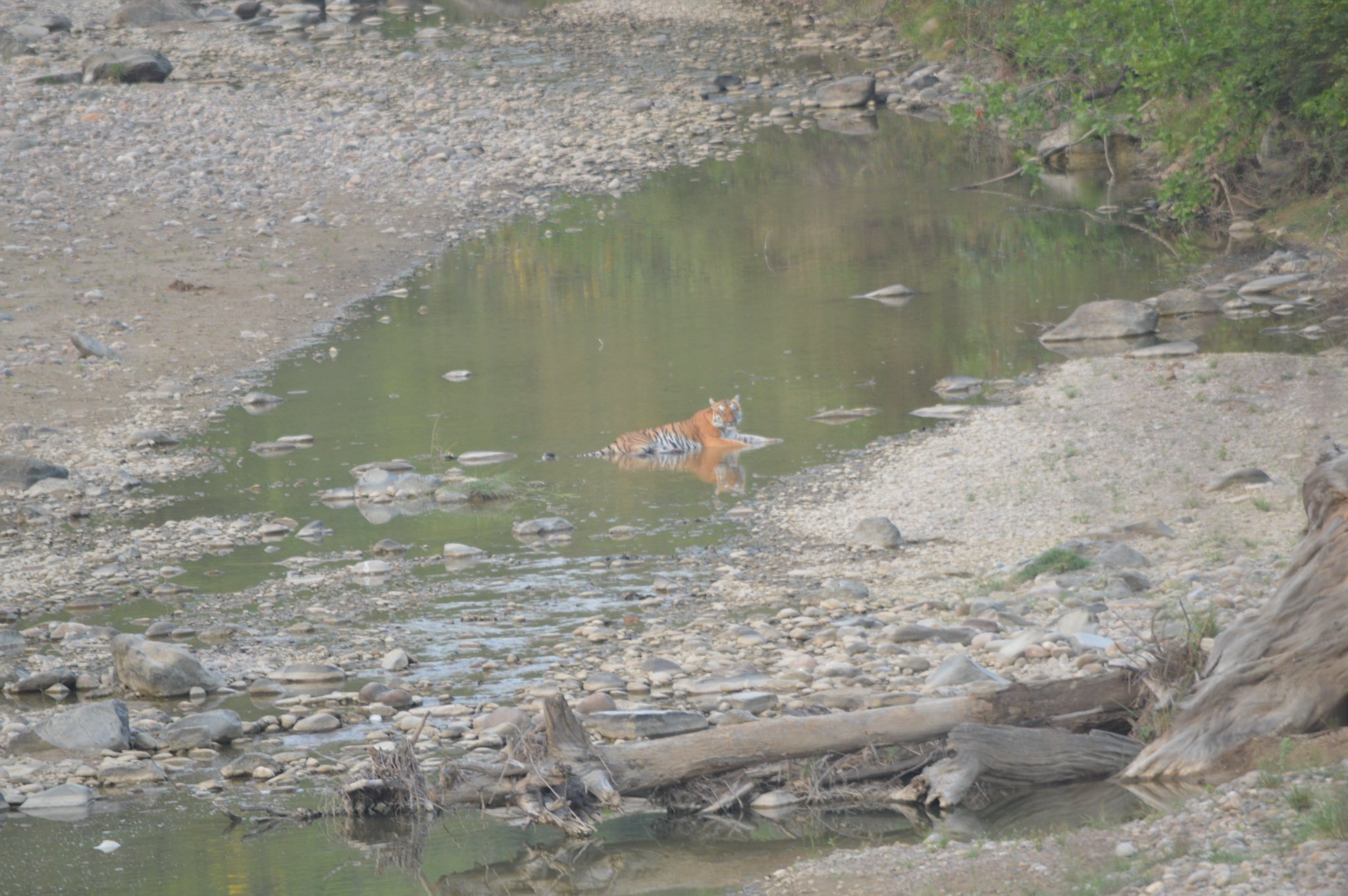
“Tiger, tiger!!!” our guide hissed, pointing at the riverbed. I stood up, turned on my camera, and started snapping photos before I even saw her. And there she was.

Pretty sure I kept muttering, “What a beautiful animal. Gorgeous. Stunning.”


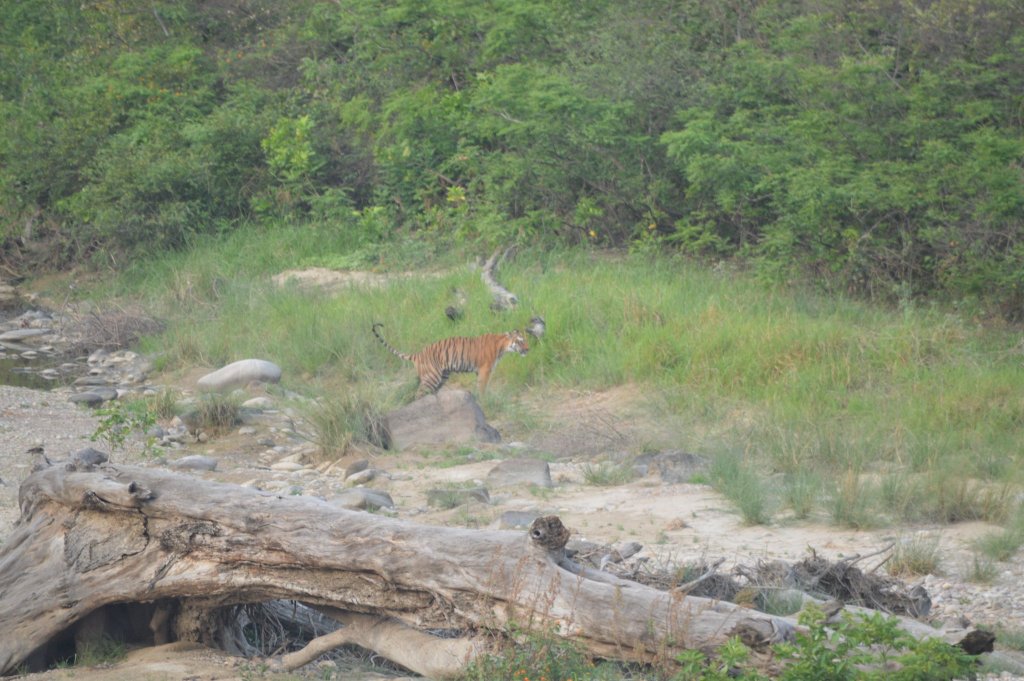
The tiger strode out of the treeline with what I can only describe as pure confidence and majesty. I know I’m personifying, but cut me a break. She glanced at the deer that cowered a short distance from her, but she didn’t want a meal at the moment. She needed a cool-down.

“If I fits, I sits.”

Since moving to India, I’ve had a handful of experiences that have felt surreal. I feel like I’m watching myself go through the moment. I get gooseflesh, and a warmth blooms in my chest. Like, who am I to see these things? Who am I to stand in front of the Taj Mahal? Or to touch the bullet-ridden walls at Jallianwala Bagh? Or to watch a Bengal tigress enjoy the cool water on a hot afternoon?

You know what? I’ll share a few more photos before I keep writing. She’s so magnificent and terrifying.

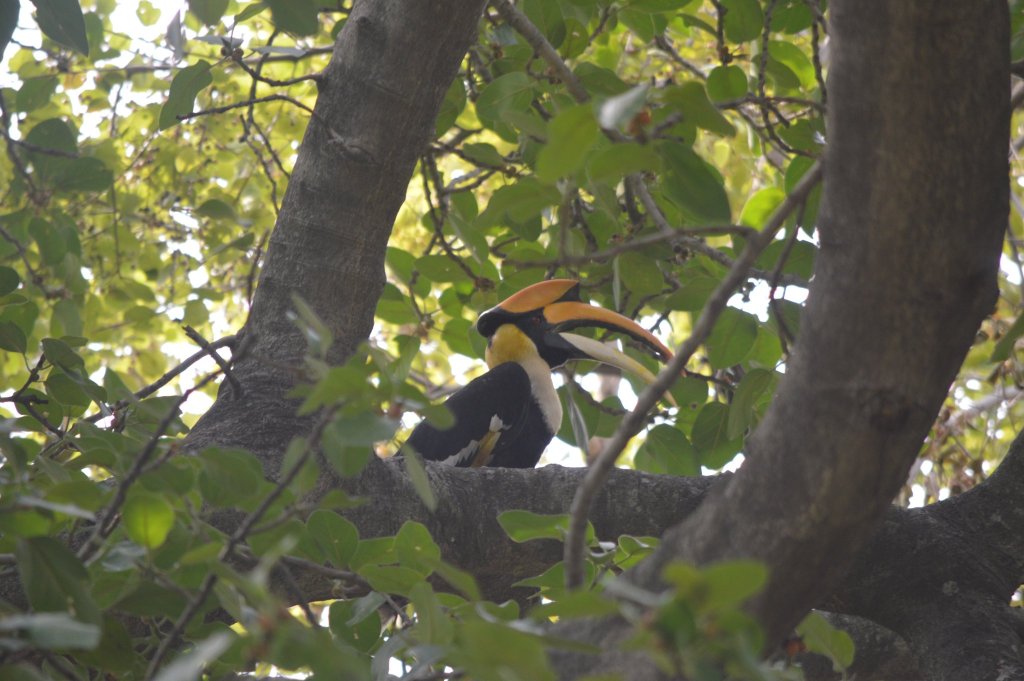
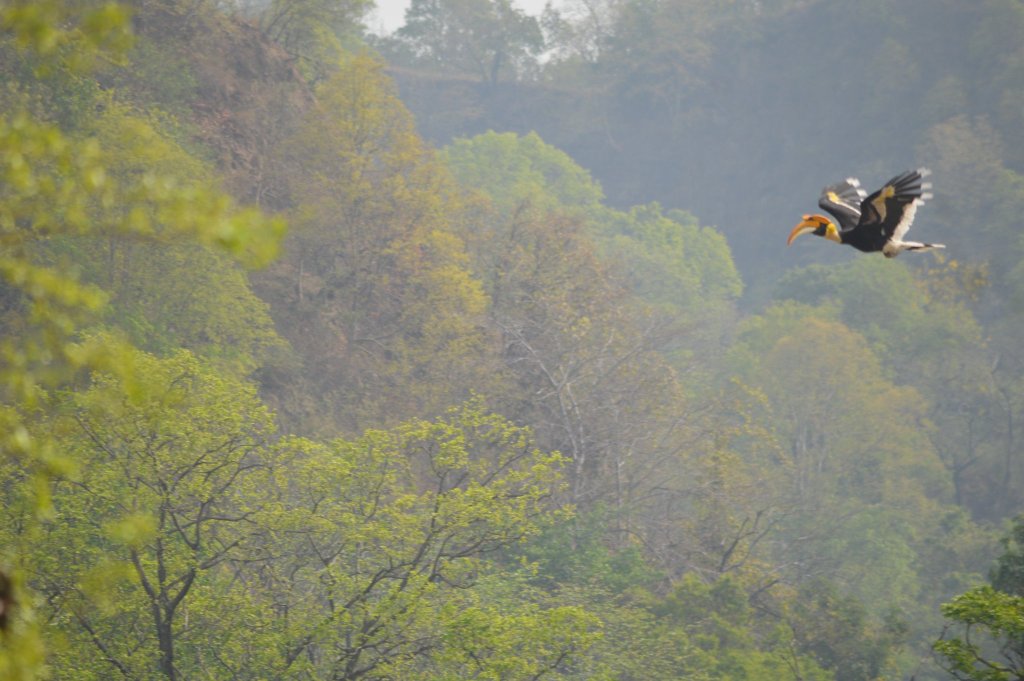
While I took video of the tiger, a great hornbill soared overhead, and by pure luck, I got them both in the same video. We didn’t see another tiger full-on during our remaining safari, but we were as excited to see “the tiger of the skies” twice. The great hornbill looks like it’s straight out of prehistoric times.

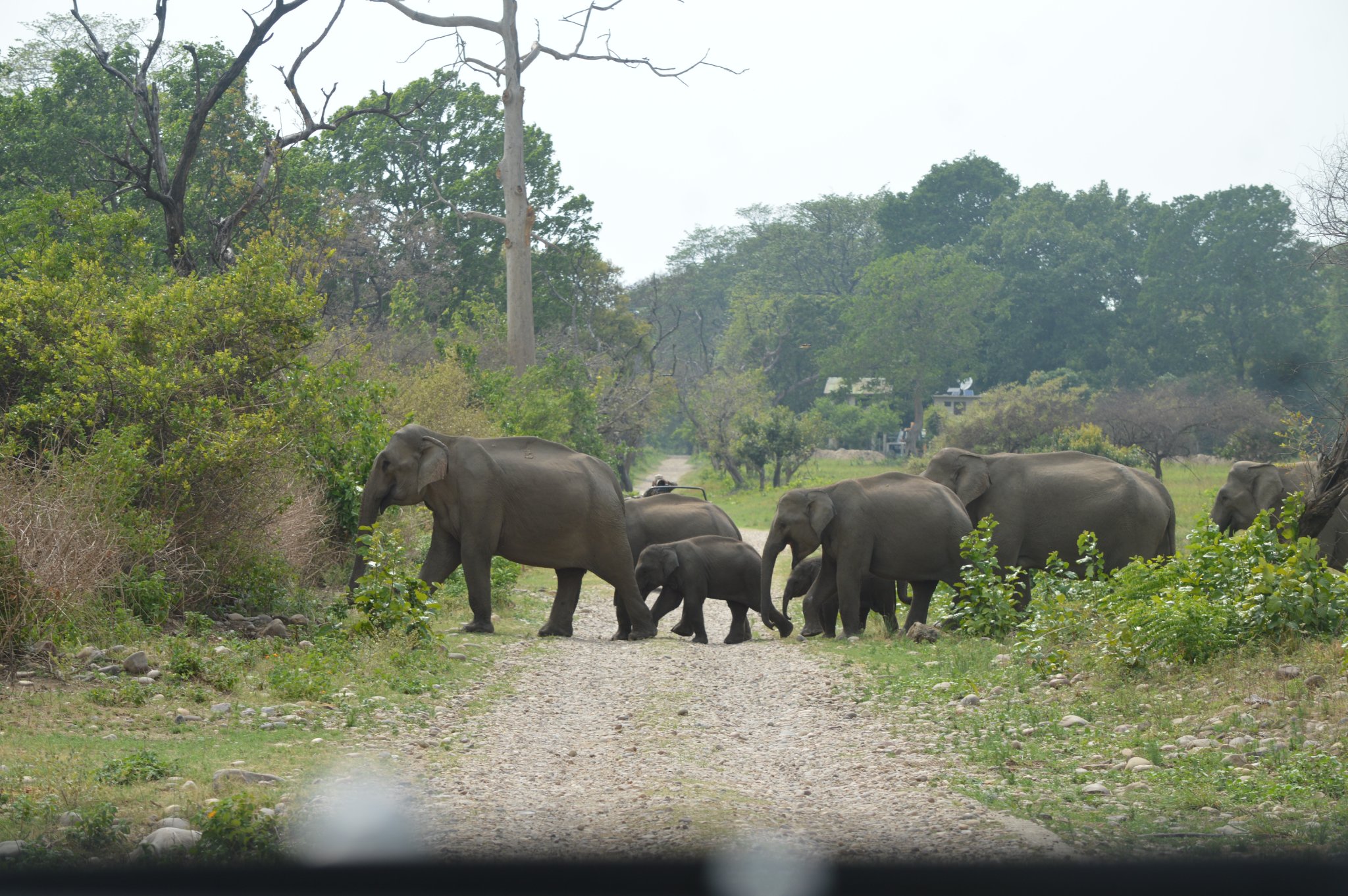
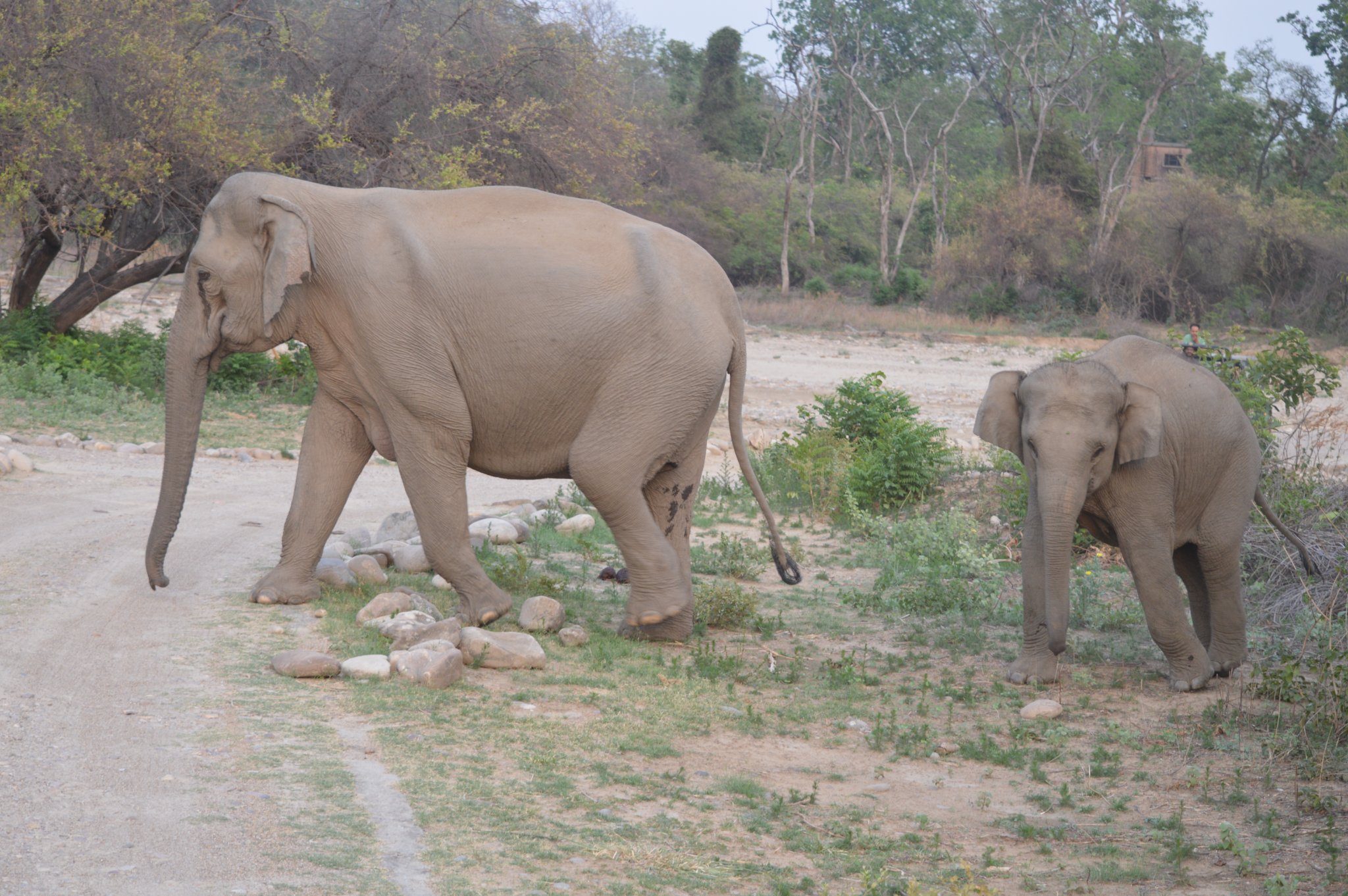
Each animal we saw at Jim Corbett National Park was given equal importance. From tigers and elephants to the smallest birds, our driver and guide showcased them all. In fact, our driver, Ravi, had eagle-eyes and spotted most animals and birds well before we could.

During our stay, I stumbled on a negative comment on social media about Jim Corbett National Park. The person complained the visit was a waste of time for her and her young son. They didn’t see any animals. Zoos are so much better. I told Zac when I read the comment to him that I wanted to share it here and use it as a teachable moment.

First, what the comment said is patently untrue. There are animals everywhere in Jim Corbett National Park. The forest teems with life. You can see it, hear it, and even smell it.

The reserve forest is thriving. We saw huge termite mounds up and down the dirt roads we traveled on. We heard sloth bears, barking deer, and birds in surround sound. And more than once, we smelled the putrid scent of death – nature returning an animal back to the earth.

Second, the above being said, if you go on only one safari, your chances of seeing the big guys (elephants, tigers, sloth bear) are small. Heck, we went on six and didn’t see a tiger until the fifth!

Jim Corbett National Park is a thick, deciduous reserve, and it is difficult to spot animals. The more often you go, the more likely an animal will cross your path. Remember, these are wild animals. They don’t exist for our entertainment. You need to be willing to put in the work and patience to appreciate these animals in their habitats.

And third, don’t take small children on these long safaris. I saw people with infants and toddlers in the hot sun, driving around on bumpy, forest roads. Please, don’t do it. Wait until they’re older, and they can appreciate what they’re experiencing.

We wanted to take Evelyn on safari for years. We are so glad we waited until she was older.

The morning rides were my favorite, even though it was too early for coffee. With the fresh cold air whipping through my hair, watching the open fields and expanse of trees, I forgot I was in India.

Instead, I was seven years old, riding with my dad in his pick-up truck through the dirt roads of Sullivan County, Pennsylvania, searching for white-tailed deer and black bear.

I’m not sure if it was even a real memory. But for a few seconds, my two homes, different in so many ways, were tied together in my heart. And that’s something precious I will always remember.

So, if you love and appreciate wildlife, visiting the oldest tiger reserve in India is worth every rupee. But you need to put in the work. Book a few safaris. Absorb everything you see. Breathe it in. Listen to your surroundings. Life is everywhere.

If you’re interested in visiting Jim Corbett National Park and staying for a few days, check out my review of The Golden Tusk, the resort where we stayed.
5 Tips For Loving Your New Country

Well, you did it. You packed up and shipped off to another country; your dreams of wanderlust coming true. Soon enough, weeks or months have passed, and you’ve settled into a routine. But things aren’t as fun as you’d hoped.

Your bathroom looks weird, beds and pillows are too hard or soft, and the grocery store doesn’t carry anything you like. The climate is too hot or cold. It’s exhausting trying to do anything official where no one speaks your language. Everyone else’s concept of time is different from yours.

These are small problems, but small seems huge when you’re away from what’s familiar. Before you know it, homesickness creeps into your stomach.

A lot of blood, sweat, and tears goes into living overseas. You need to break down your beliefs and values, maintain your boundaries, cry a lot, and laugh more than you cry.

Believe me, I know. I’m going on a decade here in Kerala, and my physical and emotional changes careened through ups and downs. I never had any desire to live in another country. I was content to live in or near Pennsylvania for the rest of my life. Well, life had something else planned for me.

When I arrived in Calicut, I was a starry-eyed newlywed, thrilled to live with my husband. Not one thing about India bothered me. Giant cockroaches? Fine. All-day powercuts? Bring it on.

Then our daughter was born, and I ran face-first into a cultural wall. Everything I found endearing became an imposition, and I went into an “I’m here on a long vacation” mindset. Over time, I pulled away from that thought and grew to love my life. Now, I can’t imagine living anywhere else but Kerala. No matter where I am, I’ll leave a piece of my heart here. It’s my home.

But it wasn’t until recently that I figured out how I fell in love with Kerala. There are a few definitive things I did that made me feel like I now belong here. So, for the sake of anyone plunging into a new culture, I’m giving the few tips that helped me the most.

1.) Be observant.

When moving to a new country, this is the best piece of advice. Observe people. Check out their behaviors. Watch what they’re doing, but even more importantly, watch what they’re not doing. I learned so much about how to behave in India by shutting my mouth and observing.

Some things I learned: eating with my right hand and without utensils, not crossing my legs when I’m visiting someone’s home, replacing handshakes with head nods when meeting someone. These are small things, but people notice when you do them differently.

2.) Learn the language.

You knew this was coming. I’m not telling you to only learn to communicate with people. That is, of course, the biggest benefit to studying a new language. You create and deepen new connections with native speakers.

Learning the language blows your world wide-open. You can understand a new slew of music, movies, jokes, and idioms. For me, few things have been more satisfying than finally understanding Malayalam memes.

Learning a new language has a host of benefits. It stimulates the brain, stalls cognitive decline, and boosts creativity! So get signed up for a class and start your language journey!

3.) Throw yourself headfirst into the local culture.

Throwing yourself into anything when you’ve moved to a new country seems like the last thing you want to do. But please trust me on this one. It gives you an enormous appreciation for your new home. Take a dance class, a singing class, an art class. Pick something and try it, even if you’re terrible forever.

Learn the history of the art form. Attend a local performance or exhibition. You won’t regret it.

As for me, I’ve written before that I learned (and am still learning) mehndi. And right before the pandemic, I started Bharatanatyam lessons, which I love, love, love. Both have rich histories, and I gained new admiration for all mehndi artists and Bharatanatyam dancers.

4.) Cook the food. This, my friends, is what pulled me out of my cultural adjustment funk. When you cook the local cuisine, you tie yourself to much more than the food itself. You become connected to history, language, and relationships.

Recipe by recipe, I restored my self-esteem by perfecting a huge part of Malayalee culture – their food. Pride wells inside when I hear a Malayalee say, “Brittany is an expert in making biryani.”

5.) Stay humble. Over the years, I’ve lost count of how many times I’ve culturally screwed up. It’s fine to make mistakes! But when Zac would explain how to avoid issues in the future, I’d rear up and demand why I had to change my behavior. The answer is rather dissatisfying: Because I had to.

Remaining culturally humble isn’t easy. It requires daily self-reflection: wondering how I can better communicate with and listen to people, and how I can better show my respect. It’s understanding the history and dynamics of where you’re living.

There is no sensitive way to say this, but it is neither your job nor your place to change the society where you live. Instead, amplify the voices of locals and citizens who are already changing things. They have done the hard work and deserve recognition.

I hope no one has read through this and now believes I sit stiff as a board and don’t speak so that I don’t offend anyone. If that was true, I wouldn’t have written this. Around friends and family here, I am totally myself. Frankly speaking, though, I am not the same person as the one who existed a decade ago, and that’s a good thing.

And there you have it. My five main tips for adjusting to a new country. While these won’t solve many other daily frustrations (a whole other ballgame), I hope they help people appreciate their new homes.