Etymology of Sugar and Candy: A Sweet Journey

As we are between the festivals of Diwali and Halloween, I thought it would be appropriate to do a shorter etymology post.
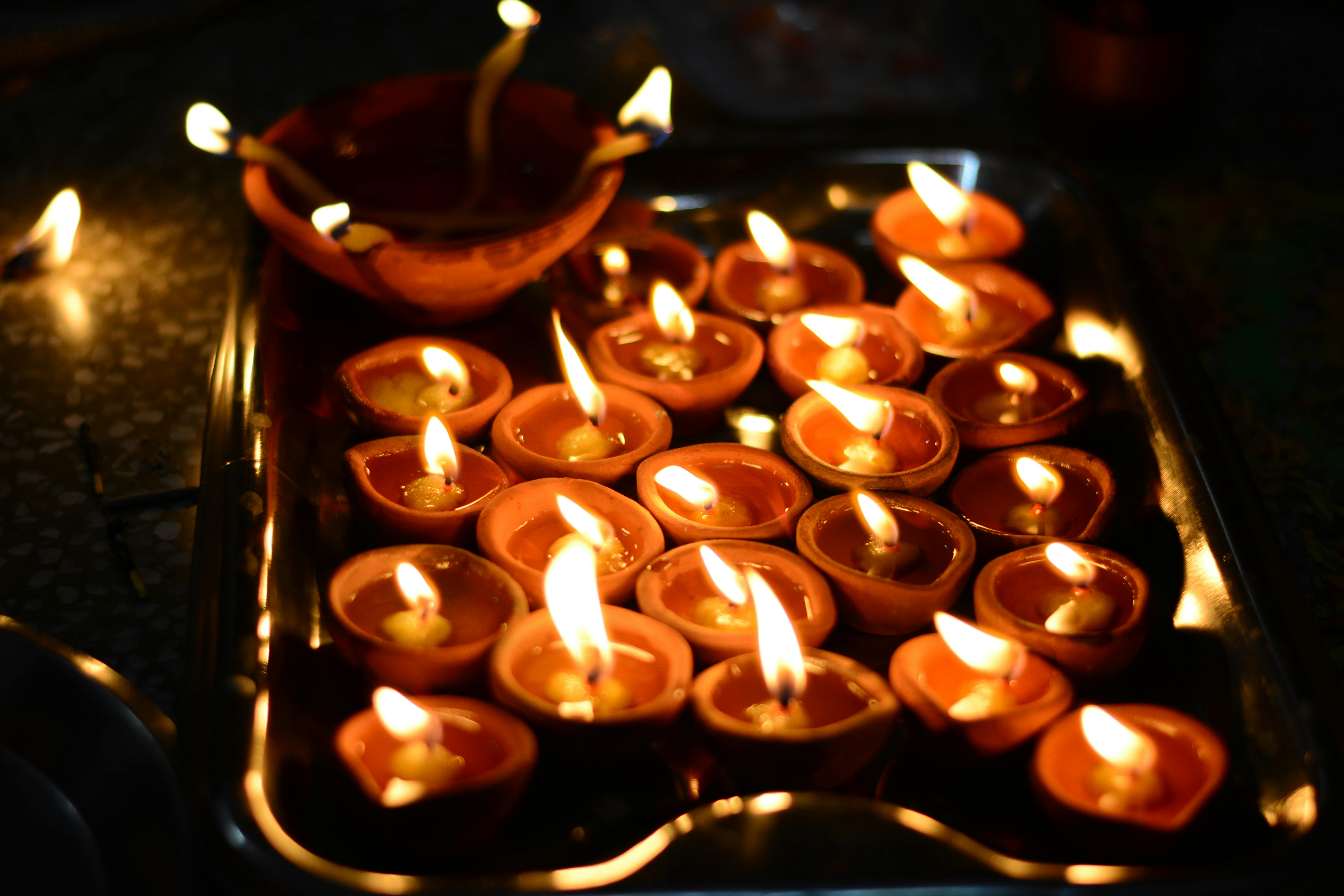
Diwali, the Festival of Lights, celebrates the triumph of good over evil and light over darkness. You’ll find homes lined with diyas and lamps, fireworks and sparklers, and lots of sweets.

Halloween, on the other hand, brings a sense of eerie mystery, with costumes, carved pumpkins, and candy capturing the season’s spookiness rather than light and renewal.
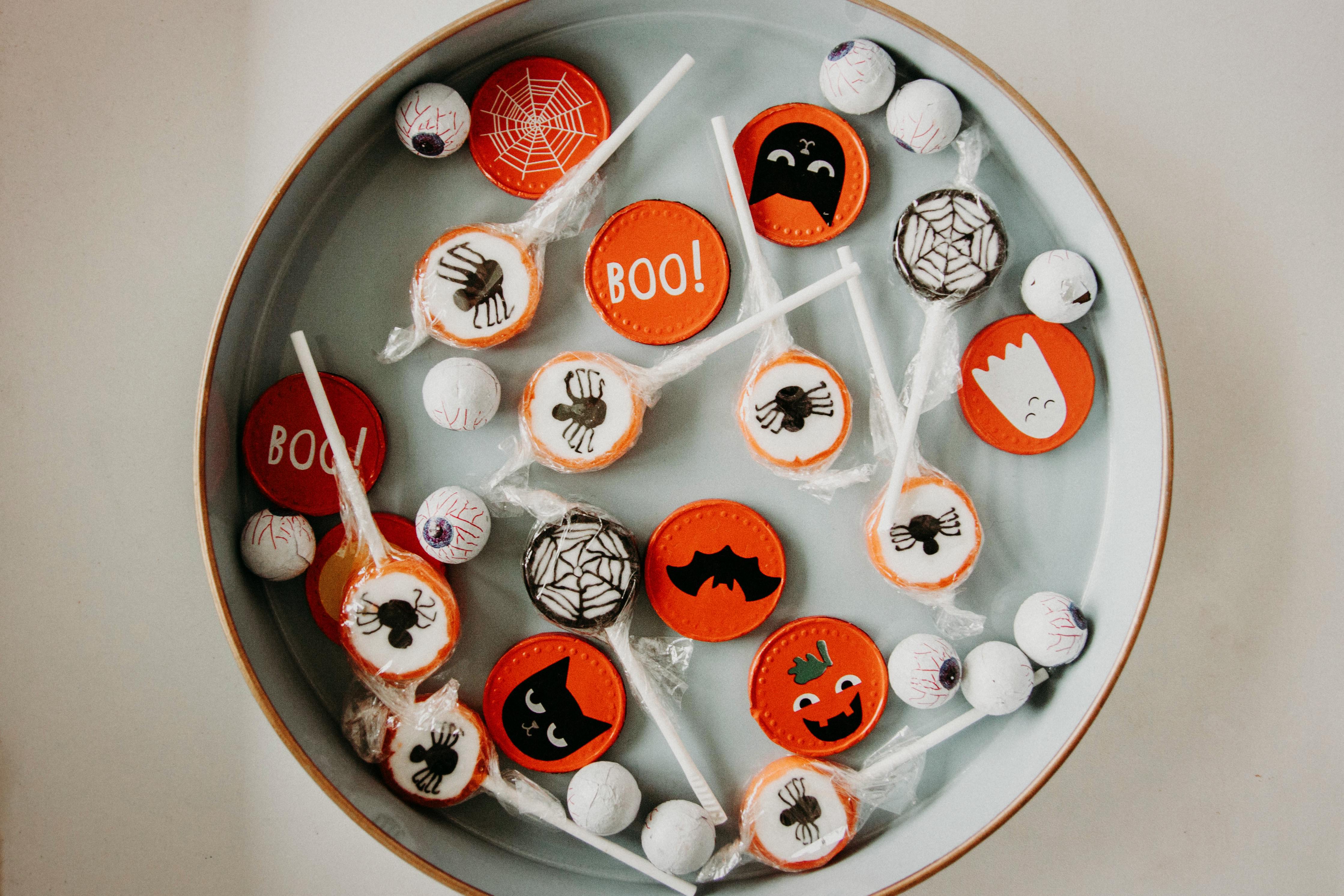
But did you notice what these holidays have in common?

Sugar and candy. But where did these sweet words come from? Hidden in the syrup of gulab jamun and beneath the wrappers of Reese’s pumpkins is a fascinating linguistic journey, one that travels across continents and millennia, from ancient India to medieval Europe, carrying the legacy of trade, language, and humanity’s desire for sweetness.


From Sanskrit to Sugar

Before candy bars or kaju katli, there was śarkarā (शर्करा), the Sanskrit word for “ground or granulated sugar.” Originally, śarkarā referred not to refined sugar but to small, gritty pebbles or crystals. As Indians began refining sugarcane juice into crystalline form (a process perfected in the Indian subcontinent over 2,000 years ago) this miraculous sweet substance took on the name śarkarā.

Through centuries of trade along the Silk Road and maritime spice routes, the word śarkarā took on new forms in new languages. In Prakrit, an ancient vernacular in North India, it became sakkarā, which Persian traders adopted as šakar (شکر). The Arabs carried it onward as sukkar (سكر), and medieval Latin scribes recorded it as succarum or zucarum.

By the time it reached medieval Europe, the word had solidified into Old French sucre and Italian zucchero. From there, English borrowed it as sugar in the 13th century.

So the next time you sprinkle sugar into your pumpkin spice latte or stir it into your kheer, remember you’re using a word that began in Sanskrit and traveled the world through trade and culinary innovation. Every grain of sugar is a speck of history, carrying both the memory of ancient India’s language and its ingenuity.

A tldr version of the history of “sugar”

śarkarā -> sakkarā -> šakar (شکر) -> sukkar (سكر) -> succarum -> sucre/zucchero -> sugar


The Story of “Candy”

If sugar is the mother of sweetness, then candy is its offspring. This word also has roots in India, from khaṇḍa (खण्ड), meaning “piece” or “fragment.” When sugar was first crystallized, it often formed into large blocks or shards, which were broken into khaṇḍas, pieces of sweetness.

Persian merchants, who became experts in the sugar trade, adopted the word as qand (قند), meaning sugar or sweet substance. Arabic then transformed it into qandī, meaning “made of sugar.”

This Arabic form found its way into European tongues through the bustling trade of the Middle Ages, first appearing as Italian candito and French candi (as in sucre candi, “crystallized sugar”). By the 14th century, English had adopted the word as candy.

The original “candied” goods were fruits or nuts preserved in sugar, luxury items fit for nobles and festivals. Over time, as sugar became more widely available, candy came to mean any sweet confection. And by the 20th century, it had taken on its modern association: the sugary bounty of Halloween night.

A tldr of “candy”

khaṇḍa (खण्ड) -> khaṇḍas -> qand (قند) -> qandī -> candito/candi -> candy


A Trick and a Treat for the Mind

So when a costumed zombie knocks on your door shouting “Trick or treat!” or your aunty sends you a package of soan papdi, remember that even the word “treat” shares roots with trade and exchange. Sugar and candy are just two of the words (and wonders) we’ve borrowed from India.

Each piece you unwrap or spoonful you dissolve in your tea carries a soft echo of its past: fragments of Sanskrit, Persian, and Arabic melted together through centuries of travel and taste. Like sugar, language preserves what it touches, crystallizing memory, meaning, and migration into something still on our tongues. Sweet, isn’t it?

Tadka: Learning to Name the World

Opening Note:
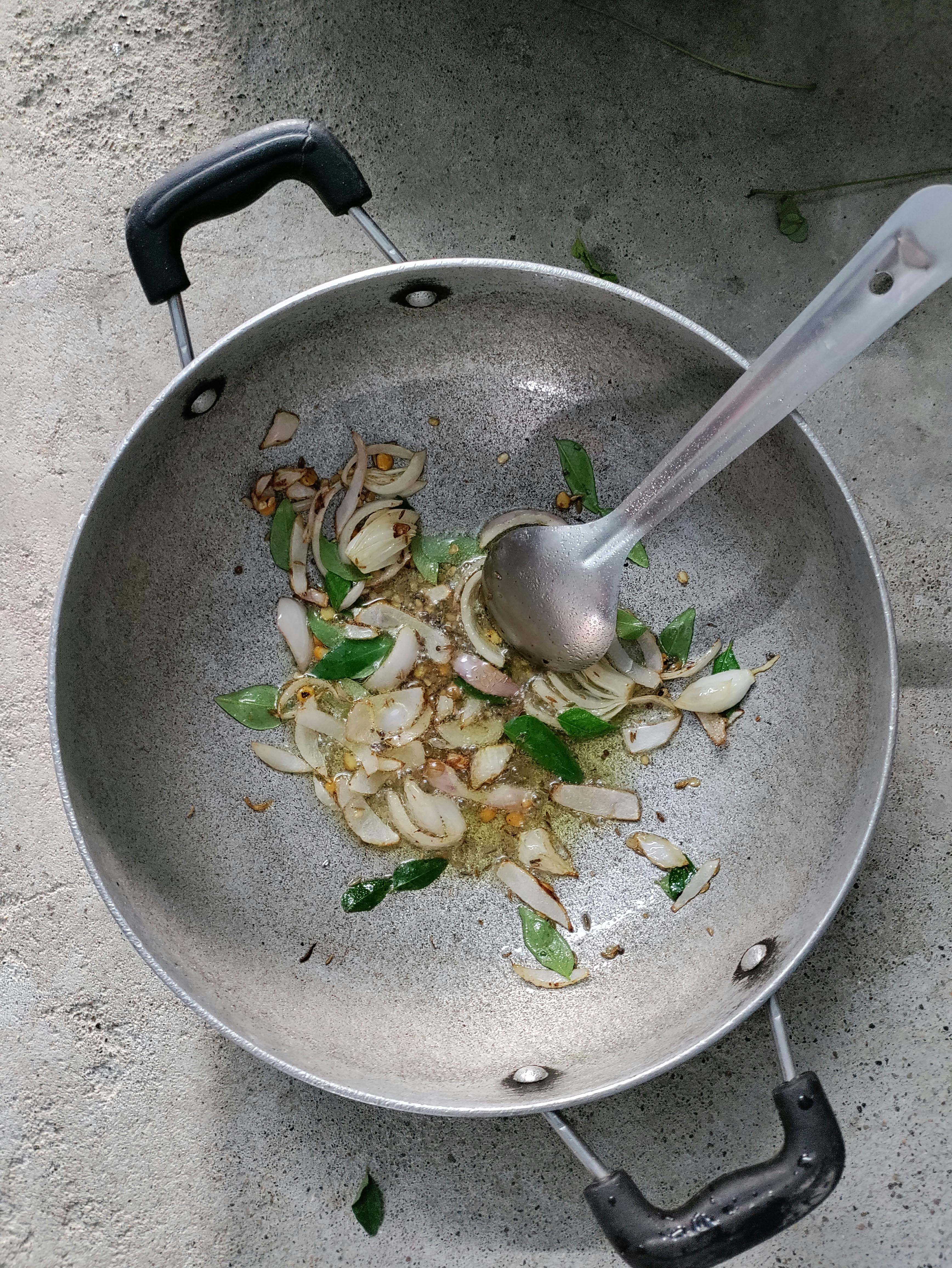
One of the first things I learned in Kerala was that food speaks to you. When mustard seeds splutter in hot oil, it’s a signal: add the curry leaves, the shallots, the chillies. Over time, I realized language works the same way. It teaches me when to pause, when to listen, and how to name the world with new words.

Tadka (To My Younger Self)

When the mustard seeds splutter,
that’s when you add the curry leaves, shallots, and chillies.
Call them by their names: kaduk, kariveppila, ulli, mulak.
Repeat them, ketto?
They will be your anchors later.

You will learn the names of vegetables, fruits, grains first,
by accident.
Your ears will be covered in scales until they aren’t,
and rice, fish, turmeric will become chor, meen, manjalpodi.

Hold on to the astonishment of learning them,
tracing the seas they’ve crossed,
the shores they’ve touched.
Remember, Babel wasn’t a punishment.
It was a gift:
a doubling, trebling of names
for tomato, onion, wheat.

You will want to tell someone about this wonder,
but you will feel alone.
In India, they will shrug,
we know these things only.
At home, eyes will glaze over.
You’re allowed to marvel anyway,
maanasilaayo?

You will still want to shrink into a corner,
fear and self-doubt strangling you.
But you’ll press forward anyway,
shoulders tight, breath shallow, heart pounding.

It’s the same acceptance of terror that gets you
through airports, onto planes
to your mother, father, and brother,
not to relive the old days, but to
build new ones–
good times, now,
with their granddaughter.
You learn to do what must be done. 

On these visits, you will pass your grandparents’ house.
You’ll see black trash bags slumped on the porch,
weeds swallowing the yard.
Look away if you must.

When you walk inside for the last time,
you’ll search for their scent in the damp,
unheated walls of late winter.
It won’t be there.
You will realize:
loss doesn’t wait for your return. 

And still, the seeds will pop
when oil meets flame.
The crackle is now, never then.
It will not pause for a house
that now belongs to someone else.

Fragrance will rise, sharp, insistent.
The present will announce itself
in smoke and spice.

So listen, mol:
you don’t need to live inside what is gone.
Stir the heat into what is here.
Add the zest.
Name things as they are.
Find beauty in words for what’s to come.
Eat while it’s hot.

Memory will cool soon enough
on your tongue.

Closing Note:
The crackle of mustard seeds hasn’t stopped surprising me. It’s a small sound, but it reminds me that life is always beginning again, in kitchens, in words, in the ways we honor our pasts.

Image from Pexels.

The Mango and the Map of Language

In Kerala, mango season begins quietly. A lone vendor sets out a crate of glowing yellows and blushing oranges, sometimes tinted with stripes of green, by the roadside. Then another vendor appears. And another. 

By May, mangoes seem to be everywhere: stacked in pyramids on rickety tables, carted down alleyways in woven baskets, filling the dining room with a pungent sweetness as they ripen. 

We wait to buy from a vendor near our home, who snags the best variety, the best quality. He and his wife also make a mean mutton soup. 

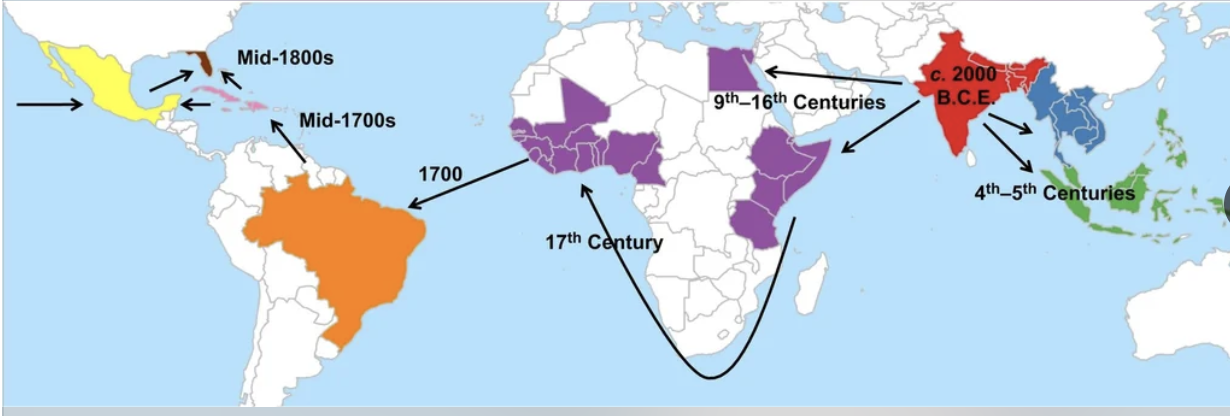
A non-exhaustive list of all the mangoes in India.
The journey of the mango through centuries.

It’s easy to take this fruit for granted. There’s mango season, and there’s the waiting season, like the steady ticking of a clock.

But too often, we separate ourselves from the journey our foods make, from the backbreaking farm labor and the heartbreak of a lost mango crop in a too-rainy summer season, to the post-workout smoothies of the privileged. 

And if the fruit itself has such a fraught journey, then what about the word mango? Where did it come from? Which cultures first used it? How did it weave its way into English?
From Malayalam to the World

The English “mango” traces its roots to māṅṅa (മാങ്ങ) in Malayalam, the language of Kerala. But the journey of a word is rarely straightforward. Some scholars suggest the Portuguese first heard it from Malayalam speakers, while others argue it came from Tamil neighbors, who called the raw fruit māṅkāy (மாங்காய்) and the ripe fruit māmpaḻam (மாம்பழம்). Since Malayalam and Tamil are both part of the Dravidian language family, it’s difficult to pinpoint which word sailed west first.

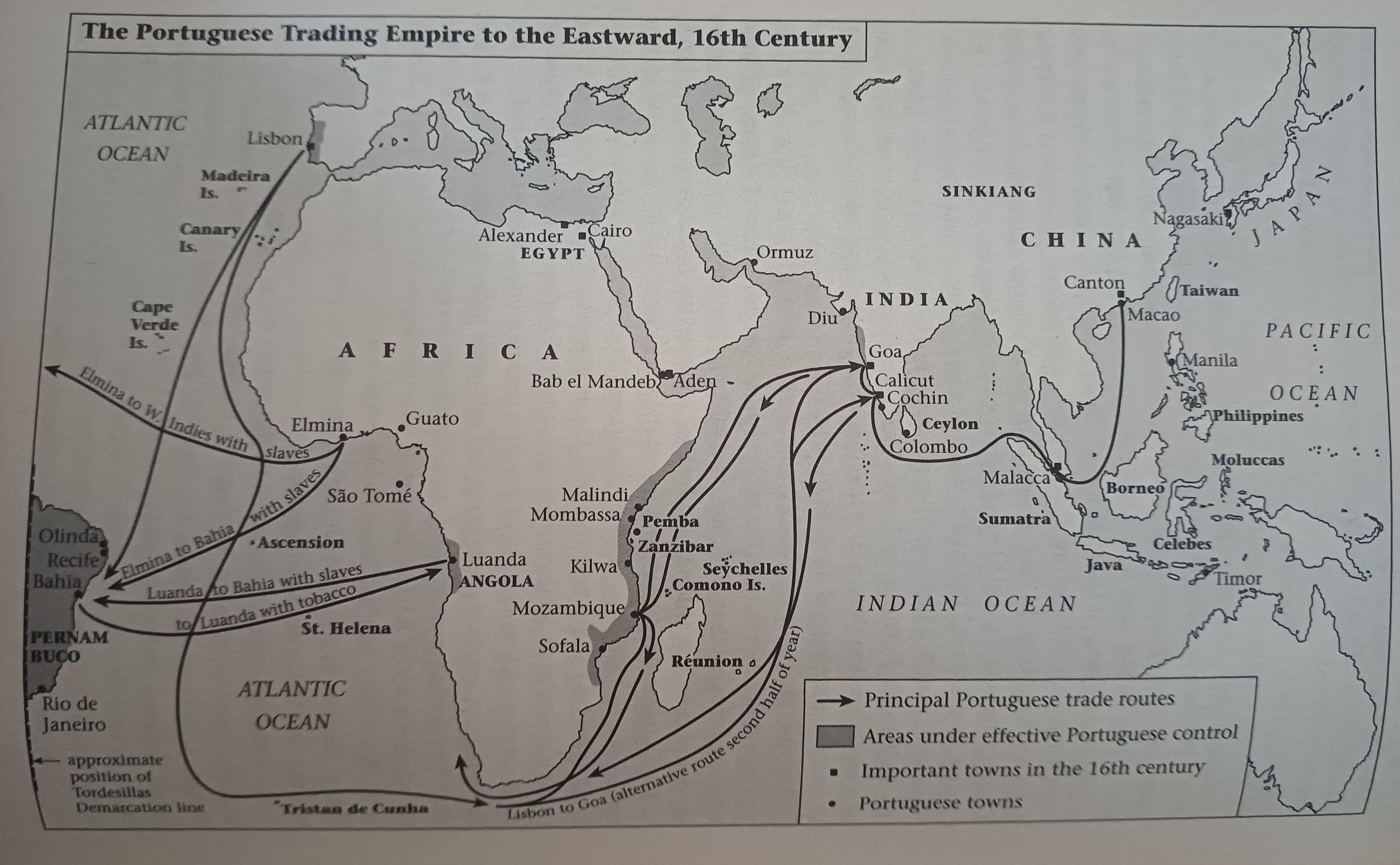
Portuguese traders adopted it as manga during their 15th-century spice voyages. By the time they established a sea route to Europe, Arab traders had already been exporting Kerala’s spices, and words like naranga (orange), for centuries.

From Ostler’s book mentioned below. The Portuguese trading empire.

In 1498, Vasco da Gama succeeded where Columbus had failed: charting a direct sea route to India and landing on the Malabar Coast. This was likely when māṅṅa first touched a Western tongue.

As with most colonial encounters, da Gama’s arrival brought more than trade. It brought upheaval; an attempt to claim, exploit, and remake a culture the Portuguese barely understood. Like every empire, they left behind a tangled legacy: trade routes that changed more than cuisines, and violence that uprooted lives.

From 1498 onwards, manga traveled into French and Italian, then into English, with the first recorded use of “mango” appearing in 1582.

For a time, “to mango” was even a verb in colonial America, meaning “to pickle” (which is why some places still call green bell peppers “mango peppers”).

Today, we’ve untangled mangoes from pickles and peppers. But the legacy of colonialism is not so easily resolved.

But there’s a truth here worth admiring: a tiny word like māṅṅa can travel across oceans and centuries, weaving itself into English. Every time someone says “mango” in London or Philadelphia, they’re unknowingly speaking a fragment of Kerala’s language.

 Language as a Recipe Book

But it isn’t just mango. Our English-speaking homes and kitchens are stocked with Indian words carried along trade routes and colonial corridors:

  • Chutney (from Hindi chaṭnī)
  • Curry (from Tamil kari)
  • Bungalow (from Hindi banglā, meaning “Bengal-style house”)
  • Shampoo (from Hindi chāmpo, “to knead”)

Each word is an artifact, if only we take a moment to wonder. They are small testaments to hands that stirred, chopped, hammered, and kneaded across centuries, reminders of the histories and people behind them.

The Journey Hidden in a Word

Now, when I bite into a mango here, I taste more than its layered sweetness. I hear the word’s journey too, spoken first by a Malayali vendor in Trivandrum, sailing across seas and empires, and scrawled on a supermarket sign in Pennsylvania.

Language carries more than meanings. It carries fragments of history and home, especially for those caught between roots.

For Further Reading (if you crave more about erstwhile empires and their legacies):

  • Empires of the Word: A Language History of the World – Nicholas Ostler.
  • Inglorious Empire – Shashi Tharoor
  • The international swap trade in useful words, BBC Magazine (2014)
  • Arrival of Portuguese in India and its Role in Shaping India – Col. (Dr.) D. P. K. Pillay (2021)
Top post on Blogchatter

Back in Kerala!

I’ve been back in Trivandrum for almost three weeks now. So far, I’ve readjusted to the humidity and heat and the fact that I will never be able to do anything with my hair here besides just letting it be a poofball. And it’s great to be able to relish South Indian food again. Thank goodness the repulsion didn’t last. Speaking of food, I don’t have to cook much anymore either. My husband hired a maid/cook for me so I can just live the life of (pregnant) Reilly. And it’s a good thing there was someone here to cook for the first several days especially because I was out of commission with jet lag. I blame that on Little Bean.

And I think Lil’ Bean has grown quite a bit. At least, I hope SHE has because my stomach has ballooned over the past couple weeks. So much so that Zac will sometimes look at my stomach in concern and say, “You still have a few months to go. Are you sure it’s not going to burst?” Personally, I think she had a growth spurt because I stopped eating bacon and macaroni & cheese and started eating fresh fish, veggies, and fruits again. Thanks, Indian food! My burgeoning belly has also caused me to start waddling a bit, especially at night when I’ve just given up for the day. I feel like I’m a little pathetic looking sometimes, but it’s all worth knowing she’s growing like a weed. And she kicks like a maniac now too. I am beginning to think she rarely sleeps, or hopefully, she sleeps when I do. When she is quiet during the day, our new favorite thing to do is lightly tap or talk into my stomach until she starts kicking in response. Love it!

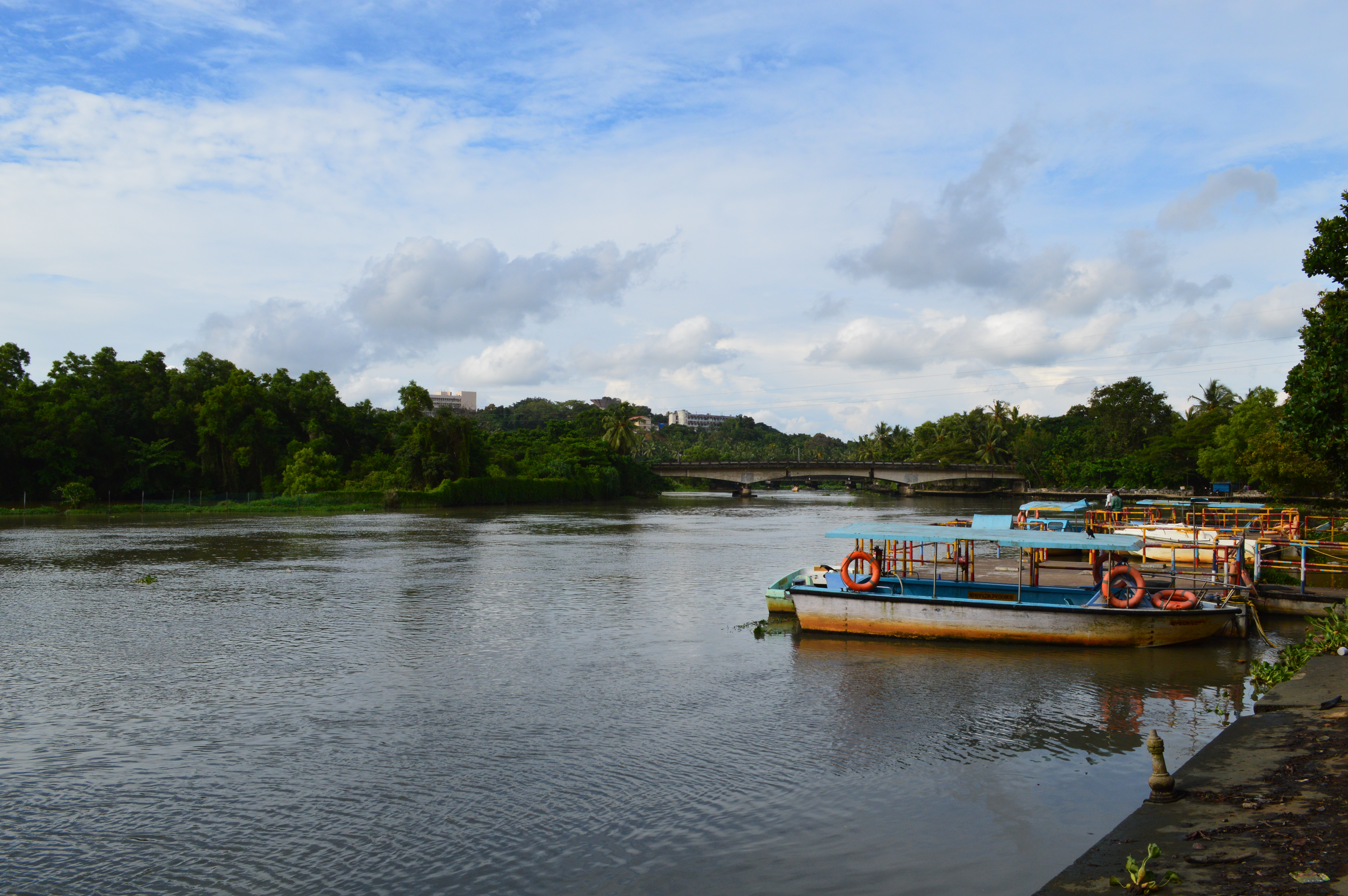
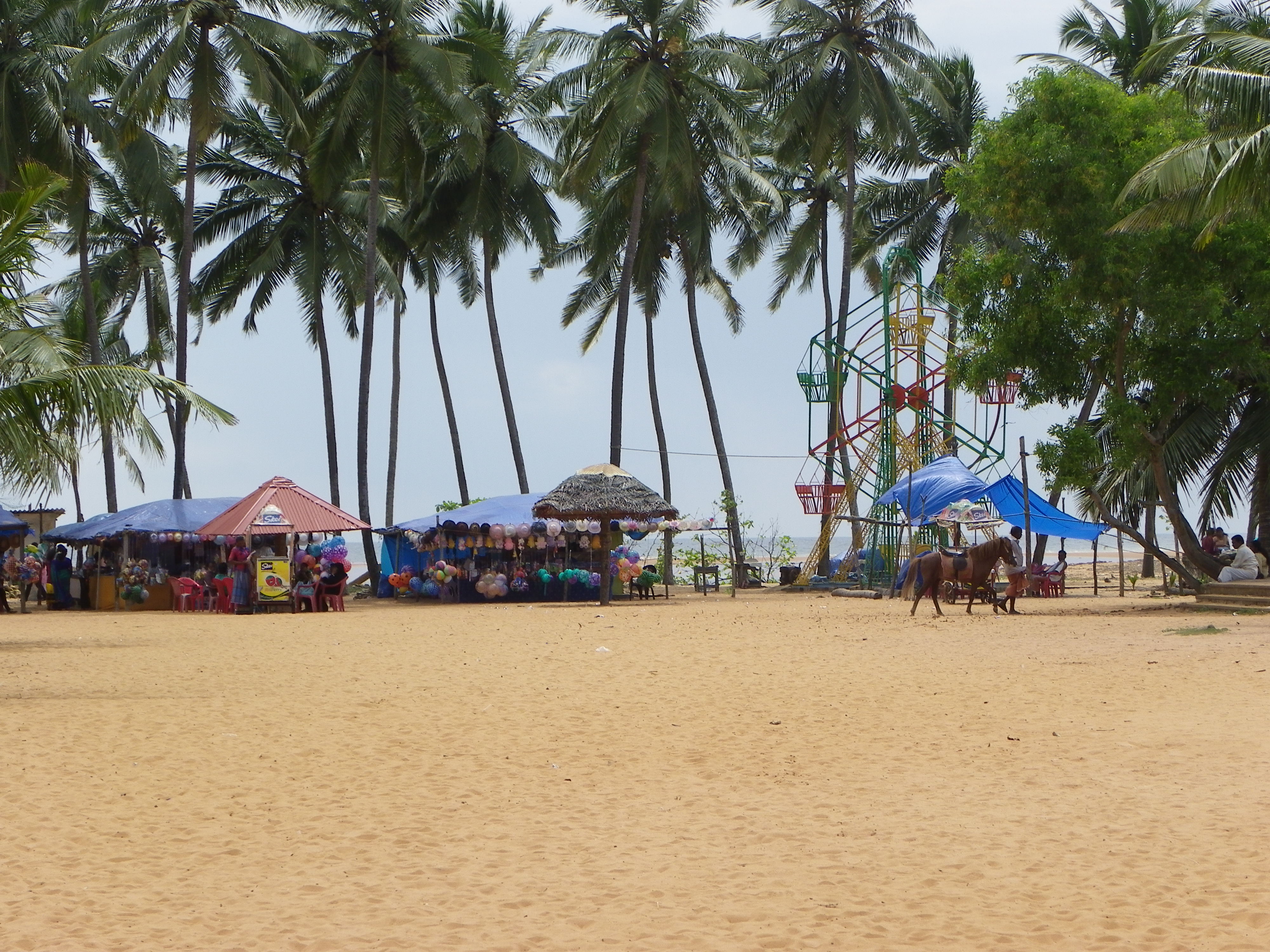
Zac and I haven’t done much since I’ve been back. That’s partly because we don’t have car yet (next month!), I get tired too easily, and it’s just so convenient to stay home now that we have someone doing our cooking. However, there is a lot of stuff to do in Trivandrum, and I want to see and do as much as possible before Lil’ Bean comes around. I mean, I know I’ll still be able to do things once she’s here, but I have a hard enough time hauling my own self around India. I may just want to be under house arrest with her for a month or so. Who knows? Anyway, our new favorite place to go outside our house is Veli Lake and Tourist Village and Shankumugham Beach. It’s only fifteen minutes from our house. We discovered it thanks to one of Zac’s cousins, who we took there two weeks ago. It’s simply a picnic area that has lovely gardens, boating, a kiddie park, and a floating restaurant. We loved it so much we went back this week.

Maybe starting next month, we’ll venture outside more, but right now, we’re enjoying our new home and relaxing together. And don’t worry, I’ll keep you posted on any exciting stuff we do try!

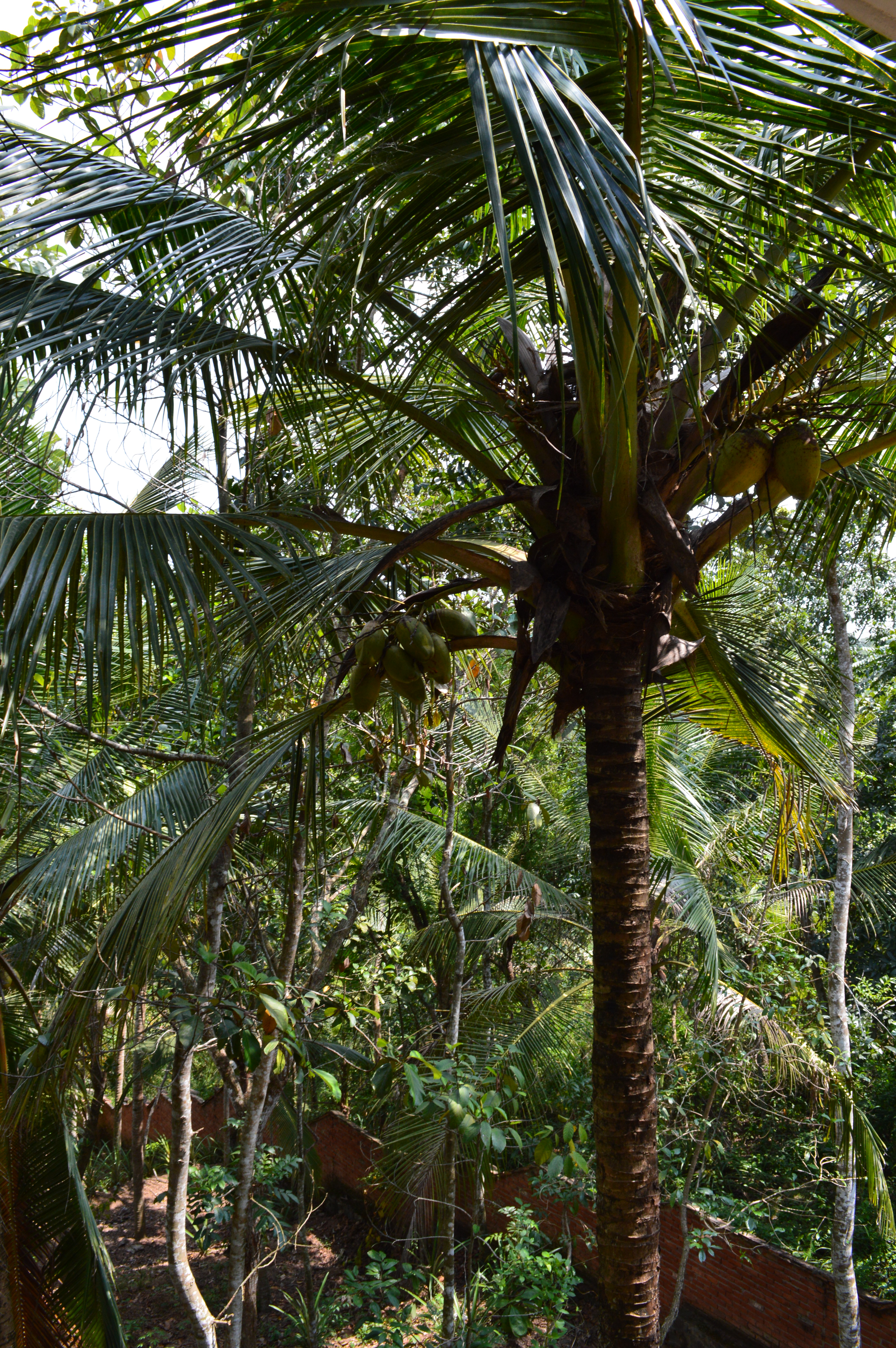
One of the many coconut trees in our yard.

Awesome views from our terrace!

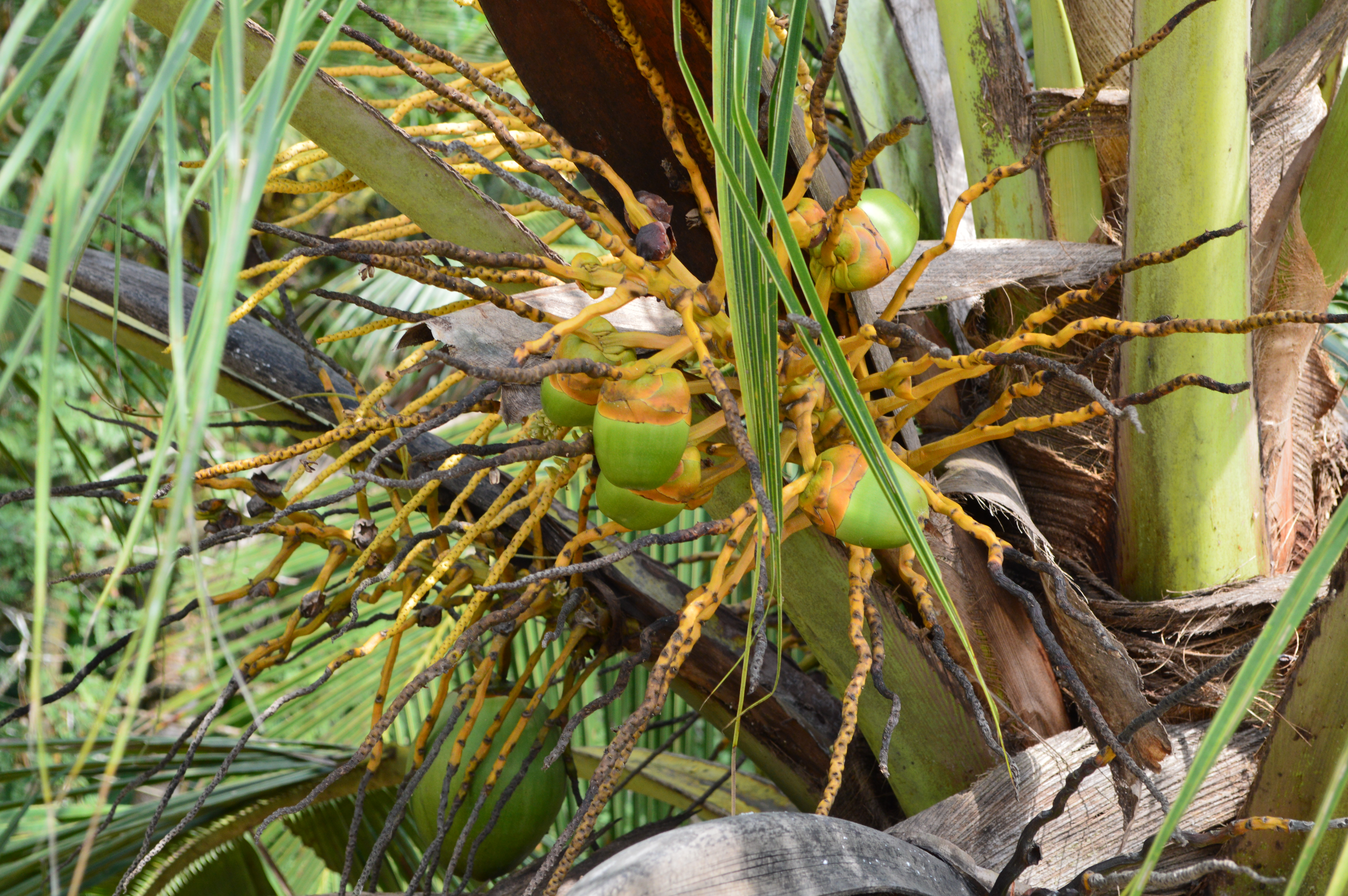
BABY COCONUTS! Aren't they cute?
BABY COCONUTS! Aren’t they cute?

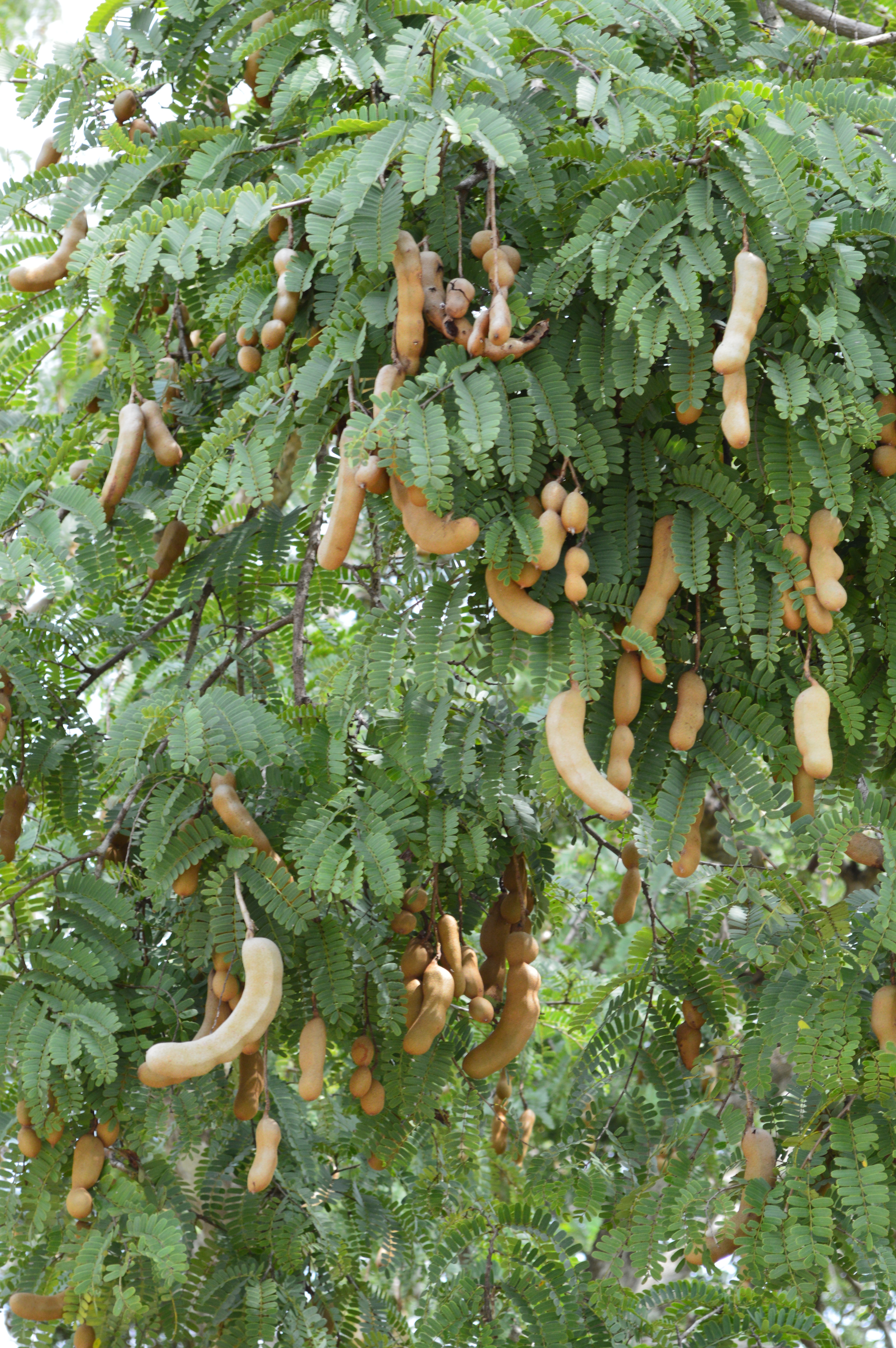
Tamarind tree in our yard! How cool!

Temple that is just up the street from us. It was awesomely decorated for the Dussehra festival, but we didn't get any photos of that. :(
Temple that is just up the street from us. It was awesomely decorated for the Dussehra festival, but we didn’t get any photos of that. 😦

Along almost every road in India, you will see these hand painted advertisements, political announcements, etc. It's always been one of my favorite things to see here even though it's common. This sign is in Malayalam.
Along almost every road in India, you will see these hand painted advertisements, political announcements, etc. It’s always been one of my favorite things to see here even though it’s common. This sign is in Malayalam, the language of Kerala.

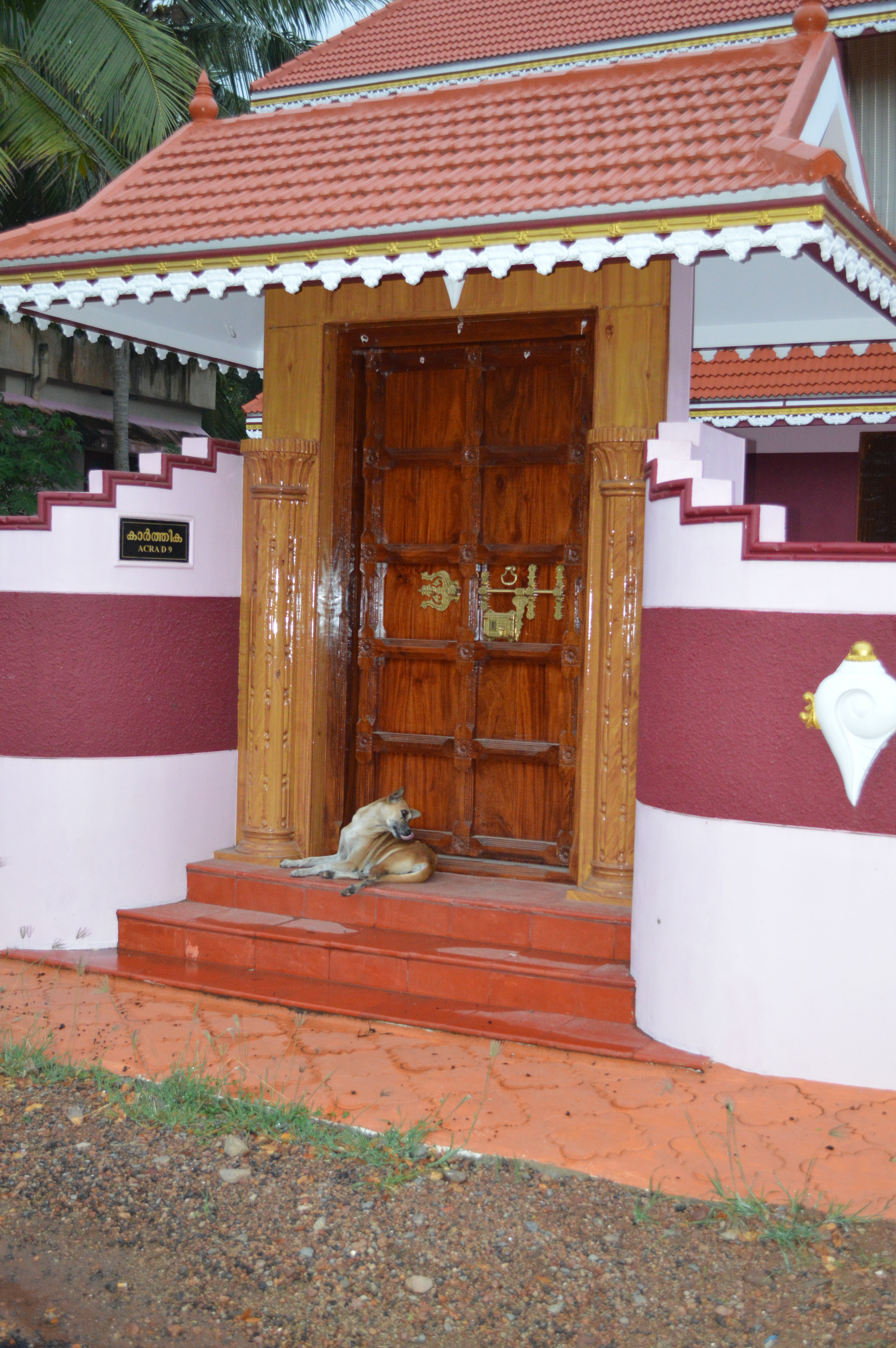
I love this photo. This house is HUGE and really fancy, and this stray dog parked himself on the stoop and was going to town on cleaning himself. The many dualities of India. :)
I love this photo. This house is HUGE and really fancy, and this stray dog parked himself on the stoop and was going to town cleaning himself. The many dualities of India. 🙂

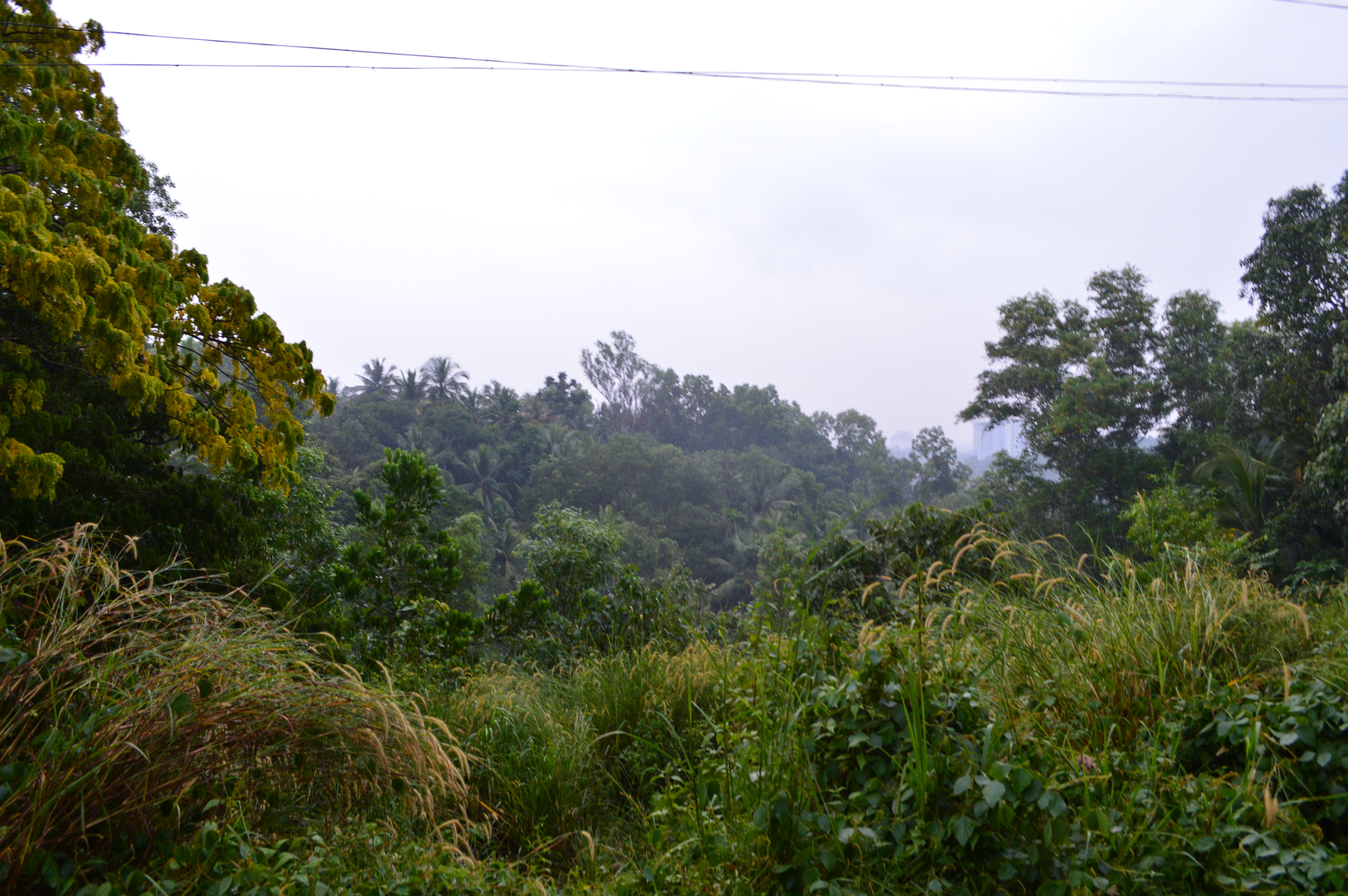
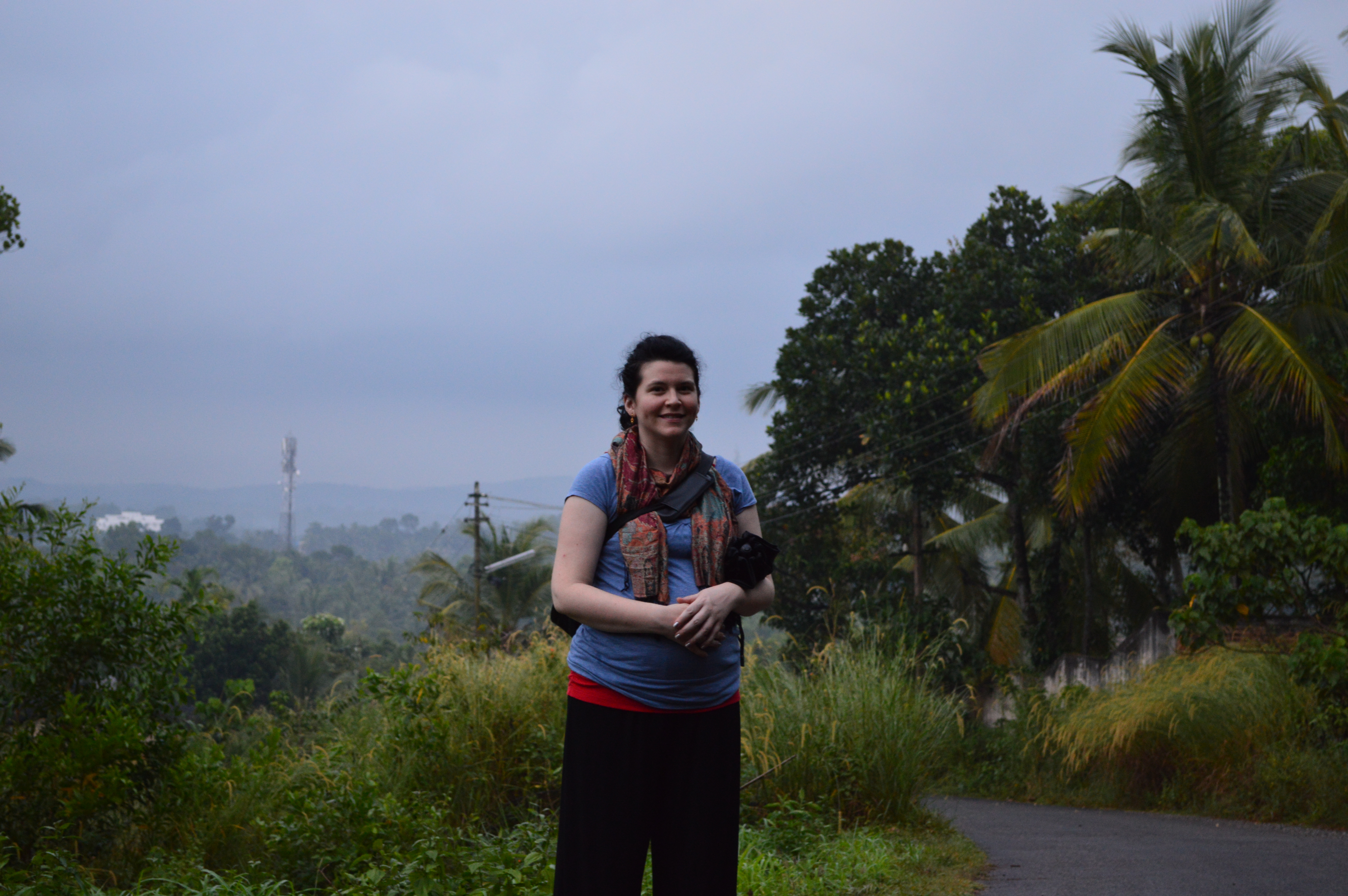
Lovely scenic view on one of our evening walks
Lovely scenic view on one of our evening walks. It’s even prettier when the sun is setting.

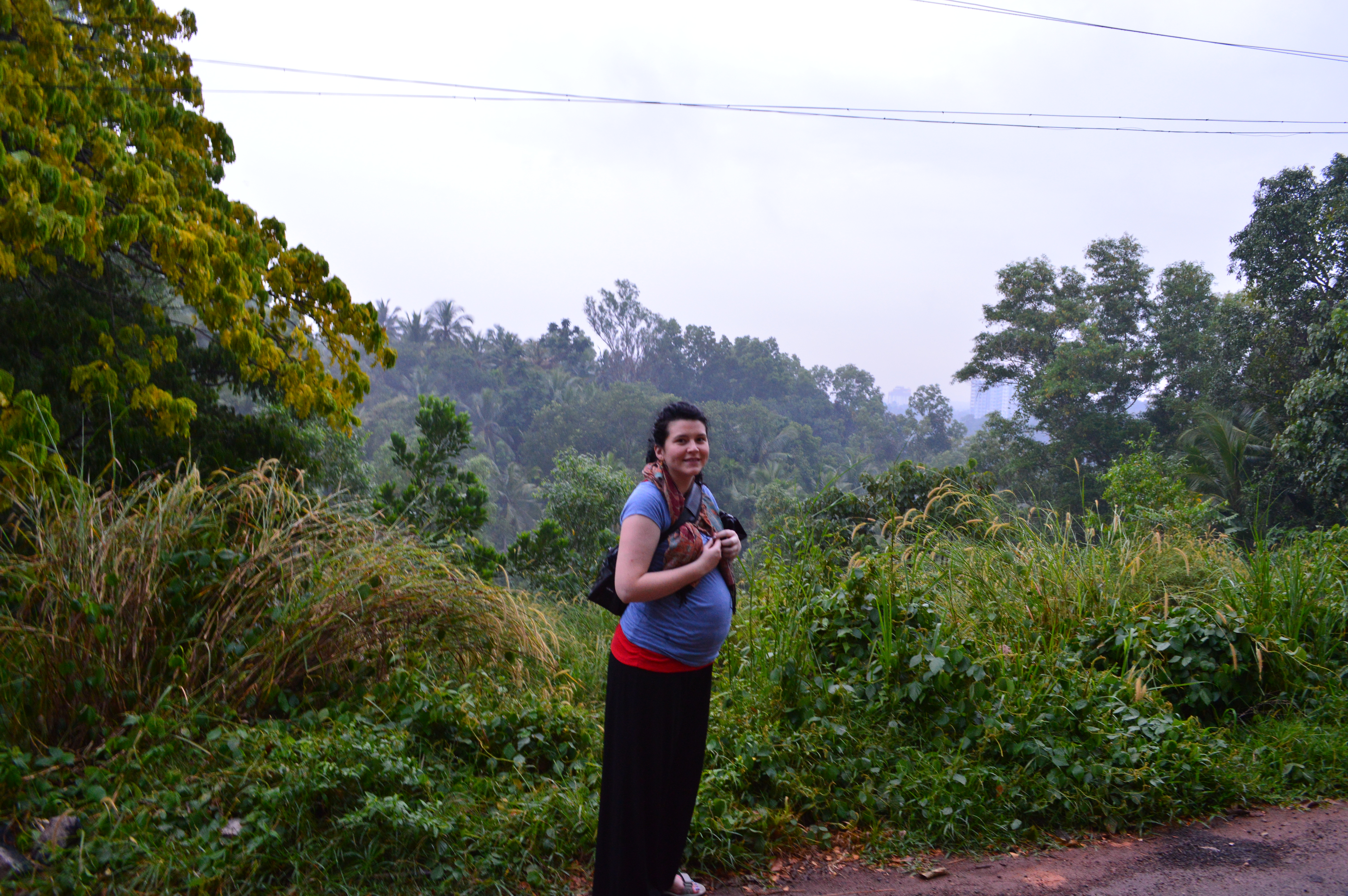
Who let the land manatee pose for this photo? ;)
Who let the land manatee pose for this photo? 😉

More of the incredible views we see each evening.

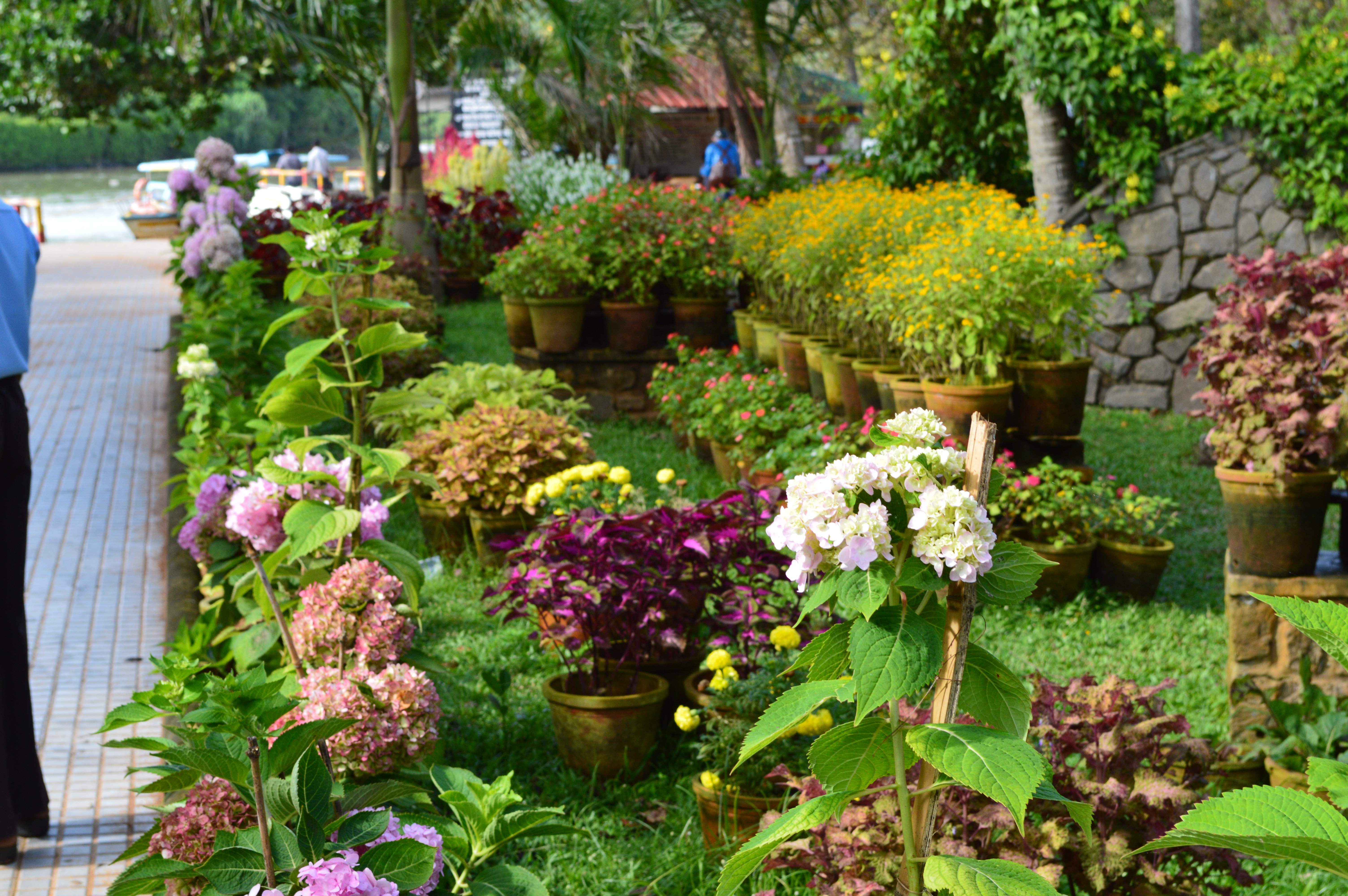
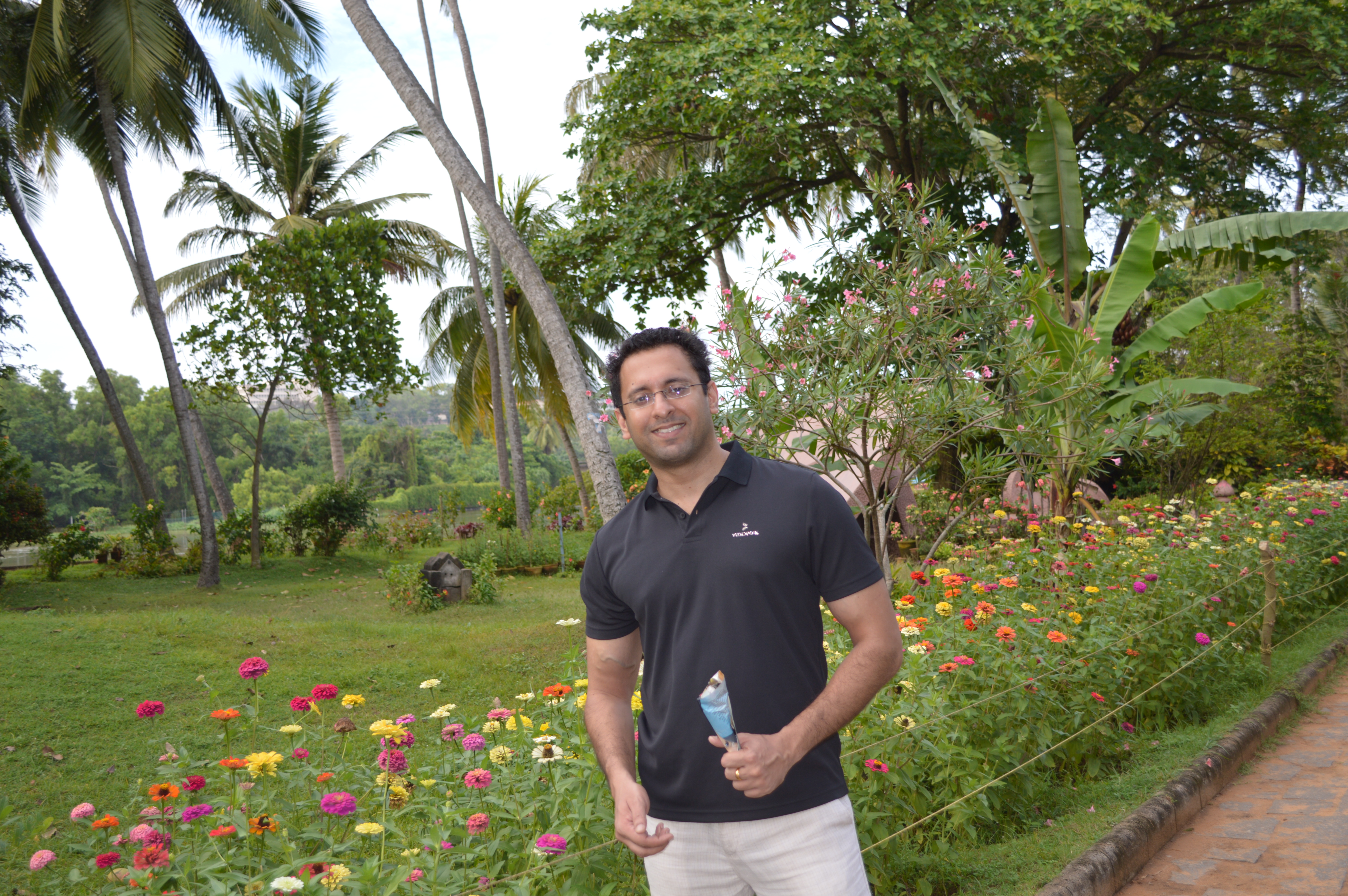
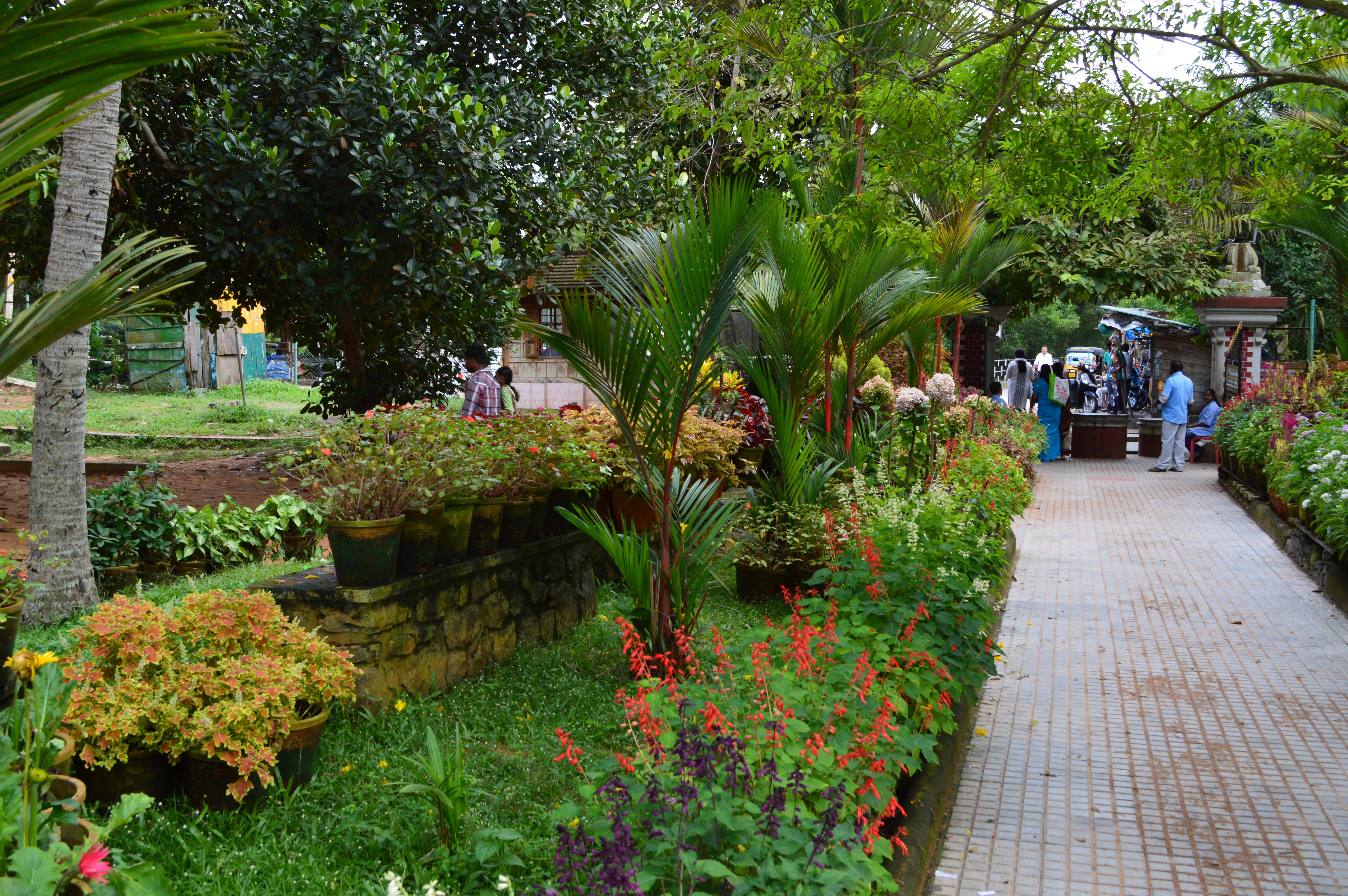
Gardens at Veli Tourist Village!

DSC_0018
Such a handsome fella!

DSC_0010
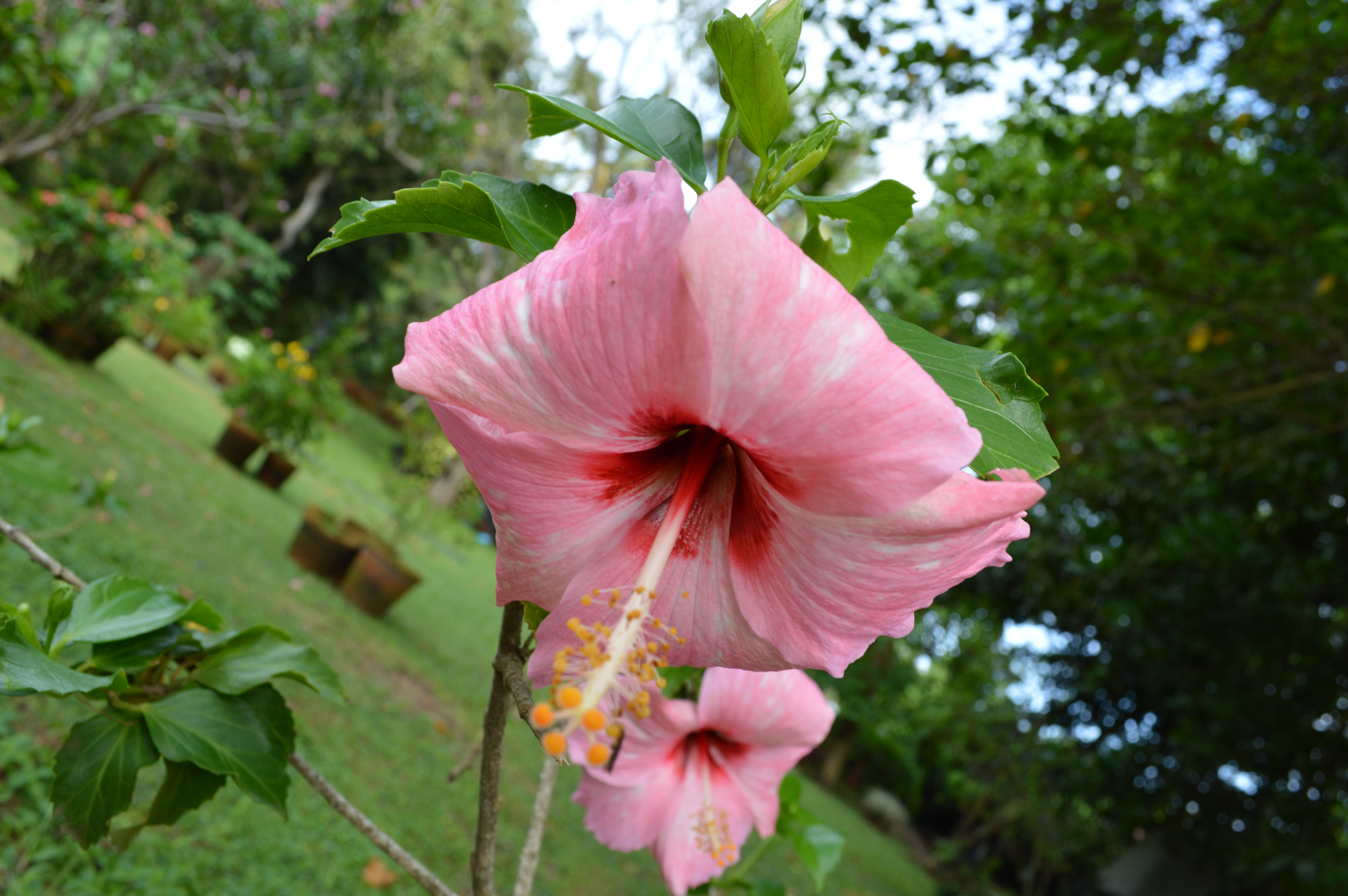
They have tons of flowers in their gardens!

DSC_0013

Some of the boats at the village

DSC_0025

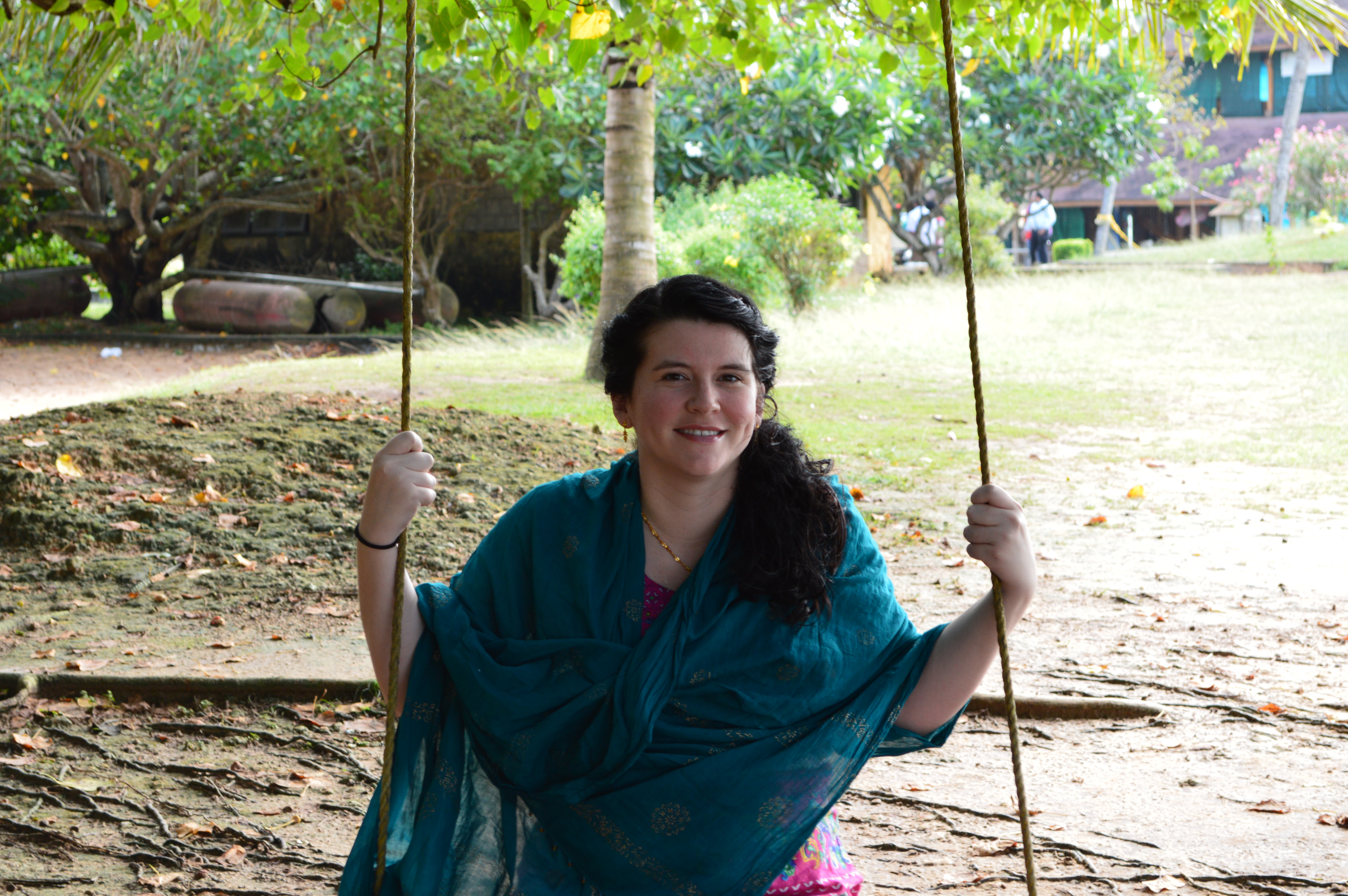
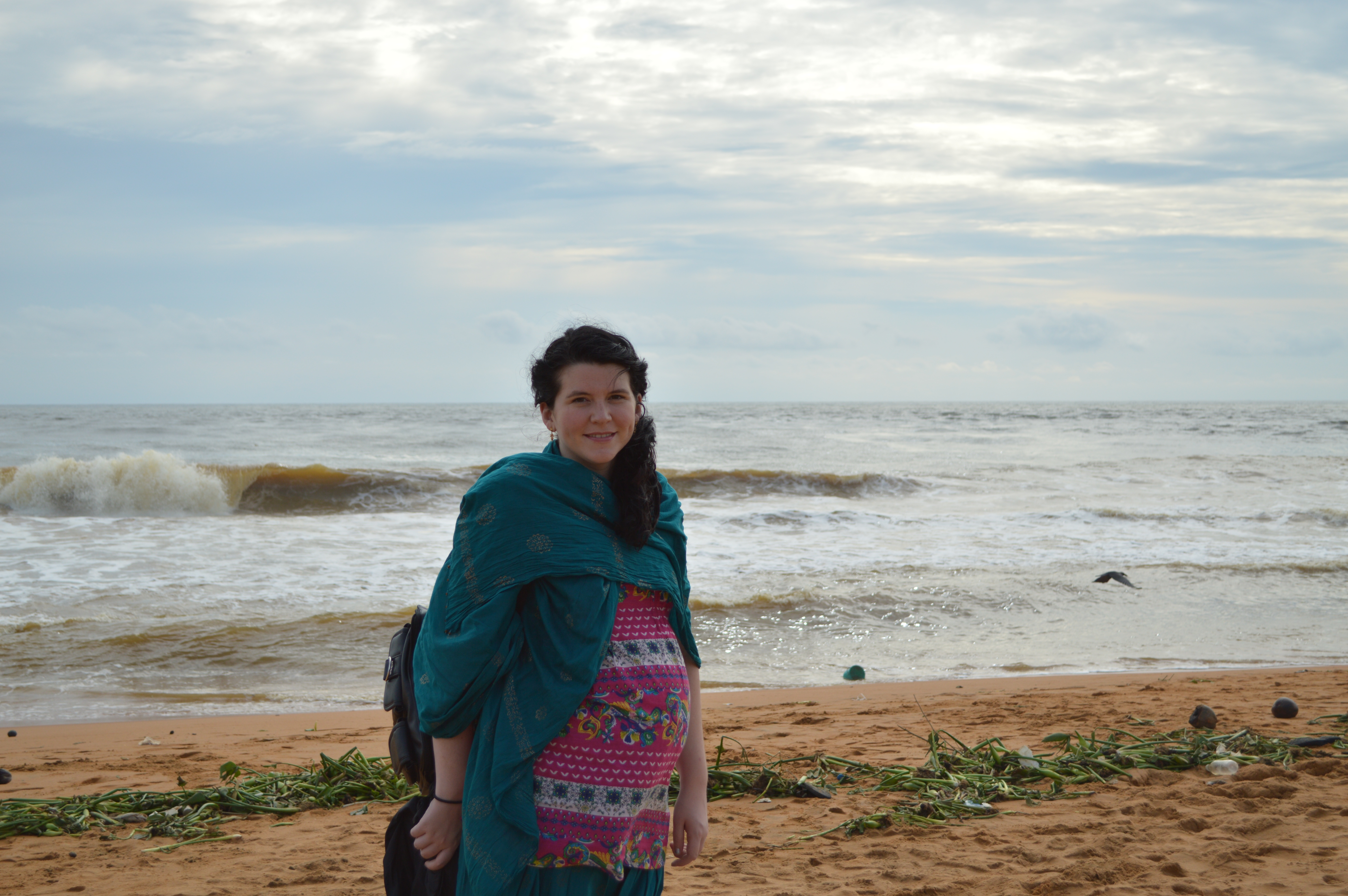
Posing on the floating bridge that leads to the beach
Posing on the floating bridge that leads to the beach.

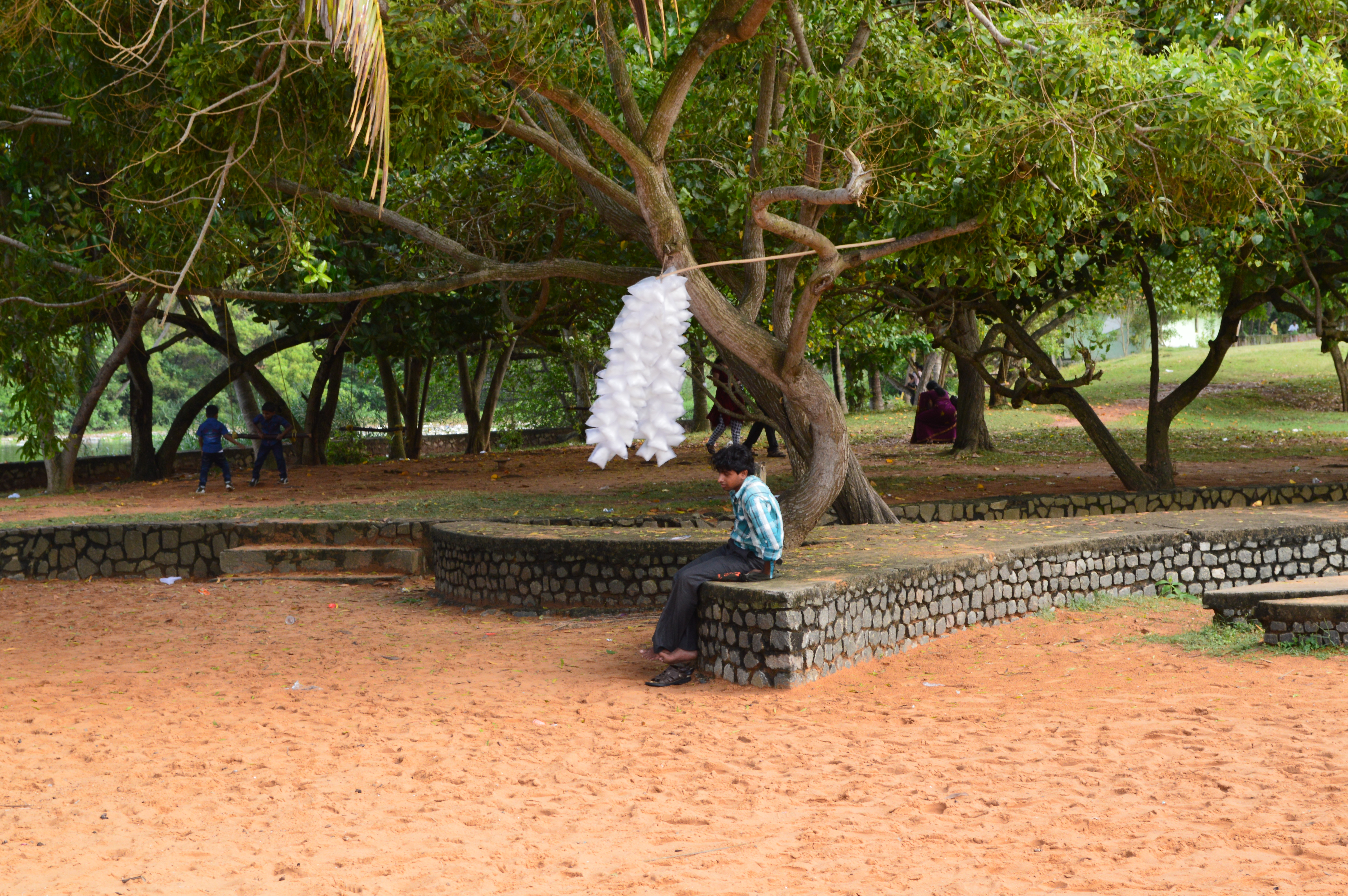
Baddhi ka baal (cotton candy)

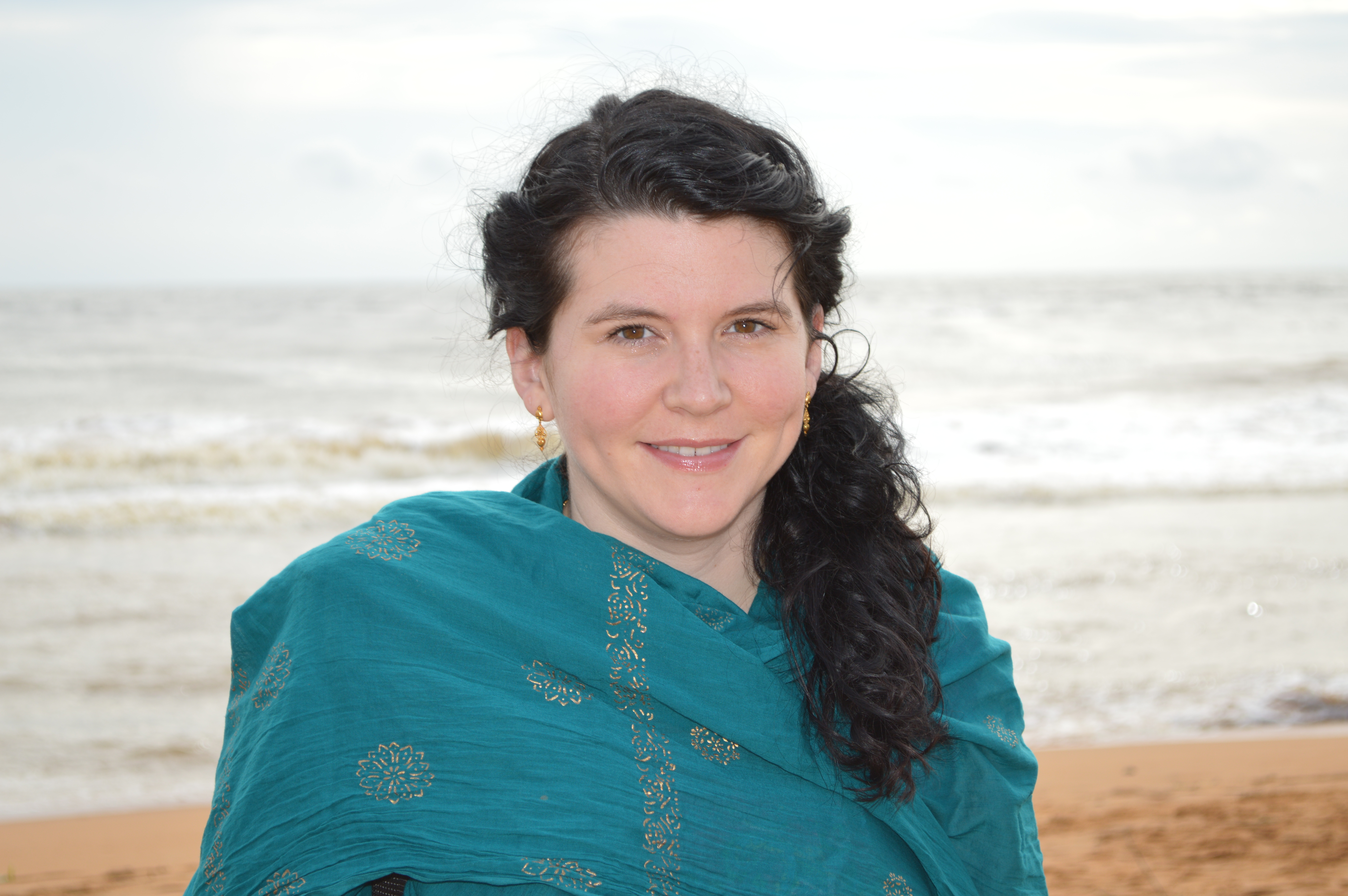
View looking from the beach back to the lake. There is a passage of water that connects the Arabian Sea to Veli Lake.

:)
🙂

More beach
More beach

Don't I look like I'm not sweating?
Don’t I look like I’m not sweating?

DSC_0081

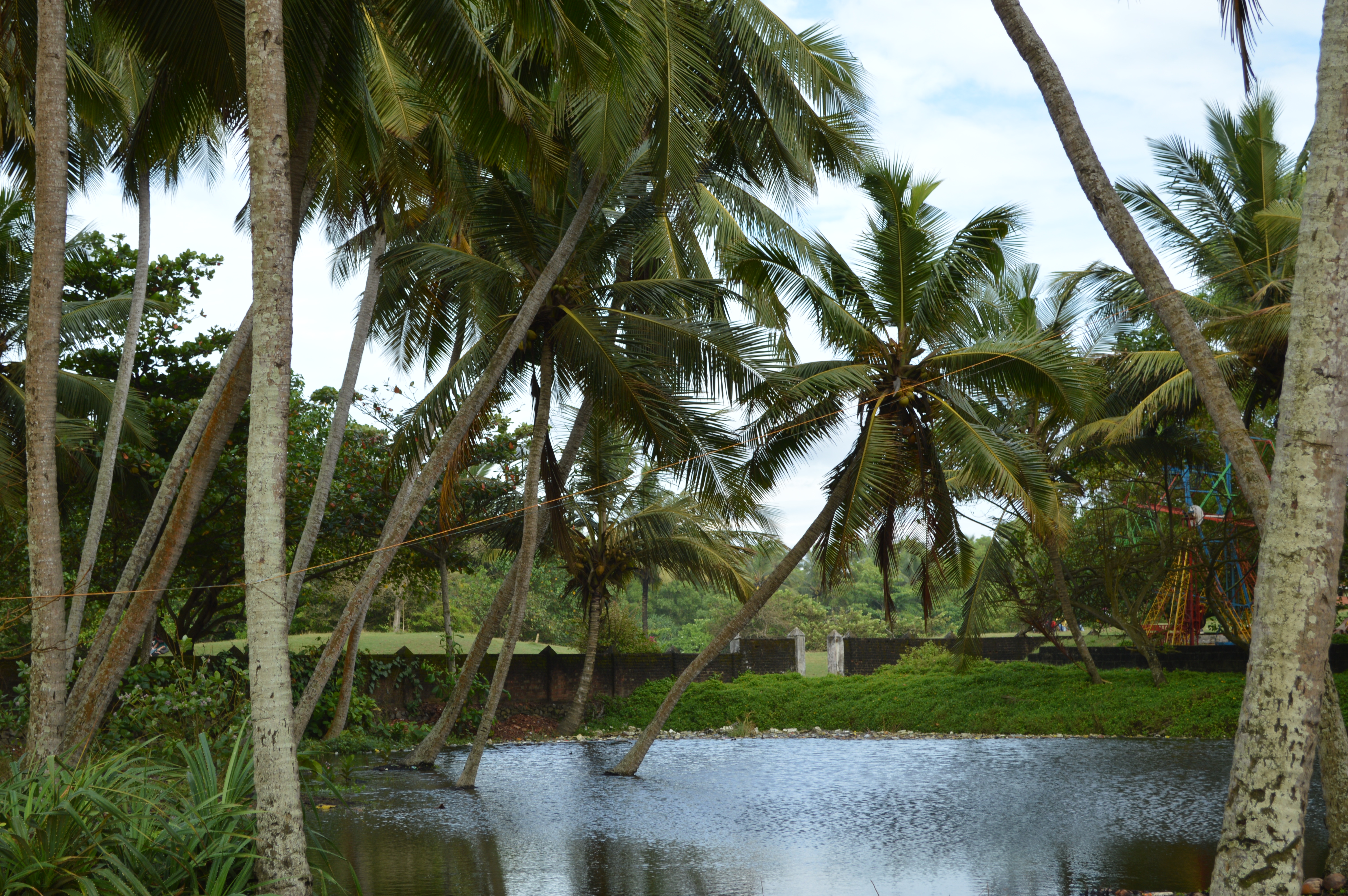
Cute backwater area
Cute backwater area

Freshly roasted!
Freshly roasted!

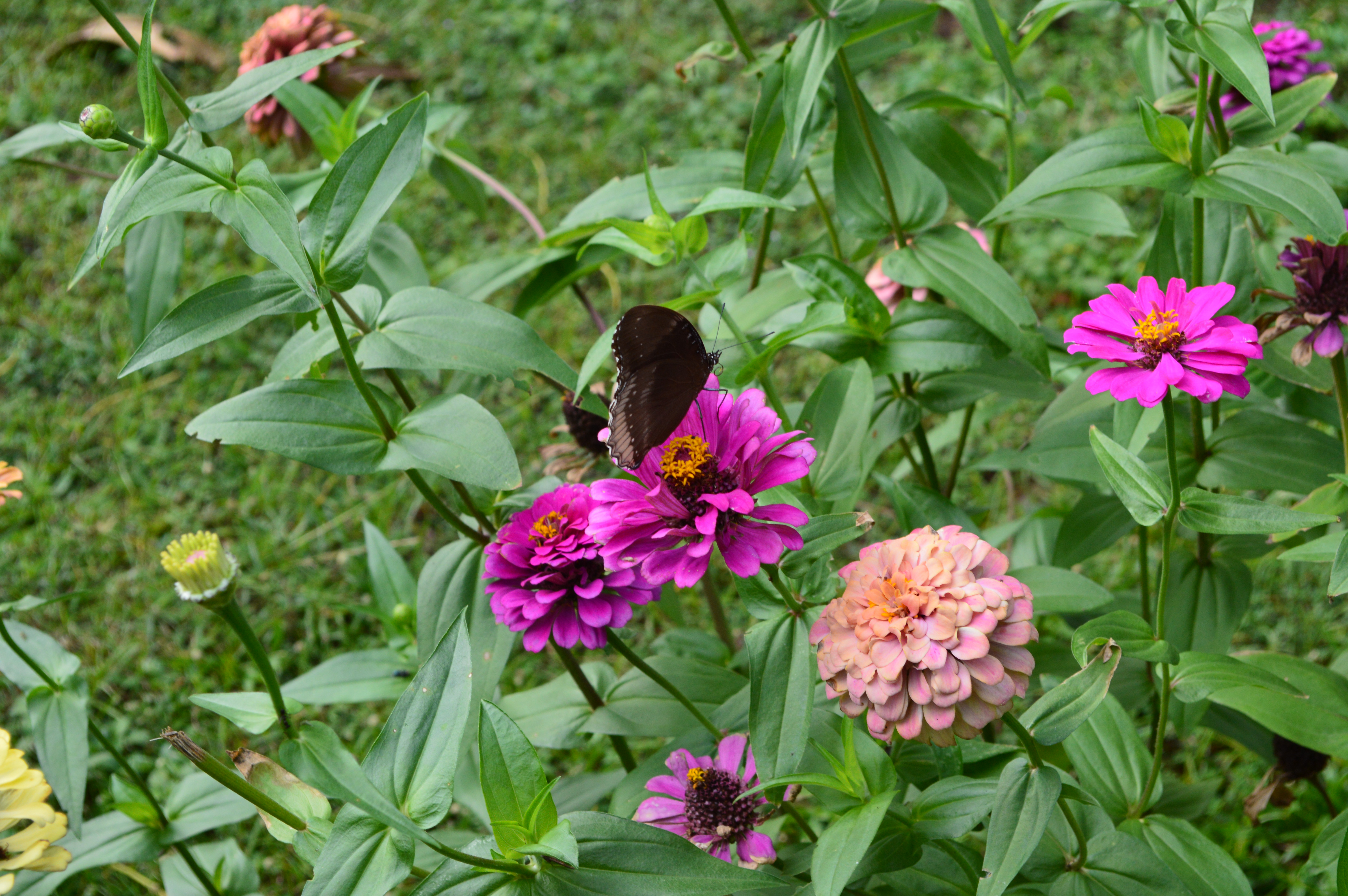
Have I mentioned the gorgeous flowers?

DSC_0110

MORE FLOWERS.
MORE FLOWERS.

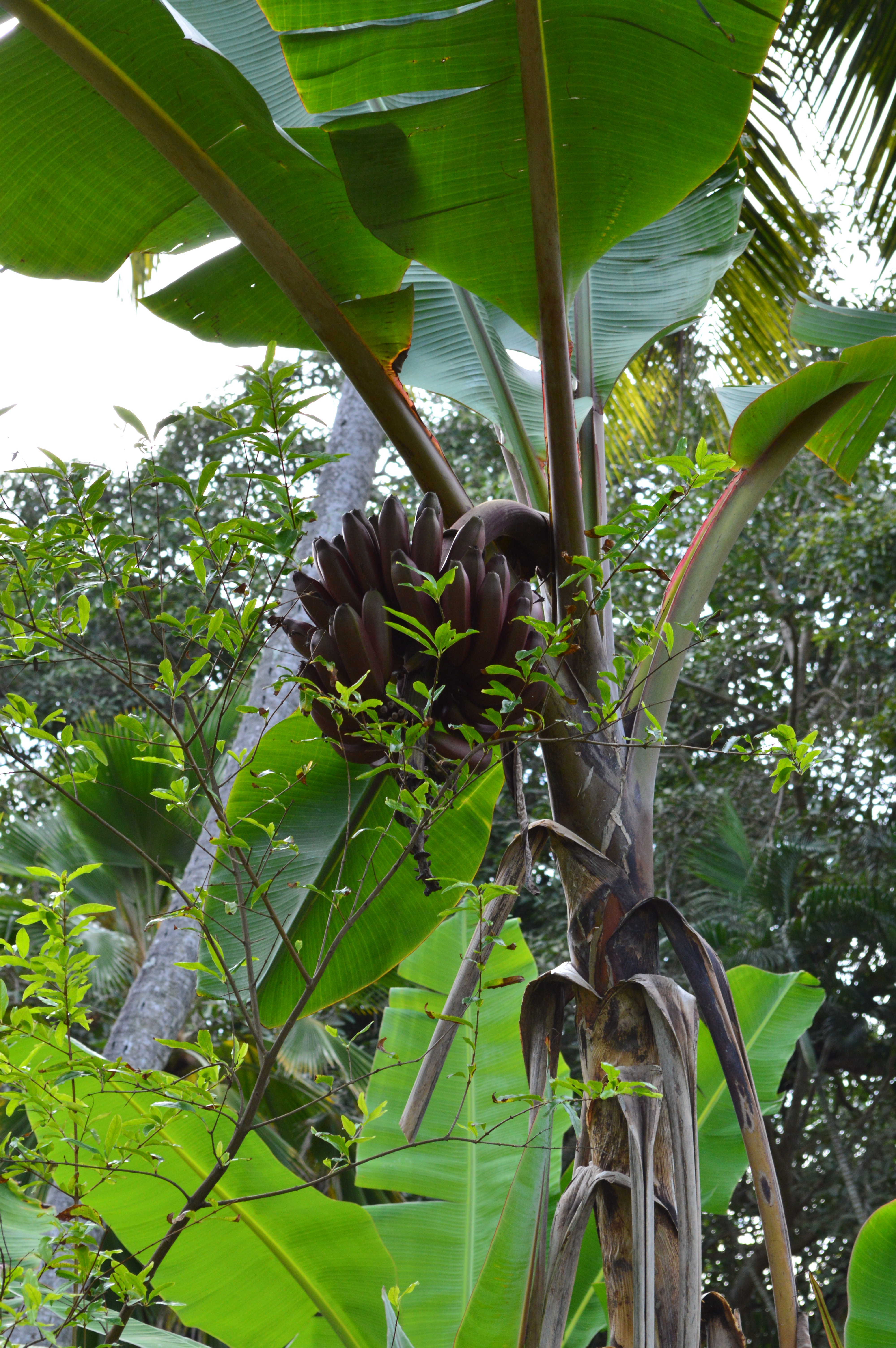
Red bananas!
Red bananas!

DSC_0124

Near the entrance
Near the entrance

Zac's relatives that we took to the village.
Zac’s relatives that we took to the village.

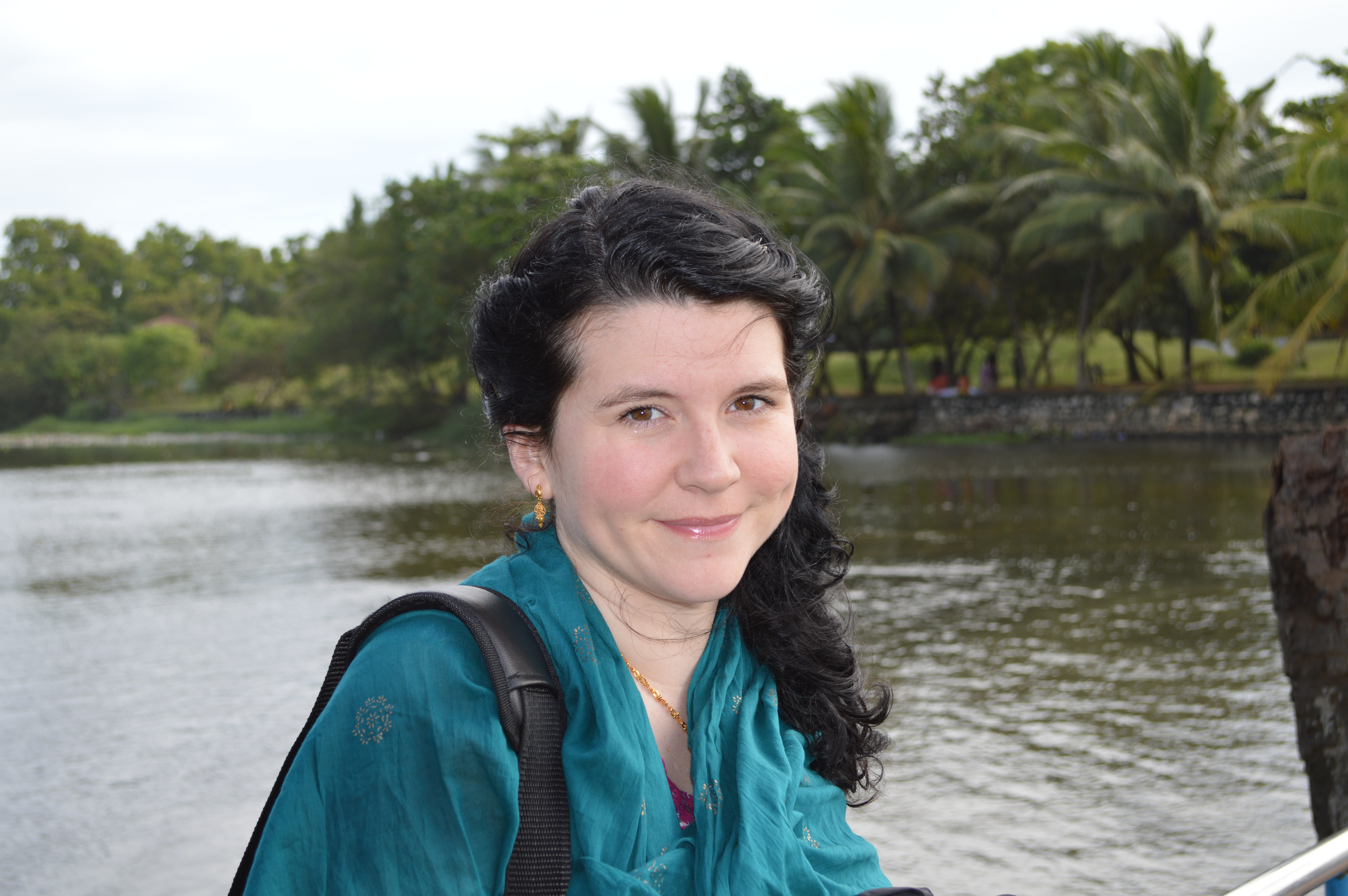
On the boat ride!
On the boat ride!

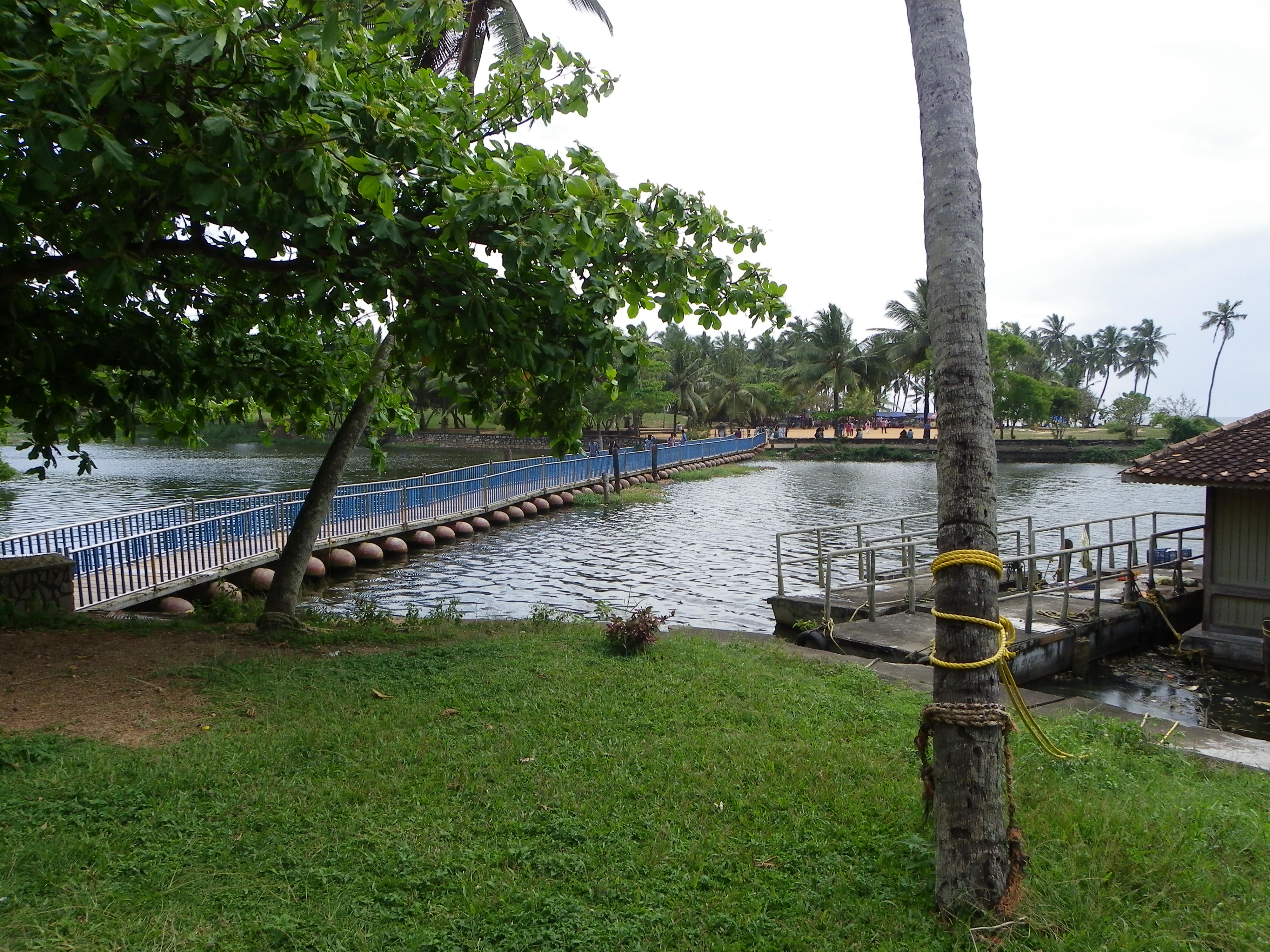
Floating bridge
Floating bridge

Kiddie park
Kiddie park

IMGP5332

Area where the sea meets the lake

IMGP5271

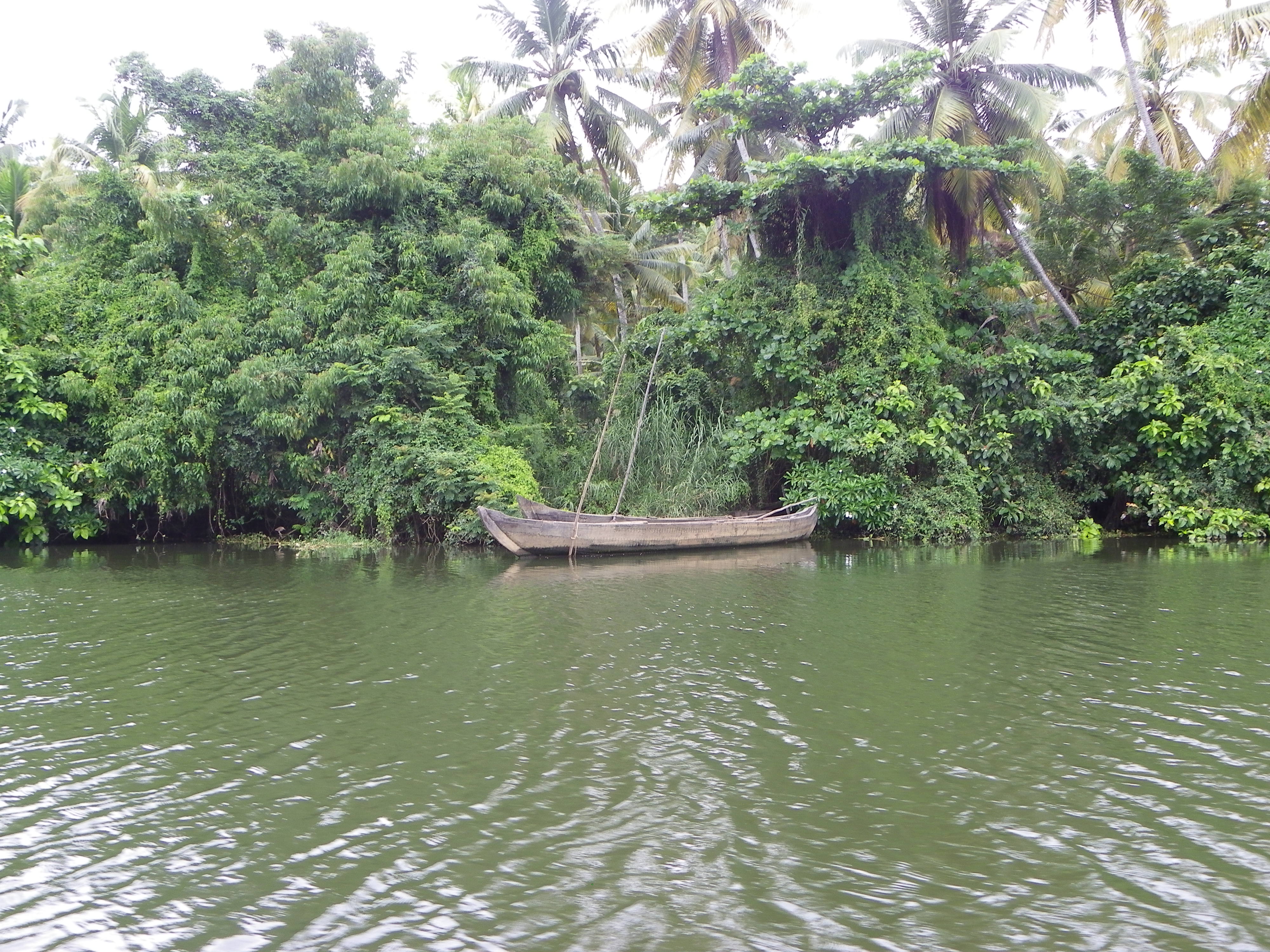
Backwaters
Backwaters

Fishing boat
Fishing boat

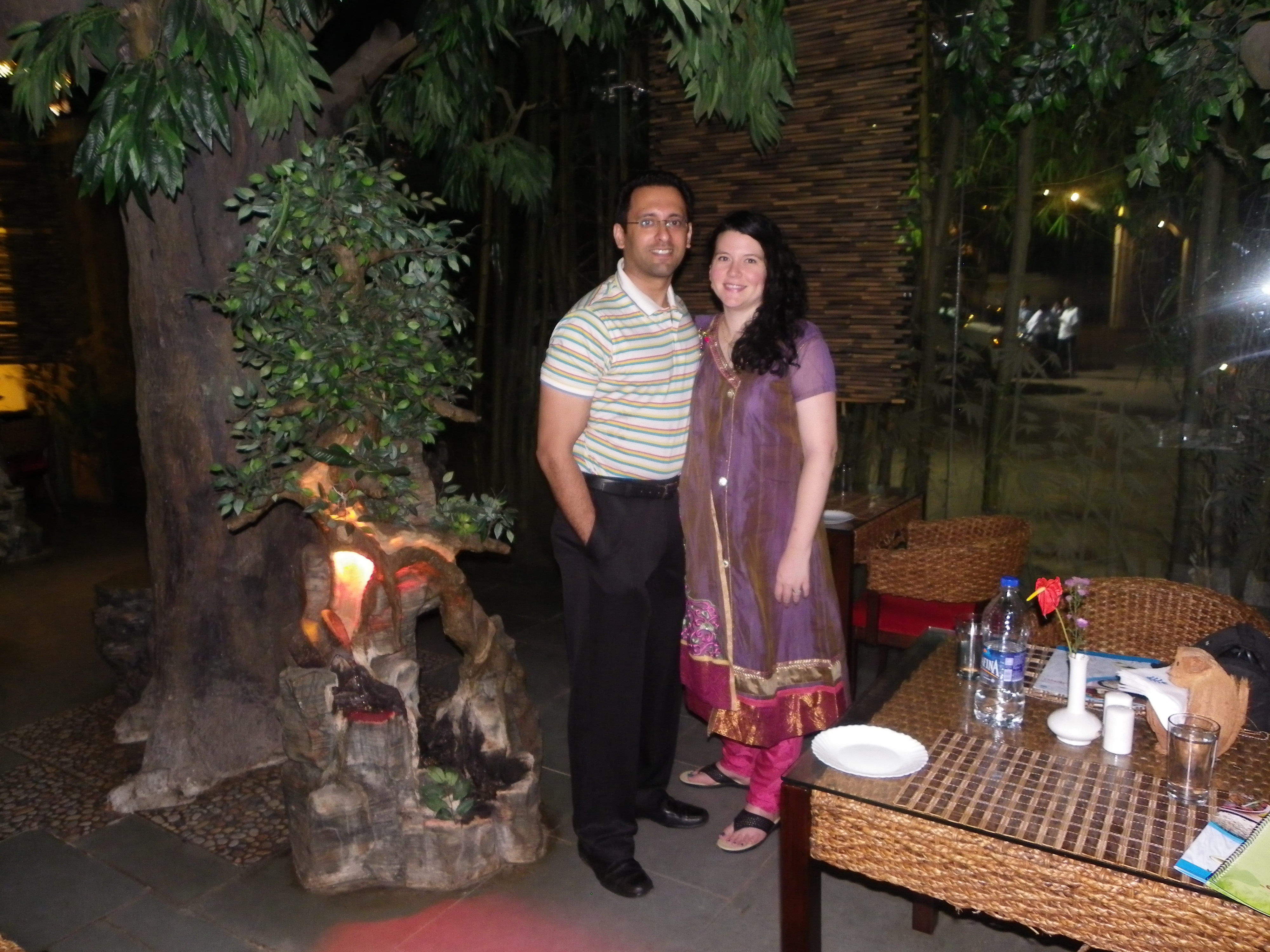
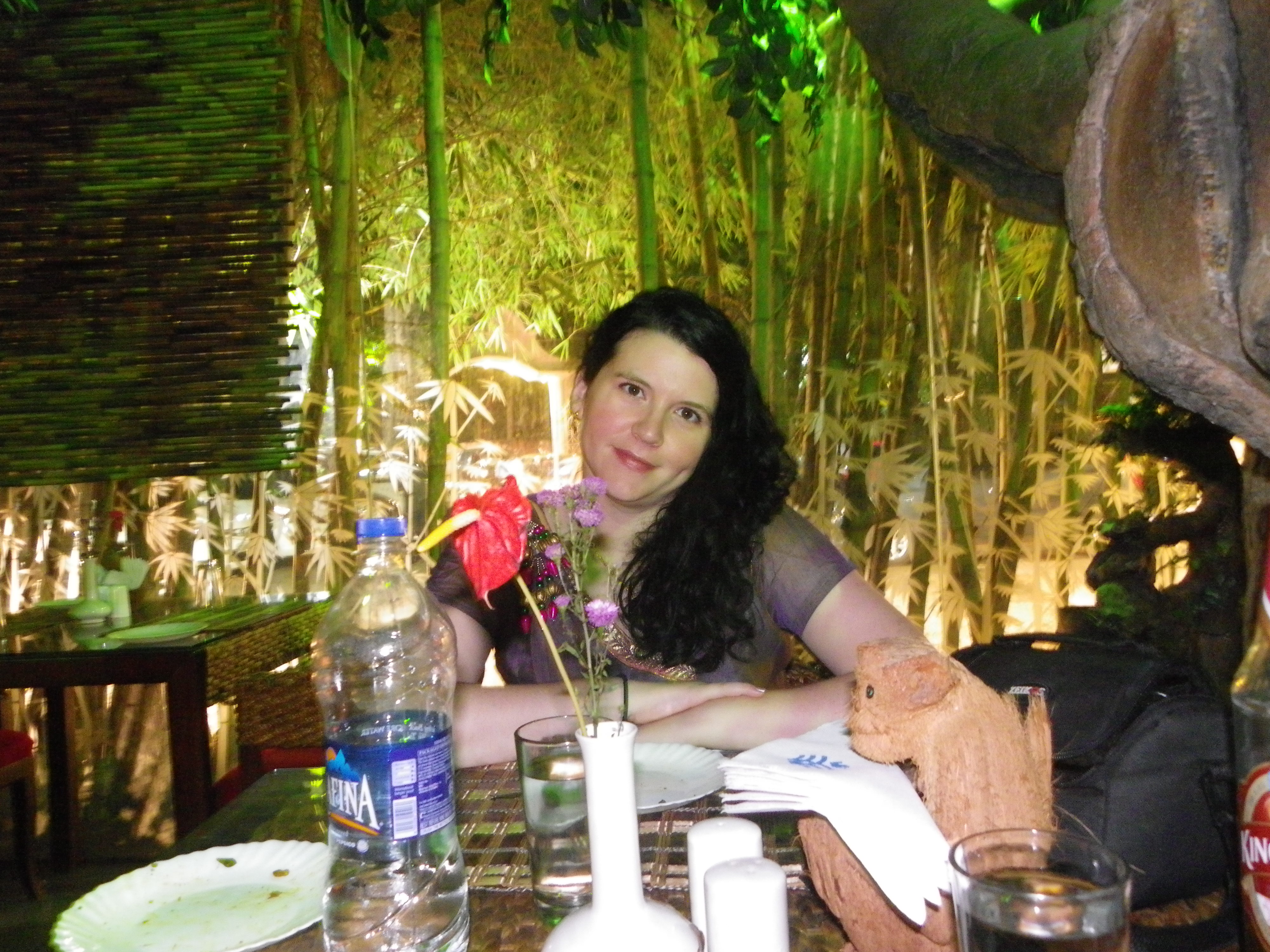
Forest-themed restaurant where we went on a date

We clean up nice :)
We clean up nice 🙂

Look at the monkey napkin holder!

By the way, did I happen to mention we bought a new camera? We’ve been on photo overload for the past several days!