
This essay concludes a series on India Syndrome, Orientalism, and spirituality seeking in India. You can find Part 1 here and Part 2 here.
Bigger Than Ourselves
I moved to India with zero expectations, no desires for spiritual awakenings or anything of that sort. And thirteen years later, I’m still here because this is where my child was born, where my neighbors know my name and my sense of humor, where the routines have become mine. I am not wandering from ashram to ashram or following any grand calling other than life itself. But I have changed nonetheless.
My transformation arrived in delivery rooms, crowded markets, long queues, and building a life far from the culture I grew up in. The miracle of India, I’ve learned, lives less in Himalayan peaks and more in the ordinary, in showing up day after day for the slog, but most of all, for people.
Still, from a distance, I can recognize the hunger that brings so many travelers to India. The ones who arrive with notebooks, Instagram reels, and expectations of sudden insight. In the U.S., where I grew up, so many of the places that once held people together have frayed. Church pews are emptying. Neighborhoods exist where people barely know each other. Even restaurants and parks feel quieter. Life often takes place inside private boxes: house, car, office, gym. Even leisure feels like something that is purchased. In that emptiness, it makes sense that people book yoga retreats or chase India as an idea. They want something communal and bigger than themselves. That longing isn’t wrong. It’s very much human.

Outward Journeys, Inward Work
And yet, longing can be deceiving. A retreat or a trek can feel like transformation…until you’re home again, facing the same routines you left behind. The truth is, you can’t import change. A trip might shake you awake, but the work of growth is slower and more ordinary.
For me, it came in small doses: learning patience when I didn’t understand what was happening, finding empathy in a language I couldn’t quite follow, and building a safety net out of friends, neighbors, and aunties. The lessons didn’t arrive in a clap of thunder; rather, they blended into the middle of things I didn’t choose, usually dragging me along, kicking and screaming because I didn’t want to change. I didn’t want to become more self-aware. I didn’t want to learn how selfish I had always been.
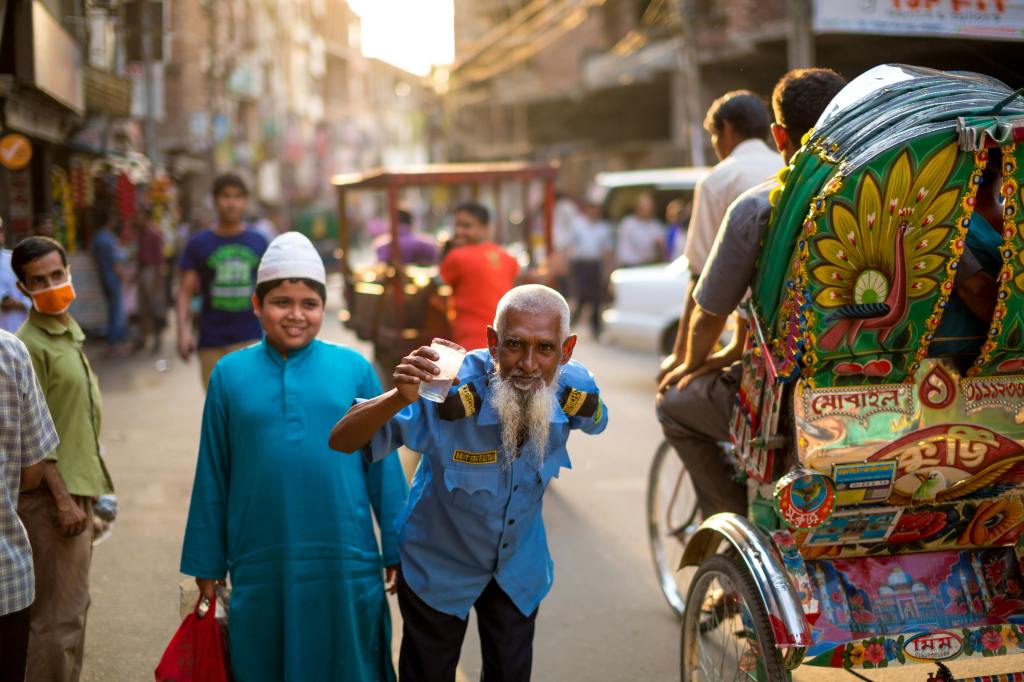
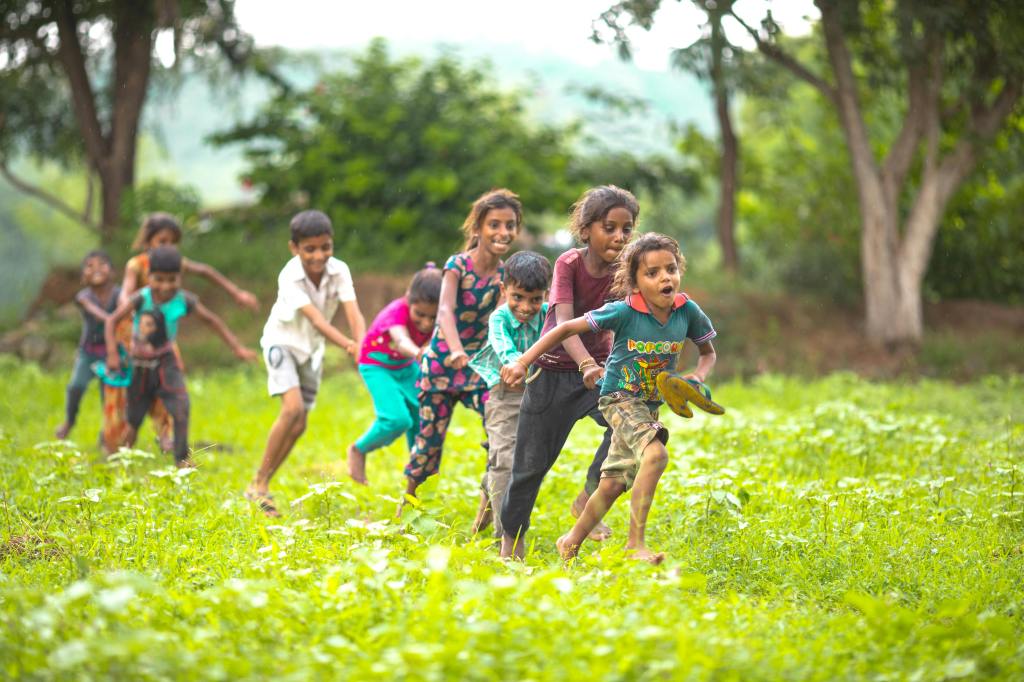
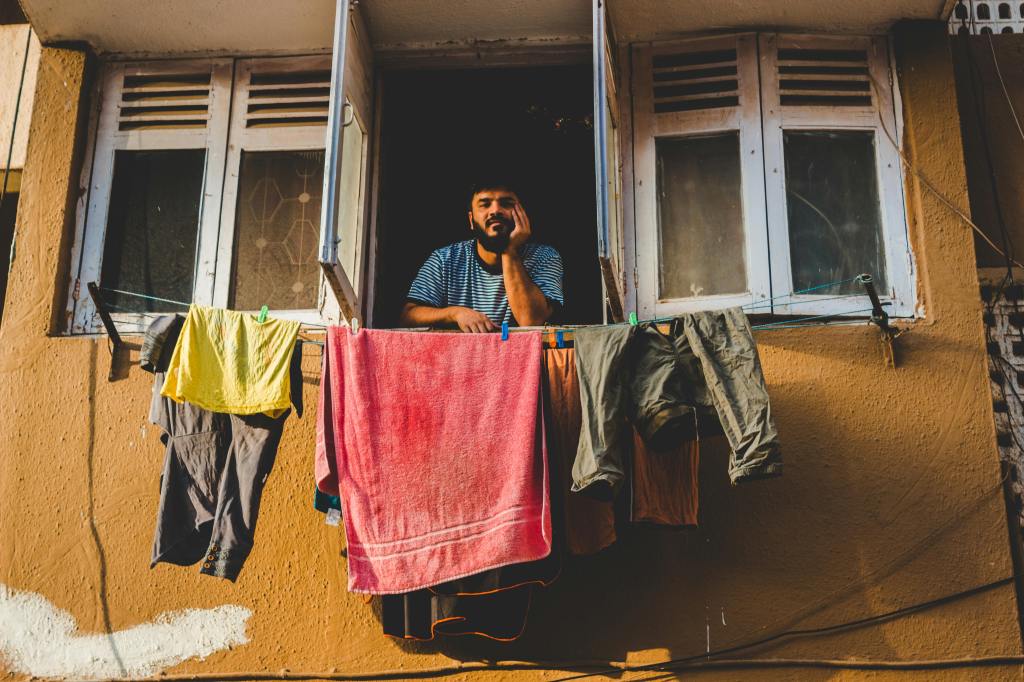
I began to notice something else as well: spirituality here is rarely spectacular. It’s not in ten-day vipassana retreats or sunrise yoga sessions on the Ganges. It’s in the way neighbors check on each other during hard times, in the ritual of quick poojas and prayers in the mornings and evenings, in hobbling together a community meal for a festival, in the patience demanded by long queues and traffic. It’s in the laughter of children playing outside, in the unspoken resilience of people tending to the small tasks of life, extraordinary for Westerners and the privileged, ordinary for many, many others. Living here, you begin to see that the sacred is woven into the everyday routines.

Connection Over Consumption
I’ve come to think the difference is this:
Consumption says, I’ll travel, I’ll pay, I’ll collect my transformation like a souvenir.
Connection says, I’ll keep showing up for people, traditions, and rituals, even when it’s ordinary, even when it’s inconvenient.
The first is exhilarating, but it rarely lasts. The second is much slower and harder to market, but it endures. It’s the work of presence, the steady accumulation of small acts and observations that shape who you become. Meaning is built, piece by piece, in showing up, paying attention, and participating in life as it unfolds.
What I’ve Come to See
So I don’t see myself in the seekers that arrive with plans to awaken some deep wisdom inside of themselves. I see them as people chasing a tale they were handed.
When I began writing about “India Syndrome,” I thought it was a story about travelers who lose themselves and the privilege of foreigners who come here seeking inner peace. But what I’ve come to see is that it isn’t really about India at all. It’s about the longings and aches we carry, the ones that tell us where to look for change. Transformation and finding meaning in life is not escaping into a myth, but staying long enough for your own story to deepen.


Closing Reflection
Edward Said warned in his 2003 preface to Orientalism that the world was hurtling toward a dangerous homogeneity, of differences being flattened by the media and the ways we represent each other. Two decades later, I see a different kind of flattening here, too, in the daily life shaped by global markets and lifestyles. The India that once seemed like a sanctuary for spirituality is not untouched by these. I walk into the mall where we do our shopping, and I am blasted with Starbucks, Burger King, KFC—the list goes on. The contrasts that once felt so stark, between “East” and “West,” between here and there, are becoming more and more blurred as the years go by.
Maybe that’s why I no longer notice as many differences between India and the U.S. Or maybe it’s because I’ve learned to adapt in both places. Either way, the search for “pure” spirituality was always chasing a mirage. The world is blending, converging. And it’s becoming harder to see where one culture ends and another begins.
So maybe what we’re losing isn’t India, or the West, or any particular culture at all. Maybe what’s slipping is our willingness to remain human together—to know our neighbors, to show patience in traffic, to practice rituals that take more than a swipe or a tap. The internet promises us infinite connection, but it mostly sells us distraction, performance, and more consumption. In that sense, India Syndrome isn’t about coming here at all; it’s about the ache we carry when we mistake capitalism for communion. And if there’s any cure, it won’t come from a plane ticket or a retreat. It will come from staying, from choosing presence, from resisting the long drift into sameness by living the small acts that make us human again.
If you do come to India, come to see it for what it is. You might take home some insights, but they most likely won’t last. For “finding yourself,” start at home with what’s in front of you and underneath your feet. Dig your soul deep into the soil. Water it. Tend to it. Let it grow into something truly meaningful. That’s where the real transformation lives.


This essay concludes a series on India Syndrome, Orientalism, and spirituality seeking in India. You can find Part 1 here and Part 2 here.
Images from Pexels and LinkedIn.


 An American in Kerala