Inherited Scripts: Real Lessons from India, Part 3 of 3

This essay concludes a series on India Syndrome, Orientalism, and spirituality seeking in India. You can find Part 1 here and Part 2 here.

Bigger Than Ourselves

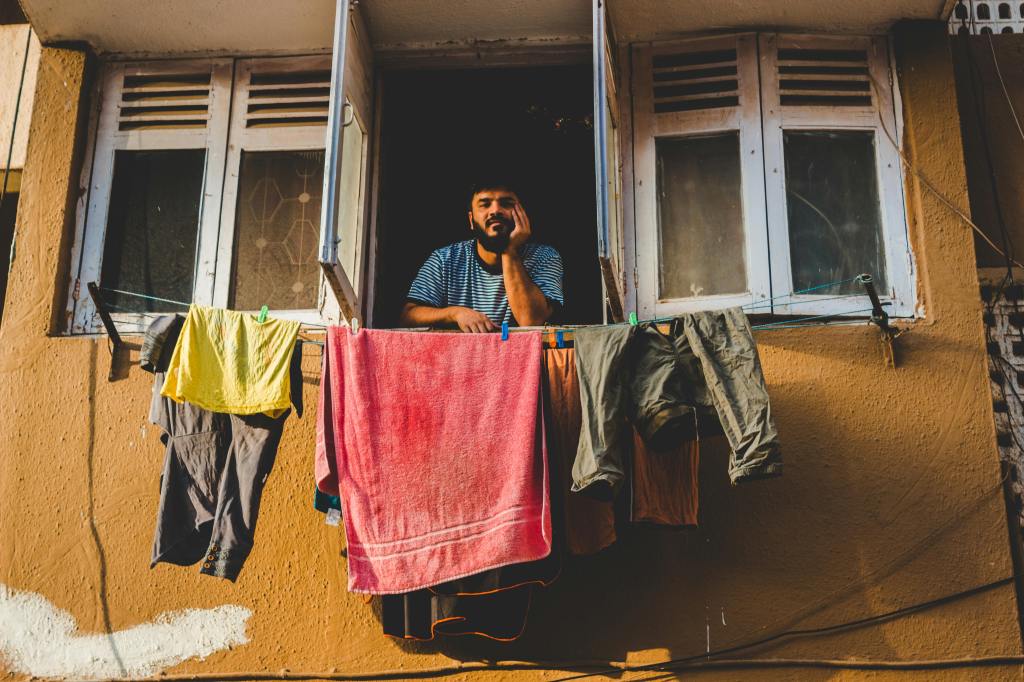
I moved to India with zero expectations, no desires for spiritual awakenings or anything of that sort. And thirteen years later, I’m still here because this is where my child was born, where my neighbors know my name and my sense of humor, where the routines have become mine. I am not wandering from ashram to ashram or following any grand calling other than life itself. But I have changed nonetheless.

My transformation arrived in delivery rooms, crowded markets, long queues, and building a life far from the culture I grew up in. The miracle of India, I’ve learned, lives less in Himalayan peaks and more in the ordinary, in showing up day after day for the slog, but most of all, for people.

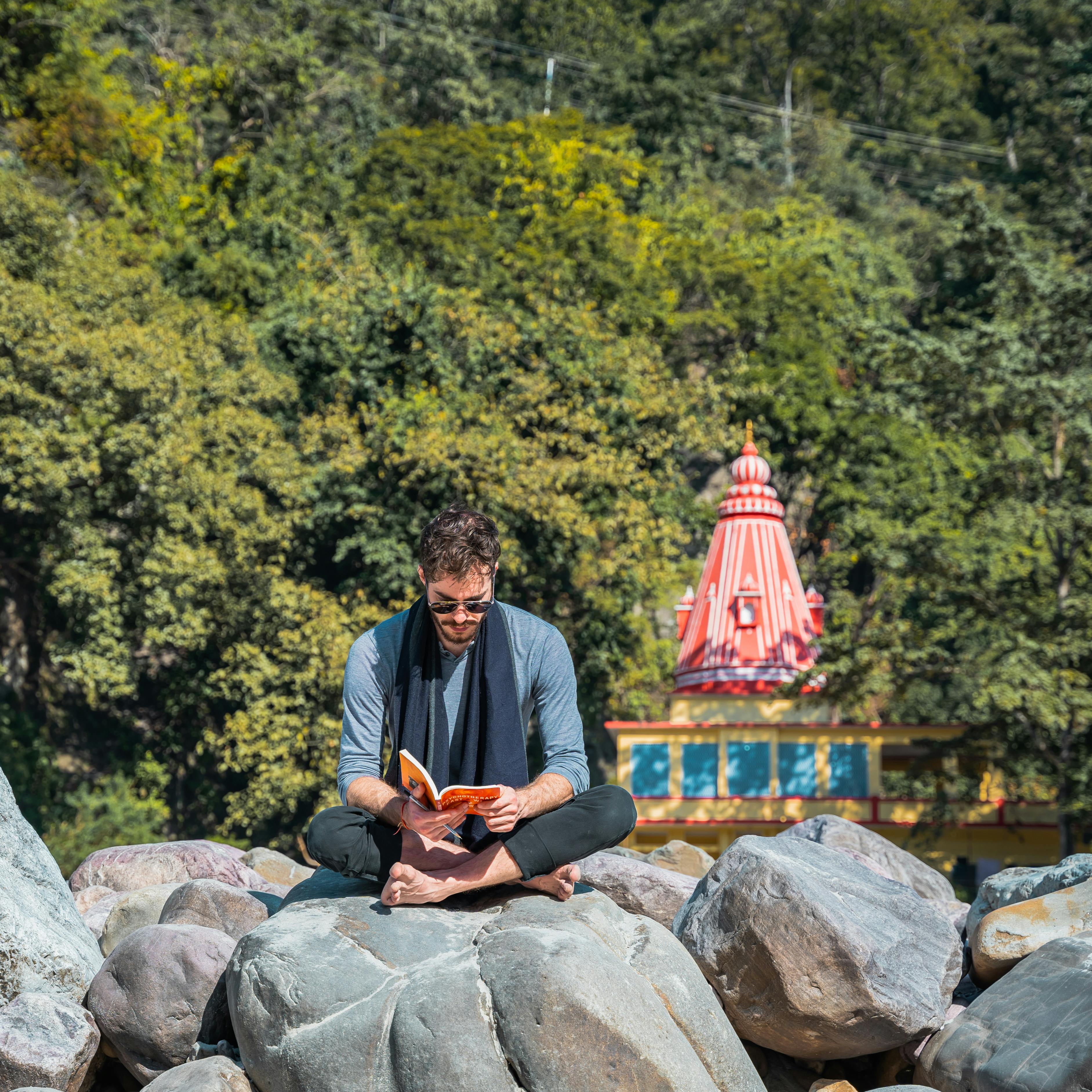
Still, from a distance, I can recognize the hunger that brings so many travelers to India. The ones who arrive with notebooks, Instagram reels, and expectations of sudden insight. In the U.S., where I grew up, so many of the places that once held people together have frayed. Church pews are emptying. Neighborhoods exist where people barely know each other. Even restaurants and parks feel quieter. Life often takes place inside private boxes: house, car, office, gym. Even leisure feels like something that is purchased. In that emptiness, it makes sense that people book yoga retreats or chase India as an idea. They want something communal and bigger than themselves. That longing isn’t wrong. It’s very much human.

Outward Journeys, Inward Work

And yet, longing can be deceiving. A retreat or a trek can feel like transformation…until you’re home again, facing the same routines you left behind. The truth is, you can’t import change. A trip might shake you awake, but the work of growth is slower and more ordinary.

For me, it came in small doses: learning patience when I didn’t understand what was happening, finding empathy in a language I couldn’t quite follow, and building a safety net out of friends, neighbors, and aunties. The lessons didn’t arrive in a clap of thunder; rather, they blended into the middle of things I didn’t choose, usually dragging me along, kicking and screaming because I didn’t want to change. I didn’t want to become more self-aware. I didn’t want to learn how selfish I had always been. 

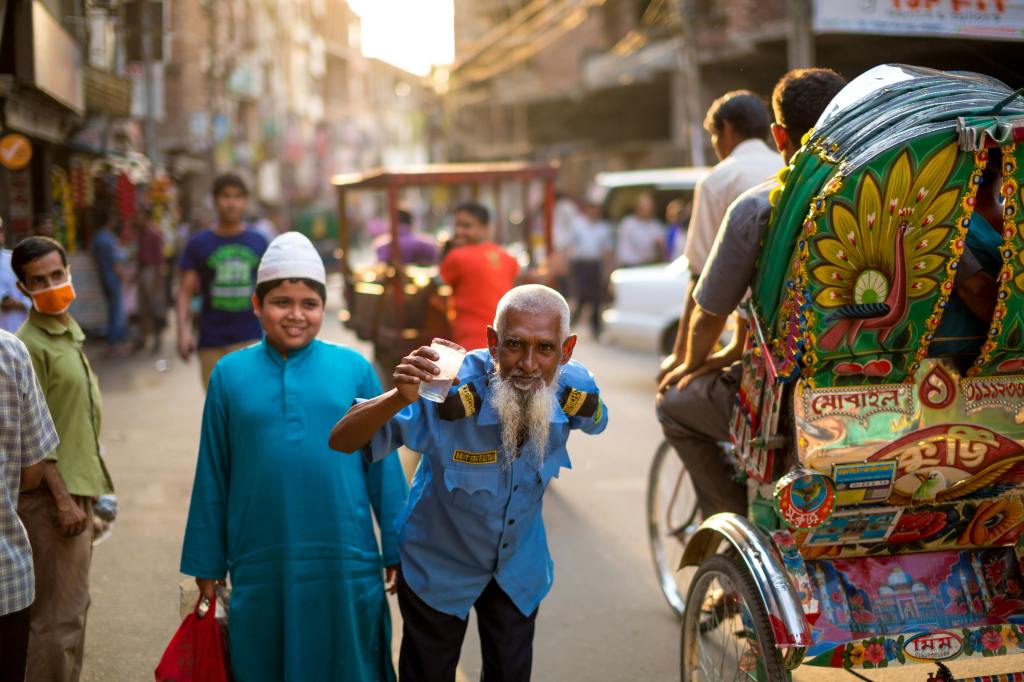
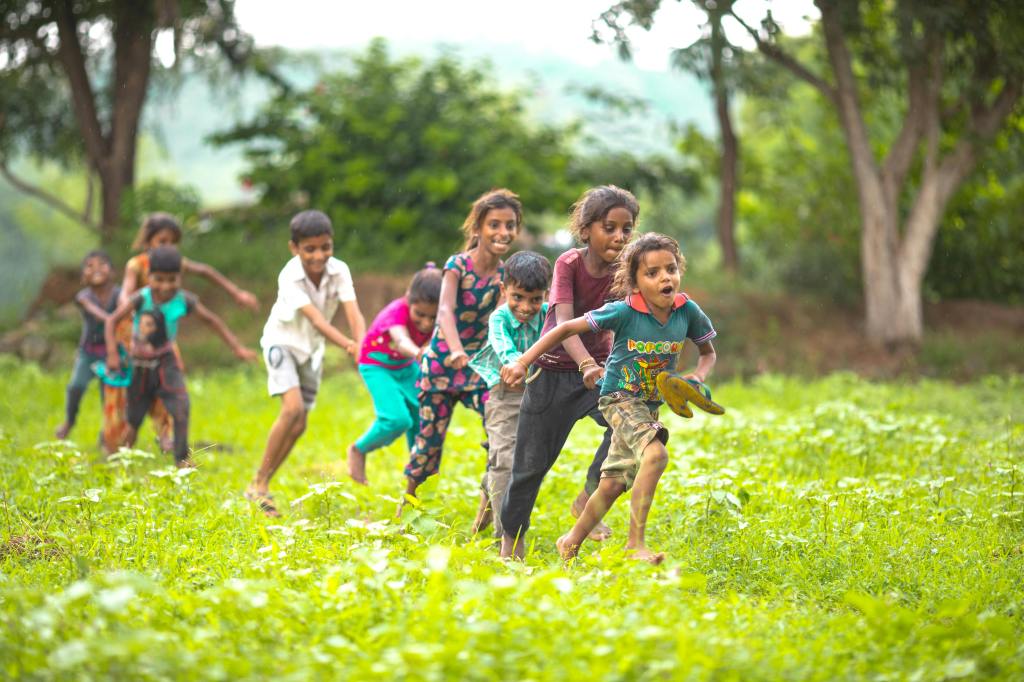
I began to notice something else as well: spirituality here is rarely spectacular. It’s not in ten-day vipassana retreats or sunrise yoga sessions on the Ganges. It’s in the way neighbors check on each other during hard times, in the ritual of quick poojas and prayers in the mornings and evenings, in hobbling together a community meal for a festival, in the patience demanded by long queues and traffic. It’s in the laughter of children playing outside, in the unspoken resilience of people tending to the small tasks of life, extraordinary for Westerners and the privileged, ordinary for many, many others. Living here, you begin to see that the sacred is woven into the everyday routines.

Connection Over Consumption

I’ve come to think the difference is this:

Consumption says, I’ll travel, I’ll pay, I’ll collect my transformation like a souvenir.

Connection says, I’ll keep showing up for people, traditions, and rituals, even when it’s ordinary, even when it’s inconvenient.

The first is exhilarating, but it rarely lasts. The second is much slower and harder to market, but it endures. It’s the work of presence, the steady accumulation of small acts and observations that shape who you become. Meaning is built, piece by piece, in showing up, paying attention, and participating in life as it unfolds.

What I’ve Come to See

So I don’t see myself in the seekers that arrive with plans to awaken some deep wisdom inside of themselves. I see them as people chasing a tale they were handed. 

When I began writing about “India Syndrome,” I thought it was a story about travelers who lose themselves and the privilege of foreigners who come here seeking inner peace. But what I’ve come to see is that it isn’t really about India at all. It’s about the longings and aches we carry, the ones that tell us where to look for change. Transformation and finding meaning in life is not escaping into a myth, but staying long enough for your own story to deepen.

Closing Reflection

Edward Said warned in his 2003 preface to Orientalism that the world was hurtling toward a dangerous homogeneity, of differences being flattened by the media and the ways we represent each other. Two decades later, I see a different kind of flattening here, too, in the daily life shaped by global markets and lifestyles. The India that once seemed like a sanctuary for spirituality is not untouched by these. I walk into the mall where we do our shopping, and I am blasted with Starbucks, Burger King, KFC—the list goes on. The contrasts that once felt so stark, between “East” and “West,” between here and there, are becoming more and more blurred as the years go by.

Maybe that’s why I no longer notice as many differences between India and the U.S. Or maybe it’s because I’ve learned to adapt in both places. Either way, the search for “pure” spirituality was always chasing a mirage. The world is blending, converging. And it’s becoming harder to see where one culture ends and another begins.

So maybe what we’re losing isn’t India, or the West, or any particular culture at all. Maybe what’s slipping is our willingness to remain human together—to know our neighbors, to show patience in traffic, to practice rituals that take more than a swipe or a tap. The internet promises us infinite connection, but it mostly sells us distraction, performance, and more consumption. In that sense, India Syndrome isn’t about coming here at all; it’s about the ache we carry when we mistake capitalism for communion. And if there’s any cure, it won’t come from a plane ticket or a retreat. It will come from staying, from choosing presence, from resisting the long drift into sameness by living the small acts that make us human again.

If you do come to India, come to see it for what it is. You might take home some insights, but they most likely won’t last. For “finding yourself,” start at home with what’s in front of you and underneath your feet. Dig your soul deep into the soil. Water it. Tend to it. Let it grow into something truly meaningful. That’s where the real transformation lives.
This essay concludes a series on India Syndrome, Orientalism, and spirituality seeking in India. You can find Part 1 here and Part 2 here.

Images from Pexels and LinkedIn.
Inherited Scripts: Orientalism and Mystical India, Part 2 of 3

Always Searching

When Justin Shetler disappeared into the Parvati Valley with a sadhu, he was stepping into a story that had been written long before he was born.

The mythical “India” many Western seekers carry in their heads didn’t just appear out of thin air. It’s the result of centuries of writing, painting, sermonizing, and photographing by colonizers, missionaries, and scholars. People who arrived with their own agendas and left with narratives that served them more than the people they described.

From the late 18th century onward, British Orientalists studied Sanskrit texts, Hindu philosophy, and Indian epics, not only to understand them but also to frame them for Western consumption.

When Sir William Jones founded the Asiatic Society in Calcutta in 1784, he fell in love with Sanskrit texts like Shakuntala. But he translated them the only way he knew how—through the lens of Greek classics and the Bible. A few decades later, James Mill wrote his History of British India without ever setting foot there, describing Indian culture as backward and despotic.

Colonial ethnographers romanticized some aspects of Indian spirituality while dismissing others as superstition. William Carey, arriving in Bengal in 1793, translated the Bible even as he condemned Hindu practices, overlooking that Christianity had already existed in India for centuries.

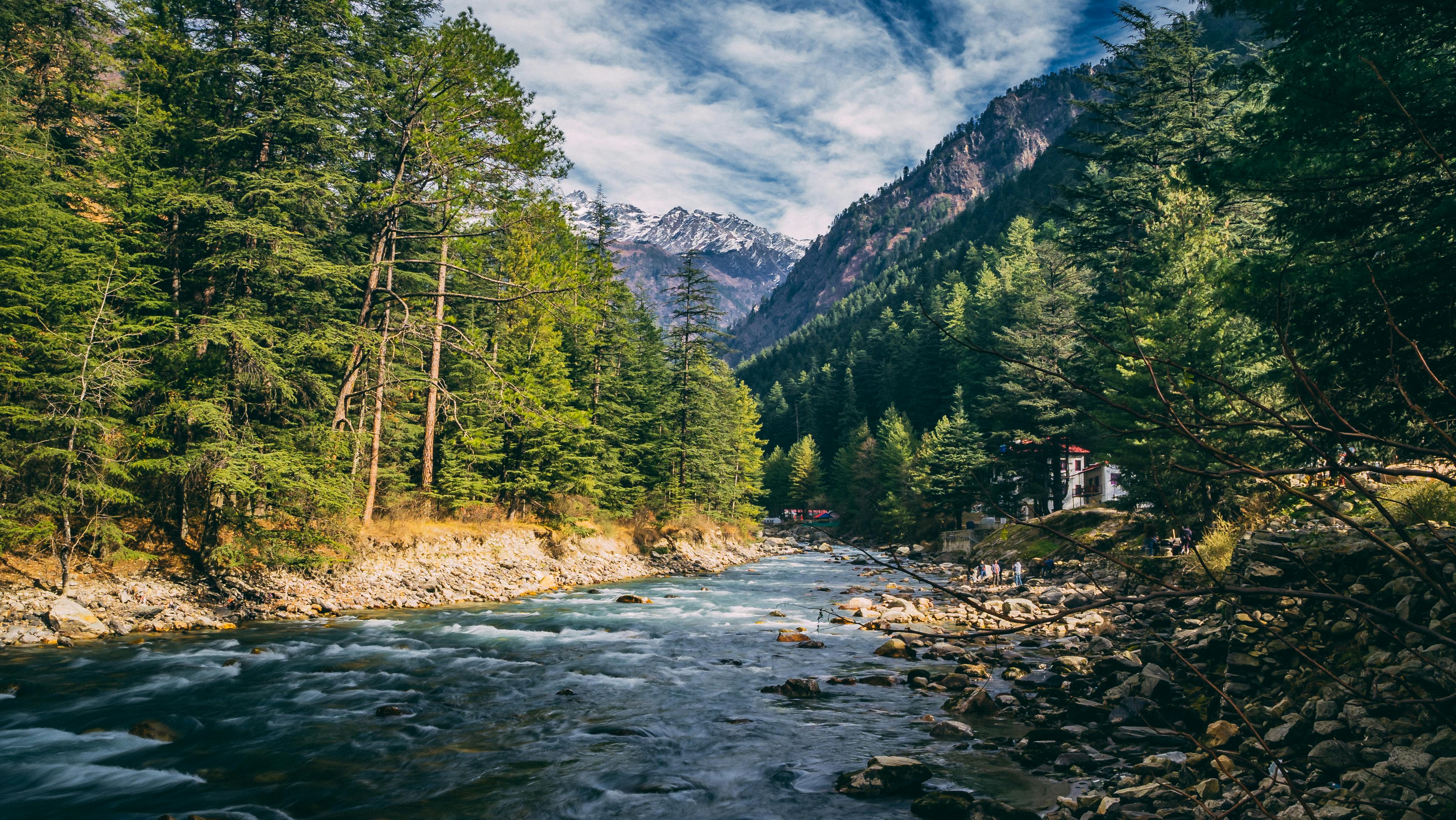
In the mid-19th century, British photographer Samuel Bourne lugged his huge camera into the Himalayas and produced dreamy pictures of temples, sadhus, and misty peaks. Back in London, these images confirmed for readers that India was timeless and mystical, while the realities of famine and politics were conveniently cropped out.

Two stereotypes emerged from all this: India as timeless wisdom, and India as backward chaos. Both were useful to the British Empire and beyond: one justified the “civilizing missions,” the other sold India as a curiosity cabinet.

Spirituality as a Colonial Export

Ironically, many Indian spiritual traditions gained fame in the West through the very structures of colonialism. Texts were translated, performances staged, and lectures given in London or Paris. The most marketable elements—yoga, Vedanta, certain forms of meditation—were cut from their original contexts and pasted as universal philosophies.

By 1893, Swami Vivekananda was in Chicago, dazzling audiences at the Parliament of Religions with his vision of Vedanta as a universal philosophy. A generation later, Paramahansa Yogananda’s Autobiography of a Yogi became a counterculture bible in California. Both men stressed the universality of their philosophies, but their Western audiences consumed them as spiritual “others.”

Meanwhile, at home, the British Raj often undermined or repressed living religious practices, such as closing temples, regulating pilgrimages, and policing gatherings, while happily exporting a purified, aestheticized version of Indian spirituality to the West.

Postcolonial but Not Post-Orientalist

Even after independence in 1947, the West’s appetite for the “mystical East” didn’t fade. It changed branding. The 1960s and 70s brought the Beatles to Rishikesh, hippies to Goa, and the counterculture’s embrace of gurus, ashrams, and psychedelic enlightenment.

The Beatles’ 1968 stay at Maharishi Mahesh Yogi’s ashram in Rishikesh turned meditation into a global craze, while hippies built whole enclaves in Goa. The empire was gone, but the Orientalist script survived, dressed in tie-dye instead of khaki.

Modern yoga studios, mindfulness apps, and wellness retreats are part of the same lineage. In 2014, the UN declared International Yoga Day, celebrating yoga as a gift from India to the world. But by then, yoga studios from Los Angeles to Berlin had already stripped away much of its religious and philosophical roots, selling it as a universal wellness fix. Another neat package, easy to consume.

The industry thrives on a spiritual shorthand: chakras, incense, sunrise chants. These aren’t inventions, but they’re often curated fragments of India, detached from the culture and society that gave them meaning.

It’s not that Western seekers shouldn’t learn from Indian traditions, but the relationship is rarely equal. When spiritual India is treated as a service economy, something to be visited, consumed, and left behind, it becomes harder to see its people as more than extras in someone else’s awakening story.

Why the Script Still Works

The old Orientalist fantasy persists because it answers a Western longing. For centuries, “the East” has been imagined as a place where modern life’s alienation can be cured, where there’s still authentic meaning to be found. India, with its visible spirituality and religions, complicated history, and contrast to Western cultures, fits the role perfectly.

That fantasy colors travel writing and Instagram posts, and it shapes the paths people take. It tells them what to look for, how to frame their experiences, and sometimes, tragically, how far they’re willing to go to live out the script.

On social media, this fantasy can swing both ways. Just as some travelers come chasing enlightenment, others build whole reels around India’s poverty, traffic, or chaos. The effect is the same: India is flattened into a caricature.

Imagine if someone filmed only Skid Row in Los Angeles and claimed it represented all of America. Every country has its shadows, yet India often gets held up as if those shadows are the whole picture. That, too, is a modern form of Orientalism: selecting what confirms a stereotype and ignoring the rest.

And that’s what makes “India Syndrome” such a slippery term. It goes beyond breakdowns in the Himalayas; it’s how the story of India, as inherited from colonialism, can seduce someone into abandoning their own reality.

Some, like Justin Shetler, vanish into that story entirely. Others return home with a few thousand photos and some harrowing stories to tell. Others collect what they believe are epiphanies, which slip into the ether after they slide back into their home’s routine. But even more don’t come at all, choosing instead to nibble on pieces of a 5,000-year-old culture that they feel will patch the void inside them. No matter how it’s done, the same script is still being performed.

The India so many Western travelers arrive seeking is rarely the India they actually encounter. Guidebooks, films, and memoirs have long trafficked in images of a timeless, mystical land—a place to be “discovered” rather than lived in. This is the shadow of Orientalism, the old habit of painting India as exotic, irrational, or spiritual in contrast to a supposedly practical, rational West.

And yet, the story isn’t that simple. Over time, many Indians themselves have adopted, adapted, and even marketed these same images. Yoga teacher training centers, curated “heritage villages,” or pricey retreats by the Ganges all cater to the longing of visitors who want to taste a certain kind of India. For some, these motifs have become a source of pride or income, often pragmatically so. For others, they remain frustrating distortions that compress the diversity and contradictions of the country.

The problem isn’t that seekers come; people have always traveled to India for learning, trade, or inspiration. The problem lies in the hunger for a single story: that India is here to provide spiritual rescue, that transformation is something to be consumed. That desire often blinds travelers to the ordinary ways people here live, worship, and endure.

Even my own experience here has been a constant negotiation with this script—resisting and repeating it, always aware it is much older than me.

Up Next: Part 3 – My time in India, and why so many white travelers chase meaning far away from home.

And if you haven’t read part 1, you can check it out here.

Note: All images from Pexels.