Tadka: Learning to Name the World

Opening Note:
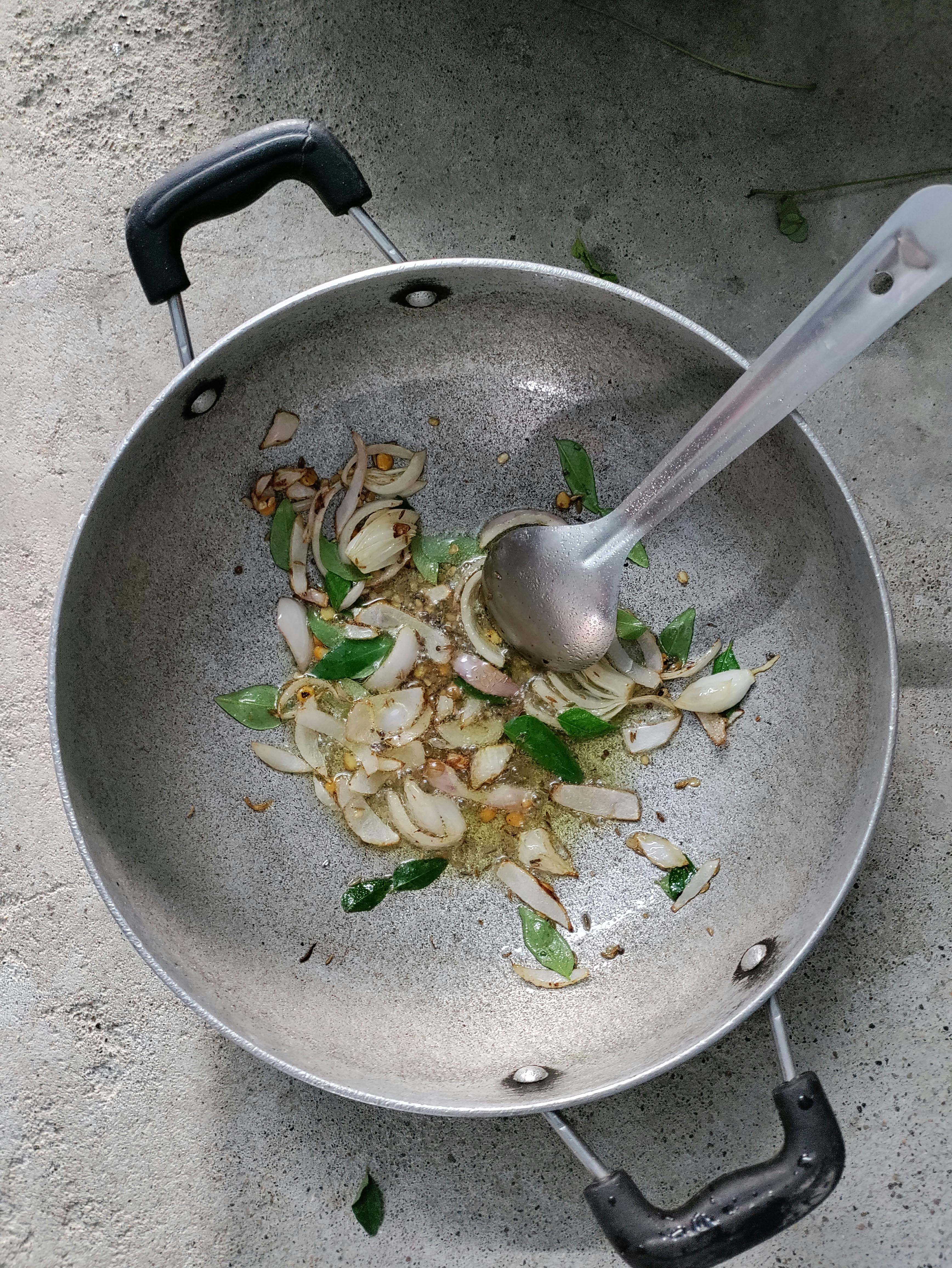
One of the first things I learned in Kerala was that food speaks to you. When mustard seeds splutter in hot oil, it’s a signal: add the curry leaves, the shallots, the chillies. Over time, I realized language works the same way. It teaches me when to pause, when to listen, and how to name the world with new words.

Tadka (To My Younger Self)

When the mustard seeds splutter,
that’s when you add the curry leaves, shallots, and chillies.
Call them by their names: kaduk, kariveppila, ulli, mulak.
Repeat them, ketto?
They will be your anchors later.

You will learn the names of vegetables, fruits, grains first,
by accident.
Your ears will be covered in scales until they aren’t,
and rice, fish, turmeric will become chor, meen, manjalpodi.

Hold on to the astonishment of learning them,
tracing the seas they’ve crossed,
the shores they’ve touched.
Remember, Babel wasn’t a punishment.
It was a gift:
a doubling, trebling of names
for tomato, onion, wheat.

You will want to tell someone about this wonder,
but you will feel alone.
In India, they will shrug,
we know these things only.
At home, eyes will glaze over.
You’re allowed to marvel anyway,
maanasilaayo?

You will still want to shrink into a corner,
fear and self-doubt strangling you.
But you’ll press forward anyway,
shoulders tight, breath shallow, heart pounding.

It’s the same acceptance of terror that gets you
through airports, onto planes
to your mother, father, and brother,
not to relive the old days, but to
build new ones–
good times, now,
with their granddaughter.
You learn to do what must be done. 

On these visits, you will pass your grandparents’ house.
You’ll see black trash bags slumped on the porch,
weeds swallowing the yard.
Look away if you must.

When you walk inside for the last time,
you’ll search for their scent in the damp,
unheated walls of late winter.
It won’t be there.
You will realize:
loss doesn’t wait for your return. 

And still, the seeds will pop
when oil meets flame.
The crackle is now, never then.
It will not pause for a house
that now belongs to someone else.

Fragrance will rise, sharp, insistent.
The present will announce itself
in smoke and spice.

So listen, mol:
you don’t need to live inside what is gone.
Stir the heat into what is here.
Add the zest.
Name things as they are.
Find beauty in words for what’s to come.
Eat while it’s hot.

Memory will cool soon enough
on your tongue.

Closing Note:
The crackle of mustard seeds hasn’t stopped surprising me. It’s a small sound, but it reminds me that life is always beginning again, in kitchens, in words, in the ways we honor our pasts.

Image from Pexels.
Between Two Worlds: A Switch

Somewhere between arrival and departure, I’ve learned to speak in two voices and carry two selves. This is about what happens when neither feels entirely mine.

A Switch | സ്വിച്ച്

This plane window is a signaller.
Ready to help me
choose myself
before we fall to the earth.
I am sinking and floating at once, but
I look out the window anyway
to see
which personality to wear after landing.

Grey bypasses, skyscrapers, concrete
squares:
all holding their breath.
The switch flips to
America.

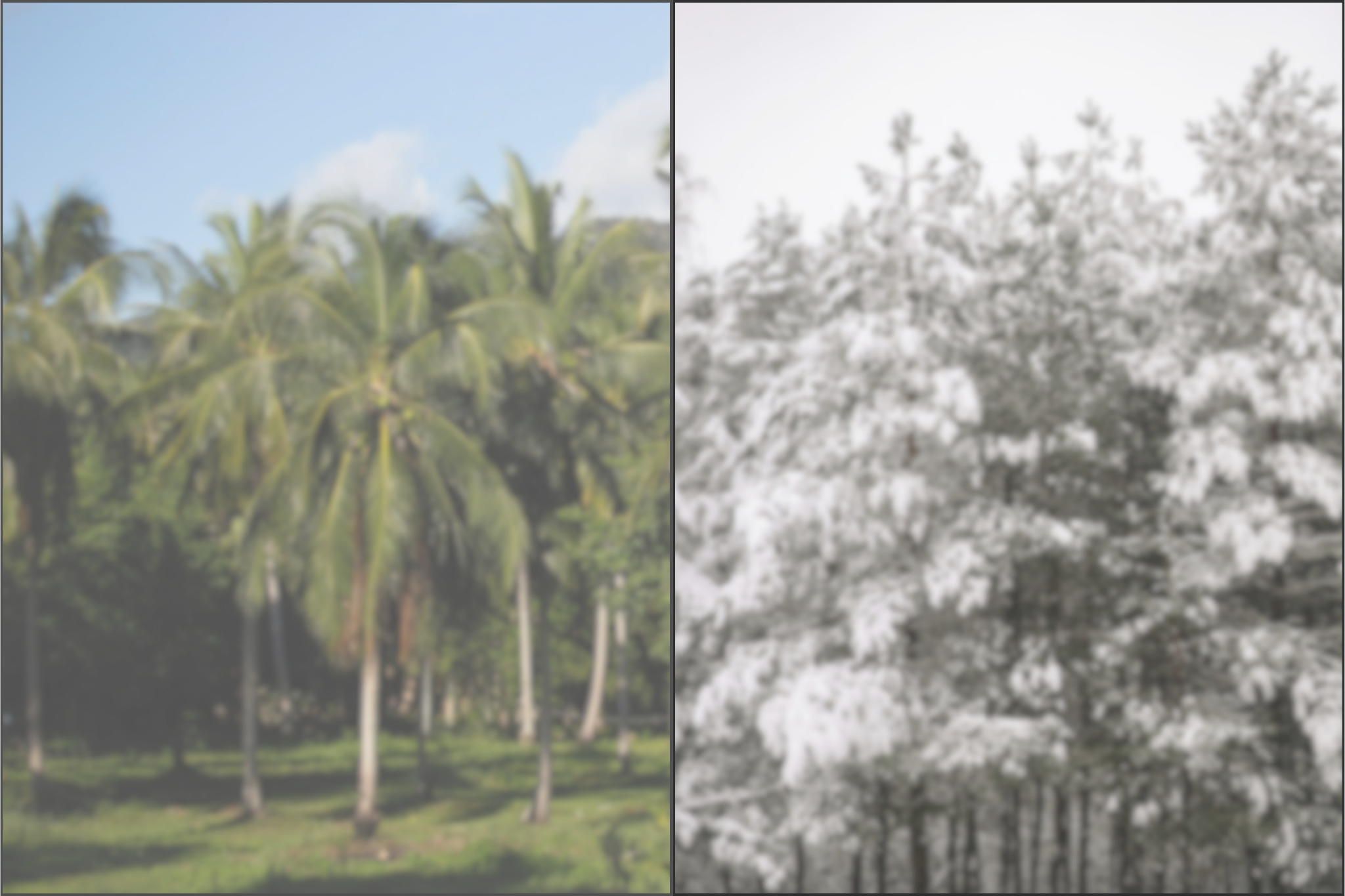
A quilt of coconut palms,
low white buildings,
the switch flips to
India.
My head wobbles before the plane
touches down.

Later, I learned there’s a word for this.
I protested: I don’t do this.
Not me.
And the man I spoke to replied,
“Oh, but I think you do.”

In India,
I’m more reserved,
yet I speak more.
Slowly. Enunciating.
I use words like:
lift – boot – lorry – brinjal – petrol.
I say Ruh-vi, not Raaah-vi.
I roll my Rs and
move na – nja – nna
through my tongue and lips.
I clench my fists in frustration
when the word is right there,
drifting, italicized, in my mind,
tucked under my tongue
when I try to speak.

And then in America,
when I’m with people
who knew me once,
but not quite.
When nostalgia rolls in
as thick as the fleece blanket
that keeps me warm in
stark Pennsylvania winds,
I’m more open,
but speak less.
I speak quickly, slurring my words:
“Didja eat yet?”
I smile hellos and how are yous to
perfect strangers, but
never pushing beneath:
“Friend, how is your heart?” or
“Is your father doing okay?”

“You kinda have an accent now,”
so I flatten my As again.
My voice shifts north
into my nose
and the words roll out:
elevator – trunk – truck – eggplant – gas.

I don’t have to worry
about chechis and chettans.
Americans like first names,
giving us a pretend closeness,
like a handshake without eye contact.

Here’s the thing:
neither one feels quite right.
In India,
I wear a mask.
I smile when I don’t want to;
swallow questions and
bite back criticisms
because my face marks me a visitor
even though I’ve rooted my hands
deep in the soil.
In America,
I wear a wool sweater
two sizes too small.
I tug at the sleeves,
sweating, itchy, chafed
but never take it off.

So, who am I?
Am I the words spoken to others,
what they see:
a woman in love,
a fool,
a brave soul?
Or am I
something deeper?
Or am I none of these?

Am I just a middle-aged woman
afraid she will always be brushing the edges,
never quite let inside?
Am I just afraid
that someday I’ll be a stranger
in a strange land
where I borrowed books
from the library
and licked ice cream
as I walked to the park?

Now, the only home
is my daughter’s voice
when she tells me 
the song she and her friends made up;
when my husband and I walk 
into the hovering emerald canopies.

If my skin were peeled away
and my chest cracked open:
The hush of the monsoon rain
washing through the ghats,
the whisper of the snow
covering the evergreens—

Would you recognize
  the language of my pulse,

 the accent
   of my blood,

forever stuttering
switching tracks
until I break the lever.