As we are between the festivals of Diwali and Halloween, I thought it would be appropriate to do a shorter etymology post.
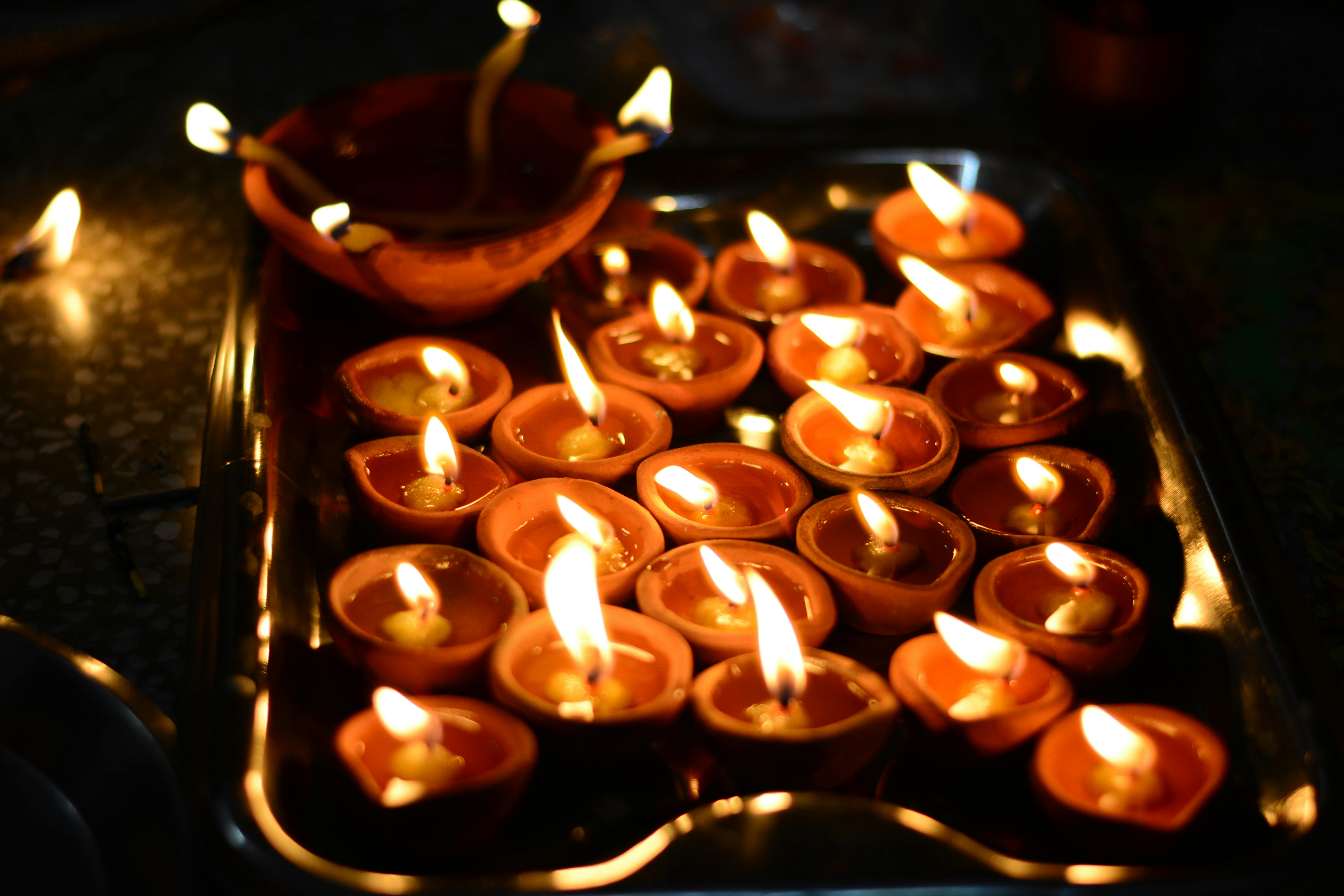
Diwali, the Festival of Lights, celebrates the triumph of good over evil and light over darkness. You’ll find homes lined with diyas and lamps, fireworks and sparklers, and lots of sweets.
Halloween, on the other hand, brings a sense of eerie mystery, with costumes, carved pumpkins, and candy capturing the season’s spookiness rather than light and renewal.
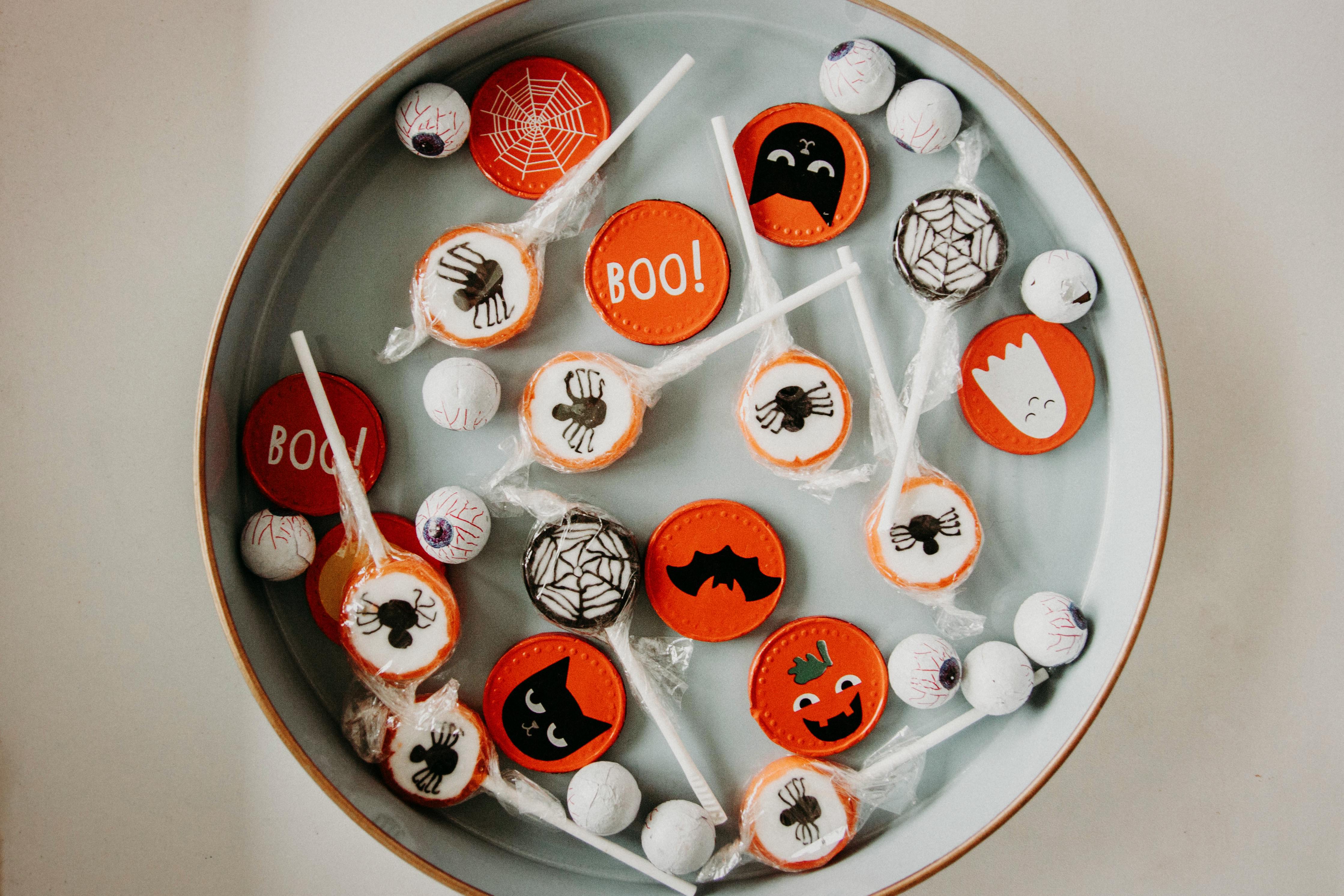
But did you notice what these holidays have in common?
Sugar and candy. But where did these sweet words come from? Hidden in the syrup of gulab jamun and beneath the wrappers of Reese’s pumpkins is a fascinating linguistic journey, one that travels across continents and millennia, from ancient India to medieval Europe, carrying the legacy of trade, language, and humanity’s desire for sweetness.
From Sanskrit to Sugar
Before candy bars or kaju katli, there was śarkarā (शर्करा), the Sanskrit word for “ground or granulated sugar.” Originally, śarkarā referred not to refined sugar but to small, gritty pebbles or crystals. As Indians began refining sugarcane juice into crystalline form (a process perfected in the Indian subcontinent over 2,000 years ago) this miraculous sweet substance took on the name śarkarā.
Through centuries of trade along the Silk Road and maritime spice routes, the word śarkarā took on new forms in new languages. In Prakrit, an ancient vernacular in North India, it became sakkarā, which Persian traders adopted as šakar (شکر). The Arabs carried it onward as sukkar (سكر), and medieval Latin scribes recorded it as succarum or zucarum.
By the time it reached medieval Europe, the word had solidified into Old French sucre and Italian zucchero. From there, English borrowed it as sugar in the 13th century.
So the next time you sprinkle sugar into your pumpkin spice latte or stir it into your kheer, remember you’re using a word that began in Sanskrit and traveled the world through trade and culinary innovation. Every grain of sugar is a speck of history, carrying both the memory of ancient India’s language and its ingenuity.

A tldr version of the history of “sugar”
śarkarā -> sakkarā -> šakar (شکر) -> sukkar (سكر) -> succarum -> sucre/zucchero -> sugar
The Story of “Candy”
If sugar is the mother of sweetness, then candy is its offspring. This word also has roots in India, from khaṇḍa (खण्ड), meaning “piece” or “fragment.” When sugar was first crystallized, it often formed into large blocks or shards, which were broken into khaṇḍas, pieces of sweetness.
Persian merchants, who became experts in the sugar trade, adopted the word as qand (قند), meaning sugar or sweet substance. Arabic then transformed it into qandī, meaning “made of sugar.”
This Arabic form found its way into European tongues through the bustling trade of the Middle Ages, first appearing as Italian candito and French candi (as in sucre candi, “crystallized sugar”). By the 14th century, English had adopted the word as candy.
The original “candied” goods were fruits or nuts preserved in sugar, luxury items fit for nobles and festivals. Over time, as sugar became more widely available, candy came to mean any sweet confection. And by the 20th century, it had taken on its modern association: the sugary bounty of Halloween night.

A tldr of “candy”
khaṇḍa (खण्ड) -> khaṇḍas -> qand (قند) -> qandī -> candito/candi -> candy
A Trick and a Treat for the Mind
So when a costumed zombie knocks on your door shouting “Trick or treat!” or your aunty sends you a package of soan papdi, remember that even the word “treat” shares roots with trade and exchange. Sugar and candy are just two of the words (and wonders) we’ve borrowed from India.
Each piece you unwrap or spoonful you dissolve in your tea carries a soft echo of its past: fragments of Sanskrit, Persian, and Arabic melted together through centuries of travel and taste. Like sugar, language preserves what it touches, crystallizing memory, meaning, and migration into something still on our tongues. Sweet, isn’t it?




 An American in Kerala