The Golden Tusk at Jim Corbett National Park

For our tenth wedding anniversary and Evelyn’s eighth birthday, we wanted to explore somewhere new. Something that would be memorable for our little family of three. With record-breaking heat waves rolling through India, that left us with few choices. After deliberating for weeks, we settled on Uttarakhand – Jim Corbett National Park, Rishikesh, and Mussoorie.

After searching for decent travel agents, we found one who told us most resorts are far away from Jim Corbett National Park. Since we were planning on six safaris in four days, we wanted as little extra travel as possible. So, our agent suggested we stay at The Golden Tusk, which is very close to Corbett’s Dhela and Jhirna Zones.

We booked a three-night package with all meals included. We even tacked on a fourth night to give ourselves some breathing room. After arriving at Pantnagar airport, we drove for three hours to Village Dhela.

As we approached Dhela, I noticed sprawling fields replacing stocky buildings, and swaying trees and snorting buffalo replacing restaurants and people. Already, I was in love.

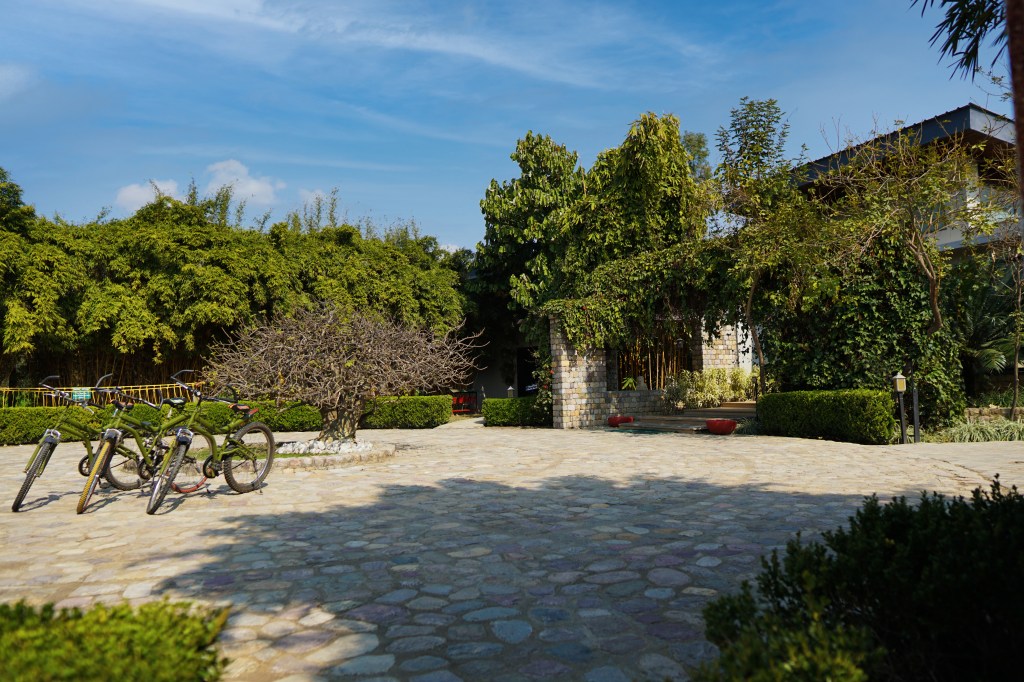
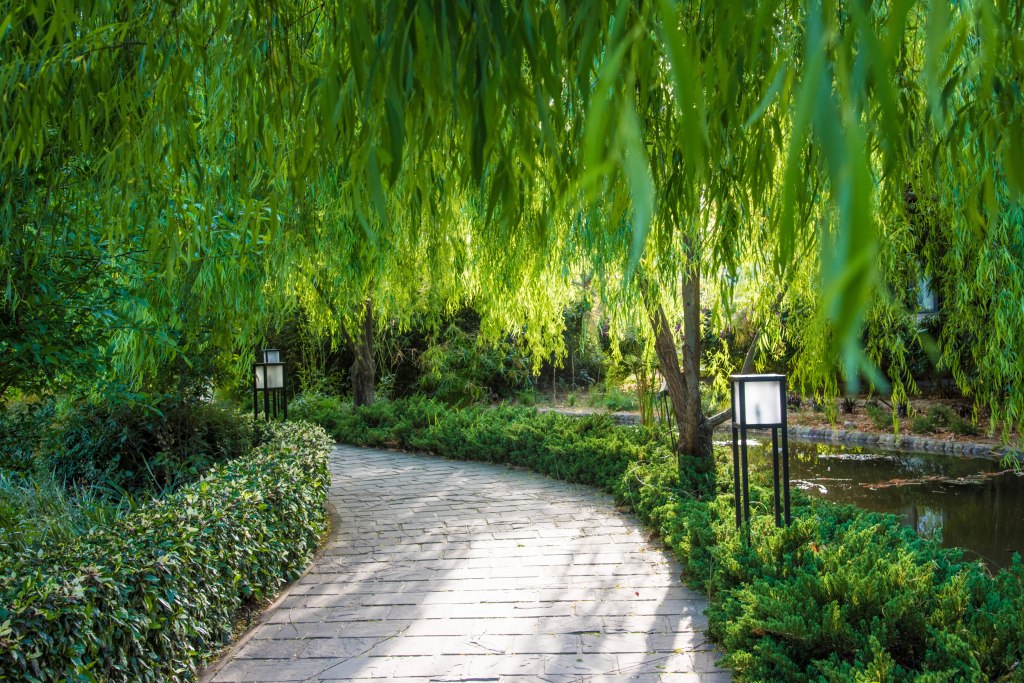
Flora surrounded us as soon as we entered the gates of The Golden Tusk. We felt the outside world wave goodbye as we made our way to reception.

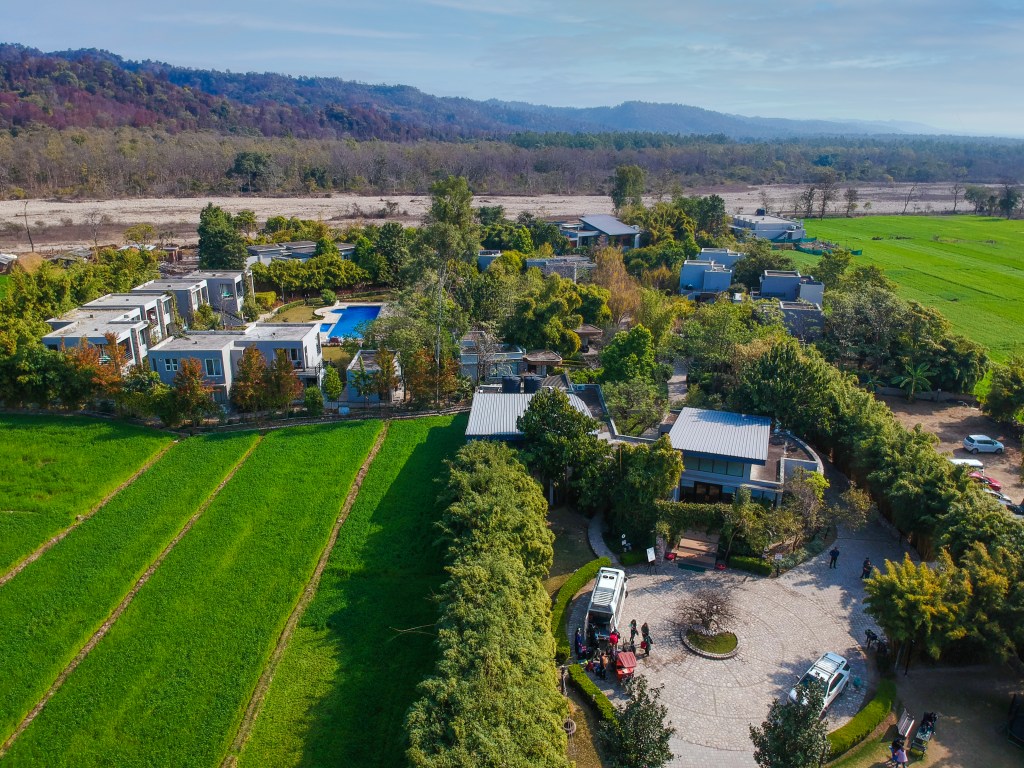
Overhead view of The Golden Tusk
An overhead view of The Golden Tusk

Upon entering reception, Ms. Arti greeted us and, for our four-day stay, ensured we had the best stay. A staff member served us burans juice, the traditional welcome drink of Uttarakhand. After traveling in the heat all day, we gulped it down and flopped on the plush reception couches.

Initially, we had booked all our nights in the Nature View Room. But, while we checked-in, Mr. Manoj Bachketi, the resort manager, said he was upgrading us to a Corbett Suite for our entire stay. What a way to celebrate!

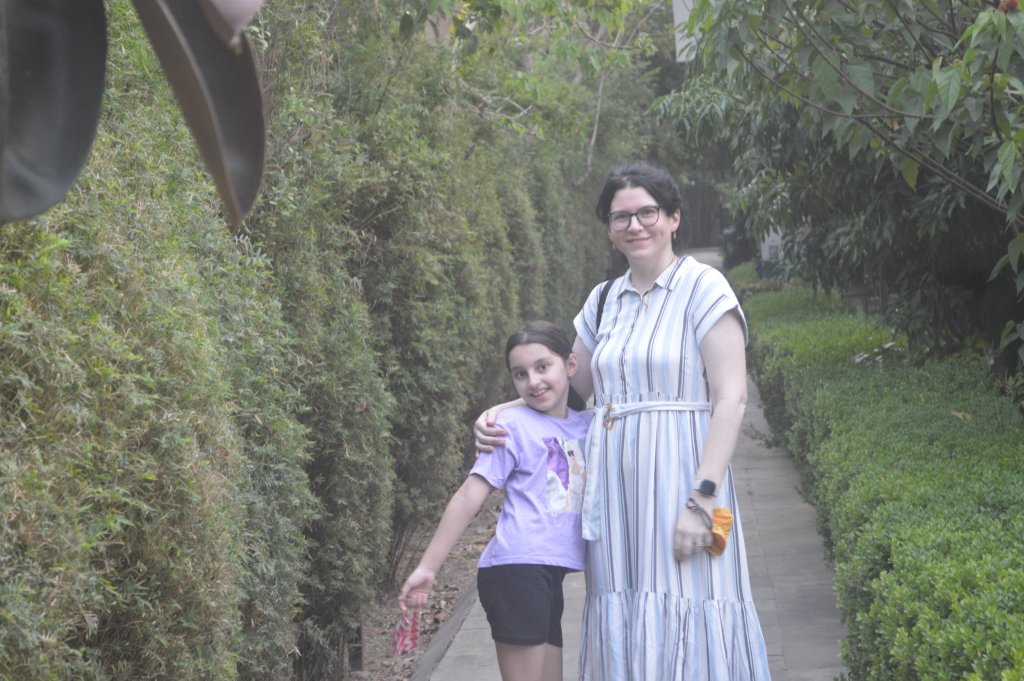
Ms. Arti escorted us to our suite. On the way, we admired the low-hanging trees, flowers, and narrow waterways that lined the way. Evelyn was thrilled when a red-wattled lapwing tottered across our path.

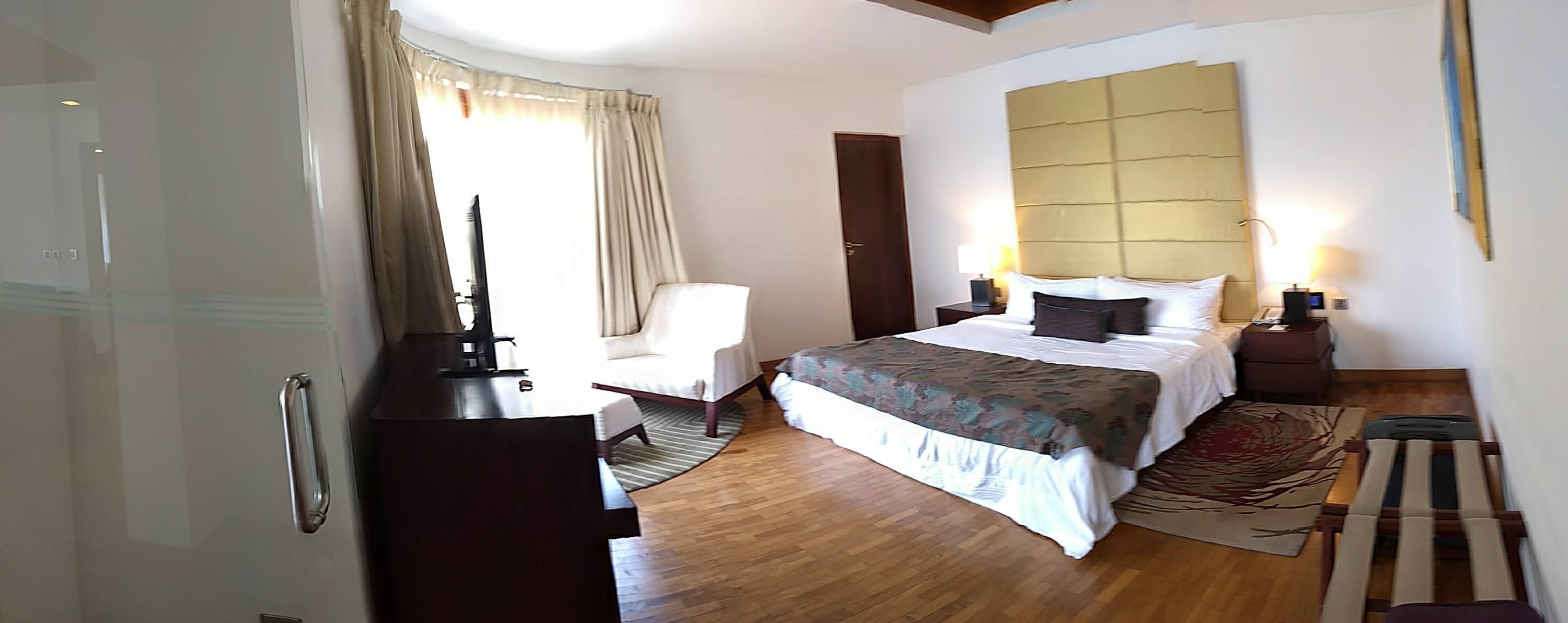
Our suite was everything we hoped for: luxurious, clean, and comfortable. The bedroom had sliding doors that opened to a balcony, overlooking the main lawn and the pool. In short, it was the perfect room to relax in after each safari.

We knew our safaris would consume most of our time there. So we explored the property during our first evening and morning. We arrived from our journey in time to enjoy the afternoon tea served in the lawn. The chai and bread pakoras gave us much-needed energy for the evening.

Evelyn begged to go to the kids’ outdoor activities. She tested out the Burma bridge, the commando net, and the trampoline. The resort houses more adventurous activities like wall-climbing, ladder climbing, and zip-lining. All super exciting, but they were a bit too much for our careful daughter. You can also rent bicycles and adventure into the village.

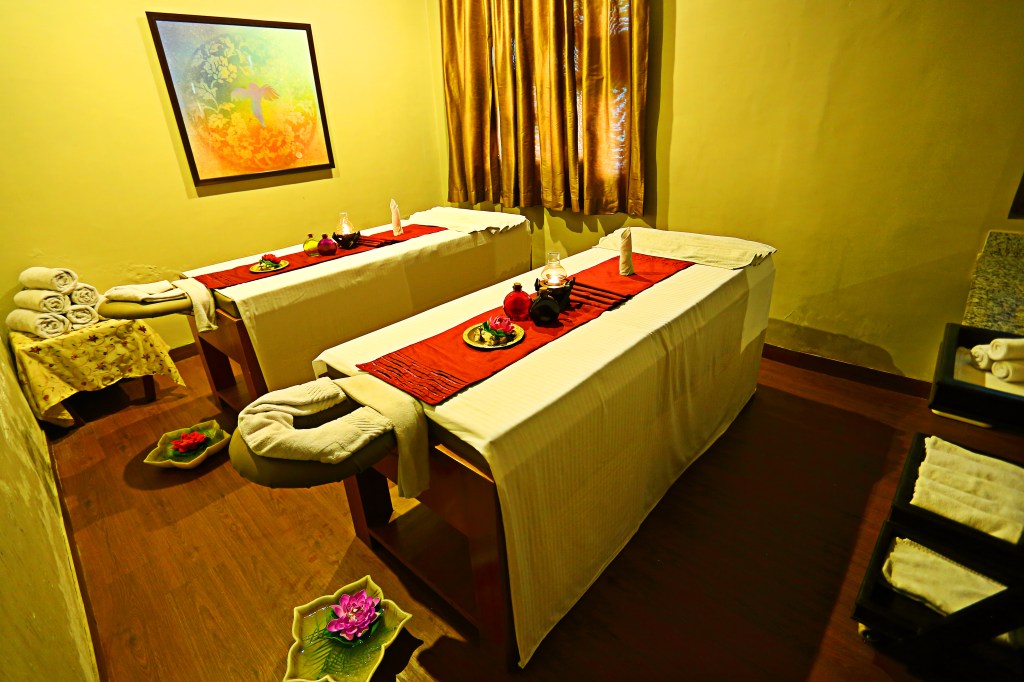
The next morning, I visited The Golden Flower Spa (my Mother’s Day gift) and got a massage. Maya, my massage therapist, prodded the tension out of my joints and muscles, and I felt like a new person after I left.

The spa, The Golden Flower, at The Golden Tusk
Relaxation and renewal!

The Golden Tusk coordinates different events each evening for their guests, which makes it unique. During our stay, they organized a jungle grilling session with live music (cancelled due to a wicked storm that ripped through), a flutist on the main lawn, and a wildlife film for kiddos.

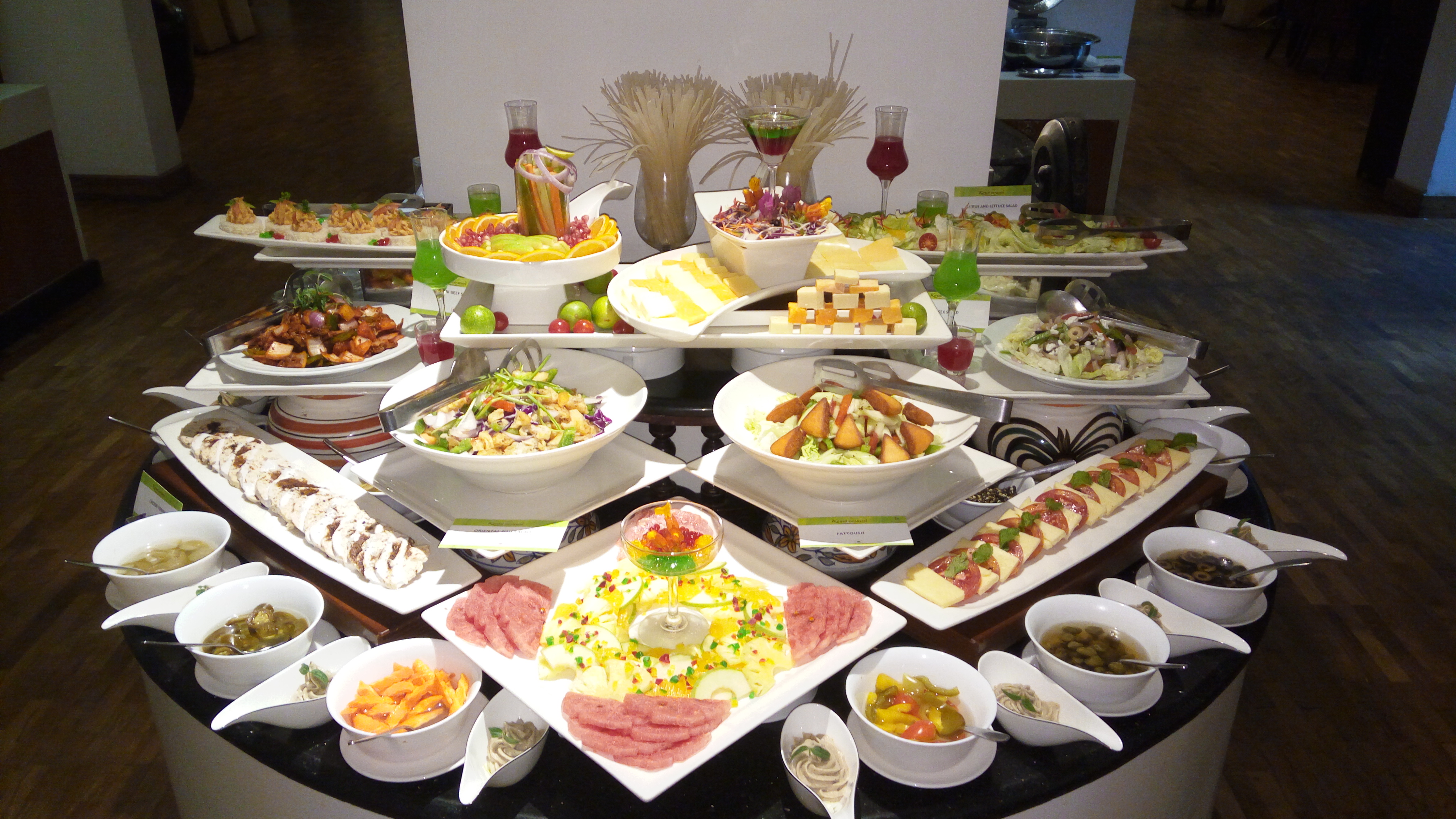
This leads me to the food at The Golden Tusk. We met Mr. Romesh Sethi, head of Food and Beverage. Whatever he is doing to run the restaurants there, I hope he keeps doing it. The variety and taste of the food is fantastic.

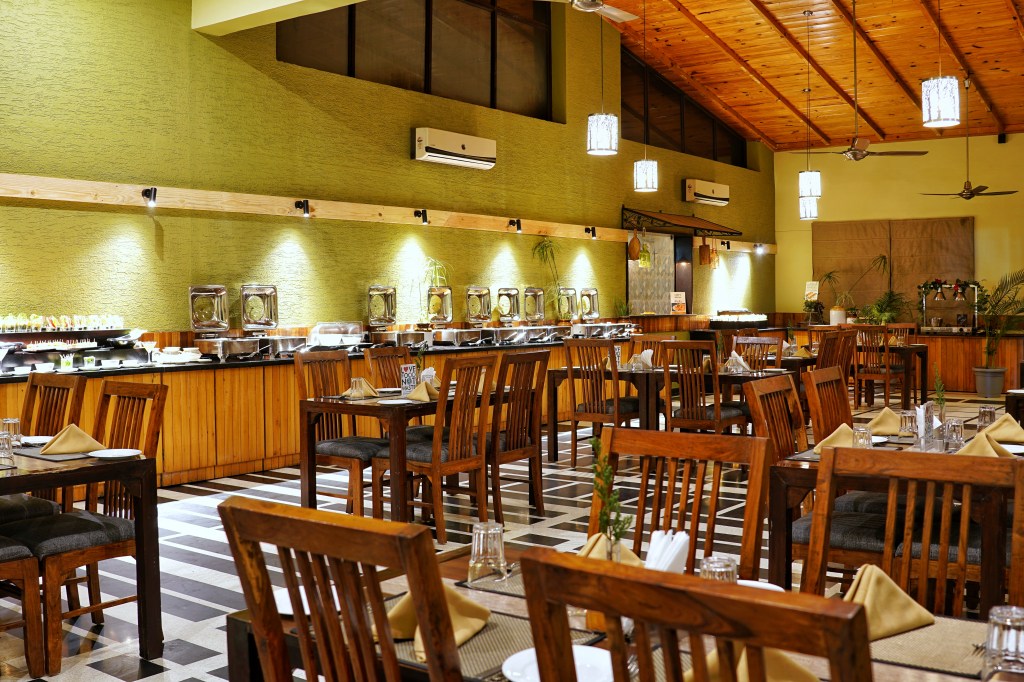
The main restaurant at The Golden Tusk

For a veg food lover like me, I had countless options of dishes like karela and gobi masalas, gatta curry, veg biryani, and fresh salads. Whereas my purely carnivore husband and daughter monopolized the non-veg section, which had dishes like laal maas, mutton rogan josh, and chicken lababdar. We parked ourselves in front of the live kitchen, where they doled out constant fresh, hot tandoori rotis on request. I’m craving the food even now!

I know I’ve mentioned a few staff members in this post, but every employee at The Golden Tusk deserves recognition. Their friendliness, urgency to solve any issues, and constant hard work are the foundations of this resort. An example of what I mean: Evelyn loves to live in the pool at hotels and resorts. I’m always on the fence about it because I never know how often they’re cleaned. Here, I didn’t have to worry at all. More than once a day, I saw people cleaning out the pools to keep them in top shape.

We only regret not staying at The Golden Tusk for our week-long vacation. I felt sad the day we left. During this trip, we learned that we are not frenetic, fast-paced travelers. We enjoy slow holidays, where we savor each moment for what it is, not worrying about what is coming next. And that’s exactly what this resort offers – an oasis from India’s chaotic urban centers.

overhead view of The Golden Tusk with mountains in the background
An oasis in the wilderness!

As for our safaris at Jim Corbett National Park, there’s a separate blog post in the making. What an experience!

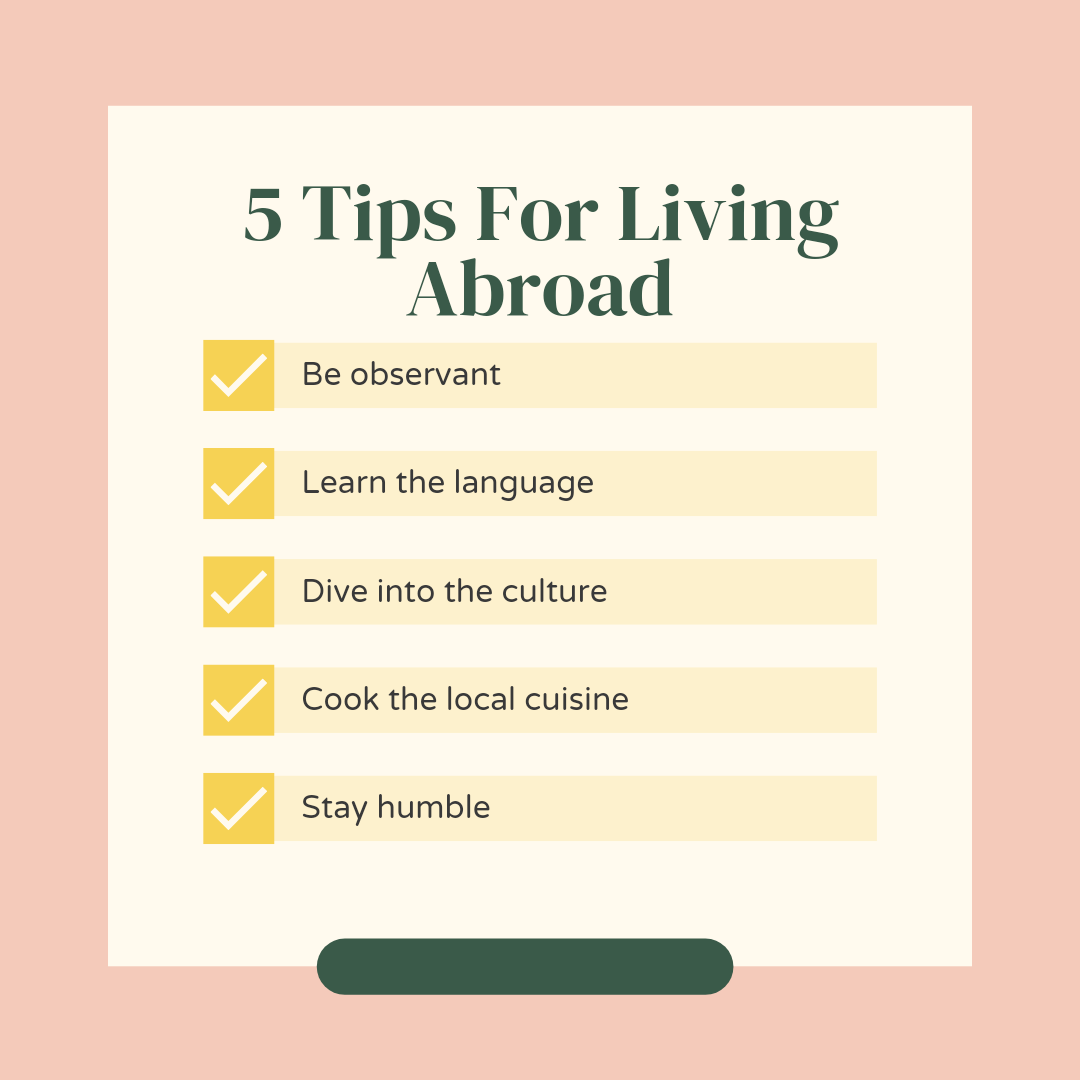
5 Tips For Loving Your New Country

Well, you did it. You packed up and shipped off to another country; your dreams of wanderlust coming true. Soon enough, weeks or months have passed, and you’ve settled into a routine. But things aren’t as fun as you’d hoped.

Your bathroom looks weird, beds and pillows are too hard or soft, and the grocery store doesn’t carry anything you like. The climate is too hot or cold. It’s exhausting trying to do anything official where no one speaks your language. Everyone else’s concept of time is different from yours.

These are small problems, but small seems huge when you’re away from what’s familiar. Before you know it, homesickness creeps into your stomach.

A lot of blood, sweat, and tears goes into living overseas. You need to break down your beliefs and values, maintain your boundaries, cry a lot, and laugh more than you cry.

Believe me, I know. I’m going on a decade here in Kerala, and my physical and emotional changes careened through ups and downs. I never had any desire to live in another country. I was content to live in or near Pennsylvania for the rest of my life. Well, life had something else planned for me.

When I arrived in Calicut, I was a starry-eyed newlywed, thrilled to live with my husband. Not one thing about India bothered me. Giant cockroaches? Fine. All-day powercuts? Bring it on.

Then our daughter was born, and I ran face-first into a cultural wall. Everything I found endearing became an imposition, and I went into an β€œI’m here on a long vacation” mindset. Over time, I pulled away from that thought and grew to love my life. Now, I can’t imagine living anywhere else but Kerala. No matter where I am, I’ll leave a piece of my heart here. It’s my home.

But it wasn’t until recently that I figured out how I fell in love with Kerala. There are a few definitive things I did that made me feel like I now belong here. So, for the sake of anyone plunging into a new culture, I’m giving the few tips that helped me the most.

1.) Be observant.

When moving to a new country, this is the best piece of advice. Observe people. Check out their behaviors. Watch what they’re doing, but even more importantly, watch what they’re not doing. I learned so much about how to behave in India by shutting my mouth and observing.

Some things I learned: eating with my right hand and without utensils, not crossing my legs when I’m visiting someone’s home, replacing handshakes with head nods when meeting someone. These are small things, but people notice when you do them differently.

2.) Learn the language.

You knew this was coming. I’m not telling you to only learn to communicate with people. That is, of course, the biggest benefit to studying a new language. You create and deepen new connections with native speakers.

Learning the language blows your world wide-open. You can understand a new slew of music, movies, jokes, and idioms. For me, few things have been more satisfying than finally understanding Malayalam memes.

Learning a new language has a host of benefits. It stimulates the brain, stalls cognitive decline, and boosts creativity! So get signed up for a class and start your language journey!

3.) Throw yourself headfirst into the local culture.

Throwing yourself into anything when you’ve moved to a new country seems like the last thing you want to do. But please trust me on this one. It gives you an enormous appreciation for your new home. Take a dance class, a singing class, an art class. Pick something and try it, even if you’re terrible forever.

Learn the history of the art form. Attend a local performance or exhibition. You won’t regret it.

As for me, I’ve written before that I learned (and am still learning) mehndi. And right before the pandemic, I started Bharatanatyam lessons, which I love, love, love. Both have rich histories, and I gained new admiration for all mehndi artists and Bharatanatyam dancers.

4.) Cook the food. This, my friends, is what pulled me out of my cultural adjustment funk. When you cook the local cuisine, you tie yourself to much more than the food itself. You become connected to history, language, and relationships.

Recipe by recipe, I restored my self-esteem by perfecting a huge part of Malayalee culture – their food. Pride wells inside when I hear a Malayalee say, β€œBrittany is an expert in making biryani.”

5.) Stay humble. Over the years, I’ve lost count of how many times I’ve culturally screwed up. It’s fine to make mistakes! But when Zac would explain how to avoid issues in the future, I’d rear up and demand why I had to change my behavior. The answer is rather dissatisfying: Because I had to.

Remaining culturally humble isn’t easy. It requires daily self-reflection: wondering how I can better communicate with and listen to people, and how I can better show my respect. It’s understanding the history and dynamics of where you’re living.

There is no sensitive way to say this, but it is neither your job nor your place to change the society where you live. Instead, amplify the voices of locals and citizens who are already changing things. They have done the hard work and deserve recognition.

I hope no one has read through this and now believes I sit stiff as a board and don’t speak so that I don’t offend anyone. If that was true, I wouldn’t have written this. Around friends and family here, I am totally myself. Frankly speaking, though, I am not the same person as the one who existed a decade ago, and that’s a good thing.

And there you have it. My five main tips for adjusting to a new country. While these won’t solve many other daily frustrations (a whole other ballgame), I hope they help people appreciate their new homes.

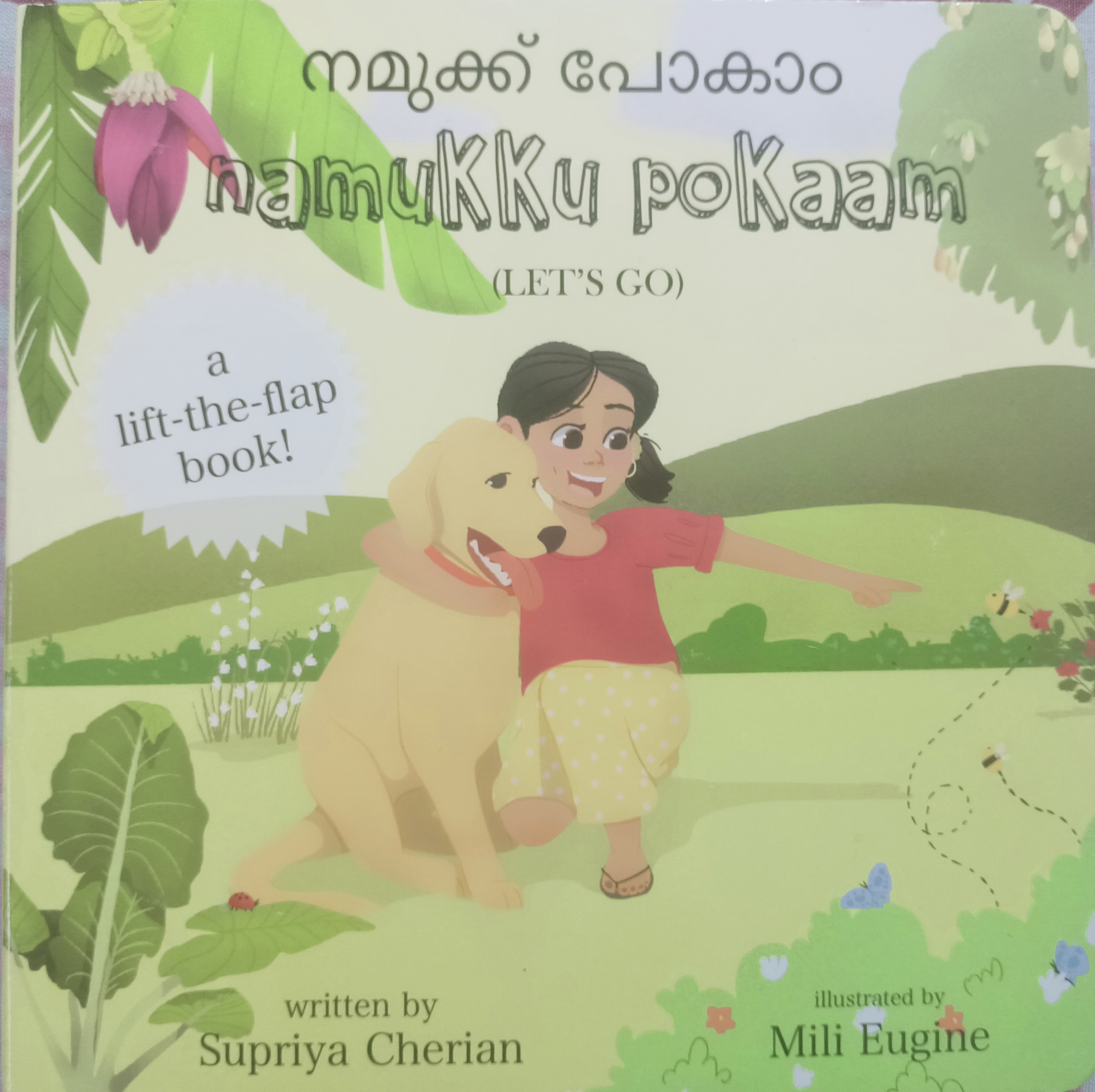
Namukku Pokaam! Let’s Go!

Long time, huh? I’ve been MIA on here for four years.

No excuse for it other than life happened, and I found it difficult to sit down to write.

I’ve been working on resurrecting this blog for a while, but couldn’t find the β€œright thing” to post about. All the Google results for β€œrestarting my defunct blog” said to make a big comeback post! Tell everyone what you’ve been up to! I’m uncomfortable with rehashing the past two years and, before that, we weren’t even in India for an entire year (Cleveland is a lovely place to live, by the way).

Instead, I’ll go down a different path – a language path, more precisely. For the past two years, my daughter, like many, was stuck in online classes. Getting her to do schoolwork was like pulling teeth. Especially for her least favorite subject – Malayalam. I’m not going to lie, it was my least favorite too. The texts used in Central Board of Secondary Education (CBSE) schools here are like trudging through waist-high mud. Walls of Malayalam text, preachy stories, and absolutely zero translations for those of us who are not native speakers. Evelyn suffered through, writing page after page of words she didn’t understand. By the end of her first and second grades, Malayalam had us burnt out. I had no idea how to make it fun or interesting when her school text was trying its best to be neither of those things.

Enter BhashaKids – a small business that curates and creates bilingual learning products in South Asian languages, including Malayalam, Tamil, and Hindi. BhashaKids is run by Anitha, a US-born Malayalee, who didn’t want her children to lose out on learning their heritage language like she did. She runs a super engaging Instagram page, promotes new authors who write bilingual books, and coaches families and language schools on bilingualism. Her goal is to make learning Malayalam FUN. This was how I learned about the book β€œNamukku Pokaam,” a Malayalam/English book. Desperate to show my daughter learning a new language can be fun and painless, I ordered it right away.

β€œNamukku Pokaam,” written by Supriya Cherian and illustrated by Mili Eugine, tells us a charming story of Rosy, a young girl, and Rocky, her dog, as they journey through some common backdrops of Kerala. Together, they explore everything from mango trees to oru vazhathoppu (a banana farm). Rosy, her hair adorned with mullappu (jasmine flowers) and in her cheripukkal (slippers), runs with Rocky through a hill station, and then they chase poombatta (butterflies) through a field. Finally, ending their day with a ball game and feeling the breeze on the oonjaal (swing), Rosy and Rocky go to bed and sleep under the starry sky.

I love the story. It’s simple and innocent, and the illustrations remind me of the stories my husband narrates about his childhood visits to Kerala. Spending all day outside, in nature, with animals, and then collapsing into bed at night, exhausted from the day’s activities.

My daughter loved the book because she could relate it to it far more than any other Malayalam story she has read. Rosy looks about the same age as my daughter, and she has a dog just like we do. This did exactly what I hoped for her – she wants to read it, and she wants to learn the words and phrases.

The book’s focus is on teaching some basic Malayalam vocabulary and phrases to beginners, and it does a great job of that. Short, complete sentences are at the top of each page, showing the reader the fundamental building blocks of Malayalam sentences – β€œLet’s go to the pond” is β€œNamukku pokaam kulakkarayil.”

I love that Cherian wrote everything in this book in proper Malayalam script, Manglish (Malayalam using the English alphabet), and English. I think it’s vital to have Malayalam script because it helps not only with learning the Malayalam alphabet, but it assists in proper pronunciation of words. Believe me when I say, if you only learn to read or speak the Manglish words, you’re probably not pronouncing them correctly. Malayalam and English are worlds apart in some ways, and it’s why so many of us English-only speakers royally decimate pronunciation…and vice versa, let’s be honest.

Cherian wrote a delightful and educational book, and I recommend it to everyone who wishes to start their Malayalam journey. Yes, even if you’re a grown-up! It’s a great way to start learning how to create simple sentences in Malayalam and to add some words to your vocabulary. If you wish to buy a copy, visit BhashaKids or Gaps & Letters.

If you’re interested in finding out more about bilingual merchandise in Malayalam, Tamil, or Hindi, do visit BhashaKids and see all the fun products available.

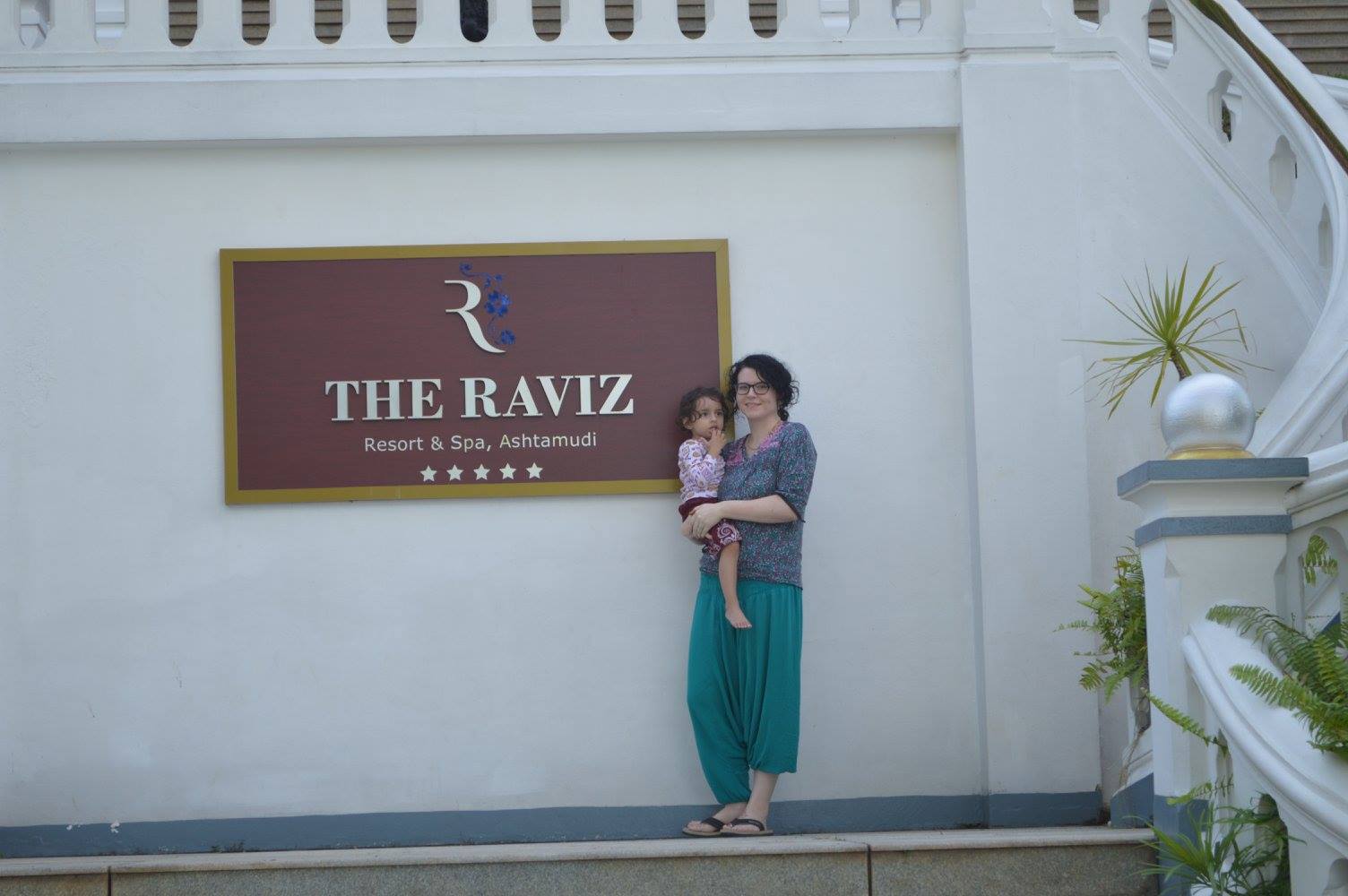
Feeling At Home At The Raviz

When I tell people I have lived in India since 2012, I get one of two reactions – the first type: “Oh wow! That’s such a once in a lifetime experience!” and the other – “Yiiiiiiikes. Better you than me!” Yes, yes, it is better that it’s me because I get to go fun places like this:

14542519_10100167040467084_4811483625435784384_o
The resort.
26804691_10100386509599184_4098492539380046948_n

14566476_10100167038091844_584413944407786107_o
Reception

In October 2016, before Evelyn and I left for our long visit to Pennsylvania, I convinced Zac that we should take a short family getaway. Just the three of us, minimal distractions.

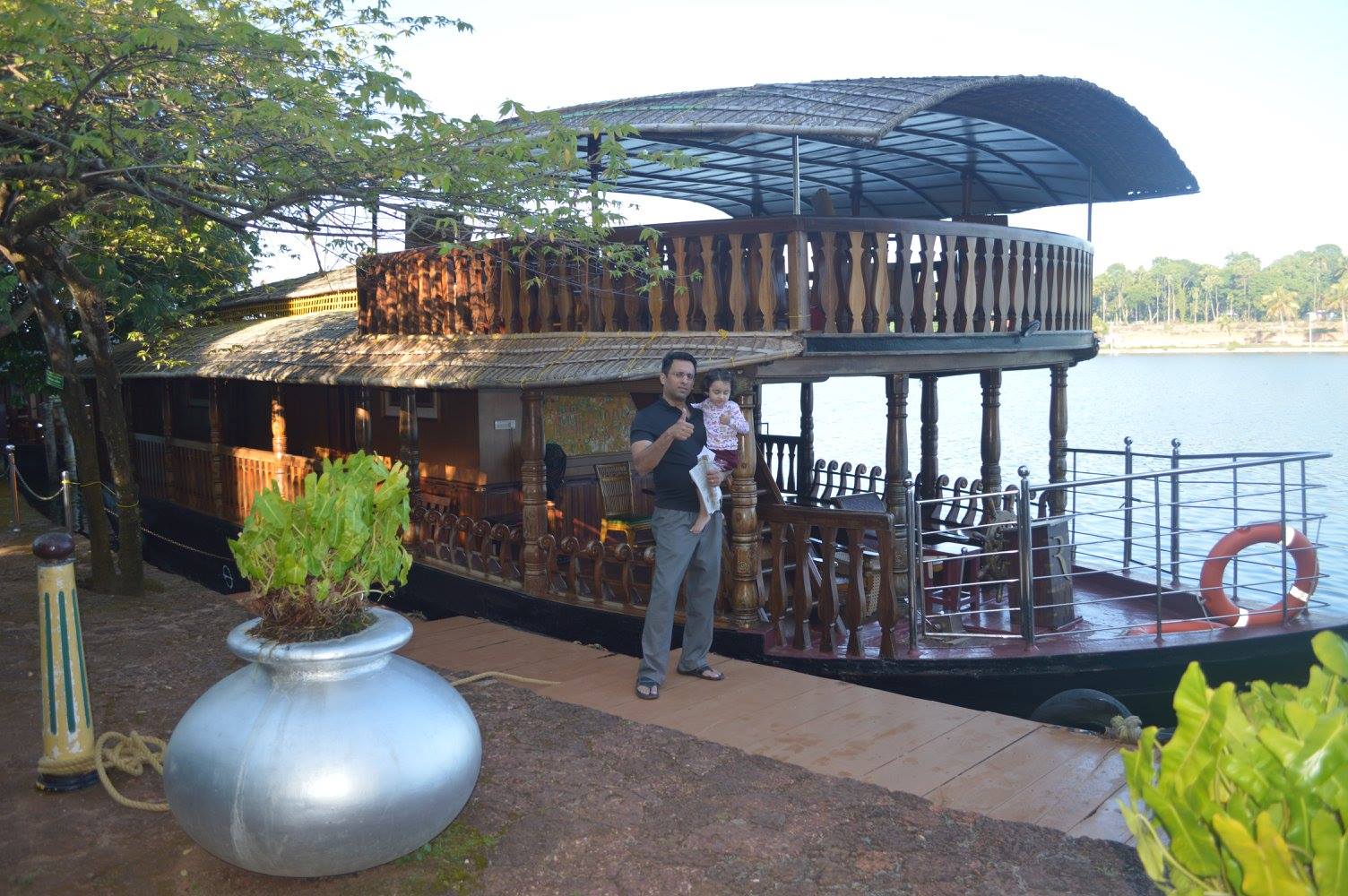
We didn’t want to go far because traveling by car here is not easy. So after searching within a 100 km radius (side note – five years in, I am still not used to the metric system), we settled on Ashtamudi Lake in Kollam. More importantly, I had found an excellent deal with The Raviz, a five-star resort on the lake itself. We went, got a free room upgrade, and took an awesome morning houseboat ride. Also, I used the amazing jacuzzi tub in our bathroom. I mean, look at this place –

14615591_10100167037557914_3649668580780148467_o

14468542_10100167037498034_6171214926985705198_o
The view from our room.

Fast forward to August 2017, I noticed the Raviz, on their Facebook page, offering a new membership card. Since we loved our initial stay so much, I sent the page to my husband, suggesting we join.

We decided on the black membership. It gave us vouchers that included free massages, a complimentary night stay, and a free upgrade to a suite.

The vouchers aren’t the only perks – showing up with the card itself is worth something. A member gets a flat 20 percent off rooms and up to 50 percent off food and 15 percent off adult beverages.

For Evelyn’s fourth birthday and our sixth wedding anniversary, we decided to use our Priviliz membership and booked a room for two nights at the Ashtamudi resort.

As before, they rolled out the red carpet with welcome drinks and tikka. We had previously called to use two of our vouchers – a free 1 kg birthday cake and a free bottle of wine – and they had it all set up for us.

We also used our voucher to upgrade to their Royal Suite. Hands down, the most gorgeous and spacious room I have ever stayed in.

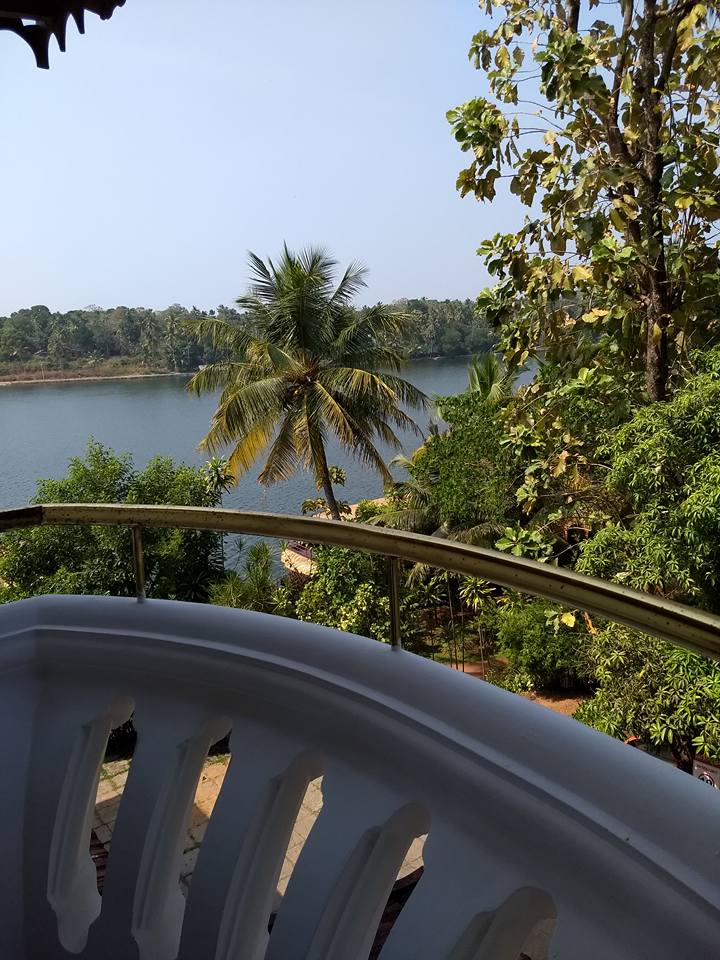
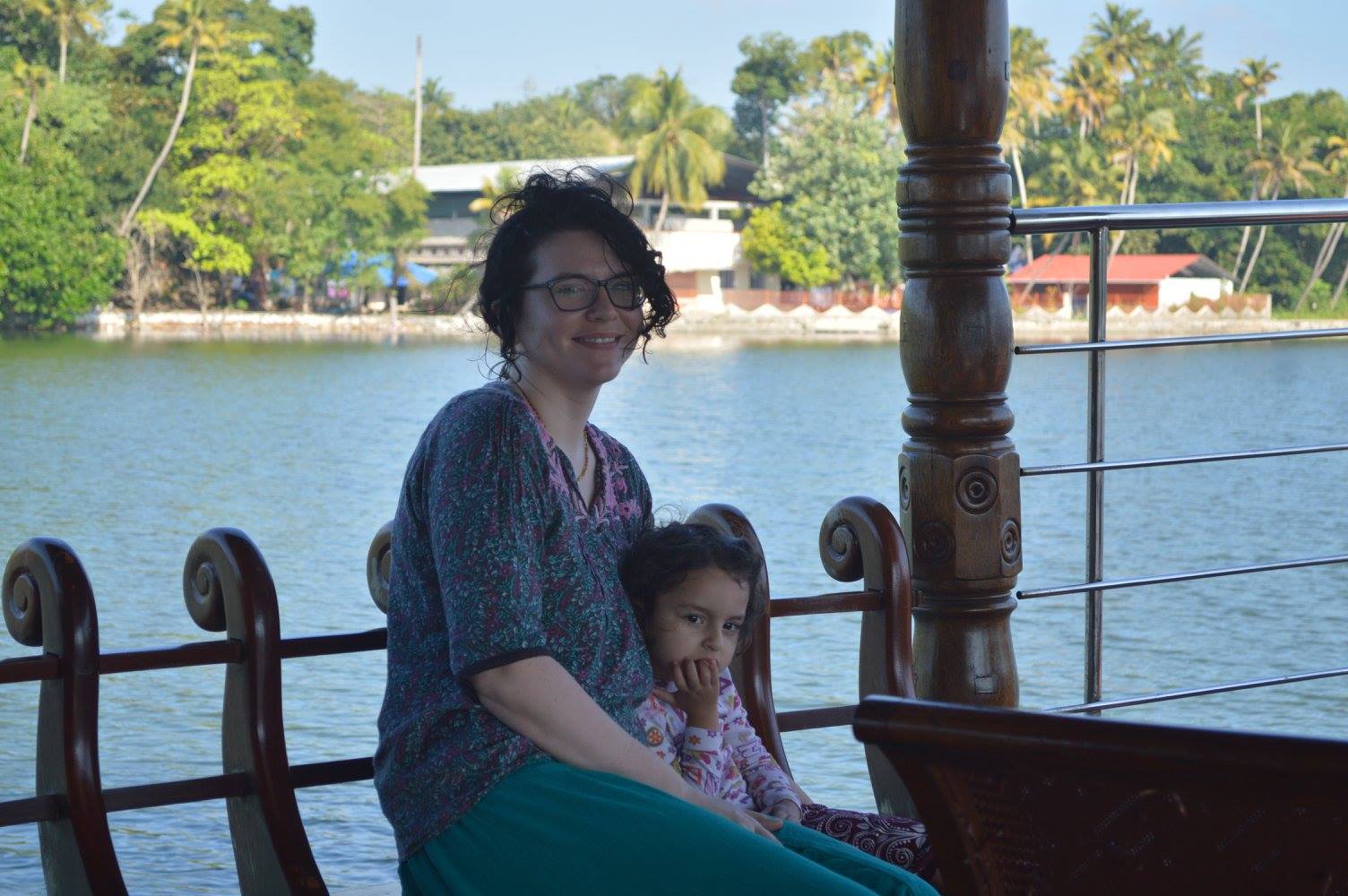
The large windows overlook the lake. I’ve been watching the houseboats float by, rippling the lake water, with coconut trees looming in the background.

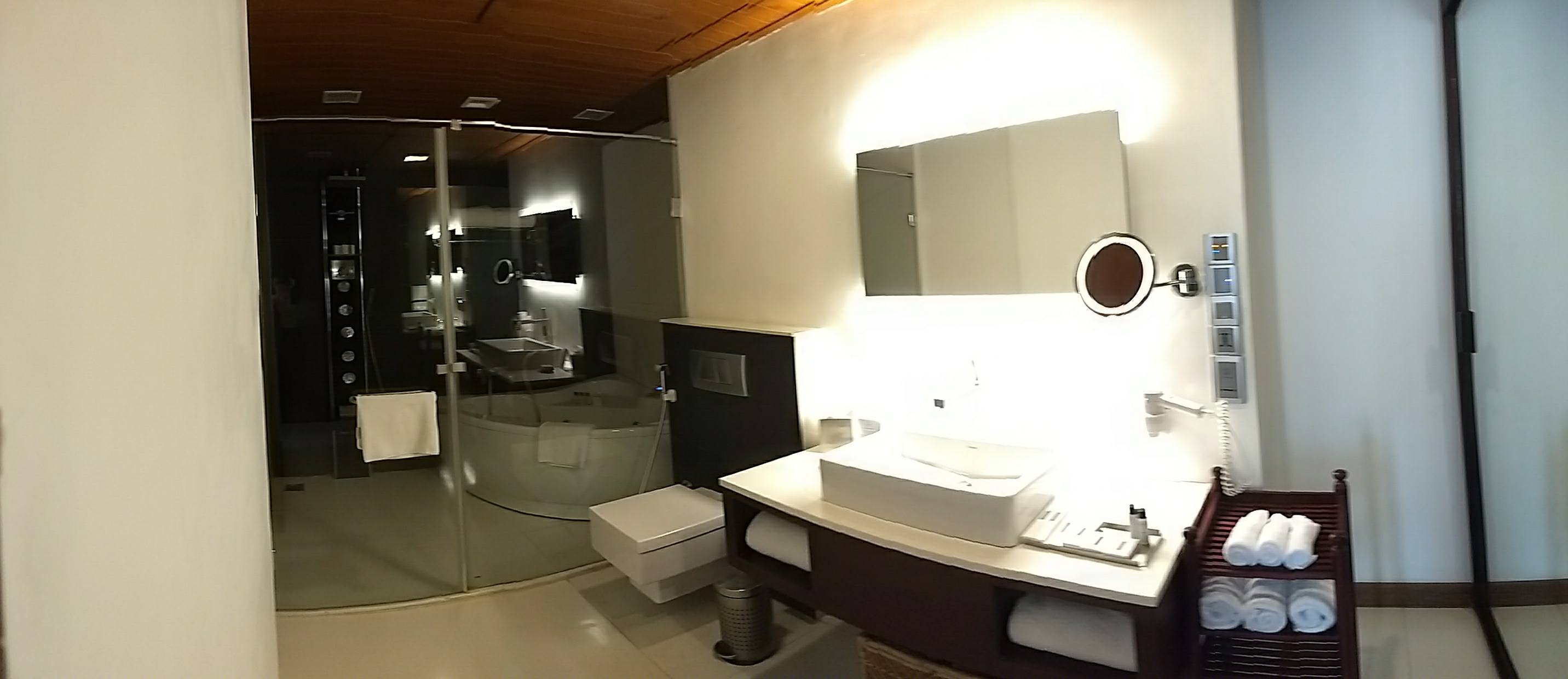
Our suite has a huge sitting room, a dining area, a big bedroom, and one and a half bathrooms.

26756702_10100386509294794_8575491677840474112_n
Our bedroom
26841321_10100386509194994_3272088970095230976_n
The dining area and sitting area
26910091_10100386508970444_5865551473672192000_n
The master bath
26904460_10100386509484414_4113512681154750826_n
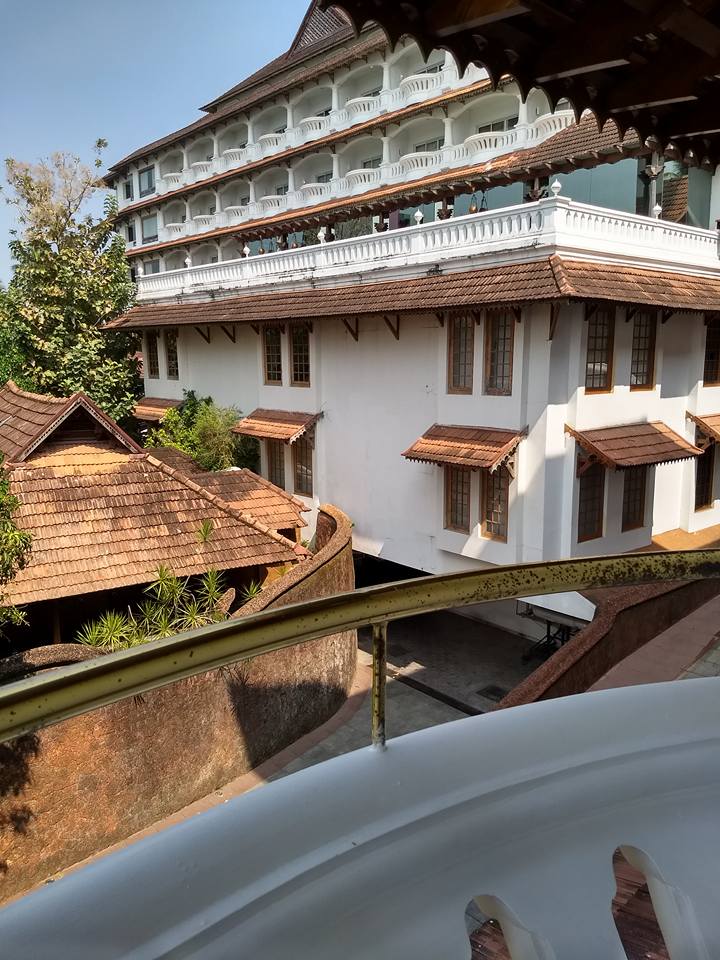
View of the rest of the resort from our balcony
26734427_10100386509519344_337618042997424200_n
View of the lake from our balcony
14566422_10100167038106814_5546147199133277115_o
Ready for our morning houseboat ride!
14567414_10100167039334354_8906430874016815697_o
More views from the houseboat ride.
14567561_10100167039678664_2040300808549182243_o
More views from the houseboat ride.

And the staff here at the resort are accommodating and caring, and they made us feel welcomed both times we’ve visited. They gave us the upgrade to the suite with no questions asked or stalling.

The servers and managers in Keraleeyam, the resort’s main restaurant, occupied and cared for Evelyn while Zac and I shoveled in the yummy Kerala-style, North Indian, and international cuisine. For Evelyn’s birthday, they brought out the cake with enough pomp to please a four year old and gave her a small gift.


Zac and I decided to get some Ayurvedic treatments done during our stay. We both chose the Tanusree treatment, which lasts about two hours. It involves a traditional Ayurvedic head massage, body massage, green gram scrub, red sandalwood body pack, and steam. Because it involves so much, the brochure said the spa required 12 hours notice. But when we asked about that, they assured it was no problem, and got me in for the first treatment right away.

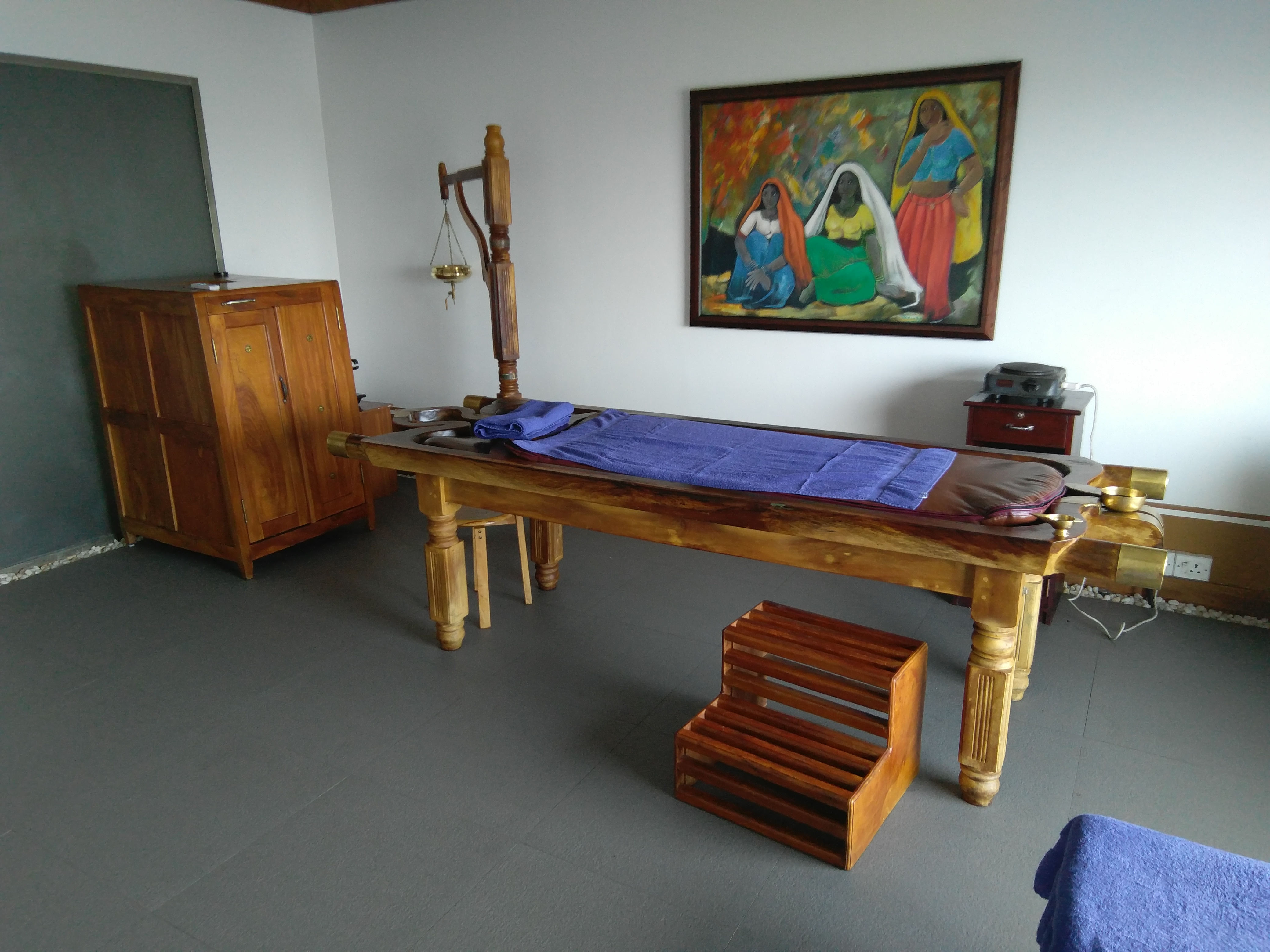
IMG_20180119_115532
My spa room….with a spectacular view that I forgot to take a photo of.
IMG_20180119_115544
The massage table

And, man oh man, my experience was fantastic. If you’ve never had an Ayurvedic experience before, they can be awkward. You’re vulnerable in many ways. Your therapist sometimes speaks only basic English, so you’re both too shy to for conversation. Well – that awkwardness was shattered this time around. My therapist made me belly-laugh and handed out compliments left and right, with my favorite being the following:

Therapist – “Madam is how old?”
Me – “I’m 33.”
Therapist – *gasps like I’ve offended her* “MADAM. I thought you were 26!”

I was like, can I call you up any time I need some flattery, please? But I came out of that room feeling like I had all my muscles and nerves unwound from tight coils. My skin felt baby soft (thanks to the green gram and sandalwood). Raviz’s Favourite Kerala Spa is highly, highly recommended.

IMG_20180119_174049
View of the resort from our pedal boat
IMG_20180119_173724
A houseboat in the distance on the lake

The Raviz treats all their guests well. They give freebies to everyone. You get a 30-minute houseboat ride across the lake, free evening tea and snacks, and a free cultural program before dinner. Both times we were there, a Bharatanatyam dancer performed in the reception area. So worth every cent we pay. I’m already looking forward to our visit next time!

14542315_10100167040546924_9042354680536067997_o

How I Miss You Already

My grandfather kept his favorite photo of my grandmother on display for everyone to see. It’s an average photo – she’s middle-aged, large tortoise shell glasses perched on her nose, her dark hair cropped short but still voluminous, as was the style in the 1970s, but it’s her smile – brilliant and shining- that makes it understandable why he keeps it out. Her eyes still showed the spitfire, stubbornness, and conviction that quickly faded as the Alzheimer’s eventually destroyed her mind.

“She was a good girl,” he said, smiling sadly. “I miss her every day.”

xxxxxxxxxxxxxx

August 25, 2017 – 11:10 pm – India time

I logged on to Skype with a sinking feeling in my stomach. My dad said it was an emergency, and I already knew, down in the depths of my heart, what he was going to say.

“I don’t know how to tell you this, so I’m just going to come out and say it,” my dad said, his Skype image choppy and blurred, “Gramp is probably dead.”

My throat grew thick and my blood ran cold. “What do you meanΒ  probably?”

“There’s been an accident on Red Rock Mountain. Jack called Deb and told her that Troy heard that the person who died was a Serafini, and Gramp isn’t home right now. His car isn’t there. He told Bobbi Jo he was going to get a hoagie from the shop at the bottom of the mountain.”

My vision went dark. I had just said goodbye to him a little less than two weeks earlier. I had just- I had just-

xxxxxxxxxxxxxxx

“Well, I guess I should get going,” I told Gramp as I herded my daughter towards the back door. “We’re going to Deb’s for a while too.”

“Oh, okay,” Gramp looked mildly disappointed, and it tugged at my heart. “You take care of yourself over there, okay? Tell Zac I said ‘hello.'”

“Sure thing. Love you.” I hugged him tightly and started for the door. He had never followed me before when I left. This time, he did.

“Love you too. Be careful, okay?” I paused at the kitchen door and turned to him one last time. The look on his face, it was almost mournful. “I’ll see ya when you come in May.”

My chest ached for a moment. I studied his face, feeling like it was the last time I would see him. I shook off the feeling – I’m too sentimental any way. “Of course. I love you.” And I walked out the door.

xxxxxxxxxxxxxx

“Brittany, he’s gone,” my brother told me as he leaned down to the computer screen. His voice sounded like it had gone an octave higher – full of suppressed emotion. He crumpled in front of me, sobbing, and I fell apart too – thousands of miles away.

Grief that I didn’t even fully understand enveloped me, soaked into every muscle and nerve. I wrapped my arms around my stomach and wailed. And I grew angry. So angry. “He didn’t deserve that. He was alone!” I cried, as my husband rubbed my back, trying to comfort me. Had he been afraid? Had he been in pain long? We had no answers and would not have any for a while.

After getting off the phone with the coroner, my dad finally sat down in front of the computer again, and I watched, so far away and so unable to do anything, as he cried for his father.

xxxxxxxxx

“I gotta tell you this story about Gramp – it’s my dad’s favorite. He can’t stop laughing every time he tells it,” I said to my husband, as we sat in my parents’ living room. “So, Gramp calls Dad and says he can’t find his sledgehammer, right? He uses it to smash soda cans and whatnot. And this goes on for weeks, maybe months. My dad goes up to the house and goes down to the cellar to get a soda, and there sits the sledgehammer. He goes back upstairs and asks Gramp if has found his sledgehammer yet, and Gramp says, ‘Jeez, no I haven’t. I don’t know where da hell I put that thing. Maybe someone took it.’ My dad says, ‘Well, what are you smashing your soda cans with then?’ Gramp goes, ‘JEEZ-UZ.'”

And we both burst into laughter.

xxxxxxxxxxxx

“Daddy! Daddy! Turn on the light, so I can go up the stairs,” our daughter, Evelyn, had already run to Gramp’s chair lift and was pulling herself onto the seat. “Watch me do dis by myself!”

“Evelyn, shhhhh, Gigi’s sleeping. We have to be a little quieter,” Zac chided, gently.

I smiled and handed off to Zac the sleepover bags I had been bringing every night to Gramp’s house. He was letting us stay in Gram’s old room. It was a little haunting at first, seeing how all of her pictures on the wall had not been moved in decades. The walls were still stained yellow from nicotine.

“I’ll get us some water and then I’ll be up,” I told Zac. I went to the kitchen and switched on the light, noticing a pie container on the counter. Gramp had left a note, written on a napkin, on the container. His spiky handwriting read: “There’s rhubarb pie here and ice cream in the fridge. Help yourselves to whatever you want.”

I popped open the lid of the plastic container, and sure enough, one of Gramp’s delicious rhubarb pies was inside. I cut a piece, a small sliver because I was still mindful of the carbs and sugar. I relished each bite of the flaky and sweet crust and tartness of the rhubarb. When I finished, I looked down at the note again. “Help yourselves to whatever you want.” And wasn’t that just like Gramp? He’d give anything – anything at all for his family. A lump formed in my throat with some unnamed emotion – sadness, happiness, it was a combination of many. I grabbed the pen he had left next to the napkin and wrote: “The pie was delicious. I loved it!” Such a small gesture that I knew would bring him satisfaction – someone else had enjoyed his food. Tears blurred my vision as I washed my pie plate, and then I let them flow freely as I filled up two glasses with water. I briefly wondered how many more pies he would make in his lifetime. And then I cried some more.

I breathed in and out a few times to calm myself, wiped my eyes. I didn’t want to explain to either Zac or Evelyn why I had been sobbing in the kitchen because I didn’t know how to put it into words. Gramp meant so much to me, and I felt like I was noticing it a little too late. I looked at his note one last time, drew in a shaky breath, and switched off the kitchen light.

xxxxxxxxxxx

“Yeah, Cameron and Daniel are both taking a gun of Gramp’s. Noah too, I think. Daniel wants some of Gramp’s garden tools too. Things to show eventually to John what Gramp was all about,” my dad looked at me expectantly. “Is there anything you want?”

“I- I don’t know. Let me think.” I pictured walking through his house in my mind. What did I want that would mean something to me forever? Curtains? Bedsheets? Photos? My mind took me into his kitchen, across the breakfast island scattered with photos of his great-grandchildren and his magazine and newspapers. I turned to the counter by the sink and there was the pie container.

“Does he have recipes? I want his recipes!” I blurted out.

“You mean handwritten? Or cookbooks?”

“Both. All of them. Any of them. I’ll even take copies if someone else wants the originals.” I saw him in my memory pulling into my parents’ driveway, getting out with a huge jar of pickles or a casserole dish of Swiss chard or an apple pie or a loaf of Cressia bread. Tears stung my eyes again. “I just- I want his recipes.”

“Anything else? You want some of his garden tools too?”

“Yeah. And I guess, if there’s any of his guns left, can Zac have one of his guns?”

xxxxxxxxxx

“I shook his hand and told him I’d see him again,” Zac spoke quietly, seriously. “I really thought I’d see him again.”

I paused the spoonful of biryani that was on its way to my mouth. I stared at Zac, across from me atΒ  the dinner table, his shoulders slumped slightly and his gaze was off to the side, maybe at a spot on the wall, maybe somewhere else. I didn’t say anything at first.

“How tragic that your family has lost two people like this.” I swallowed and nodded. It was true. How tragic – for a father and daughter to die in a vehicle accident, 30 years apart.

Zac blinked and shook his head, trying to shake himself out of his trance. “He was extraordinary, you know. Your grandfather. There’s not many people like him left.”

I could feel my face scrunching up and hot tears spilling down my cheeks. Again. I had never heard Zac calling anyone extraordinary, ever. “He was,” my voice was raspy. “He was a man ahead of his time.”

“You don’t have to cry.” Zac looked troubled. “And what do you mean he was ahead of his time?”

“It’s like Deb wrote in his obituary. He had the soft heart of an Italian mother. He cooked, he cleaned, he baked, he sewed, he babysat, he gardened. Not even many men today would do those things. And he did it all while still doing masculine things too.”

“Yes.” Zac agreed firmly. “Yes, that’s true.”

xxxxxxxxx

Slowly, the facts about the accident started trickling in. He hit the back of a water tank truck. He was either already dead or unconscious when he hit it. His body was fairly in tact, except for a broken nose and bruised eyes. The fire department had to cut him out the car. He hit the truck so hard he moved it down the road 450 feet. My family’s and my fears, about him being afraid and alone in his last moments, were disproven. He was not alone – the two witnesses in the cars behind my grandfather stayed with him, stayed with his body. The one witness, a veteran himself, saluted my grandfather, an Army vet, as his body was loaded into the coroner’s vehicle.

What did not happen slowly was the outpouring of love and kindness from the community. Flags were lowered to half-staff in his honor. Phone calls, messages, emails, and food descended upon my family so quickly that they didn’t know how to handle it, except to feel grateful. Memories were shared with us – neighbors reminiscing about my grandparents’ home feeling like it their home. Men and women alike describing my grandfather in words I’d never heard before – “charming,” “so kind,” “happiest, friendliest, most uplifting guy I’ve ever known.”

As I read one post from an ambulance association, I was gobsmacked.

“I had no idea Gramp was an ambulance driver,” I said to Zac. “I feel so awful and guilty. I should have told him how great he was, how I couldn’t have had a better grandfather.”

“People like him don’t need to know those things. They’re content just doing things for people regardless,” Zac smiled a little. It eased my guilt some.

“Still, though, I wish he could have known…”

xxxxxxxxx

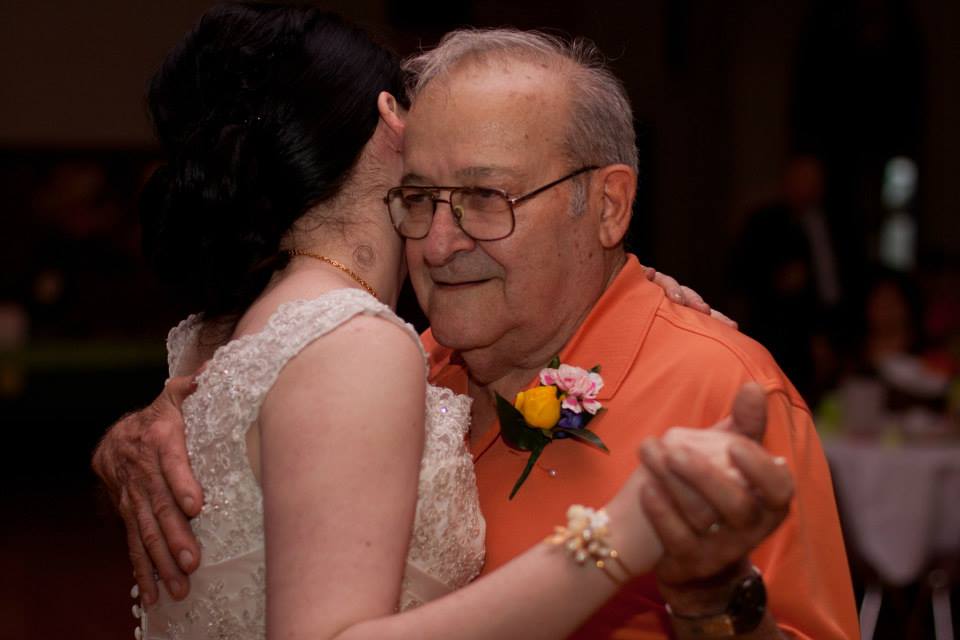
“Would the bride and her grandfather please come to the dance floor?” The DJ’s voice echoed all around St. Basil’s reception hall.

My gown swished across the dance floor as I took Gramp’s hand. “Heya, doll. You look beautiful,” he smiled and started moving to Luciano Pavarotti’s “Let It Rain.” His moves belied his age. He swung me around the dance floor like neither my husband nor father did.

The song ended far too soon, and I embraced him once more, whispering, “Love you, Gramp.”
xxxxxxxxxxxxx

It’s been three weeks since my grandfather died in a car accident, and still, many times when I close my eyes, his last moments flash behind my eyelids, even though I wasn’t there to witness them. I hide my grief better now than the first week he was gone – I don’t openly cry much anymore, but the tears threaten to overflow multiple times a day. I feel like there’s a gaping wound in my chest, but I can’t stanch it, no matter how hard I try – no matter how many Bible verses I read or how much I pray. It hurts.

Yesterday, after dinner, I aimlessly scrolled through my newsfeed, my brain grateful for the break. I jumped in shock when Deb’s profile photo (of Gramp) popped on my screen. She was video calling me.

I answered and, without speaking a word to me, she had her camera turned to my grandparents’ living room and dining room – empty. She turned the camera to her face finally and said, “Well, what do you think of that?”

“Show me again,” I replied. She got up and scanned the camera across the living room, where the kerosene heater always was; into the dining room where, I felt if I blinked fast enough, I could still see him relaxed in his recliner, watching a baseball game. She took me in the kitchen – the breakfast island no long scattered with photos, newspapers, and magazines; no pie containers, coffee pot or cutting board on the counter; the refrigerator, opened up and cleaned out. Up the stairs, she carried the phone, showing me the bathroom – the medicine cabinet that was always left half open, showing off his shaving cream and razor, emptied and shut tight. My grandmother’s room – the nicotine-stained walls repainted a brilliant white. And finally, the room he slept in last – empty and cleared out.

“Sad, isn’t it? My whole life has been here,” Deb finally said when she got back downstairs. “But what can you do?”

“It’s okay to feel sad about it,” I replied. “I heard you have to put the house on sale soon.” My grandparents’ house had a reverse mortgage on it.

“Yeah, we have 90 days to get it on the market. And then we can apply for an extension for another 90 days, so we have about a year to sell it. But everything of Gramp’s is gone already pretty much. All that’s left is this-” she showed me a wooden chest next to the sofa she was sitting on- “and this-” she showed me a box underneath the chest. “The bedsheets he slept in last are in that box. We haven’t washed them.”

“Do they still smell like him?” God, I felt a little morbid asking that.

“I don’t know, but I have his sweat rag that he slept with, and that doesn’t smell like anything now.” I felt a little less morbid after hearing that.

She wasn’t done though. “When I opened the door today and walked in the house, it still smelled like him in here. The house still smells like him.”
xxxxxxxxxxx

I sat in the white wicker chair in my grandparents’ bedroom, shifting uncomfortably. It smelled old, stale, and sickness permeated the air. A part of me didn’t want to be there. A part of me hated seeing my grandmother so withered. She sat on the bed, her legs looking atrophied beyond recognition. Her eyes would glaze over at times, but mostly she smiled and laughed at Gramp, delighting in his jokes, delighting in him. Most of our conversation that day, I don’t remember, but I remember seeing the adoration between those two – like teenagers finding a first love.

“Arno, I want some ice cream,” Gram ordered, a little tinge of her tenacity peeking through the haze of Alzheimer’s.

“Sure, Di. You want it like a sundae?”

“Yeah….yeah.”

He got up and went downstairs immediately.

“How’s college?” Gram asked me.

I looked at her. It was September 2013, I had been married for 1.5 years, lived in India and was five months pregnant…..and I had graduated in 2008.

“College is fine,” I forced a smile, trying to ignore my heartbreak.

“And Cameron’s doing okay in school?”

My brother had graduated high school in 2012. “Yeah, he’s doing great.”

None too soon, Gramp returned with her ice cream, and he spoon-fed her each bite. They laughed together when she got whipped cream on her chin. It was so clear that Gramp loved doting on Gram. He loved taking care of her. He loved her. I smiled again, only this time, it wasn’t forced.
xxxxxxxxx

April 8, 2014 – around 5 pm India time

I noticed a missed Skype call from Bobbi Jo. “Why is she calling me now?” I thought. “Isn’t it super early in the morning there?”

I called back, and she answered, her eyes puffy and red. “Gram just died about 20 minutes ago,” she told me, without ceremony.

I knew it was coming, but it still didn’t stop it from hurting. Zac took Evelyn, a mere 3 months old, from my arms, and let me cry, unabated. Gram was a shell when she died – we had mourned her long before she actually passed away, but I cried mostly for Gramp. He would be lost without her.

Much later, years later, Deb told me the most “amazing, heartbreaking-ly sad, and wonderful” thing she had seen the day Gram died was when my grandfather cradled her body and told her, “I’ve loved you my whole life. You’re so pretty. How I miss you already.”

And we miss you both, Gramp.
xxxxxxxxx

“We’re filled with the hope today, and we’re sad, of course, but we’re filled with hope because we know, deep in our souls, that we’ll all be with Arno and Diane again. And I know Jack isn’t here today, but I’d just like to acknowledge him in front of everybody because, as I understand it, we all have this hope because he shared it with us. And the hope is [that] it’s not over for [Arno] and Diane; it’s only the beginning because [Arno] has received his reward in Christ.” – my cousin, Daniel, at our grandfather’s memorial dinner on September 2, 2017.
11392955_934506649744_1395866407219326957_n

Mehndi, Mehndi!!

422217_607087879584_1611614569_n
What started it all.
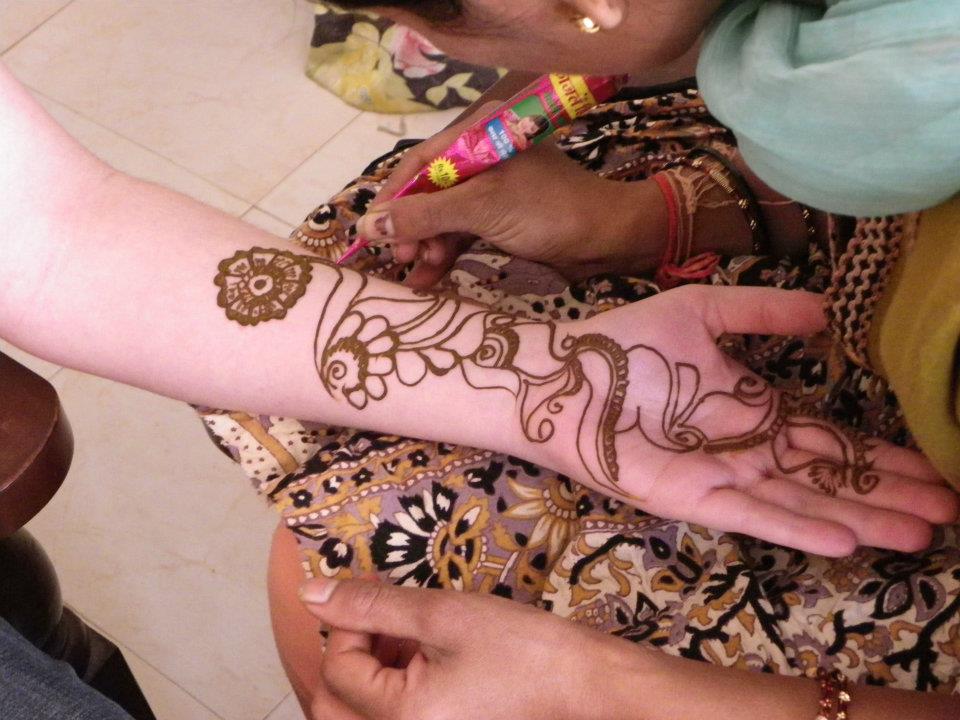
I watched the young woman with her steady hand drawn lines on my inner wrist, moving towards my palm. The dark brown paste chilled my skin, and its earthy scent wafted into my nose.

My fingers wanted to twitch, but her thin hand held my hand in place so she could complete her art. Art for the skin – that’s what mehndi is. I’d never seen anything so intricate.

The flowers and paisleys she left behind dried and crusted. When I scraped the remnants off, the design had dyed my skin a burnt orange, which darkened to a deep auburn.

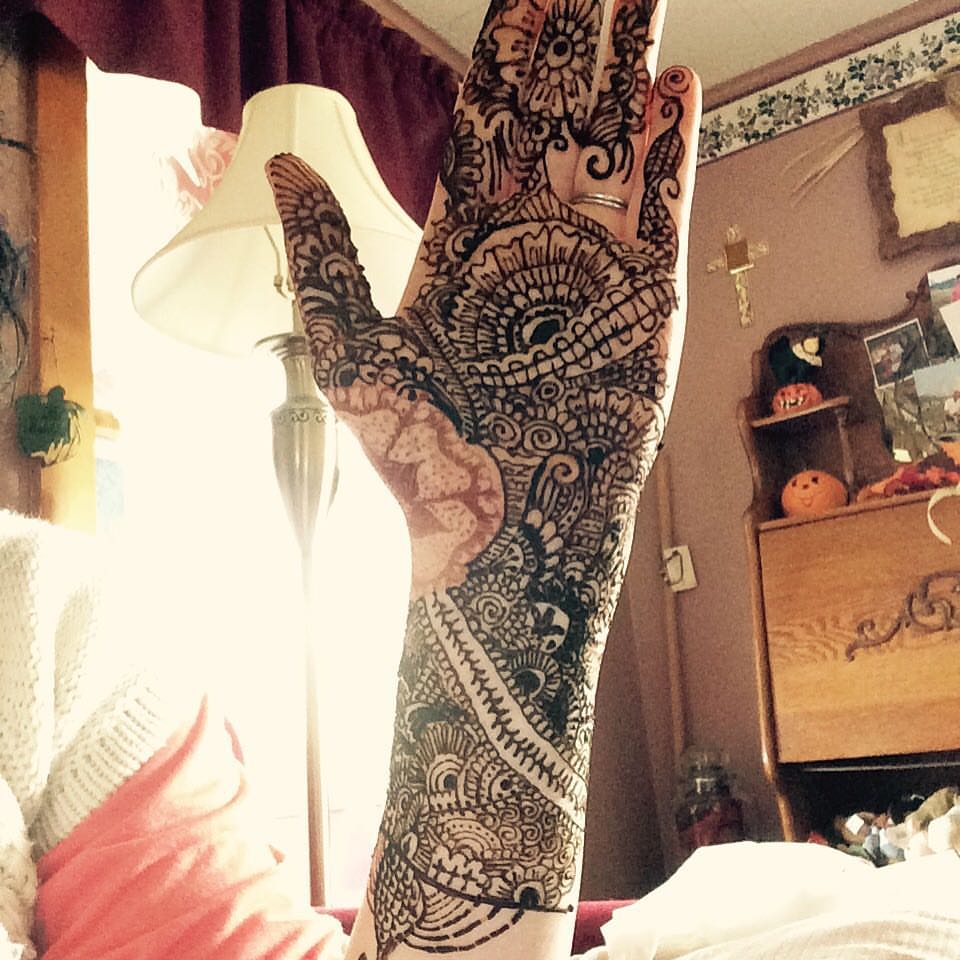
In the days that followed, I caught myself bringing my hand to my nose to capture the remaining scent of the henna paste. I admired the artist’s handiwork – spirals, dots, lines, and loops all making a trail to my fingertips.

I was in love, and I wanted to learn it. That was five years ago.

Like many, I suffer from impostor syndrome, so my doubt held me in check. Was it cultural appropriation for me, a white woman, to learn mehndi? Would I even be good at it?

In India, it’s an art that’s passed through families, where people learn on their own. The street mehndi artists (the best) taught themselves all the techniques. The proper shading, the right pressure to place on the cone for dispensing, and the creativity to create large designs that cover entire arms, hands, and feet.

There was no way I’d learn it, I decided. I snuffed out my desire and moved on with my life.

I moved on until last September, when my husband, daughter, and I were milling around our local grocery store. There, crammed on the bottom shelf of the beauty section, were henna cones.

I kept glancing at them but left empty-handed, still not confident that I could learn it. Instead, I went home and searched how to do it online – is it easy or difficult? Which kind should I use? Which designs are good for beginners?

And I asked the opinions of others if I should even bother with trying (they were all encouraging).

So, the next time we were at our grocery store, I slapped three cones in front of my confused husband and said, “I want to learn.” I braced myself for his laughter because I had zero confidence in my ability. Instead, he said, “Okay,” and paid for our groceries.

My first attempt at mehndi was terrible. I cut the cone down too far, so the paste came out too thick, and I couldn’t draw much with it.

I learned that mehndi isn’t too forgiving – you cannot afford to make many mistakes with it. Still, I felt a thrill run through me that I was actually doing it, and even my husband complimented my shoddy design.

My second attempt improved a bit. I drew a peacock, which has since become my favorite, but I still had no idea how to create a motif that flowed together.

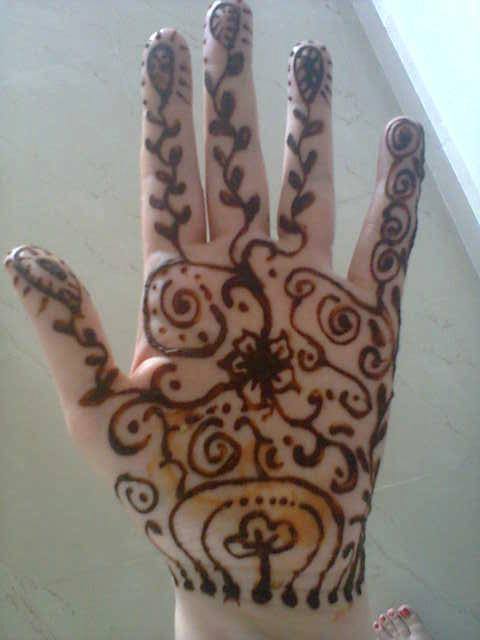
I began scrawling on paper with the paste when I ran out of room on my hands and feet. It soothed me. Squeeze the cone and watch the paste twirl into flowers, peacocks, tikkas, and geometric shapes. The more I did it, the steadier my hand became, and the easier it was to flow shapes one into another.

14409914_10100160737792694_6393383317865594523_o
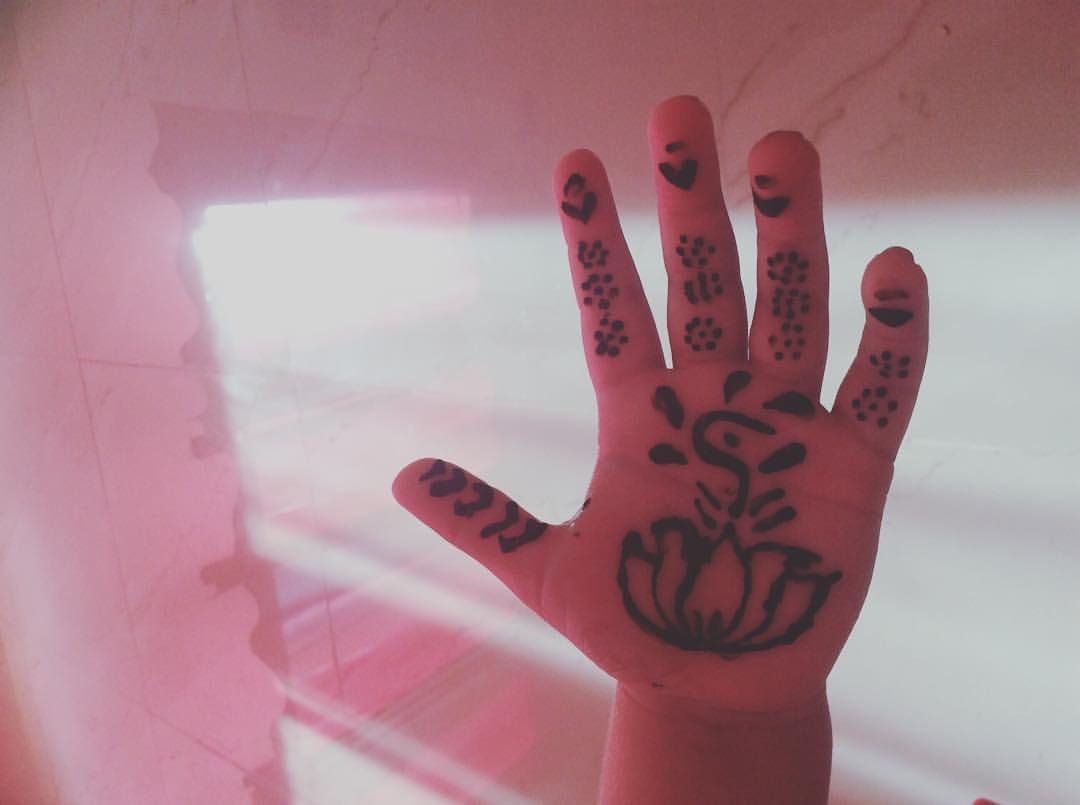
Baby mehndi!
14568191_10100165597753294_2548914229940432121_n
My first tikka design.
14915183_10100176739914314_3678420025893639935_n
I love to do these kinds!
14882320_10100175352285134_6672077399914304653_o
Tikka on the side of my wrist.
14956371_10100177894700114_1412266896920392784_n
A small motif for my mom (with my daughter’s name)!
16825837_10100225795471584_8689448362277617213_o.jpg
One of my more recent, and super quick, designs.

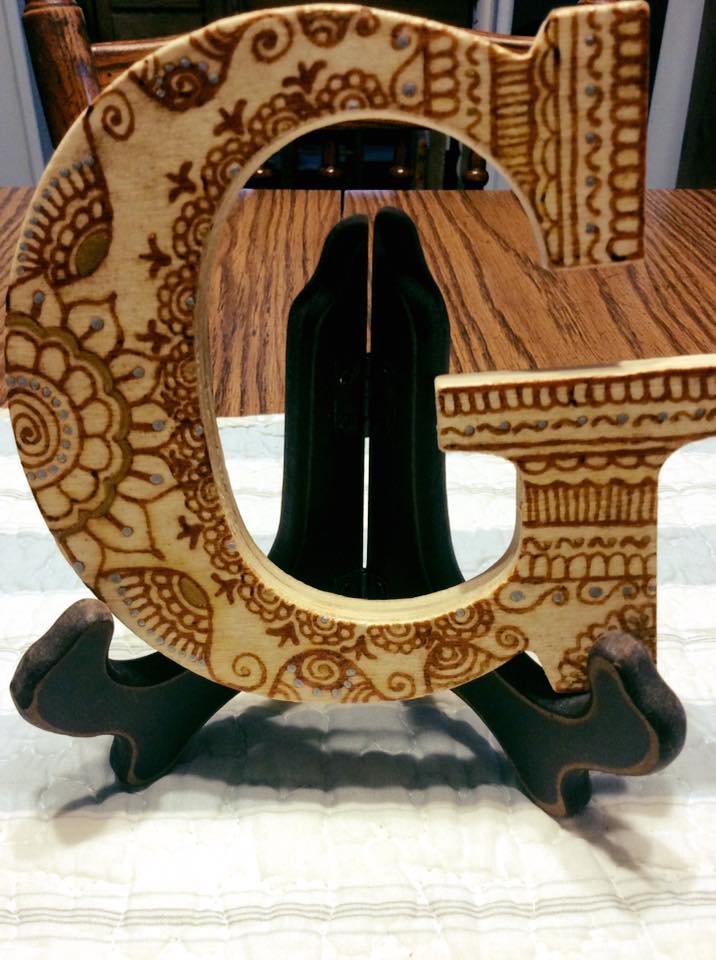
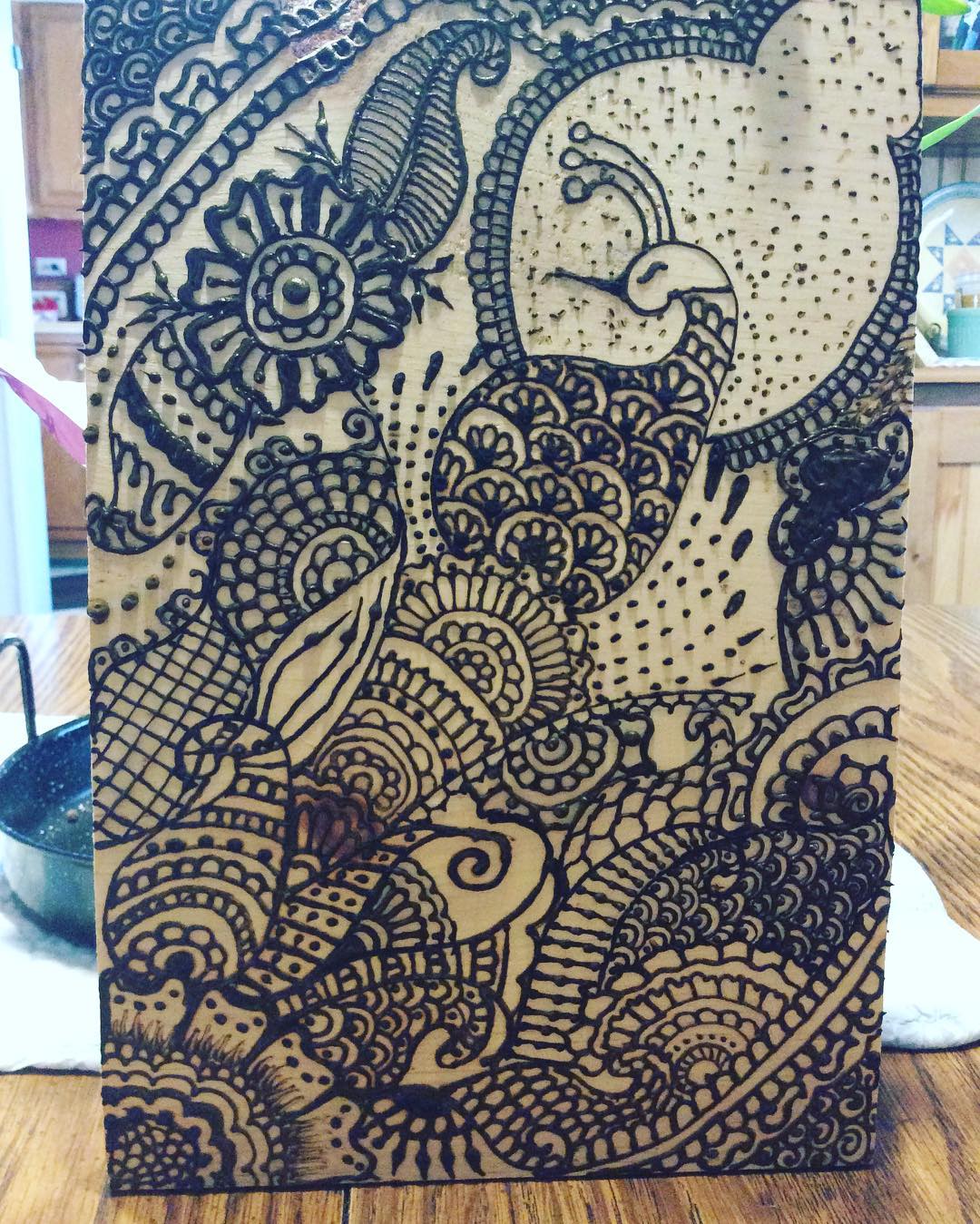
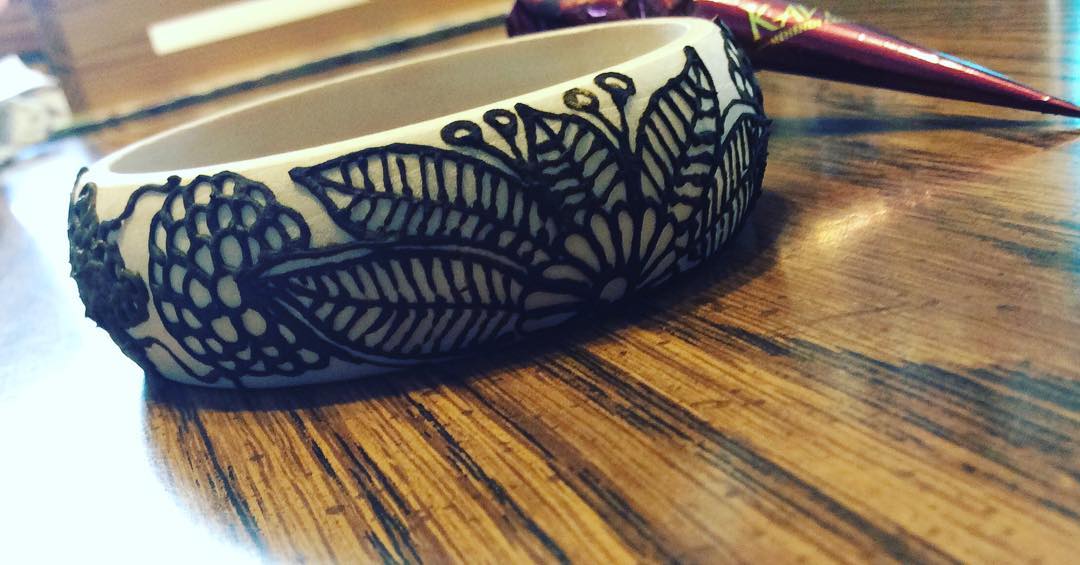
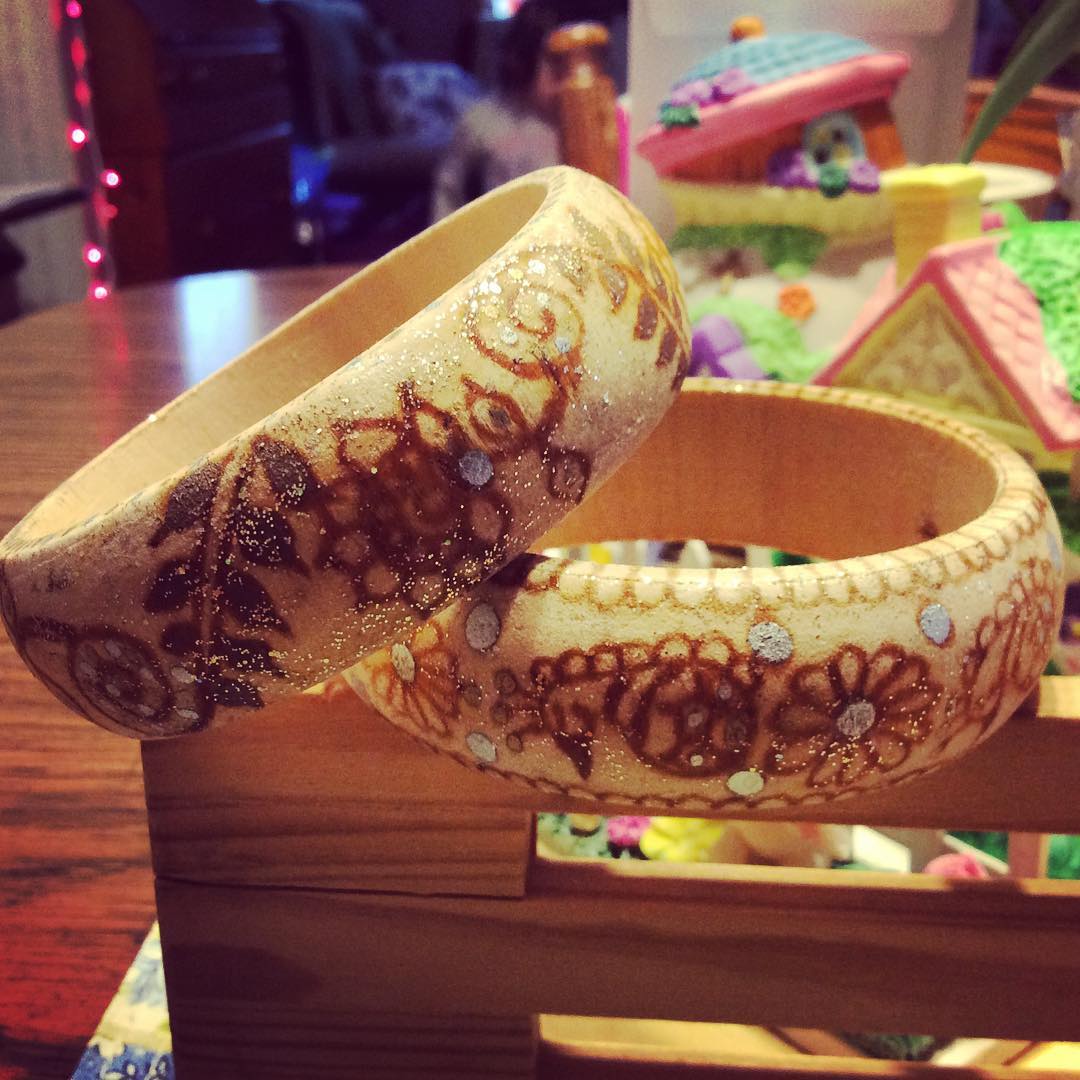
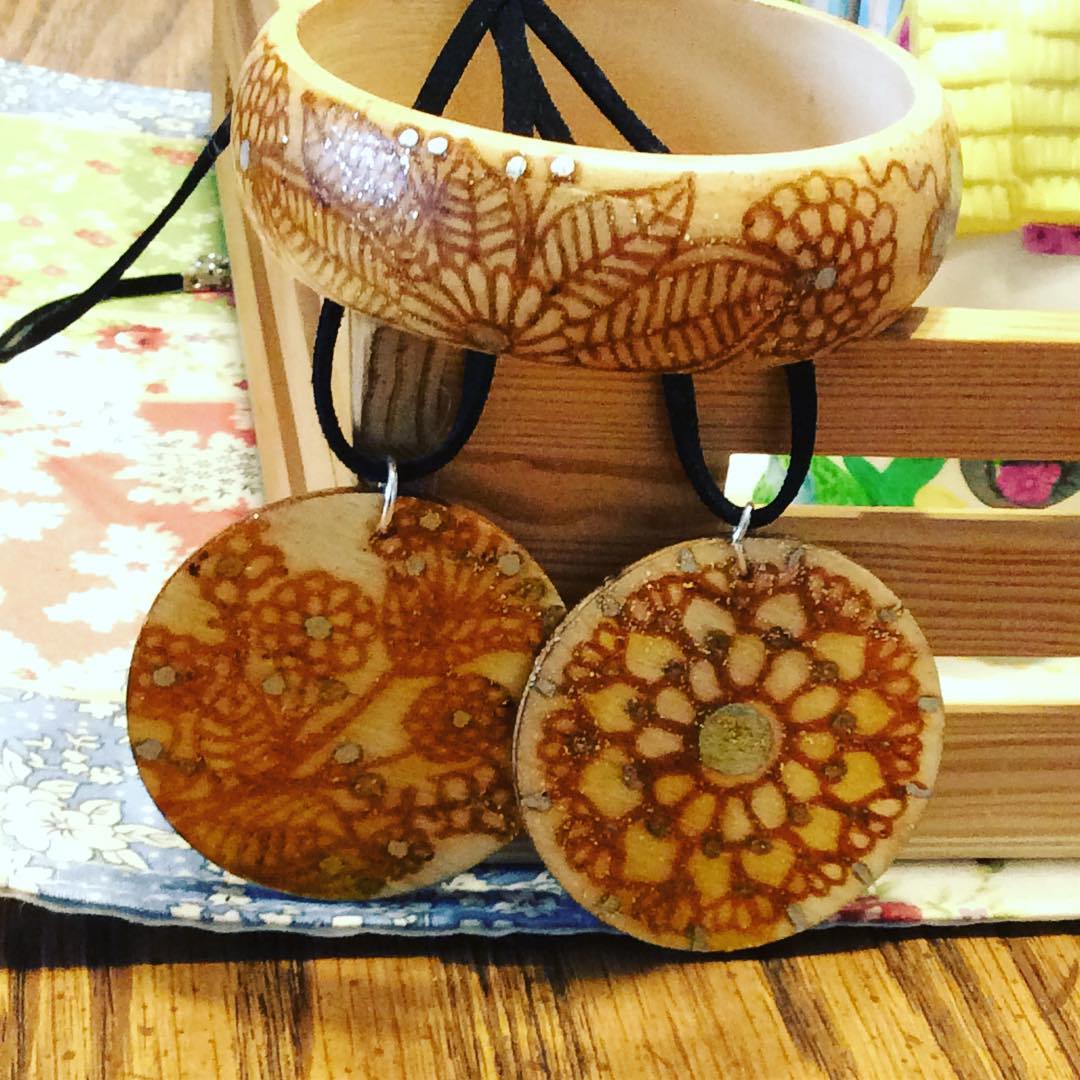
Seven months and fifty henna cones later, I now draw on hands, feet, and shoulders with ease. I create permanent designs on unfinished wood, including letters, bangles, necklace pendants, bird houses, and photo cubes.

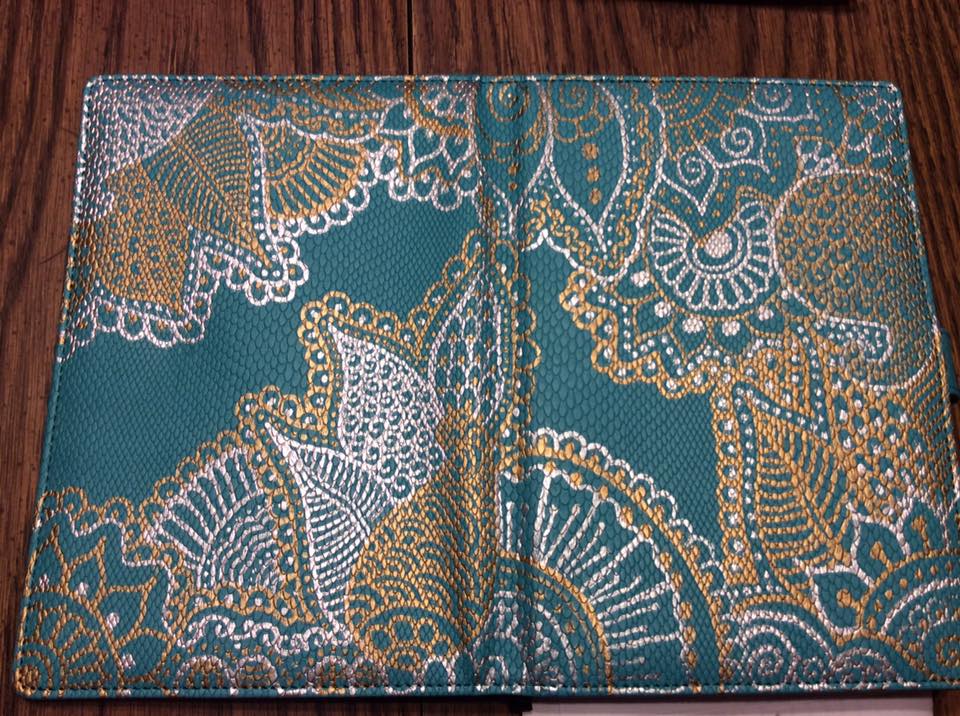
I’ve even started using acrylic paints to make designs on journals and Mason jars.

If I’m already this good after seven months of practice, I cannot wait to see where I am seven more months from now.

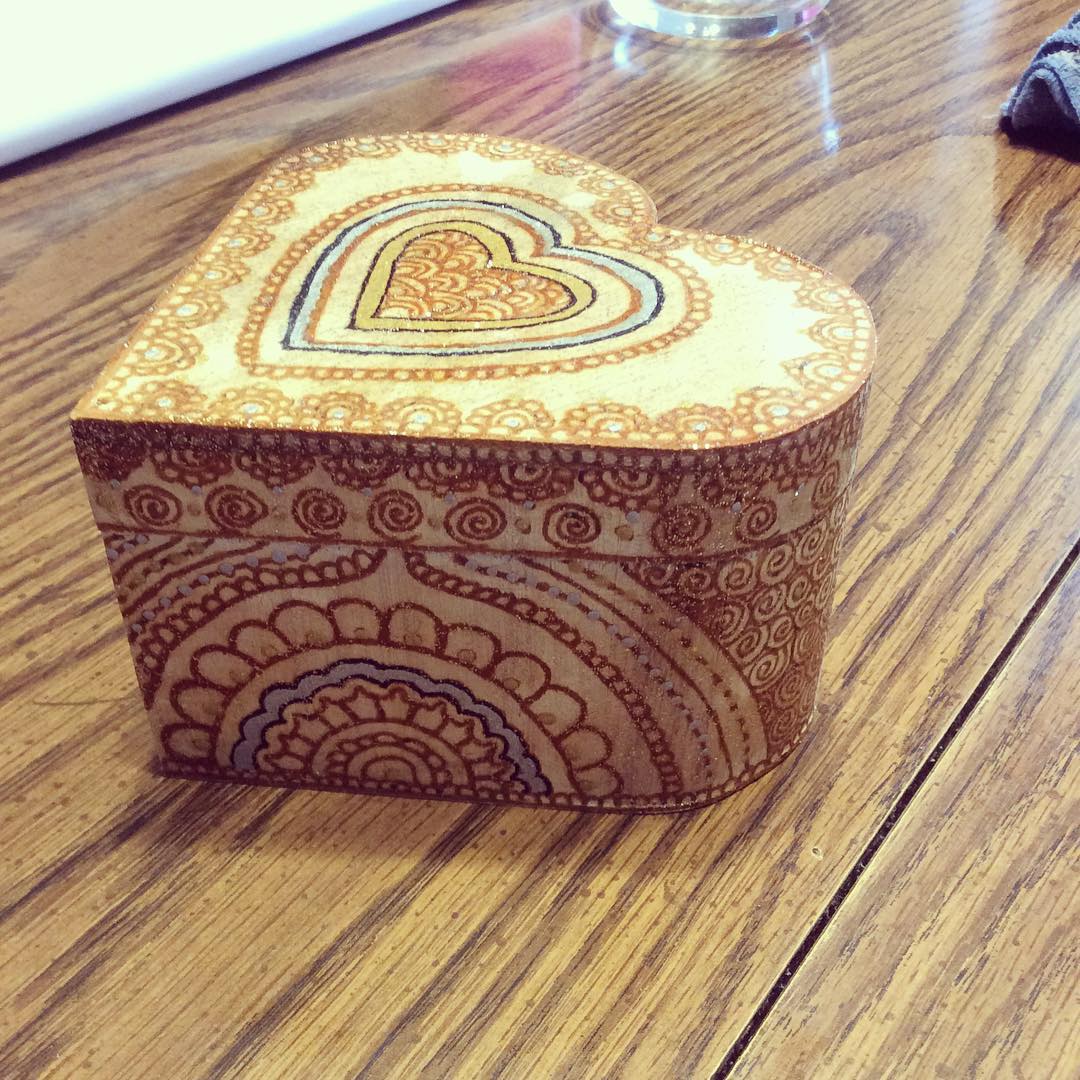
15995118_10100208657326564_8544057455089411986_o
My first jewelry box that has since been claimed by my three year old for storing small toys.
17017213_10100230111098034_439702342954445514_o
Practicing on scrap wood!
17155904_10100235373557024_3926281226315590146_n
Journal design with acrylic paint.

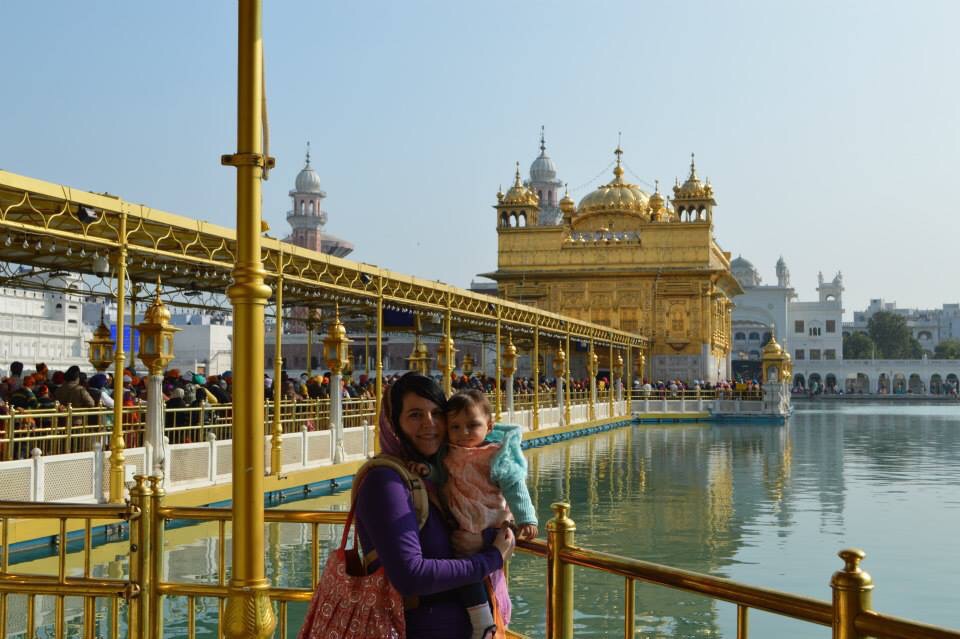
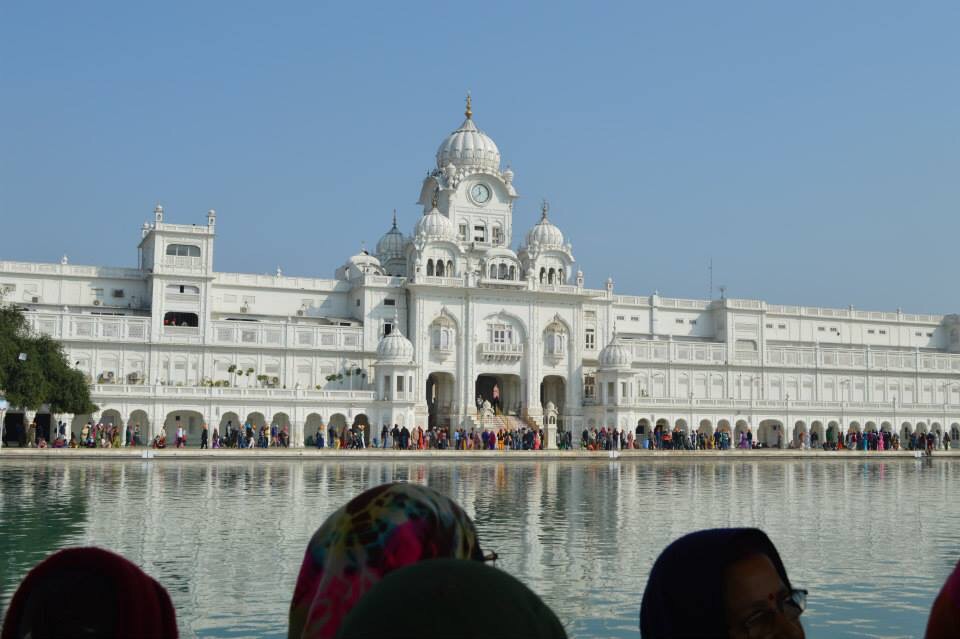
Two Years Ago: Amritsar and The Golden Temple

I am such a slacker when it comes to writing about these major things that I’ve seen in India. I’m still trying to piece together an entry on the Taj Mahal, and that was almost a year ago. So, it’s fitting that on my “On This Day” memories on Facebook, I was inundated with photos of our day spent exploring Amritsar. This is really a trip down memory lane for me.

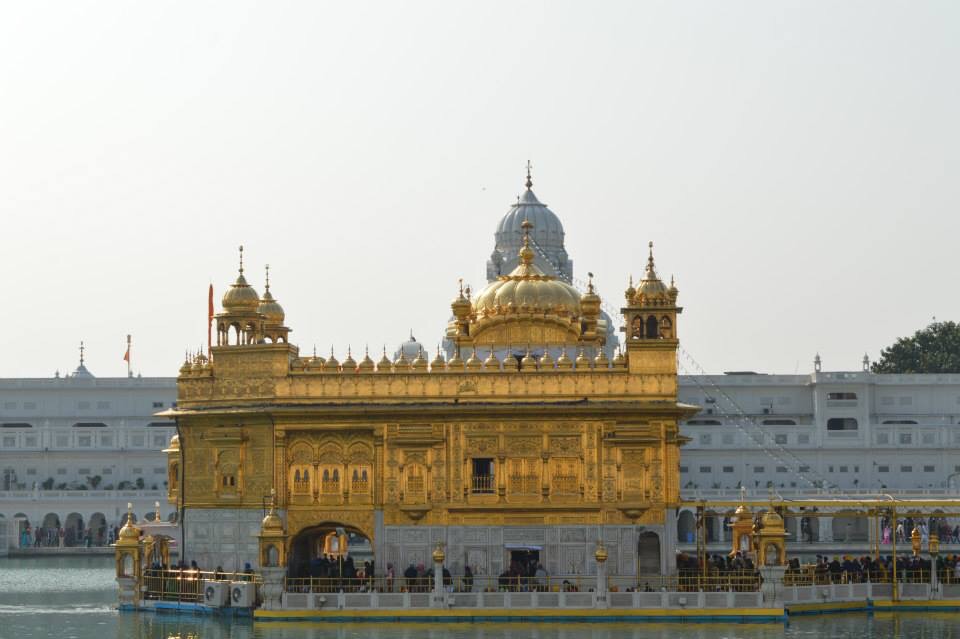
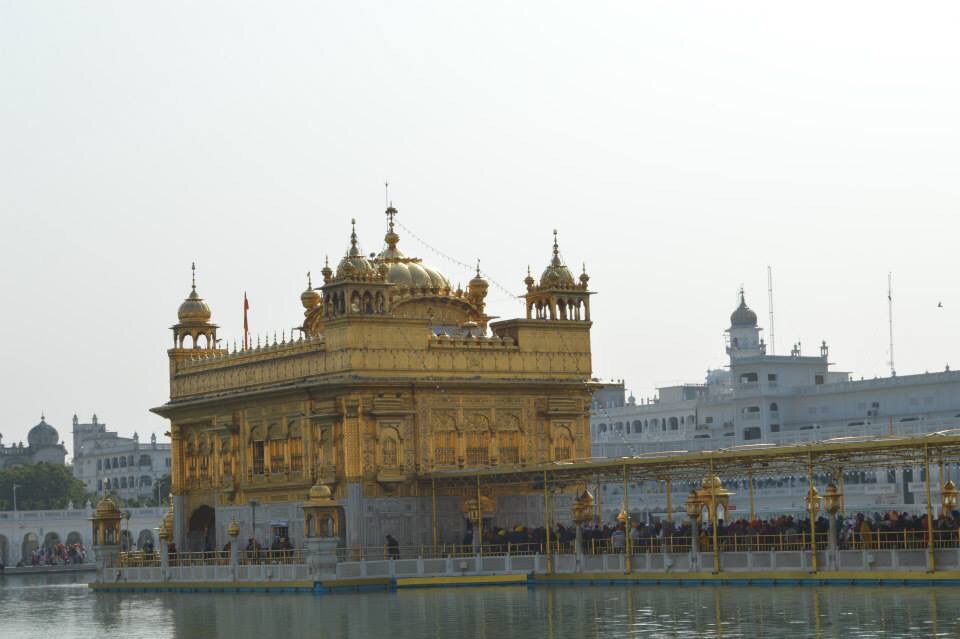
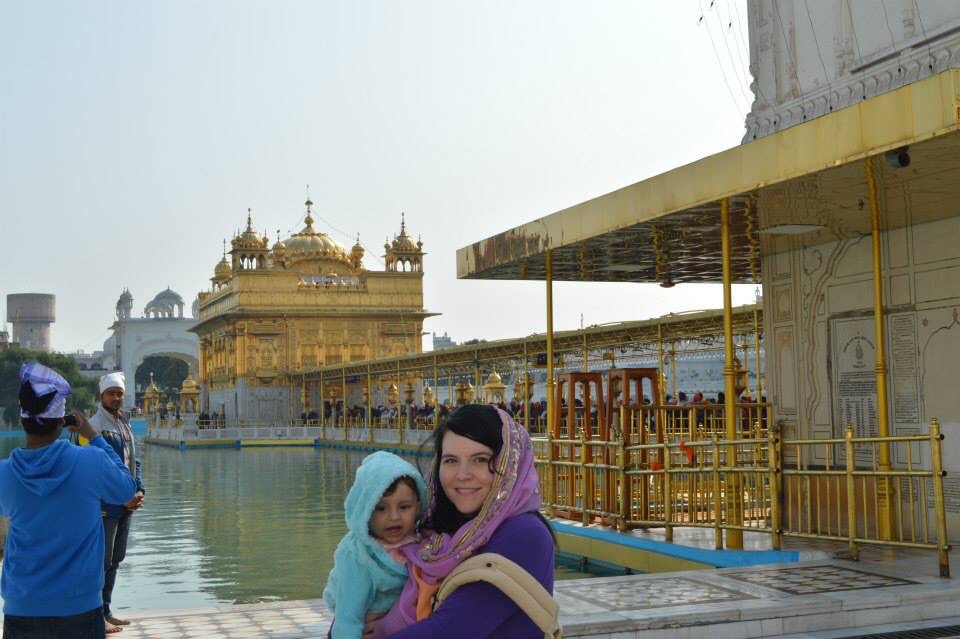
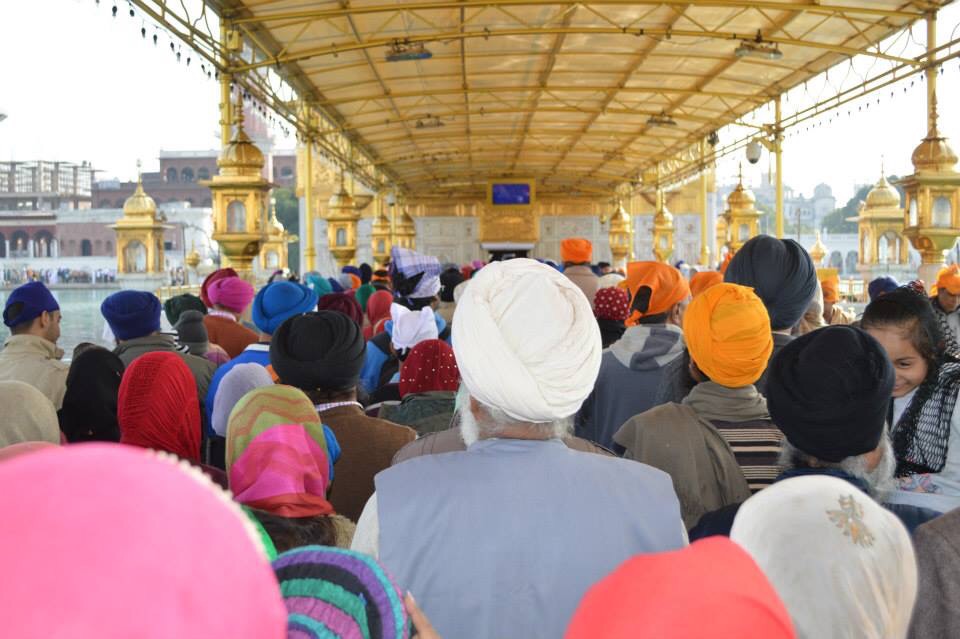
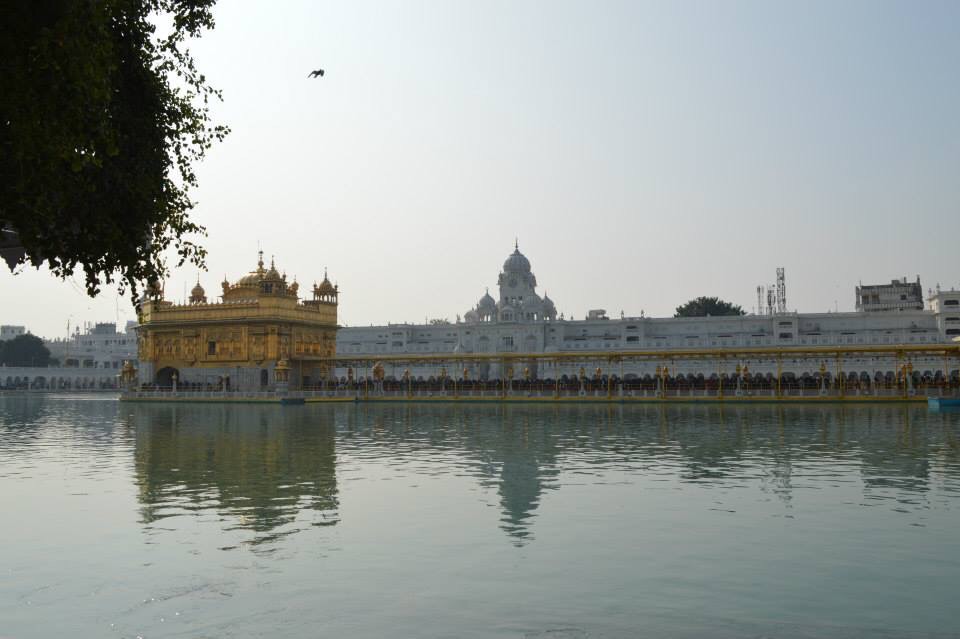
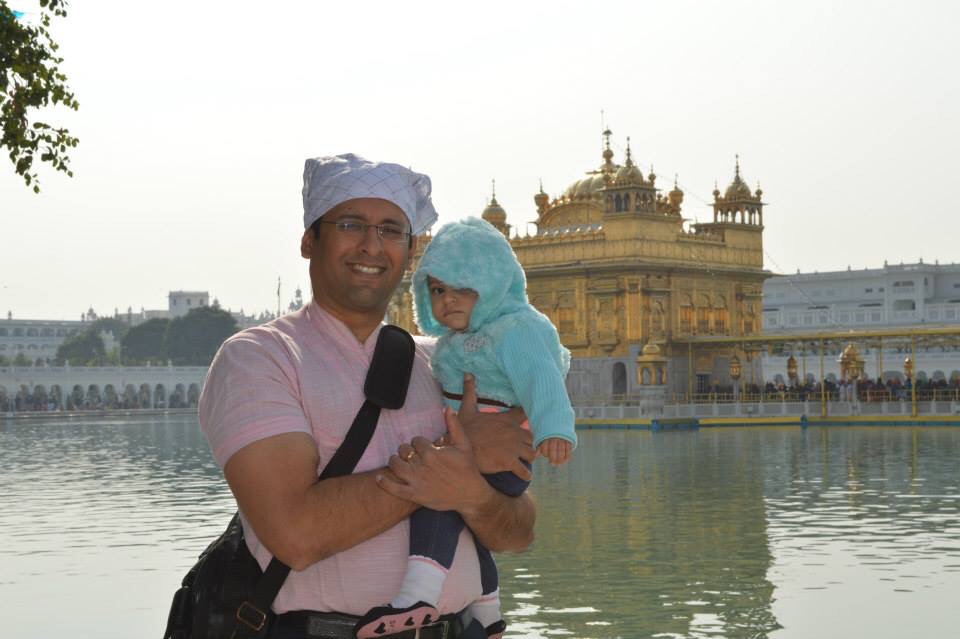
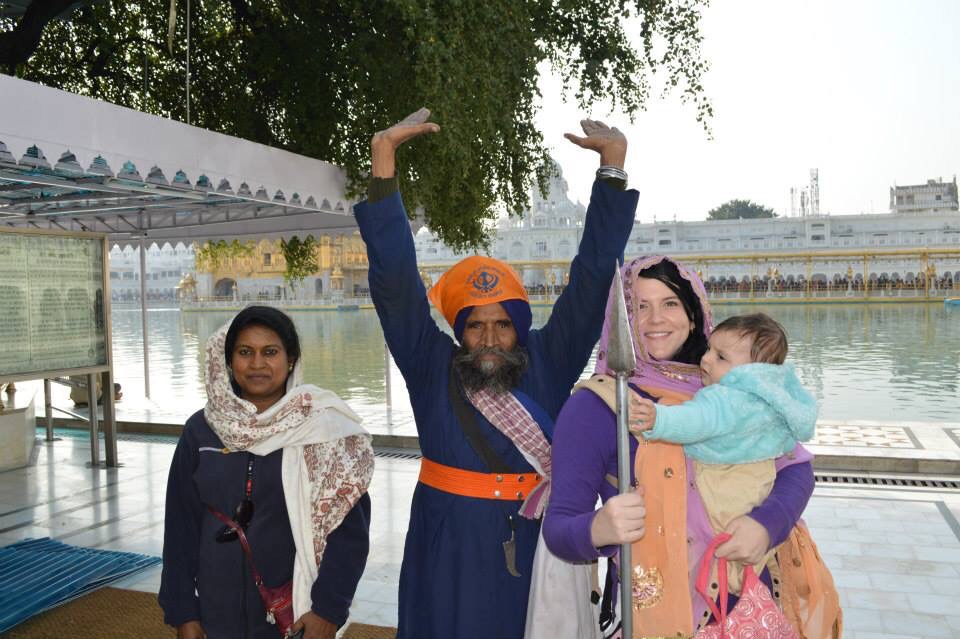
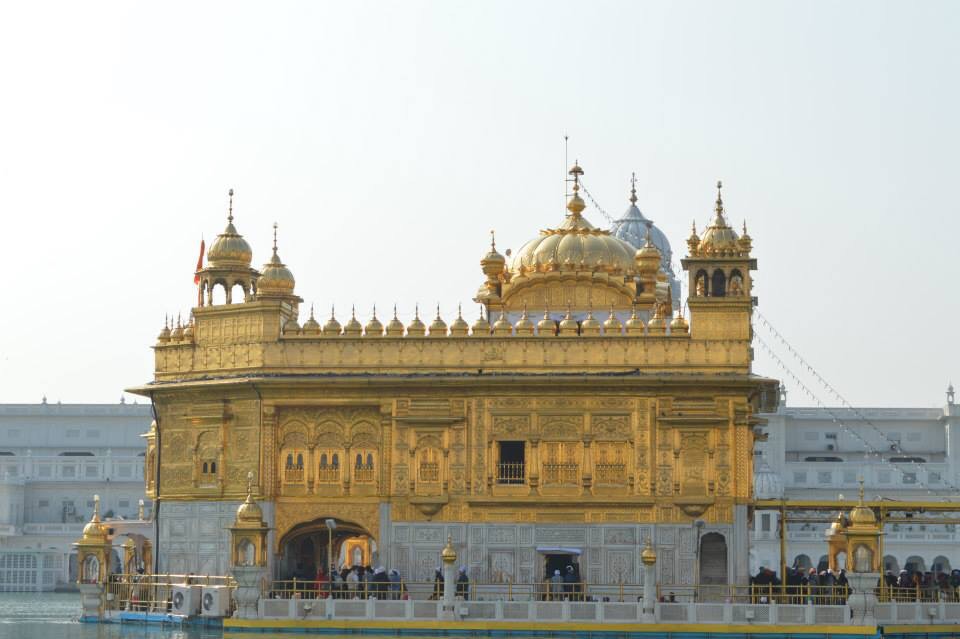
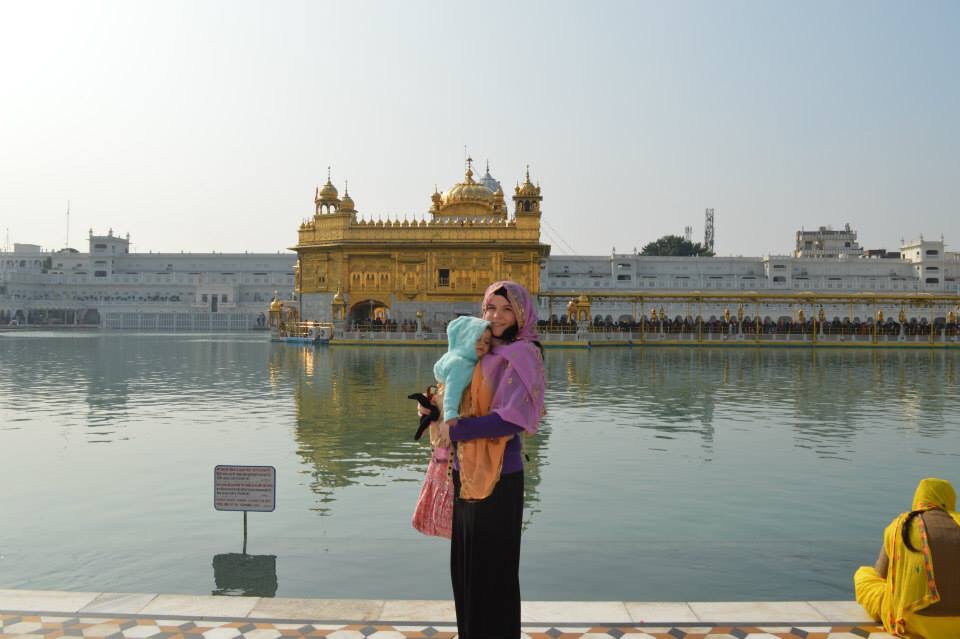
The Golden Temple’s official name is “Sri Harmandir Sahib,” and it’s the holiest gurdwara for Sikhs. The temple itself is surrounded by a lake, which is also considered to be holy. To enter the temple’s complex, a person must remove her shoes and wash her feet and cover her hair (this goes for both men, women, and children alike). I could blather on and on about the temple and its surroundings and recite its history, but I really just want to share photos of our day there, so I recommend checking outΒ thisΒ andΒ this.Β Here are my two favorite facts about the temple:

“The construction of Harmandir Sahib was intended to build a place of worship for men and women from all walks of life and all religions to come and worship God equally. Accordingly, as a gesture of this non-sectarian universalness of Sikhism, Guru Arjan had specially invited Muslim Sufi saint, Hazrat Mian Mir to lay the foundation stone of the Harmandir Sahib. The four entrances (representing the four directions) to get into the Harmandir Sahib also symbolise the openness of the Sikhs towards all people and religions. Over 100,000 people visit the holy shrine daily for worship, and also partake jointly in the free community kitchen and meal (Langar) regardless of any distinctions, a tradition that is a hallmark of all Sikh Gurdwaras.”

And:

“Harmandir Sahib is [the home] of the world’s largest soup kitchen. According to “Croatian Times” [it] can serve free food for up to 100,000 – 300,000 people every day. At the Langar (Kitchen), food is served to all visitors regardless of faith, religion, or background. Vegetarian food is often served to ensure that all people, even those with dietary restrictions, can eat together as equals.”

Pretty amazing, huh? Now time for pics!


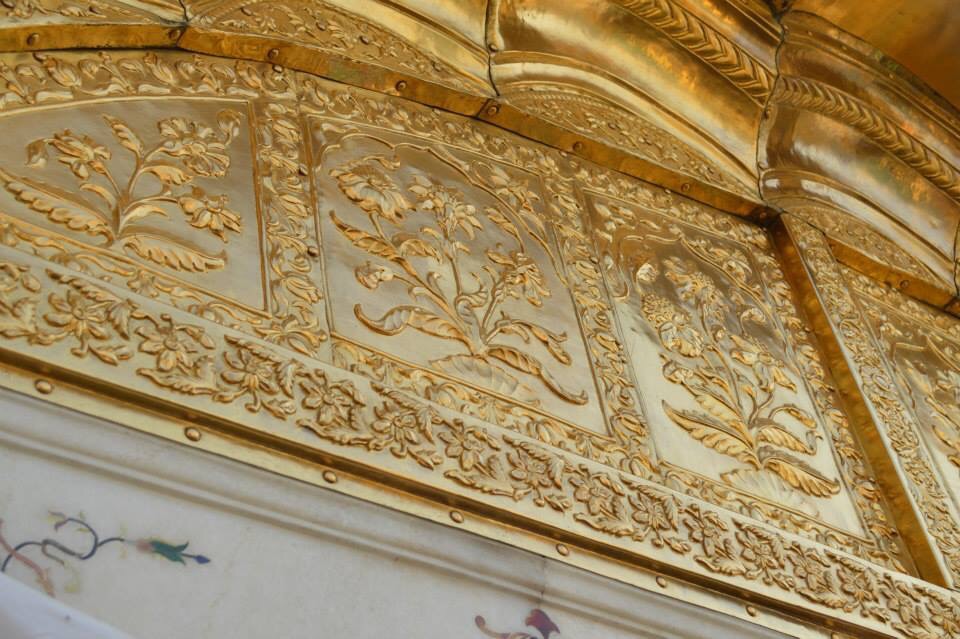
Hand-carved marble!


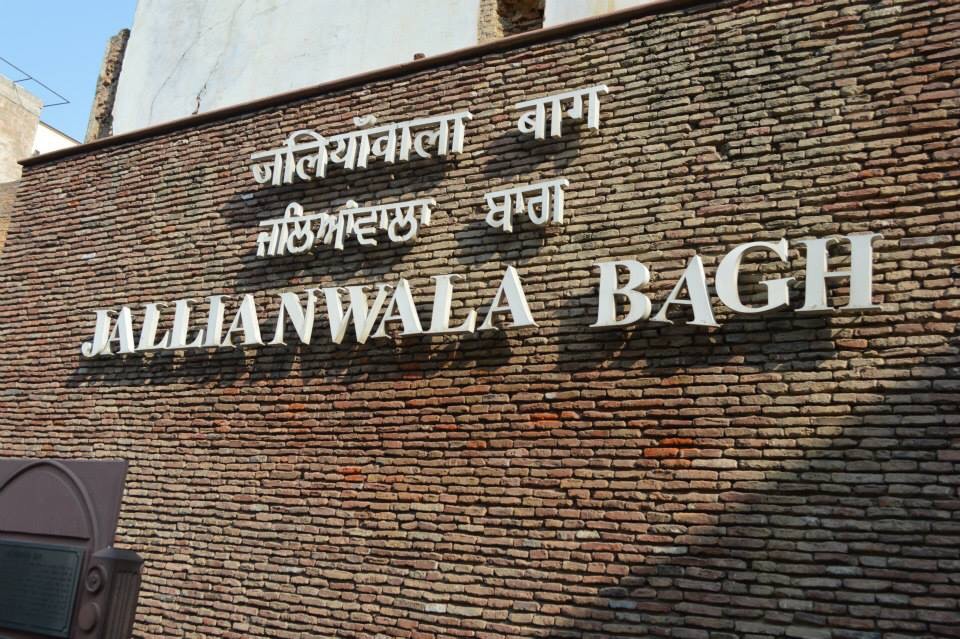
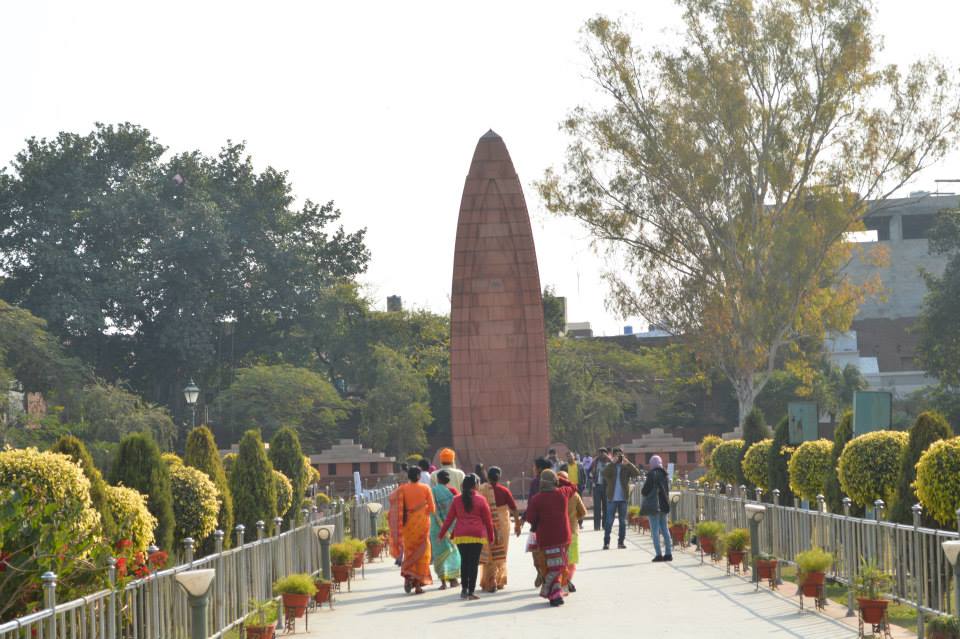
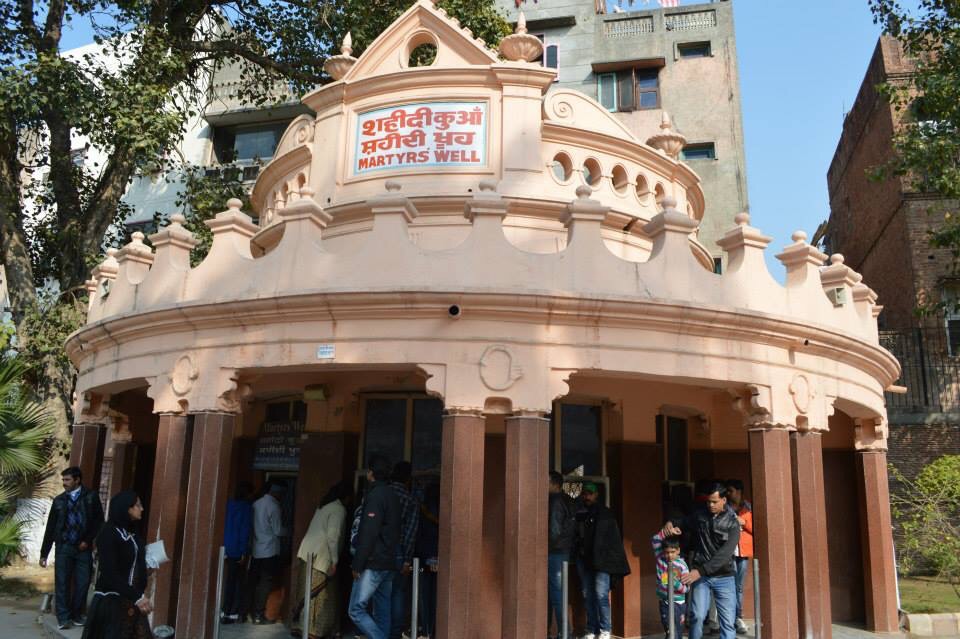
After our visit to the Golden Temple, we stopped by Jallianwala Bagh, and if you’ve ever seen the film “Gandhi,” then you know of its significance. I would say if you know anything about history, you should know about it too, but I didn’t. My history classes glanced right over British colonialism in India and never delved into studying the Amritsar massacre. The whole eventΒ is horrifying. On Sunday, April 13, 1919, Β some sorry-excuse-for-a-human-being named Colonel Reginald Dyer, who had imposed a curfew and a ban on protests in the city of Amritsar, decided that all the people who were disobeying his hardly known order deserved to be shot at. He ordered troops to follow him to the park, where exits were blocked without warning, and shots were fired for ten minutes straight into the crowd of about 20,000 people. A cease-fire was called only after running out of ammo. People were not only killed by the bullets, but they also stampeded each other trying to escape, and over 100 people (women and children included) jumped into the well that was in the center of the park. It was terribly sobering to touch the bullet holes still preserved in the walls and to look down into the endless blackness of the well. Words cannot do it justice.

img_6139

10801824_875544680004_1539954525245526391_n
The monument

img_6142

img_6143
The bullet holes

img_6144
The Martyrs’ Well – 120 bodies, including women and children, were recovered from it.


If I Can Cook, Then There’s Hope for Everyone

One of my proudest accomplishments in India has been learning to cook. And I don’t mean just learning to cook Indian food. I mean learning to cook, full stop. I was never one for trying complicated, multi-step recipes, especially when I lived alone. I felt like any recipe I tried went to waste. I relied on my crockpot sometimes to surprise me with a wholesome, delicious meal, but more often than not, I used boxed mac n cheese, frozen pizzas, or egg and tuna salad to survive my bachelorette life. Even when Zac and I were together in the US before we married, he would cook for me. He’s the one who conditioned me to such strong heat in curries that when I moved here, the spiciest curries didn’t bother me one bit.

When I moved here, if you’ll remember, we barely owned anything. Not even a refrigerator, so cooking was an adventure, to the say the least. We could only buy enough vegetables or fish that we could eat in one sitting, and to top that off, I had absolutely no idea what I was doing. We visited Zac’s aunt and uncle soon after I had moved there, and his aunt tried to teach me how to make pulao, which is a rice dish made with some veggies and has cardamom pods, cloves, and cinnamon added to give the rice itself a bit of flavor. It looked so easy! Too easy! Fry the veggies in some oil with the whole spices and toss it all in the rice and cook! Done! I could handle it! I tried to make it a few days later, but I completely forgot how many cloves, cinnamon and cardamom should be tossed in. And who ever thought you could overly spice an Indian dish, am I right? When Zac and I tried the rice, the cloves and cinnamon cleared out our sinus cavities for days. It was awful. My lesson learned – for as many flavors as there are in Indian dishes, less is still waaay more. Time progressed and we finally bought a fridge like civilized people and were able to keep leftovers, so I got excited and started branch out with different fish and vegetable dishes. I was just getting good at it all when I gotΒ pregnant and nauseated and wanted to toss every single Indian dish out the window.

Then, I had a long break from cooking after we moved to Trivandrum. Since I was pregnant and would have to take care of a small baby, everyone naturally thought I wouldn’t be able to handle anything besides caring for a baby. At the time, I was a little more than offended. Like, my mom did it all. In fact, all the women I know did it more or less without outside help besides family. Why couldn’t I? But I digress, and now in retrospect, I realize I was such an emotional wreck that it was for the best that we kept a cook/housekeeper. After several months of keeping a cook, I got a little too bored and we fired our cook. And thus began the year of hiring and firing cooks until last December, when we finally got rid of our final cook and I permanently took over.

12771990_996720318054_9064104372130198701_o
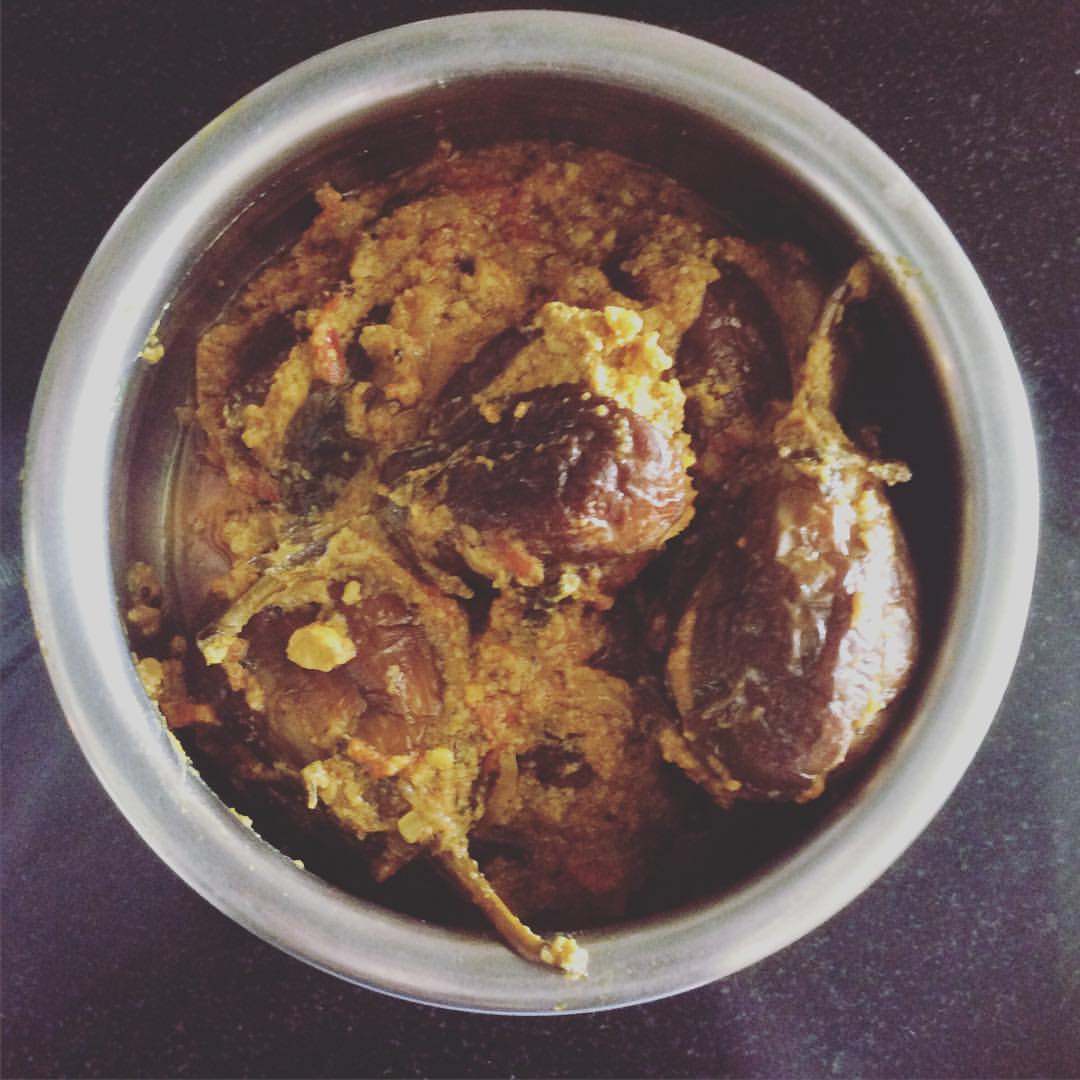
My amazing stuffed eggplant. Seriously, it’s so good.

I hope I’m not being too modest when I say I make damn good food. I can make a chicken biryani that will knock your socks off. I can stuff eggplant with coconut and roasted cashews and tamarind like nobody’s business. I can chop, marinate, and fry slices of bitter gourd with my eyes closed. I have perfected homemade yogurt and am in the process of perfecting homemade butter. You want spiced buttermilk? I can make you a tall, cold glass. You want to try the famous Kerala red fish curry? I can make that too. The only thing I can’t do is make a round chapatti.


It’s safe to say that I can make a solid, multi- dish South Indian meal, but I could not make a Thanksgiving dinner if my life depended on it. And because both my husband and child are more carnivores than anything else, I’ve had to learn how to handle many things that I’ve never had to handle before. The chicken we buy isn’t frozen chicken breasts. You go to a guy selling chickens, pick one out and he slaughters it in front of you….if you want to watch and most people do. I know it’s just another part of life here, and it hardly bothers these tough skinned Indians, but I haate it. I stay as far away from the chicken stands as I can. It’s bad enough when we bring the meat home, and the meat is still warm. I’ve handled a chicken’s liver, gall bladder, and sphincter (so I’ve been told). Even though my biryani is excellent, I find myself eating less chicken each time I make it.

And we all know I can easily clean a fish – I wrote all about it before. And it’s like riding a bicycle, you never forget how to once you know. I’ve de-veined tiger prawns, sliced up raw squid (and tossed the tentacles), and plucked remaining feathers off of duck bones (so gross). I’m not proud of these things, but I’m listing them because I was never a person who wanted to touch icky things. Like, never ever ever. But, for some reason, being thrown into living in the middle of Kerala, it’s never bothered me as much as it could have. And I don’t know what that means. Am I different person than I was four years ago? Am I the same person who just does what she has to do to survive life here? Am I turning into a heartless monster because I’m generally okay with pulling the guts out of a fish?

12670650_10100107486523664_8241019239445942206_n
Squid and prawns. Each time I’ve handled them raw, I think, “There’s no way on Earth I can eat this.” But then when it’s cooked, it’s delicious!

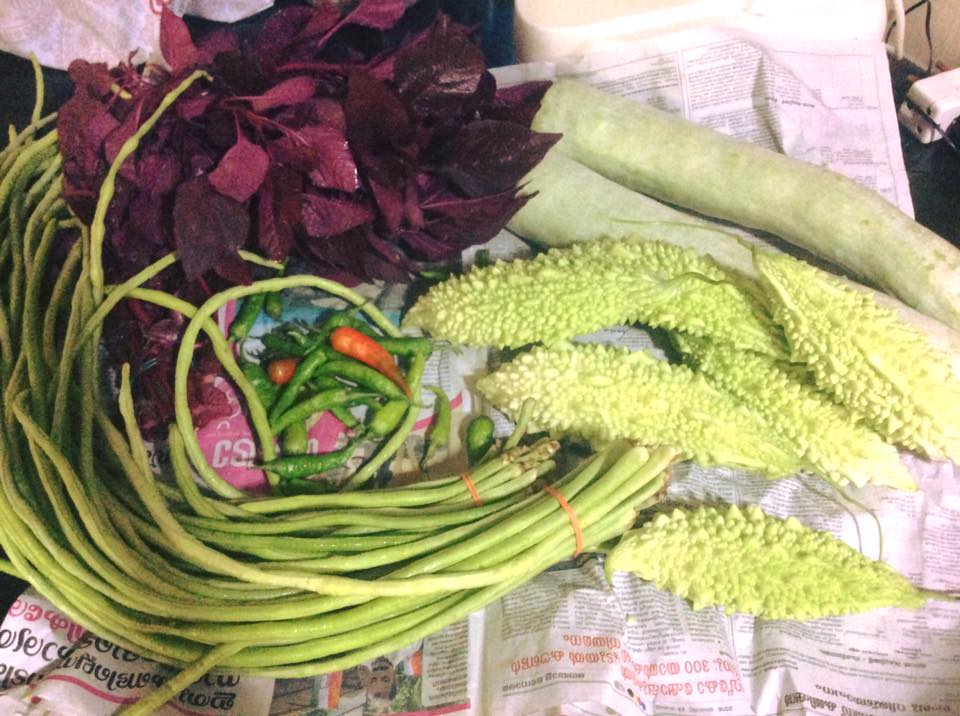
Luckily I only have to ask the “heartless monster” question once or twice a week. I cook chicken and fish in bulk and then it usually last for a few days. The rest of the dishes we eat are my personal favorites – the vegetable dishes. Shopping for veggies here is something I don’t mind, which is saying a lot. We stop at roadside stands to buy the fresh produce people sell. The colors of all the vegetables are magnificent, and don’t even get me started on the fragrance of fresh curry leaves. At these stands, people sell the usual stuff like onions, tomatoes, shallots, cauliflower, green beans, potatoes, cabbage, carrots, okra, and eggplant (long green ones and small purple ones), but then there are so many others that I had never seen before moving here like snake gourd, ridge gourd, bottle gourd, and bitter gourd, green pumpkins, red spinach, elephant yams, tapioca, Chinese potatoes, large orange cucumbers that you can put in curries. There are others that I can’t even list because I don’t know what they’re called, but you better believe that we’ve brought them home, I’ve chopped them up and fried them with some coconut.

14199146_10100153592466984_8159090014511262630_n
Fresh veggies! Can’t beat it!

I think I was able to pick up cooking fairly easily because Indian food is all in the spices, and most of the time, all the same spices, for curries and sabjis – turmeric, coriander powder, and red chilli powder. And sometimes garam masala. Making chicken curry? More coriander and less red chilli. Fish curry? A crapload of red chilli, less coriander and several pieces of black tamarind. Making a green bean sabji? Roughly equal parts red chilli and coriander and a dash or two of garam masala. I’ve found these are the basics, and all other spices, like mustard seeds, cumin seeds, fennel, whole spices and things like asafoetida can be added as extras.

I read a great quote about Western food vs. Indian food a week or so ago – “While many Western cuisines preach the gospel of simplicity and highlighting the natural flavor of the ingredients, Indians take the opposite approach: season, season again, and what the hell, season some more.” And yes, it’s totally true. I may have made a mistake that first time with the pulao by adding too many cloves, et al. But when I add a little bit of those, plus a bay leaf, plus a bit of star anise, some whole black pepper, and a teaspoon of cumin seeds, the rice tastes EVEN BETTER. So, perhaps “less is more” isn’t the solution, but something like “more variety, less monopoly” is? I don’t know. It’s a “learn as you go” process. And it’s fun and most importantly for me it’s satisfying. I only hope that I can transfer my talent for Indian cooking over to American cooking for the time that I am home!

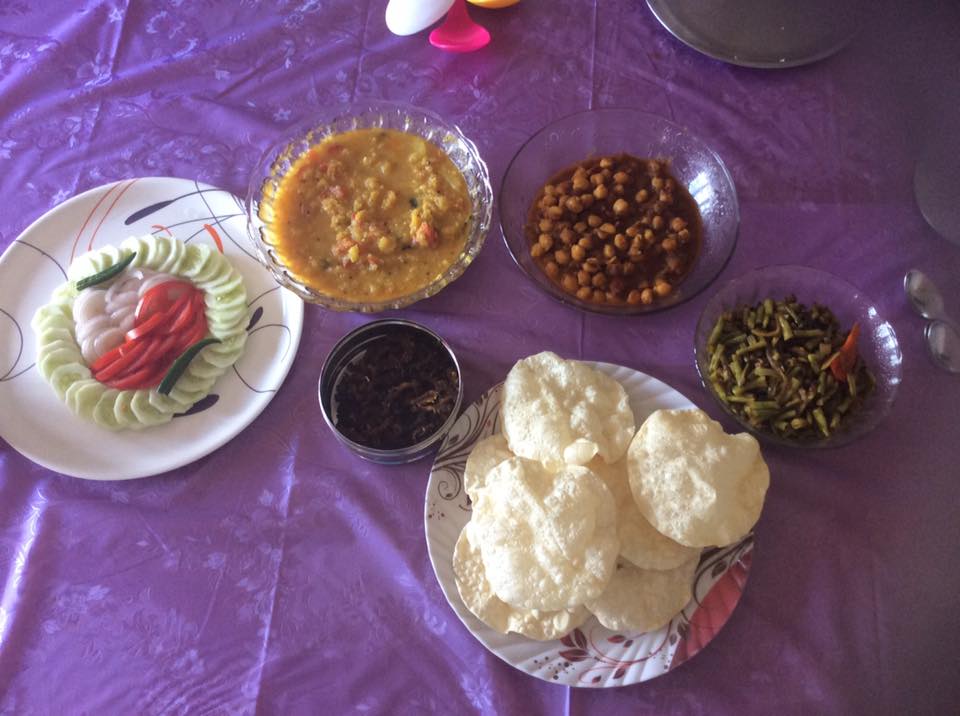
14344837_10100157477401544_856005593554503130_n
Pumpkin curry, chickpea masala, fried beans, and bitter gourd because my child can’t get enough bitterness.

Onam – the Biggest Kerala Festival!

Wow, long time, no write, huh? I know in my last post I had promised a few entries on what it’s like for me in India, but I had to step back from that. Like, waaaaaaaay back. The more I wrote, the more miserable I sounded and was becoming because I was picking apart the joy that someone else had found while touring here. Maybe someday I’ll come back to that when I can examine my big, scary India feelings without it affecting me in the present. So much for writing being cathartic.

Today, I’m gonna try to get back to the joy that I’VE found here (I’ve been doing this in my real life for a while now, and it’s working!). And one of those joys is…..Onam. You know, I realized I posted on my Facebook all of these gorgeous photos of pookalams (flower carpets), sadhyas (special meals), parades, games, but I’ve never explained the festival itself. Onam is the biggest festival in Kerala. It’s like Christmas: everybody celebrates it – Hindus, Christians, Muslims, you name it – no matter what they believe, and people start preparing for it far in advance. They have big Onam deals and sales in all the stores. For ten full days, people are pumped to the max about this celebration. Young men excitedly stand in groups in the middle of the road and stop moving traffic to gather donations for the nearby temples. And then Thiruvonam arrives, the culmination of the festival, and literally everything shuts down and people celebrate at home.

We moved way out to the boonies, away from Trivandrum city, about a month ago. On Thiruvonam, we drove into the city to spend the day with some family, and we were shocked at how deserted everything looked. No stores were open, no people along the roads selling fresh vegetables or fish. Total silence….until we came across those who were celebrating. People finish the pookalams (a task that begins on the first day of Onam – Atham) early in the morning in various places along the roads. Trucks, cranes, bulldozers, and rickshaws were trimmed with flower garlands and paper ribbons, but they had no drivers that day. Palm fronds were torn and folded into bows and hung from strings in the villages. And the people themselves were playing games like tug of war, blindfolding themselves and taking swings at clay pots, and musical chairs. They were dancing, laughing, joking, racing. We even came across two guys dressed as leopards? Tigers? We’re not sure, but they were chasing down the few cars that did drive by.

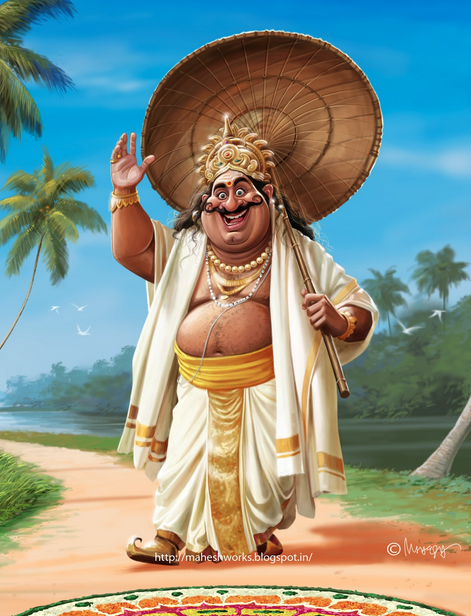
At the center of this festival is King Mahabali. A mythical king who is now depicted as a chubby, jolly looking fellow (sound familiar?), his spirit is said to visit Kerala on every Thiruvonam, and his people wish to show that they are as happy and prosperous as they were when he ruled the land, hence the flowers and elaborate meals.

screen-shot-2016-09-28-at-6-38-39-pm
Yeah, I took this from maheshworks.blogspot.in. This is how he’s portrayed a lot now.

But why does King Mahabali visit Kerala only once a year? I’m sure you’re all dying to know, right?! This legend goes way back – King Mahabali was very generous and wise. Kerala was at its best during his rule – no crime or corruption, no caste system, no poverty but no obscene wealth either, everyone lived in harmony. It was perfect until the gods became jealous of Mahabali’s rule and respect. The goddess, Aditi, went to Vishnu, the preserver God, and asked him to, you know, ‘take care of this Mahabali problem.’ To add some irony, Vishnu was the god that Mahabali worshipped the most! Anyway, Vishnu agreed and disguised himself as Vamana, a poor Brahmin dwarf. Mahabali had just finished his morning prayers when Vamana/Vishnu approached him. Vamana explained he was a simple, poor Brahmin who only wanted some land of his own. Mahabali asked how much land Vamana wanted to which he responded “as much as I can cover with three steps.” Mahabali was shocked that this poor man would ask for so little, but he agreed anyway, not sensing that anything was amiss. But as soon as Mahabali agreed, Vamana grew and grew and grew and grew until he was larger than the earth itself. Vamana covered the earth with his first step and the heavens with his second, but then he stopped and said, “Where shall I take my third step?” And Mahabali knew he had to do something or this man was going to destroy the world, so he bowed as low as he could go and asked Vamana to place his third step directly on his head. Vamana pushed Mahabali into the underworld with his final step, and Mahabali begged for Vamana to show who he really was. After seeing that Vamana was really Vishnu, Mahabali, now banished to the underworld, requested to be allowed to visit Kerala once each year because he was so fond of his people. Vishnu was incredibly moved by the request and the king’s kindness and so he granted Mahabali’s wish and told Mahabali that he would always be dearly loved by his people.

And there you have it. I’m certain I’ve missed details, but I think I covered the basics of the story so everyone reading can understand why Onam is a big deal. People prepare for Mahabali’s return for 9 days, and then on the tenth day, his spirit visits and is pleased to see everybody partaking in large meals (the Onam Sadhya) and playing games and enjoying one another’s company. Just like during his reign.

14379705_10100158149579494_7129763482045447537_o
Homemade Onam Sadhya (minus the rice). There’s a specific order in how things are served. Anywhere from 11 to 34 dishes are prepared. The food should be served on a banana leaf and rice is the center of the meal. Pappadum is always to the extreme left, then a banana, then salt, banana and yam chips, ginger pickle, lime pickle, mango pickle, next are the chutnies (beetroot) and ullikitchadi, cabbage thoran (with coconut), avial (another dish with vegetables and coconut), and another thoran made of beans. After the heaping pile of rice is scooped, dal curry (lentils) and ghee are poured on top. After half the rice is consumed, then sambar curry is poured on the rice. After that, a second round of rice can be taken with pulisseri (curry made with yogurt). Then, if one can eat all that, payasam is served for dessert. Phew!

14492368_10100161797993044_3736438554519939972_n

We got to celebrate Thiruvonam twice is year – once on the actual holiday itself, and then again ten days later when the institute’s, where my husband works, students put on their own celebration. I recorded a lot of the parades and the games, and now our daughter can’t go more than a couple hours without asking to watch “daddy play musical chairs” or the clip of the “drummers and the Tigers.” And I’ve listened to the rhythmic drum beats about 800 times now, but I’m not sick of it yet. She gets so excited watching it, and then explaining to me how scared she was that day when she saw the “tigers” dancing down the hallway.

screen-shot-2016-09-28-at-6-31-40-pm
“Mommy, da tigahs!”

I usually get a huge lump in my throat because I know this is such a blessing for her. Regardless of how torn I may be on my rough days here, she’s is undoubtedly lucky to be sharing in the spectacles of both her mother’s and father’s cultures. Evelyn and I are going to the US next month for three months, so we’ll be there for Halloween, Thanksgiving, and Christmas, so she’ll get to share in MY favorite American holiday traditions. But as usual, I’m split down the middle – feeling horribly guilty about leaving my husband and knowing we will miss him the entire time were gone, but nonetheless excited to eat ALL THE PUMPKIN and wear sweaters, scarves, and boots. And to see my family too – people who always understand my sarcasm and dry sense of humor. People who just, you know, get me. Zac gets me, and probably better than anyone else, but I still don’t know about everybody else. πŸ˜‚ Before I pour out my heart and soul again with things you’ve read in, I think, every single post I’ve ever written, I’ll sign off. To all you Malayalees out there – I hope I did your festival a little bit of justice. It certainly is exciting to participate in.

What It’s Like for Me

I’ve been trying extremely hard not to write an entry like this because I was never sure how people would take it. Heck, I’m not even sure how I’m really taking it. I’m so torn about writing it. Living in India is very conflicting. Some days my heart is so full of being grateful and appreciative for having this opportunity, living in such an ancient culture, seeing the historic monuments and buildings, spoiling myself with massages and such because we can afford it here, living in luxury with our three rooftop swimming pools at our apartment buildings. Other days, I find myself daydreaming about driving my own car down one of Sullivan County’s empty roads. No car horns, no temple music, just blissful silence. Or I get wistful and dreamy about the spacious and roomy parking lots at Walmart ( you will never understand how lucky you are) after a day of frustrated shopping where we can’t find a single parking space at our overly crowded grocery store. Or I wish that I don’t have to second guess what I’m wearing when we go into public, never knowing if it’s fully appropriate for the conservative culture here. Or I wish that I could heat style my hair without it protesting into a ball of frizz or that my make up wouldn’t melt off my face. These may seem like small things, for sure, but when you’re living them everyday, the pangs can get really strong. Most days I’m fine, but some days, I swing from one extreme to the other with me wanting to stomp my feet like a child and scream, “I don’t want to adapt. ANY. MORE.”

I’ve been having waves of homesickness since Christmas Eve, and it’s been getting worse and the waves have been getting a little longer since it’s coming up on a year when I went to the US. In fact, yesterday, I was listening to “California Girls” by the Beach Boys, and I was so stupidly overcome with emotion that I had to sit down at the kitchen table with my head in my hands. So, even though I feel like I’m complaining a bit with this, it just poured out of me and felt sooo therapeutic. I think that even though India overall has been kind to me, it will never accept me as Brittany, wholly American and unchanged. I’ve had to tone down my sense of humor (sarcasm, pretty much), what I wear, how I approach people, how I address people, who I make eye contact with, who I smile at, who I say hello to (which is no one unless I know them). I’ve even had comments on my hair because it’s shorter than what is considered traditional here. The “if you don’t have anything nice to say, don’t say anything at all” mindset doesn’t exist so much here. Good in some ways, and not so good in others.

I’ve been keeping tabs on this thing called the Kerala Blog Express, sponsored by Kerala Tourism, where they bring a group of foreign bloggers to see the best Kerala has to offer. And that’s just it – they’re only seeing the best. As I was reading the latest blog, cheekily titled 12 Reasons to Never Visit Kerala, I felt a huge disconnect between what the blogger had written and my own experience. It’ll be my fourth year here this October, so I’m starting to believe that my feelings and opinions about living here may actually have some clout. I have about 6 to 7 pages handwritten on this topic already, and I’m not even done yet, so I’ve decided to split up all of it in to shorter, easier entries. I’ll probably post once a week until I get it all typed.

First of all, this blogger talks about how hot and humid it is here and how you’re always covered with sweat (all true). But then he talks about how he slathered on SPF  50 when going out on the beaches and hiking, and I just…..I had to stop reading. I can’t even remember the last time I willingly went into the midday sun unless I’ve been 1) under a very large umbrella, 2) in an air conditioned car, or 3) hiding in the shade of a very tall, very broad building. Anyone who lives here knows that being outside between the hours of 10 and 6 is a huuuuge mistake. That’s why many of our beach photos are of sunsets – it’s not for romance. It’s because it’s too stinkin’ hot to go any other time of day. But we have made the mistake of going to the beach in the daytime. More than once, because we kept thinking it would improve each time we went. It didn’t. 10 am – traipsing through hot sand, hot sun, and….ugh….hot air. The beaches are all gorgeous, no doubt, but I think the sunbathers are nuts. No offense. I mean, good grief, it’s so hot outside, why did we think it would be fun? Then, in the car, on the way home, the A/C is cranked to the max, and we look at each other like, “Why did we just do that?” We’re exhausted from the sun, we’ll have to take yet another shower when we get home, and then the rest of the day is shot because we have to rest up since we have real lives to live here. So, yes, the tally – tourist in Kerala: appreciates the heat and sweat and sun and doesn’t miss out on any fulfilling activities because of this; and expat in Kerala: dives into the nearest building like some kind of vampire, counting the hours until I can go outside again. You can’t age me, Kerala sun! NO. WAY.

1519526_768615756424_1940329064_o
Never again.

The next thing on this guy’s list that struck me as odd – he writes that Indians have permanent smiles on their faces. To be honest, I have no idea what he’s talking about. With the exception of my husband, who smiles for approximately 85% of his day (not counting his sleepy time), Indians aren’t smilers. In my experience, the average Indian has a very serious, even borderline unfriendly appearance. I won’t even discuss the blatant stares I still get once in a while from people….or maybe I will, who knows where this paragraph will lead me? But appearances aside, Indians are some of the happiest, friendliest people on the planet. Don’t ask me why they’re so happy – they have lots of reasons not to be, so I’m still trying to flesh all that out.

And this friendliness and happiness leads to such unbelievable hospitality. People are so happy and so proud to have you as a guest in their home. And this, this is when Indians smile. I will never forget, on my first trip to India, we visited the Dhobi Ghat slum in Mumbai, and a young man invited our small crew to see his tiny, well kept home – I mean, it was tiny and most of his belongings were covered with the laundry that he was washing for the Mumbai residents. He just stood there with a broad smile on his face, gesturing for us to enter his home, and I’m sure he would have served us tea if we hadn’t been in such a hurry. This poor man would have given us something that he most likely struggled to earn, and he would have done it with a good, genuine heart. I can’t even fathom it – it leaves me speechless.

425322_607090045244_2070546250_n
That man is in the orange shirt.

Well, now that I’ve waxed poetic about the friendliness and hospitality of Indians, I’m going to tell you that it hasn’t been easy at all for me to make friends here. In fact, I didn’t make any friends at all until we moved to this new apartment complex in October 2015. That’s three, count ’em three, years of having no real, live friends to talk to besides my husband. But I remember the days at our old house when I would cry because I was so lonely for just one other female friend. Just one other mom friend, who could at least pretend to understand how destabilizing it can be to be a stay at home mom in a foreign country. Someone who could sympathize with me on the days when I’m feeling a bit homesick and like I’ve lost a sense of my identity – that I have no idea what I’m good at anymore. Someone who could understand why I protest keeping a maid and a cook because, while it’s extremely difficult to maintain a home here with all the dust and dirt, I didn’t like that my self-sufficiency was completely shredded. It’s taken me a long time to find those people.

And it’s not that there weren’t any women around me. I’ve had female neighbors the entire time I’ve lived here. But they were local Kerala women, at least one generation separated from me, and, I felt, an entire world away in values and interests. I vividly remember (because I felt so mortified) sitting in one woman’s home, she had made me tea, and after the initial “what are you preparing for lunch” conversation (topic of choice here), there was nothing but silence because we had no idea how to continue. And as for me, being a bit socially awkward, my brain kicked in to overdrive panic mode – What do I say? What do I say?? WHAT DO I SAY??? And that made it all much worse.

It has gotten easier. I’ve learned by the example of my husband, in those situations, it’s best to ask about family members – as many details as you can about as many members as you can think of. People love to talk about their families. This tactic has very much saved me from any more awkwardness.  The tally – Tourist in Kerala: is greeted by smiling hotel representatives and tour guides and then thinks everyone here is constantly smiling and in a good mood; Expat in Kerala: sees and experiences the real deal (which I think, despite my complaining, is the better deal).

I hope I haven’t turned anyone off from visiting India. I promise you – it changes your life in the most unexpected ways. I sound like a broken record because I know I’ve written this before. Like I said, my emotions are always in a constant battle – it’s a duality, much like India itself. The extreme good and extreme bad, extreme wealth and extreme poverty learn to co-exist with each other somehow. People say that you either love India or you hate it when you visit for the first time, and I can assuredly say that it’s possible to love and hate this place in the same breath. This is my experience and mine alone. I’ll be posting the next entry sometime next week. Stay tuned!

img_3390
One day at a time, usually with lots of caffeine.